
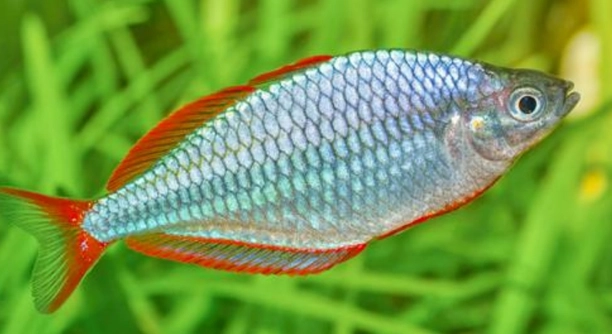
Rainbow fish are known for their bright, vibrant colors and lively nature. If you own one, you may want to create an environment that enhances their well-being. Bubble decorations are often used in aquariums to add both style and functionality.
Rainbow fish generally enjoy environments with gentle water movement, and a bubbler can be beneficial. The bubbling water mimics natural habitats and helps oxygenate the tank, supporting overall fish health. However, too much bubbling may stress the fish.
Balancing the right amount of bubbler decoration can significantly improve your fish’s environment. It’s important to monitor their behavior and make adjustments as needed.
Why Bubbler Decorations Matter for Rainbow Fish
Bubbler decorations can create an attractive aquarium environment, but they also serve a practical purpose. They help circulate water, improving oxygen levels in the tank, which is crucial for fish health. Rainbow fish, in particular, benefit from a consistent supply of oxygen in the water. These fish naturally come from environments with moving water, so the addition of a bubbler simulates their natural habitat.
While a bubbler can provide these benefits, it’s essential to use it correctly. If the bubbles are too strong, they can disturb the fish, causing unnecessary stress. On the other hand, if the bubbler is too weak, it may not provide enough oxygen. Finding a balance is key to creating the most comfortable environment for your fish.
By monitoring your fish’s reactions, you can determine the ideal bubbling effect for your tank. Adjust the bubbler’s position or flow as needed to ensure it doesn’t interfere with the fish’s behavior.
Adjusting the Bubble Flow
When choosing a bubbler, consider the strength of the current it produces. A gentle flow will be ideal for rainbow fish.
Some aquarium bubbler decorations come with adjustable air pumps, allowing you to control the intensity. The right amount of flow will provide enough oxygen without overwhelming the fish.
Placement of Bubbler Decorations
Positioning your bubbler in the right spot can make a difference in how your rainbow fish respond. Avoid placing it directly near the fish’s resting spots.
When setting up the bubbler, think about the natural movement of water. Rainbow fish enjoy swimming in open spaces, so place the bubbler where it can circulate the water without disrupting their swimming. This helps maintain the tank’s oxygen levels while giving the fish enough space to move freely.
A good rule of thumb is to place the bubbler in a corner of the tank, where the water can circulate efficiently but not overwhelm the fish. This way, you’ll create an optimal environment for both the fish and the tank’s overall health.
Observing Fish Behavior
Rainbow fish are sensitive to their environment. If you notice them swimming away from the bubbler, it may be a sign the flow is too strong.
Watch their swimming patterns. Fish that avoid the bubbler might be showing discomfort due to the current. Try adjusting the bubbler’s flow to create a calmer environment, or move it to a different spot. Monitoring their behavior closely allows you to make small changes for their comfort.
Bubbler Types for Rainbow Fish
There are different types of bubblers to choose from, each offering unique benefits. Air stones and bubble walls are common options.
Air stones create a steady stream of bubbles, helping oxygenate the tank while adding visual appeal. Bubble walls provide a more diffuse flow, creating a softer, calming effect for the fish. Depending on the size of your tank, either can work well, but choose based on the size of your setup.
Importance of Regular Maintenance
Bubblers need regular cleaning to prevent clogging and ensure efficient operation. Over time, debris can block the air stones, reducing the oxygen supply.
Make cleaning a habit every few weeks to keep the bubbler working effectively. Regular maintenance helps maintain a clean and healthy environment for your rainbow fish, reducing the risk of water quality issues.
FAQ
Do rainbow fish need bubblers in their tank?
Rainbow fish benefit from bubblers because they help maintain oxygen levels in the tank. While they can live without bubblers, adding one mimics their natural environment, where water movement helps oxygenate their surroundings. A bubbler can enhance your fish’s health by promoting better water circulation and improving overall tank conditions.
What kind of bubbler is best for rainbow fish?
The best type of bubbler for rainbow fish is one that produces a gentle stream of bubbles, such as an air stone or a bubble wall. These options help oxygenate the water without disturbing the fish too much. Air stones are small and efficient, while bubble walls provide a more diffused flow. Choose based on your tank’s size and the desired water movement.
Can a bubbler harm rainbow fish?
A bubbler can harm rainbow fish if the flow is too strong. Too much water movement can stress the fish, especially if they are constantly swimming against strong currents. If your fish are avoiding the bubbler or seem distressed, it might be time to adjust the flow or move the bubbler to a calmer spot.
How do I know if the bubbler is too strong for my rainbow fish?
If your rainbow fish are constantly swimming away from the bubbler or seem to be struggling against the current, the bubbler may be too strong. You might also notice them swimming close to the tank’s surface, avoiding the bubbles. A strong flow can cause stress, so reducing the current or repositioning the bubbler can help.
Can I use a bubbler with other decorations?
Yes, you can use a bubbler with other decorations as long as it doesn’t overpower the tank. It’s important to keep the bubbler in a position that doesn’t disrupt your fish’s space or make them feel cramped. Ensure that other decorations, like plants or rocks, don’t block the bubbler’s airflow or restrict water movement.
Do rainbow fish prefer a certain water temperature with bubblers?
Rainbow fish generally prefer water temperatures between 72°F and 78°F. A bubbler can help maintain oxygen levels in warmer water, but if the tank becomes too warm, it can reduce oxygen solubility, making the bubbler less effective. Ensure that your tank stays within the ideal temperature range for rainbow fish to maintain optimal conditions.
How often should I clean the bubbler?
Cleaning the bubbler every few weeks is essential to keep it working effectively. Over time, air stones and bubble walls can become clogged with debris, reducing the flow of bubbles and oxygen. Regular cleaning ensures that the bubbler continues to provide the right level of oxygenation without affecting water quality.
Can too many bubbles harm my rainbow fish?
Yes, too many bubbles can harm your rainbow fish by creating strong currents that make the environment stressful. Rainbow fish need a gentle flow of water, and excessive bubbling can cause them to expend more energy swimming. To avoid this, monitor their behavior and adjust the bubbler’s settings as needed.
Should I use a filter along with a bubbler for rainbow fish?
Using a filter along with a bubbler is highly recommended for rainbow fish. While the bubbler provides oxygenation, the filter helps keep the water clean by removing waste and debris. Both work together to create a balanced and healthy tank environment, benefiting the fish’s overall well-being.
Can a bubbler help with algae growth in the tank?
A bubbler can help reduce algae growth by improving water circulation. Better water movement prevents stagnant areas where algae tend to grow. However, it’s not a guarantee that algae won’t appear. Regular maintenance, including water changes and proper lighting, is key to controlling algae growth.
How do I adjust the flow of the bubbler?
Most bubblers come with adjustable air pumps. You can reduce or increase the flow by turning the dial on the pump. For a gentler flow, lower the intensity, and for a stronger flow, increase it. It’s important to find the right balance for your rainbow fish’s comfort.
Final Thoughts
Adding a bubbler to your rainbow fish tank can improve the overall health of the aquarium and create a more natural environment for your fish. Rainbow fish naturally thrive in areas with moving water, and a bubbler can simulate this movement, ensuring the fish have a consistent supply of oxygen. This helps prevent stagnation in the water, which can cause harmful conditions for the fish. However, it’s important to remember that not all bubblers are the same. Choosing the right type and adjusting the flow to fit your tank is essential for the comfort and well-being of your rainbow fish.
It’s also important to observe the behavior of your fish closely. If the bubbler is creating too much current or stress, the fish may try to avoid the area, signaling that the flow is too strong. On the other hand, if the bubbler isn’t strong enough, it may not effectively circulate the water or oxygenate the tank properly. Finding the right balance between oxygenation and water movement is key. You may need to experiment with the placement and flow of the bubbler to ensure it suits both the size of your tank and the needs of your rainbow fish.
In the long run, maintaining your bubbler and monitoring your fish’s behavior will help ensure a healthy aquarium environment. Regular cleaning of the bubbler is also crucial to prevent any blockages or reduced effectiveness over time. The goal is to create a comfortable, balanced space where your rainbow fish can thrive. By understanding how bubblers work and adjusting them based on your tank’s needs, you can help your rainbow fish live a happy and healthy life in a well-oxygenated environment.

Hello,
If you enjoy the content that we create, please consider saying a "Thank You!" by leaving a tip.
Every little bit helps us continue crafting quality advice that supports the health, happiness, and well-being of pets around the world, for pets of all shapes, sizes, and species.
We really appreciate the kindness and support that you show us!