
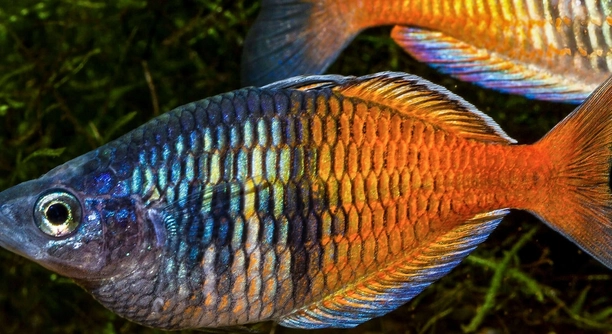
Rainbow fish are beautiful and popular aquarium pets, known for their vibrant colors and lively personalities. However, certain actions can harm them or cause unnecessary stress. Understanding these factors is key to maintaining a healthy aquarium.
To ensure the well-being of your rainbow fish, avoid behaviors such as overcrowding the tank, introducing incompatible tank mates, overfeeding, or making sudden changes to the water parameters. Consistent care is essential for their health and happiness.
By following the right practices, you’ll create a thriving environment for your rainbow fish. This article will highlight seven things you should never do to ensure their long-term health and vibrant beauty.
Overcrowding the Tank
One of the most common mistakes when keeping rainbow fish is overcrowding the tank. It might seem tempting to add more fish for variety, but this can lead to stress, fighting, and poor water quality. Rainbow fish need space to swim, and overcrowding reduces their ability to thrive.
A crowded tank means there is less oxygen available and more waste buildup. This can quickly degrade water quality, making the environment unhealthy for all the fish. Inadequate space can also create territorial disputes, causing unnecessary aggression.
To maintain a healthy aquarium, it’s essential to follow recommended stocking guidelines. A 30-gallon tank can comfortably house a small group of rainbow fish, but avoid exceeding that limit. Larger tanks allow for better water quality and more space for fish to explore. Always keep in mind that happy fish thrive in an appropriately sized tank.
Incompatible Tank Mates
Another mistake is placing rainbow fish with incompatible tank mates. While rainbow fish are generally peaceful, they may not get along with aggressive or overly territorial species. This can lead to stress or injury for your fish.
Rainbow fish do best when paired with other peaceful species, such as tetras or peaceful barbs. Aggressive species may provoke fights, and aggressive behavior can stress out your rainbow fish, leading to health issues.
When selecting tank mates, always consider the size, temperament, and water requirements of all species involved. Compatibility is key to ensuring your rainbow fish feel safe and secure in their environment. A peaceful community tank promotes harmony and better overall health for all inhabitants.
Overfeeding the Fish
Overfeeding is a common issue that can lead to poor water quality and health problems for your rainbow fish. Leftover food can decay quickly, producing harmful toxins and lowering oxygen levels in the tank.
Rainbow fish don’t require a lot of food. Feed them only what they can consume in a few minutes, once or twice a day. Uneaten food can cloud the water and affect fish health. In addition to causing water issues, overfeeding can lead to obesity and digestive problems in fish.
To maintain healthy water, remove any uneaten food promptly. This helps prevent the buildup of waste and toxins. Regular water changes are also essential to keep the environment clean. Keep in mind that a healthy diet, with careful portion control, is key to rainbow fish thriving.
Sudden Changes in Water Parameters
Rainbow fish are sensitive to sudden changes in their water parameters. Rapid shifts in temperature, pH, or hardness can cause them stress and even lead to illness.
It’s important to monitor water conditions regularly, using a reliable water testing kit. If changes need to be made, do so gradually to allow the fish to adjust. Sudden fluctuations can weaken their immune systems, leaving them vulnerable to disease. Additionally, maintaining stable conditions is crucial for their overall health and well-being.
If a water change or adjustment is necessary, aim for gradual transitions. A well-maintained aquarium with stable parameters will keep rainbow fish healthy and vibrant. Regular testing and careful adjustments are essential in preserving a peaceful environment.
Handling Fish Roughly
Handling your rainbow fish too roughly can cause unnecessary stress or even injury. Fish are delicate, and even gentle handling can disrupt their natural balance.
Avoid touching your rainbow fish unless absolutely necessary. If you need to move them, use a net to gently scoop them up. Rough handling can damage their scales or fins, leaving them vulnerable to infection.
The less you handle your fish, the better. If you’re cleaning the tank or doing maintenance, be sure to protect the fish by relocating them temporarily, but always handle them with care when needed.
Using Harsh Chemicals
Harsh chemicals, like chlorine-based cleaners, should never be used around your rainbow fish. These substances can harm the fish and disrupt the water balance.
When cleaning the aquarium, only use products specifically designed for aquatic environments. Harsh chemicals can strip away beneficial bacteria, alter water chemistry, or directly harm your fish. It’s important to use non-toxic cleaning supplies to ensure a safe environment.
Always thoroughly rinse any equipment, decorations, or filters before placing them back in the tank. Keep in mind that even mild chemicals can have an impact on your fish’s health. Proper care and attention will keep your rainbow fish happy and safe.
Not Providing Hiding Spots
Rainbow fish need plenty of hiding spots in their aquarium to feel secure. Without these, they may experience stress, which can lead to health problems.
Providing plants, rocks, or driftwood gives your rainbow fish a chance to retreat when they feel threatened. A few well-placed hiding spots will encourage them to swim freely and explore without feeling exposed. While rainbow fish are generally peaceful, they do appreciate areas to hide when they need some quiet time.
Make sure there are enough hiding spots for all the fish in the tank. This will promote a sense of security and contribute to a calmer, healthier environment.
FAQ
Can rainbow fish live with other species?
Yes, rainbow fish are generally peaceful and can live with a variety of other species, provided they are compatible. They tend to do well with non-aggressive fish that share similar water requirements. Tetras, peaceful barbs, and other community fish are great choices. Avoid placing them with aggressive or territorial species, as this can cause stress and disrupt their well-being.
What is the ideal water temperature for rainbow fish?
Rainbow fish prefer a water temperature between 72°F and 80°F (22°C to 27°C). It’s important to keep the water temperature stable. Too much fluctuation can stress the fish and negatively affect their health. Investing in a reliable heater will help maintain a consistent environment, especially in colder climates or tanks with fluctuating room temperatures.
How often should I feed my rainbow fish?
Feed rainbow fish small amounts once or twice a day. Only offer what they can eat in a few minutes to avoid overfeeding and excess waste. It’s better to underfeed than overfeed, as leftover food can degrade water quality. Variety is key—try offering a mix of high-quality flakes, pellets, and frozen foods.
Do rainbow fish need a filter?
Yes, rainbow fish require a filter to maintain clean water. Filters help remove toxins and debris, keeping the water healthy for your fish. Be sure to choose a filter that’s appropriate for the size of your tank. A gentle current is ideal, as rainbow fish enjoy swimming but don’t thrive in strong currents.
What size tank is best for rainbow fish?
Rainbow fish need space to swim and thrive. A 30-gallon tank is a good minimum size for a small group. For larger groups, consider a 50-gallon tank or more. The bigger the tank, the better the water quality will be, and the more room your fish will have to explore. Always provide adequate space for each fish to ensure they feel comfortable and stress-free.
How long do rainbow fish live?
Rainbow fish typically live for about 5 to 7 years with proper care. Some species can live even longer. To maximize their lifespan, ensure stable water parameters, a balanced diet, and regular tank maintenance. Healthy, happy fish live longer, so providing them with the best care possible is essential for their longevity.
Can rainbow fish tolerate brackish water?
While some species of rainbow fish can tolerate brackish water, it’s not ideal for most. Freshwater conditions are preferred for the majority of rainbow fish species. If you’re thinking about keeping them in brackish water, ensure you research the specific species you’re interested in, as not all rainbow fish thrive in saltwater conditions.
Do rainbow fish need live plants in their tank?
Rainbow fish don’t require live plants, but having them in the tank can offer benefits. Live plants provide hiding spots and help maintain water quality by absorbing nitrates. They also create a more natural environment that rainbow fish enjoy. If you choose live plants, make sure they are non-toxic and suitable for the tank conditions.
What type of water hardness is best for rainbow fish?
Rainbow fish thrive in moderately hard water, with a pH range of 7.0 to 8.0. It’s best to maintain a stable pH level to avoid stressing the fish. Regular testing of water hardness and pH is essential for ensuring the best living conditions. Soft or acidic water may cause issues with their health, so it’s important to adjust accordingly.
Why are my rainbow fish losing color?
If your rainbow fish are losing color, it could be a sign of stress, poor water quality, or an improper diet. Stressors such as poor tank conditions, aggressive tank mates, or sudden temperature changes can cause fading. Make sure the water parameters are stable, provide a balanced diet, and avoid overcrowding. Healthy rainbow fish should have vibrant, glowing colors.
How can I breed rainbow fish?
Breeding rainbow fish requires careful attention to water conditions and tank setup. They prefer slightly acidic to neutral water and a temperature between 75°F and 80°F. Provide them with plenty of plants and gentle filtration. Once the fish spawn, remove the eggs to avoid them being eaten. A separate breeding tank can help ensure the fry have the best chance of survival.
Are rainbow fish good for beginners?
Yes, rainbow fish are generally considered beginner-friendly due to their peaceful nature and easy-to-manage care requirements. However, it’s important to monitor water quality and ensure that tank mates are compatible. If you’re new to fishkeeping, rainbow fish can be a great choice as long as you provide the right conditions.
Can rainbow fish be kept in small tanks?
Rainbow fish need space to thrive, and a small tank can stress them out. A tank smaller than 30 gallons can cause problems, especially when stocking multiple fish. They are best suited for larger tanks where they can swim freely and maintain healthy social behaviors. Always follow stocking guidelines for the best results.
What should I do if my rainbow fish is sick?
If your rainbow fish shows signs of illness, such as faded colors, abnormal swimming behavior, or lesions, first test the water for any imbalances. If the water quality is fine, consider isolating the sick fish in a quarantine tank to prevent the spread of disease. Seek advice from a vet if symptoms persist.
Final Thoughts
Taking care of rainbow fish is a rewarding experience, but it requires attention to detail and consistency. They are generally hardy, peaceful fish that thrive in well-maintained tanks with proper water conditions. To keep them happy and healthy, focus on providing stable temperatures, clean water, and a balanced diet. Regular water testing, feeding in moderation, and ensuring they have adequate space and hiding spots are key aspects of their care. When these needs are met, rainbow fish will flourish and add vibrant colors to your aquarium.
While they are relatively low-maintenance compared to other species, rainbow fish do best in a well-planned tank. Avoiding overcrowding and offering compatible tank mates ensures a peaceful environment. It’s also important to monitor their health closely, as any changes in behavior or appearance could indicate stress or illness. If problems arise, addressing them early can prevent further complications and improve the fish’s chances of recovery. Proper maintenance of the tank—whether it’s routine water changes, cleaning the equipment, or providing proper filtration—will help keep the environment stable for your fish.
In the end, creating an environment that mimics their natural habitat as closely as possible is the best way to ensure long-term health for your rainbow fish. By giving them plenty of room to swim, offering safe places to hide, and keeping water conditions stable, you’ll create a thriving home for these colorful fish. If you follow the right steps, you can enjoy watching them grow, socialize, and showcase their beautiful colors for many years to come.

Hello,
If you enjoy the content that we create, please consider saying a "Thank You!" by leaving a tip.
Every little bit helps us continue crafting quality advice that supports the health, happiness, and well-being of pets around the world, for pets of all shapes, sizes, and species.
We really appreciate the kindness and support that you show us!