
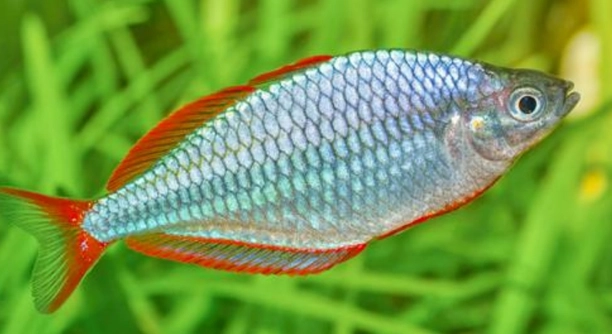
Rainbow fish are known for their beautiful colors and energetic movements in the water. One interesting behavior they exhibit is flicking their bodies. Understanding why they do this can provide a deeper look into their habits and needs.
Rainbow fish flick their bodies primarily to communicate with other fish, assert dominance, or remove parasites from their skin. It is a natural, instinctive response that helps them maintain health and social interactions within their environment.
This flicking behavior serves a key role in their survival. By knowing more about these movements, you’ll gain insight into their health and social dynamics.
Social Interaction
Rainbow fish flick their bodies as a form of communication, particularly when they are interacting with other fish. This flicking can signal various things, from establishing territory to signaling a desire to mate. In a tank with multiple fish, the flicking behavior may be a way for one fish to show dominance or deter others from intruding on their space. It’s a subtle, non-aggressive form of asserting power, helping them avoid physical confrontations. As social creatures, these fish rely heavily on these small movements to maintain their place in the group hierarchy. Even in environments with few fish, the flicking helps maintain a balance of interaction and territory.
Flicking helps rainbow fish with group dynamics, keeping peace without aggressive behavior. This allows them to remain social and cooperative while avoiding conflicts.
When rainbow fish flick their bodies, they may also be responding to the presence of other species in the tank. This behavior shows that they are aware of their surroundings, constantly monitoring both friends and potential threats. It’s a reminder of how much communication happens in the underwater world, even without loud sounds or visual signals. The flick is just one way they show their awareness and adapt to their environment. It keeps them connected to their fellow fish, ensuring the group remains in harmony and that each fish knows its role within the space.
Health Maintenance
Another important reason rainbow fish flick their bodies is to keep themselves healthy. By flicking, they help dislodge parasites and irritants that may have settled on their skin. This natural behavior is crucial in preventing infections, especially in environments where fish live in close proximity. The flicking motion helps remove unwanted particles that could cause harm to their delicate scales. It’s a simple yet effective way for rainbow fish to maintain their well-being, reducing the need for external treatments.
Rainbow fish are prone to skin irritations, making flicking a valuable defense against parasites.
In addition to keeping parasites at bay, body flicking may also play a role in the general maintenance of their skin. When rainbow fish flick, they may be shedding dead skin cells, which helps promote healthy growth and regeneration of new skin. This motion ensures that their outer layer remains in top condition, allowing them to thrive in their environment. A healthy skin layer also contributes to their vibrant colors, as rainbow fish rely on their external appearance to attract mates. The flicking helps maintain their health while preserving the visual appeal that makes them so striking. Regularly flicking their bodies is simply part of their routine for staying in peak physical condition, ensuring they look and feel their best.
Stress Relief
Rainbow fish often flick their bodies as a response to stress. This behavior helps them release built-up tension, much like how humans might stretch or move when they feel uncomfortable. In stressful situations, flicking can act as a coping mechanism, helping them manage their emotions and environment.
When placed in unfamiliar surroundings or when introduced to new tankmates, rainbow fish may feel threatened or uneasy. Their flicking motion can be a sign of anxiety, as they adjust to their new situation. The flick helps them shake off the stress and find a sense of comfort. It’s similar to how animals use movement to ease their nerves.
This behavior is also evident when the water quality in the tank isn’t ideal. If the water temperature, pH levels, or cleanliness aren’t optimal, rainbow fish may flick more often to express discomfort. They are highly sensitive to changes in their environment. When they flick, it is a way for them to manage the discomfort they feel. This simple movement allows them to maintain some level of balance and avoid further stress. By observing this flicking, you can better understand how to create a peaceful environment for them.
Social Hierarchy
In a tank with multiple rainbow fish, flicking their bodies is an essential way to establish and maintain the social hierarchy. It serves as a visual cue for positioning within the group, with dominant fish flicking more frequently to assert their status.
Flicking also works as a form of non-verbal communication to warn others. Fish that flick more often may be signaling that they are in charge, discouraging others from encroaching on their space. This helps minimize direct conflict, allowing the group to interact peacefully without aggression. By flicking, fish reinforce their roles without needing to engage in physical altercations.
Fish that are lower in rank may also flick in response, either to submit to the higher-ranked fish or to avoid further tension. The flicking behavior can be seen as a quiet negotiation, helping maintain harmony. It is a gentle yet clear way of managing social relationships in the tank. If the social balance shifts, you may notice an increase in flicking behavior as fish adjust their positions. By observing this, you’ll understand more about the complex, yet peaceful, social order within a group of rainbow fish.
Feeding Response
Rainbow fish may flick their bodies in response to feeding times. This behavior signals excitement and anticipation as they prepare to receive food. The flicking indicates their alertness and readiness to eat, making it part of their routine when they sense food in the water.
When food is introduced into the tank, rainbow fish might flick and dart around in anticipation. This is their way of preparing for feeding, and it helps them communicate their eagerness to other fish. It’s a subtle movement but shows they’re aware of what’s going on around them. The flick can also increase as the fish compete for food.
Exploration
Rainbow fish may flick their bodies when exploring new areas in the tank. It’s a way of testing their surroundings, especially when encountering unfamiliar objects or changes in their environment. The flick is often part of how they adjust and ensure their safety.
Interaction with Tank Environment
Rainbow fish flick their bodies when interacting with the various elements in their tank, such as plants, rocks, or decorations. This behavior can help them gauge the safety and suitability of their environment, ensuring they feel secure and comfortable within their habitat.
FAQ
Why do rainbow fish flick their bodies?
Rainbow fish flick their bodies for various reasons, including communication, health maintenance, stress relief, and social interaction. Flicking helps them communicate with other fish, especially when establishing territory or social hierarchy. It also assists in removing parasites and irritants from their skin, contributing to their overall well-being. In stressful situations, flicking can help relieve tension and anxiety. It’s a natural response that serves multiple purposes, allowing rainbow fish to thrive in their environment.
Is flicking normal behavior for rainbow fish?
Yes, flicking is completely normal for rainbow fish. It’s part of their natural behavior and serves several important functions. While it may look like a quirky movement, it’s how they manage their social life, health, and interactions with their environment. It’s important to observe the frequency and context of the flicking to ensure the fish are not under stress or dealing with health issues. However, occasional flicking is just a part of their routine, especially when they are adjusting to changes or interacting with other fish.
Can rainbow fish flick too much?
Flicking too much could indicate that something is wrong. If rainbow fish flick constantly or more than usual, it might be a sign of stress, skin irritation, or poor water conditions. Over-flicking can also be a response to parasites or infection. If you notice excessive flicking, it’s best to check the water quality, temperature, and the fish’s general health. In some cases, it may be a good idea to consult an aquarium specialist or veterinarian to address any underlying issues.
What can cause rainbow fish to flick more than usual?
Rainbow fish may flick more than usual due to a variety of factors. Stress from a new environment or tankmates can trigger excessive flicking. Poor water quality, such as improper temperature, pH levels, or the presence of toxins, can also lead to more frequent flicking. Additionally, parasites, skin infections, or physical irritations can make the fish uncomfortable, causing them to flick in an attempt to relieve the irritation. Regularly checking the water and monitoring the fish’s behavior can help identify and address the problem.
How can I reduce flicking in rainbow fish?
To reduce excessive flicking, start by ensuring the water quality in the tank is optimal. Regularly test for pH, ammonia, nitrites, and nitrates, and make sure the temperature is consistent and appropriate for rainbow fish. It’s also important to keep the tank clean and maintain a stable environment to avoid causing stress. If flicking persists, look for signs of parasites or skin issues, and consider isolating affected fish to prevent the spread of infection. Providing plenty of hiding spots can help reduce territorial stress as well.
Is flicking a sign of aggression in rainbow fish?
Flicking can be a sign of aggression, but it’s not always the case. In some instances, rainbow fish may flick to assert dominance or claim territory, especially in a tank with multiple fish. This flicking is often accompanied by other signs of aggression, such as chasing or fin-flaring. However, it can also simply be a way for the fish to communicate non-aggressively, signaling their presence or establishing social rank without direct confrontation. Observing the fish’s behavior closely will help distinguish between dominance and other reasons for flicking.
Do rainbow fish flick when they are happy?
While flicking is commonly linked to other behaviors, rainbow fish may also flick as part of their normal interaction with their environment. In some cases, flicking can indicate a fish is feeling comfortable or engaged with its surroundings. For example, when swimming through plants or when interacting with other fish, they might flick their bodies as a part of their natural movement. This flicking is not necessarily a sign of distress but rather an expression of their routine behavior. However, if the flicking becomes frequent or seems excessive, it’s important to monitor other factors.
Can flicking help rainbow fish find food?
Flicking can play a role in helping rainbow fish locate food. When they flick or dart around, it could be a way of exploring their surroundings, which might include searching for food. Rainbow fish are naturally curious, and their flicking motions may help them probe the water and detect potential food sources. This behavior is most noticeable when food is introduced to the tank, and they begin flicking more as they anticipate feeding time.
Do rainbow fish flick more when they are sick?
Yes, rainbow fish may flick more when they are sick, especially if they are dealing with skin irritations or infections. Flicking is often a way for them to relieve discomfort caused by parasites, wounds, or external irritants. If the fish are flicking excessively and showing other signs of illness, such as faded colors, lethargy, or loss of appetite, it’s important to address the problem immediately. Ensuring proper water conditions and observing the fish closely for other symptoms can help determine if they need medical treatment.
What can I do if my rainbow fish are flicking too much?
If your rainbow fish are flicking excessively, it’s important to first check the water quality in their tank. Poor water conditions, such as high levels of ammonia or incorrect pH, can cause stress and irritation, leading to excessive flicking. Make sure to perform regular water changes, and use a good filtration system to keep the water clean. Additionally, inspect your fish for signs of parasites, wounds, or infections. If necessary, isolate affected fish to treat them separately. Consult an aquarium expert or veterinarian if you’re unsure of how to proceed.
Final Thoughts
Rainbow fish are fascinating creatures with many unique behaviors, and flicking their bodies is one of the most interesting. This natural behavior serves multiple purposes, from communication and social interaction to maintaining health. Understanding why they flick helps you appreciate the complexity of their actions and the way they navigate their environment. Whether it’s a way to communicate with tankmates, assert dominance, or even relieve stress, flicking plays an important role in their daily lives.
While flicking is mostly harmless, it can also be an indication of potential issues. If rainbow fish are flicking excessively, it might be a sign of stress or health problems like parasites or skin irritations. This is why it’s essential to monitor their behavior and the conditions of the tank. By keeping an eye on the water quality and watching for other symptoms, you can ensure your fish remain happy and healthy. Regular maintenance of the tank and prompt action when problems arise can prevent excessive flicking and other issues from escalating.
Overall, the flicking behavior of rainbow fish is an important aspect of their natural instincts. It’s a simple yet vital way they interact with each other and their environment. Whether they’re using it for social reasons, to clean themselves, or as a response to stress, flicking is just one piece of their complex behavioral puzzle. By understanding its purpose, you can create a more peaceful and healthy environment for your fish, helping them thrive and express themselves in the best possible way.

Hello,
If you enjoy the content that we create, please consider saying a "Thank You!" by leaving a tip.
Every little bit helps us continue crafting quality advice that supports the health, happiness, and well-being of pets around the world, for pets of all shapes, sizes, and species.
We really appreciate the kindness and support that you show us!