
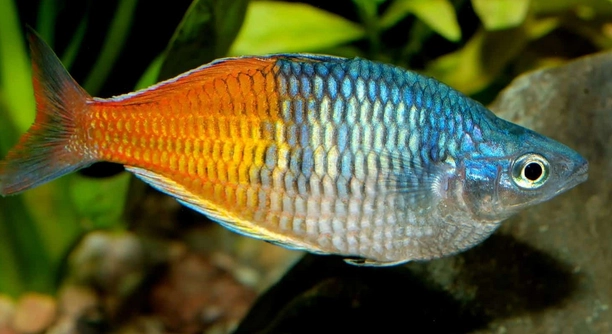
Rainbow fish are beautiful creatures, but they can often be skittish, especially when first introduced into a new tank. Their quick movements and timid nature can make them a challenge to keep calm. Understanding their behavior is key.
To help reduce skittishness in rainbow fish, create a stable and quiet environment. This includes minimizing sudden changes in water temperature, providing hiding spots, and keeping their tank in a low-traffic area. Stress reduction can lead to more relaxed fish.
By following these tips, you can create a calmer environment for your rainbow fish, ensuring their health and happiness.
Create a Stable Environment
Rainbow fish thrive in stable environments. Any sudden changes in water temperature, pH, or salinity can stress them out. To avoid these fluctuations, ensure your aquarium has reliable filtration and temperature control systems in place. Consistent water conditions will help your fish feel more secure. Make sure to monitor the water regularly, and don’t make any drastic adjustments unless necessary.
In addition, keep the tank clean and well-maintained. Regular water changes are essential for keeping the environment healthy. This reduces any unwanted toxins that could affect your fish’s behavior. The more stable the water conditions, the more likely it is that your rainbow fish will remain calm.
Rainbow fish are sensitive to environmental stress. When they feel threatened, they become more skittish and might hide or swim erratically. A stable environment reduces this risk. By investing in quality equipment and maintaining regular cleaning habits, you’ll provide your fish with the best possible living conditions.
Minimize Tank Traffic
Reducing traffic around the aquarium is key to calming rainbow fish. Constant movement outside the tank can cause them to feel nervous. Position the tank in a less-frequented area of the room, preferably away from busy hallways or spaces where people pass by frequently.
Fish that are constantly disturbed are more likely to swim erratically or hide in fear. A peaceful, quiet environment makes a big difference. Rainbow fish, like many species, are naturally curious but prefer their space. Let them explore their environment without unnecessary interruptions.
If possible, choose a spot where the tank won’t be disturbed during the day. The less your fish are startled by outside movements, the calmer they will become. This will help them settle and feel secure enough to show off their natural, beautiful colors.
Provide Hiding Spots
Rainbow fish feel safer when they have places to hide. Use plants, rocks, or decorations to create sheltered areas. This helps them retreat if they feel stressed or scared. Ensure these spots are spread out around the tank, so your fish can choose where they want to rest.
Adding natural-looking decorations can mimic their natural habitat. Rainbow fish tend to be more comfortable when they have the option to hide. These areas allow them to escape from perceived threats, like movement outside the tank or other tank mates that may cause stress. Providing hiding spots encourages a more relaxed environment.
Fish that don’t have hiding spots often swim anxiously or stay in corners. They may avoid the middle of the tank entirely. By adding more structures or plants, you create a sense of security. The more safe spaces they have, the more likely it is they will swim confidently throughout the tank.
Keep the Tank Well-Planted
Plants offer more than just aesthetic appeal. They also provide hiding spaces and surfaces for rainbow fish to explore. Live plants improve water quality, oxygenate the tank, and create a natural environment for the fish. Adding both floating and rooted plants can mimic their natural habitat.
Incorporating plants into your aquarium reduces stress by offering cover and security for your fish. They feel less exposed, and you’ll notice they swim with more ease. When choosing plants, make sure they are compatible with the water conditions your rainbow fish prefer. If plants are properly cared for, they’ll thrive alongside your fish, creating a healthier, happier aquarium.
Planted tanks also offer opportunities for fish to graze on plant matter, further promoting natural behavior. The extra cover allows your rainbow fish to settle and establish territories. While plants need proper care, their presence will lead to healthier fish that are less likely to show skittish behavior.
Avoid Sudden Movements
Rainbow fish are sensitive to rapid changes in their environment. Avoid making sudden movements around the tank, especially when feeding or cleaning. Fish are more likely to get scared and react nervously if they feel threatened. A calm approach helps them feel secure.
If you need to make adjustments in the tank, try to do so slowly and gently. For example, when feeding, approach the tank quietly. Sudden gestures can cause the fish to dart away or hide, disrupting their sense of safety. Keeping movements slow and controlled helps create a calm atmosphere for them.
Maintain Proper Tank Size
Rainbow fish need adequate space to feel comfortable. A tank that is too small will make them feel cramped and stressed. Ensure your aquarium provides enough room for the fish to swim freely. This will reduce the chance of aggressive behavior or skittishness.
In addition to the right size, make sure the tank is not overcrowded. Each fish needs its own space to explore and establish its territory. By giving your rainbow fish enough room, you allow them to swim confidently without feeling cornered or threatened. A spacious tank promotes calm, relaxed behavior.
FAQ
Why are my rainbow fish so skittish?
Rainbow fish tend to be skittish due to stress factors in their environment. This can stem from sudden changes in water conditions, overcrowding, or too much movement outside the tank. Skittishness is also a natural defense mechanism. Fish in unfamiliar or unsafe environments may dart away quickly to protect themselves. Addressing stressors such as poor water quality, high traffic around the tank, or aggressive tank mates can help ease their anxiety.
How can I help my rainbow fish feel more comfortable?
To make your rainbow fish feel more comfortable, ensure their tank provides a stable environment. This means maintaining consistent water temperature, pH levels, and clean water conditions. Adding plants, rocks, or decorations to create hiding spots can also help reduce their stress. Try to keep the tank in a quiet area with minimal movement around it. This will give your fish a sense of security, allowing them to swim freely without fear of sudden disturbances.
What should I feed my rainbow fish to reduce stress?
A balanced diet plays a big role in keeping your rainbow fish healthy and stress-free. High-quality flake food, pellets, or live foods such as brine shrimp are ideal. Offer a variety of foods to ensure they receive proper nutrition. Make sure to feed them in small amounts and remove any uneaten food to keep the water clean. A well-fed fish is more likely to be calm and show natural behavior.
Can tank mates cause rainbow fish to be skittish?
Yes, tank mates can affect the behavior of your rainbow fish. If there are aggressive or overly active fish, they may make your rainbow fish feel threatened. This can lead to skittishness or hiding. Choose peaceful, compatible species that won’t bully your rainbow fish. Keep an eye on interactions between different species to avoid stress.
How do I know if my rainbow fish is stressed?
Signs of stress in rainbow fish include erratic swimming, hiding for long periods, refusal to eat, and faded coloration. If your fish are constantly darting around or seem overly cautious, this could indicate they are not feeling secure. Another sign of stress is if your fish spend a lot of time near the tank’s bottom or corners, avoiding the middle area where they would usually swim. Stress can also lead to more frequent breathing at the water’s surface or clamped fins. Addressing environmental factors is key to reducing stress and helping your fish settle.
Can a filter cause my rainbow fish to be skittish?
Yes, an overly strong filter can cause stress for your rainbow fish. If the water flow is too strong, the fish may struggle to swim and may avoid certain areas of the tank. It’s important to adjust the filter flow or choose a filter that’s appropriate for the size of your tank. A gentle water flow will help keep your fish comfortable without feeling pushed around.
What type of lighting is best for rainbow fish?
Rainbow fish prefer dim to moderate lighting. Bright lights can cause stress, making them more skittish. Consider using adjustable LED lights that mimic natural day and night cycles. You can also use plants and decorations to provide shaded areas where your fish can rest from harsh lighting. Aim to create a light schedule that follows a natural rhythm, allowing your fish to adjust their behavior accordingly.
How can I tell if my rainbow fish is happy?
A happy rainbow fish will swim confidently throughout the tank, interact with other fish, and show vibrant colors. They’ll explore different areas of the tank and respond calmly to changes in the environment. Healthy fish tend to be active and curious. If your rainbow fish is consistently calm, eating well, and displaying bright colors, it’s a good sign they are comfortable and content.
Should I consider adding more rainbow fish to my tank?
Adding more rainbow fish can sometimes help reduce stress, as they are social creatures. However, you must ensure your tank has enough space and that there is no overcrowding. Overcrowding can lead to competition for resources, which might increase skittishness. Ensure there are plenty of hiding spots and swimming areas to accommodate the new fish without causing stress to the current residents. A well-balanced group of rainbow fish can help them feel more secure and relaxed.
Can I use medication if my rainbow fish seems stressed?
Medications should only be used if there is a specific illness or condition affecting your rainbow fish. Stress-related behavior typically resolves once environmental factors are addressed. If your fish’s skittishness is due to stress rather than illness, medications may not be helpful. Before using any medication, try adjusting water conditions, reducing tank traffic, and ensuring they have a comfortable environment. If symptoms persist, consult an aquarium specialist or veterinarian for advice.
How do I handle my rainbow fish when I need to clean the tank?
When cleaning the tank, try to avoid disturbing the fish too much. Use a gentle, slow approach to prevent startling them. You can remove your rainbow fish temporarily if necessary, but make sure to do so carefully and provide them with a safe place to swim during the cleaning process. After cleaning, make sure the water temperature and conditions are stable before reintroducing the fish. This helps prevent added stress and keeps them calm.
What is the best tank size for rainbow fish?
Rainbow fish need plenty of space to swim, so a larger tank is always better. For a small group of rainbow fish, a 20-gallon tank is a good starting point. Larger groups require 30 gallons or more to prevent overcrowding and ensure your fish have enough room to move freely. A well-sized tank helps maintain water quality and allows your fish to feel secure.
Can rainbow fish be trained to calm down?
While rainbow fish cannot be “trained” in the same way as some other pets, they can become accustomed to their environment. Gradually reducing stressors and providing them with a stable and quiet tank can lead to calmer behavior. Consistency is key, and over time, your fish may learn to feel comfortable in their surroundings. They may even become more confident in approaching food or interacting with you. Patience and a calm environment will make a noticeable difference.
Final Thoughts
Rainbow fish are beautiful creatures, but their skittish nature can make them a bit challenging to keep calm. By creating a stable, quiet environment, you can help reduce their anxiety and encourage more relaxed behavior. Pay attention to the water quality, temperature, and the general conditions in their tank. Keeping the environment steady will help your fish feel secure and less likely to swim erratically or hide for long periods. Regular water changes, proper filtration, and the right lighting can make a big difference in their comfort levels.
Adding decorations like plants and rocks can also provide your rainbow fish with hiding spots, which makes them feel safer. These small, natural shelters allow them to retreat if they feel threatened or stressed. Additionally, giving your rainbow fish enough space to swim freely is crucial. Overcrowding can cause tension and make them more likely to become anxious. A spacious tank with plenty of room for each fish to establish their territory encourages healthier, calmer behavior. Be mindful of the number of fish in the tank and the size of your aquarium to avoid creating a cramped environment.
Lastly, be patient with your rainbow fish. They may take time to adjust to their new home, especially if they’ve recently been introduced to the tank. With proper care, a quiet environment, and the right tank conditions, your rainbow fish can become more comfortable and confident. Over time, you’ll likely notice them becoming less skittish and more active in the tank. By reducing stress and providing a calm space for them to thrive, you help ensure they stay healthy and happy for the long term.

Hello,
If you enjoy the content that we create, please consider saying a "Thank You!" by leaving a tip.
Every little bit helps us continue crafting quality advice that supports the health, happiness, and well-being of pets around the world, for pets of all shapes, sizes, and species.
We really appreciate the kindness and support that you show us!