
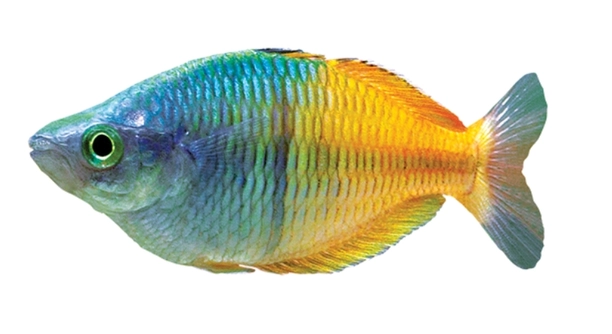
Changing the water and maintaining a healthy environment for your rainbow fish requires more than just a regular cleaning routine. Understanding the best practices can help keep your aquarium vibrant and your fish healthy.
The most effective way to maintain a healthy rainbow fish tank is by performing routine water changes, monitoring water parameters, and removing waste build-up. Regular cleaning ensures proper filtration and prevents harmful toxins from affecting the fish’s environment.
Proper care and routine changes will promote a thriving tank for your rainbow fish, ensuring a safe and clean habitat for them.
Water Quality Management
Maintaining water quality is crucial to keeping your rainbow fish healthy. Regularly testing the water for ammonia, nitrites, and nitrates will help you monitor the tank’s condition. High levels of these chemicals can cause stress, weaken your fish’s immune system, and may even lead to death. The ideal pH for rainbow fish is between 6.5 and 7.5, with water temperatures ranging from 74°F to 78°F. Consistently keeping the water within these parameters will promote overall fish health.
To maintain stable water quality, ensure your filtration system is functioning properly. A good filtration system not only removes debris but also keeps the beneficial bacteria in check. A system that is too strong can harm your fish, while one that is too weak may fail to remove waste.
Performing partial water changes weekly is a great way to prevent a build-up of harmful substances. When doing a water change, make sure to treat tap water with a conditioner to remove chlorine or chloramine before adding it to the tank. This simple practice goes a long way in ensuring the health of your fish.
Tank Cleaning Routine
A regular cleaning schedule can prevent algae growth and harmful bacteria build-up. Perform light cleaning tasks such as removing excess food and debris weekly.
Clean the substrate, plants, and decorations at least once a month. Use a gravel vacuum to suck up waste and uneaten food from the tank’s bottom. This prevents toxins from accumulating, which can impact your fish’s health over time.
Proper Filtration System
A reliable filtration system is essential for keeping your rainbow fish tank clean. It helps remove harmful toxins, debris, and waste that can pollute the water. Regularly check the filter to ensure it’s working efficiently.
Ensure the filter is sized appropriately for your tank. An underpowered filter may fail to clean the water properly, while an oversized filter can create strong currents, stressing out your fish. Consider using a sponge filter for gentle filtration if you have smaller or more delicate fish.
It’s also important to clean the filter regularly to avoid clogging. Remove the filter media every few weeks and rinse it in tank water. Avoid using tap water, as it may kill beneficial bacteria that help maintain a healthy environment. A well-maintained filter ensures cleaner water and a more stable environment for your fish.
Temperature Control
Maintaining the right temperature is key to the well-being of rainbow fish. The ideal water temperature is between 74°F and 78°F. Fluctuations can cause stress and lead to health problems.
Use a reliable aquarium heater to keep the water temperature stable. Make sure the heater is properly sized for the tank to avoid overheating or underheating. Regularly monitor the temperature using a thermometer. This will prevent unexpected spikes or drops in temperature that could harm your fish.
Keep in mind that sudden temperature changes can weaken your fish’s immune system and make them more susceptible to diseases. In case of an emergency, like power loss, have a backup heater ready to prevent your tank from getting too cold. Proper temperature control supports your rainbow fish’s health and longevity.
Routine Water Changes
Regular water changes are essential for maintaining a healthy environment for your rainbow fish. Aim to replace about 10-20% of the water each week to keep toxins from building up.
Performing water changes helps maintain optimal levels of ammonia, nitrites, and nitrates, which can harm your fish. It also refreshes minerals and promotes healthy fish growth.
Avoid Overfeeding
Overfeeding can lead to waste accumulation and poor water quality. Be mindful of the amount of food you provide to your rainbow fish.
Feed them only what they can consume within a few minutes. Leftover food decomposes and contributes to high nitrate levels, affecting the water quality. This also leads to algae growth and stress on your fish.
Tank Lighting
Proper lighting is important for both the health of your plants and the well-being of your fish. Too much light can cause algae bloom, while too little may harm plants.
Use a timer to regulate the light cycle, aiming for about 10-12 hours of light per day. This simulates natural conditions and promotes a healthy tank.
FAQ
How often should I change the water in my rainbow fish tank?
Water changes should be done every week to keep your tank clean and your fish healthy. Aim to change 10-20% of the water. This helps remove toxins like ammonia and nitrates, keeping the environment safe for your rainbow fish. Regular water changes also help maintain the balance of minerals and reduce the risk of algae growth. Make sure to treat the new water with a conditioner to remove harmful chlorine or chloramine before adding it to the tank.
Can rainbow fish live in freshwater?
Yes, rainbow fish are freshwater fish. They thrive in clean, well-maintained freshwater environments. It’s important to keep their water conditions stable, with a pH between 6.5 and 7.5 and temperatures ranging from 74°F to 78°F. They are not suited for saltwater tanks, and the water must be treated properly to avoid harmful chemicals.
What is the ideal tank size for rainbow fish?
Rainbow fish need a minimum of a 30-gallon tank to thrive. A larger tank gives them more space to swim, which is important for their health and behavior. Smaller tanks can lead to stress and aggression, as they don’t have enough room to establish territories. Providing ample swimming space reduces the risk of overcrowding and helps maintain water quality.
Do rainbow fish need a heater?
Yes, rainbow fish need a heater to maintain a stable water temperature. They prefer temperatures between 74°F and 78°F. A reliable aquarium heater is essential for keeping the water warm, especially in cooler environments. Without proper temperature control, rainbow fish may become stressed and vulnerable to disease. It’s also important to use a thermometer to regularly check the water’s temperature.
What should I feed rainbow fish?
Rainbow fish are omnivores, so they need a balanced diet that includes both protein and plant matter. You can feed them high-quality flakes, pellets, and frozen or live food like brine shrimp, daphnia, or bloodworms. A varied diet ensures they get all the necessary nutrients for optimal growth and health. Avoid overfeeding, as uneaten food can deteriorate water quality.
Can rainbow fish live with other fish?
Rainbow fish are generally peaceful and can live with many other species, especially those that are calm and not overly aggressive. They get along well with other peaceful community fish, such as tetras, guppies, and barbs. It’s important to avoid aggressive species that may stress out your rainbow fish or compete for food.
How do I know if my rainbow fish are stressed?
Stressed rainbow fish may display several signs. They might swim erratically, hide more than usual, or show a loss of color. In some cases, stress can lead to health issues such as weakened immune systems, making them more prone to disease. Stress can be caused by poor water quality, aggressive tankmates, or improper water temperature. Regularly monitor their environment to reduce stress factors.
What kind of filter should I use for rainbow fish?
A good quality filter is essential for rainbow fish. It should be able to handle the tank’s size and provide adequate filtration. Canister filters, hang-on-back filters, or sponge filters are good choices for rainbow fish tanks. The filter should be strong enough to remove debris and waste but not so powerful that it creates strong currents, which could stress the fish. Make sure to clean the filter regularly to maintain its efficiency.
Are rainbow fish easy to care for?
Rainbow fish are relatively easy to care for, making them a great choice for beginners. They require stable water conditions, a proper tank size, and a balanced diet. Regular maintenance, such as water changes and monitoring water quality, will help keep them healthy. With the right care, rainbow fish can live for several years in a well-maintained tank.
What are the common health issues for rainbow fish?
Rainbow fish are susceptible to common aquarium diseases such as fin rot, ich, and dropsy. These conditions are often caused by poor water quality, overcrowding, or stress. Regular water changes, maintaining proper water parameters, and feeding a balanced diet can help prevent many of these issues. If you notice any signs of illness, such as unusual swimming patterns, faded colors, or lesions, it’s important to isolate the affected fish and seek treatment promptly.
Final Thoughts
Maintaining a healthy environment for your rainbow fish doesn’t require constant attention, but it does need some regular care. Consistent water changes, proper filtration, and attention to temperature control are essential for keeping your tank in good condition. By staying on top of these basic tasks, you can create a stable environment where your fish can thrive. Rainbow fish are hardy and adaptable, but they still require proper care to stay healthy.
It’s also important to consider the tank’s inhabitants. Rainbow fish are peaceful, but they should not be kept with overly aggressive species. Choosing compatible tankmates will reduce stress and improve the overall well-being of your fish. Creating a balanced, peaceful community tank will allow your rainbow fish to exhibit natural behaviors and colors. When selecting fish, make sure to research their needs and ensure they are suited for the same water parameters as your rainbow fish.
In conclusion, keeping rainbow fish can be a rewarding experience if you follow some basic practices. Regular water testing, proper feeding, and a stable environment will go a long way in ensuring your fish stay healthy and vibrant. With these practices in place, you’ll be able to enjoy a thriving rainbow fish tank for years to come.

Hello,
If you enjoy the content that we create, please consider saying a "Thank You!" by leaving a tip.
Every little bit helps us continue crafting quality advice that supports the health, happiness, and well-being of pets around the world, for pets of all shapes, sizes, and species.
We really appreciate the kindness and support that you show us!