
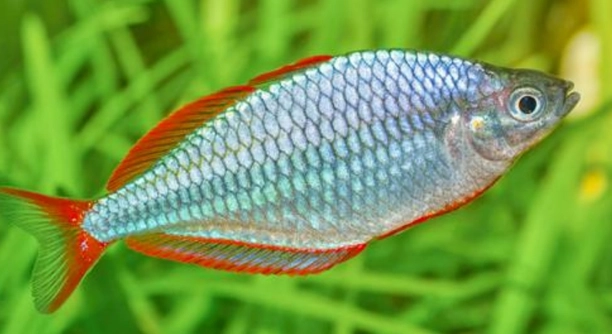
Rainbow fish are known for their vibrant colors and playful nature. Their behavior and health are often influenced by their environment, particularly the water conditions in their tank. Understanding these preferences can help ensure their well-being.
Rainbow fish thrive in clear water, as it provides a more stable environment for them. Clean water supports better visibility and easier navigation, helping them feel secure. Murky water can cause stress and harm their overall health.
Maintaining water quality is essential for rainbow fish. Proper filtration and regular water changes can help keep the water clear and conducive to their natural behavior.
Clear Water: Key to Rainbow Fish Health
Clear water is crucial for the health of rainbow fish. In their natural habitat, they are used to clean, fresh water, which allows them to thrive. Murky water can create an environment that is not only unattractive but also unhealthy for these vibrant creatures. The particles and bacteria in murky water can lead to stress, weakened immune systems, and illness.
To maintain clear water, it’s essential to focus on proper filtration and water changes. Regularly cleaning the tank and using a filter that suits the size of the tank can help remove debris and prevent water from becoming cloudy. Another important factor is monitoring the water temperature. Rainbow fish prefer stable temperatures that do not fluctuate drastically, as this can cause stress.
When water quality is high, rainbow fish will be more active, showing off their bright colors. Healthy water also ensures that their digestive systems work effectively, preventing issues like bloating or constipation. By focusing on keeping the water clear and healthy, you are directly contributing to your rainbow fish’s well-being.
How to Maintain Clear Water for Rainbow Fish
Maintaining clear water in your aquarium requires a few key steps. Start with a reliable filter and perform regular water changes.
A consistent routine of checking water parameters, such as pH and ammonia levels, will help avoid potential issues. Fish waste, uneaten food, and other debris contribute to water cloudiness. Regular tank cleaning ensures a stable environment for your fish.
Properly managing algae growth is also essential. While some algae is natural, excessive amounts can cloud the water and harm your fish. Using an algae scraper and limiting light exposure can help manage algae growth. Make sure to feed your fish only what they can consume within a few minutes to prevent excess waste.
Why Rainbow Fish Dislike Murky Water
Murky water can create an unstable environment for rainbow fish. Suspended particles and poor water quality disrupt their natural behavior. Over time, this stress can affect their physical health and overall vitality.
Fish rely on clean, clear water to navigate their surroundings. When water is murky, it can cause disorientation and confusion, making it difficult for them to find food or communicate with other fish. Poor water clarity also reduces their ability to escape predators or hide when feeling threatened. Keeping the tank clear helps them feel secure and less stressed.
Additionally, murky water can harbor harmful bacteria, which may lead to infections or diseases in your rainbow fish. Bacterial growth can also irritate their gills, leading to respiratory problems. By ensuring your tank stays clean, you minimize the risk of these health issues. Regular maintenance and monitoring water quality are essential for preventing murkiness and maintaining a healthy environment for your fish.
The Importance of Filtration
A good filter plays a significant role in maintaining clean water for rainbow fish. Filtration helps to remove excess debris and harmful substances like ammonia and nitrates, which can build up quickly in a small tank.
When choosing a filter, consider the size of your aquarium. A filter that is too weak won’t adequately clean the water, while one that is too strong may create currents that stress your fish. It’s important to select a filter that balances these needs while maintaining a steady flow of water. Regularly cleaning the filter will also ensure it functions properly and continues to provide the necessary water filtration for your tank.
The right filtration system also helps maintain stable water parameters by keeping the water moving and preventing stagnant spots where toxins can accumulate. Without proper filtration, murky water can develop quickly, leading to poor health for your rainbow fish.
The Role of Water Changes
Regular water changes are essential to keeping your tank clean. They help remove excess waste, toxins, and debris that filtration systems may miss. Changing 10-20% of the water every week is a good starting point.
Water changes not only keep the tank clear but also maintain balanced water chemistry. This prevents harmful substances from building up, ensuring a stable environment for your fish. When performing water changes, always use water conditioners to remove chlorine and other chemicals, making it safe for your rainbow fish.
How to Keep Your Tank Clean
Keeping your tank clean requires a combination of actions. Along with regular water changes, vacuuming the substrate helps remove leftover food and fish waste. Consider adding live plants, as they naturally absorb excess nutrients and help maintain water quality.
Removing dead plants or other organic matter will prevent it from breaking down and polluting the water. Keeping a consistent cleaning schedule will prevent the tank from becoming overrun with debris. This helps maintain a stable, clear environment where your rainbow fish can thrive.
Testing Water Parameters
Testing your water regularly is vital for maintaining a healthy tank. Parameters like pH, ammonia, nitrites, and nitrates can fluctuate, leading to poor water quality. Testing kits allow you to monitor these levels easily.
When water quality declines, it can cause stress to your rainbow fish, making them more susceptible to illness. By regularly testing, you can catch problems early and make necessary adjustments before they affect the health of your fish.
FAQ
Do rainbow fish prefer soft or hard water?
Rainbow fish generally prefer soft to moderately hard water, with a pH range between 6.5 and 7.5. Water that is too hard can stress them, affecting their behavior and overall health. Hard water has a higher mineral content, which can interfere with their ability to maintain proper hydration. It’s best to adjust the water hardness based on your fish’s specific needs for optimal health. Soft water with balanced minerals allows them to thrive, ensuring they stay active and vibrant.
How often should I change the water for my rainbow fish?
Water changes should be done weekly or biweekly, depending on the tank size and stocking level. A good rule is to change 10-20% of the water each week. This helps remove waste, toxins, and excess nutrients from the tank, which can lead to murkiness and poor water quality. Regular water changes prevent harmful buildups and promote a stable environment, which is essential for keeping your rainbow fish healthy. For tanks with heavy fish load or high algae growth, consider doing water changes more frequently.
Can rainbow fish live in tap water?
Rainbow fish can live in tap water, but it’s important to treat it before introducing it to the tank. Tap water often contains chlorine or chloramine, which can be harmful to fish. Use a water conditioner to remove these chemicals and make the water safe. Additionally, tap water may have a high mineral content, so it’s important to monitor the hardness and pH levels. If your tap water is too hard or too alkaline, you may need to adjust it to suit your rainbow fish’s preferences.
What size tank do rainbow fish need?
Rainbow fish require a tank that is at least 30 gallons in size. They are active swimmers, so they need space to move around comfortably. A larger tank also helps maintain stable water parameters, reducing the risk of issues like fluctuating pH levels or excess nutrients. A bigger tank with a well-established filtration system supports better water quality, which is essential for the health of rainbow fish. Providing enough space for them to swim freely also helps reduce stress.
What temperature do rainbow fish prefer?
Rainbow fish thrive in temperatures between 72°F and 78°F (22°C to 26°C). Water that is too cold or too hot can stress the fish, making them more susceptible to disease. It’s essential to maintain a consistent temperature within this range to ensure the fish stay healthy. Invest in a reliable aquarium heater with a thermometer to monitor the temperature regularly. Fluctuations in water temperature can weaken their immune systems and disrupt their natural behavior.
Are rainbow fish aggressive?
Rainbow fish are generally peaceful and non-aggressive. They are ideal for community tanks with other non-aggressive species. However, some species of rainbow fish can exhibit territorial behavior, especially during breeding. If you keep a group of rainbow fish, make sure they have enough space to avoid conflicts. Ensuring your tank is well-planted with hiding spots can also help reduce stress and aggression. In larger groups, rainbow fish are more likely to feel secure and less inclined to exhibit territorial behaviors.
Can rainbow fish live with other species?
Yes, rainbow fish are usually compatible with other peaceful species. They do well with other non-aggressive freshwater fish like tetras, guppies, and Corydoras catfish. It’s important to avoid keeping them with fin-nippers or overly aggressive fish, as this could lead to stress or injury. When introducing new species to a tank with rainbow fish, ensure the other fish have similar water and temperature requirements for a harmonious environment. Choosing fish that are roughly the same size helps prevent bullying or aggressive behavior.
How do I know if my rainbow fish are stressed?
Stressed rainbow fish may display unusual behaviors, such as darting around the tank, hiding excessively, or swimming erratically. They may also stop eating or exhibit signs of illness, such as faded colors or torn fins. Stress can be caused by poor water quality, overcrowding, or aggressive tank mates. To reduce stress, ensure the tank is well-maintained with clear, clean water and provide hiding spots. Observing their behavior regularly will help you identify signs of stress and take action to address the underlying cause.
What should I feed my rainbow fish?
Rainbow fish are omnivores and enjoy a varied diet. Feed them a mix of high-quality flakes, pellets, and frozen or live foods like brine shrimp, daphnia, or bloodworms. It’s essential to provide a balanced diet to maintain their health and vibrant colors. You can also supplement their diet with vegetable matter such as blanched spinach or peas. Feed your rainbow fish small amounts several times a day, ensuring they consume the food within a few minutes. Overfeeding can lead to water pollution and health problems, so always be mindful of portion sizes.
Why are my rainbow fish losing color?
Loss of color in rainbow fish is often a sign of stress or poor water quality. When the water is murky, or the tank conditions are unstable, rainbow fish may become dull or pale. Other factors that can affect their color include improper diet, poor lighting, or illness. To restore their vibrant colors, ensure they are kept in clean water with stable parameters. Provide a well-balanced diet, and check the water for any harmful substances. Reducing stressors and providing a proper environment will help bring out the natural colors of your rainbow fish.
Final Thoughts
Rainbow fish thrive in clean, stable environments, which are key to keeping them healthy and vibrant. Regular maintenance, including water changes, tank cleaning, and testing water parameters, helps prevent common issues like poor water quality or stress. Ensuring that your tank is properly filtered and free from harmful chemicals is essential for the well-being of your fish. A consistent routine is vital for their overall health, making them active and lively. By maintaining a stable environment, you create a home where your rainbow fish can flourish.
Another important factor to consider is the compatibility of rainbow fish with other species. These fish are peaceful and can coexist with other non-aggressive species in community tanks. However, it’s important to monitor the size, behavior, and needs of tank mates to avoid any potential conflicts. Overcrowding or mixing incompatible species can lead to stress, which negatively impacts the fish’s health. Maintaining a balanced and calm tank is essential for everyone to thrive. Choosing appropriate tank mates ensures that your rainbow fish stay happy and stress-free.
Finally, always observe your rainbow fish for signs of stress or illness. Regular checks of their behavior, appearance, and eating habits can help you detect problems early. Stress can manifest in various ways, including loss of color, erratic swimming, or hiding. If any signs of distress occur, take immediate action to address the issue. Whether it’s adjusting water conditions or addressing diet concerns, a prompt response helps maintain their health. A healthy, thriving tank is a direct result of consistent care and attention to your fish’s needs.

Hello,
If you enjoy the content that we create, please consider saying a "Thank You!" by leaving a tip.
Every little bit helps us continue crafting quality advice that supports the health, happiness, and well-being of pets around the world, for pets of all shapes, sizes, and species.
We really appreciate the kindness and support that you show us!