
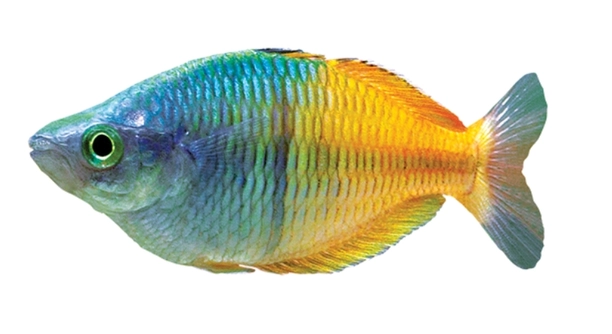
Rainbow fish are often seen lingering in a single spot, seemingly guarding it. This behavior can be intriguing, as it appears to hold meaning beyond simple rest or territorial marking. There’s more behind it.
Rainbow fish exhibit this behavior primarily due to territorial instincts or the need to establish dominance in their environment. This is often associated with mating or defending a chosen space, which they perceive as crucial for their survival.
Understanding the reasons behind this behavior helps in better managing their habitat and ensuring their well-being in aquariums.
Why Rainbow Fish Guard a Specific Spot
Rainbow fish are known to frequently stay in a specific spot in their tank. This behavior isn’t random and usually has a purpose tied to their instincts. When they find a location that seems important, they will often return to it and guard it from other fish. This space may be ideal for them in terms of food, shelter, or even breeding. Understanding the reason behind this behavior can help you provide a better environment for your fish and reduce stress.
Fish tend to be very territorial creatures. The space they guard is important for both feeding and breeding, especially for rainbow fish. A well-established territory helps them feel secure and thrive in their environment.
Rainbow fish will sometimes act aggressively when other fish approach their spot. This can be a sign that the area they are protecting holds significance. If this behavior becomes frequent or overly aggressive, it might be a good idea to rearrange the tank slightly to avoid territorial disputes. Providing hiding spots and a larger space for your fish will ensure that each has room to establish their own space without unnecessary conflict.
Maintaining Harmony in the Tank
When dealing with territorial fish, it’s important to provide adequate space for all.
Adding more hiding places and creating distinct territories can help reduce competition. Rainbow fish, like many other species, feel more comfortable when they have areas to call their own. This allows them to thrive in a peaceful environment.
Understanding Territorial Behavior
Rainbow fish, like many other species, are territorial. They often establish their space to feel safe and secure. When they guard a specific spot, it’s because they view it as important for their survival. This behavior is especially evident in males during mating season, when they protect areas they believe will attract females.
Territorial behavior can cause conflicts in a shared space, especially in smaller tanks. Fish that feel their territory is being threatened might become more aggressive or stressed. In a larger tank with more hiding spots, rainbow fish can still display this behavior without causing harm to others. By ensuring they have enough space to explore and establish their zones, they are less likely to engage in territorial disputes. The space they defend is often a direct reflection of their instincts to find a safe, suitable location for various needs, including mating.
If you notice a rainbow fish acting aggressively toward others, it could be a sign that they are feeling threatened in their space. This behavior is not unusual but can be managed with adjustments to the tank environment. For example, adding plants or rocks can provide additional hiding spots, reducing competition. Fish that have their own space are more likely to be calm and healthy in the long run.
Creating the Right Environment
A properly arranged aquarium can help reduce territorial disputes.
When setting up a tank, consider the number of fish and how much space is available. Rainbow fish prefer areas with both open water and some areas to hide. By adding plants and rocks, you allow each fish to claim their own spot without conflict. A good balance between open space and hiding spots promotes harmony among fish. This not only reduces stress but encourages natural behaviors, ensuring all fish feel secure. If your fish are displaying aggressive tendencies, it’s often due to overcrowding or lack of space.
Providing adequate space will also reduce the chances of overpopulation. Overcrowding can trigger aggressive territorial behavior. In a well-maintained, spacious tank, rainbow fish are able to establish clear boundaries. This helps maintain a peaceful environment where all fish can thrive. A larger tank gives each fish the freedom to explore, claim a territory, and interact with others naturally. Keep in mind that providing plenty of space for all tank residents will make for a healthier aquarium overall.
Impact of Tank Size on Behavior
The size of the tank plays a crucial role in how rainbow fish behave. A smaller tank often leads to more aggressive territorial disputes, as fish feel their space is limited. Providing a larger tank reduces stress and allows for better territorial management, creating a more peaceful environment.
In a spacious tank, rainbow fish can establish their own territories without the need to compete for space. This encourages natural behavior and reduces the chances of aggressive encounters. Larger tanks also allow you to add more plants and rocks, giving the fish plenty of areas to claim as their own.
Observing Male Rainbow Fish
Male rainbow fish are especially territorial. During mating season, they will guard specific spots more aggressively, trying to attract females. This behavior is natural and plays a key role in their reproductive success. Watching this behavior can provide insight into the fish’s social structure.
Territoriality in Mixed Tanks
When mixing different species of fish, it’s important to consider their territorial needs. Some species may not tolerate the presence of rainbow fish in their space. Keep an eye on interactions, and provide ample hiding spots for all fish. The goal is to maintain a peaceful, balanced environment.
FAQ
Why do rainbow fish guard a specific spot?
Rainbow fish are territorial and often guard specific spots in their environment. They may view this area as a safe space for feeding, shelter, or even mating. Males, in particular, are more likely to defend a spot during the breeding season, as they try to attract females. This behavior is part of their natural instinct to secure a location that offers resources and protection.
Can rainbow fish be kept in a community tank?
Yes, rainbow fish can live in community tanks as long as they have enough space and hiding spots. They tend to get along with many other species, but the presence of other territorial fish can cause stress. Ensuring there are enough territories for everyone in the tank will help maintain peace. If the tank is too small, rainbow fish may become more aggressive toward their tankmates.
How can I reduce territorial disputes in my tank?
To reduce territorial disputes, make sure your tank is large enough to give each fish plenty of space. Adding plants, rocks, and other hiding spots will allow rainbow fish to claim their own area. Rearranging the tank occasionally can also help reduce the buildup of territorial behaviors, as it prevents fish from getting too comfortable with a particular spot.
Do rainbow fish need a mate to guard a spot?
No, rainbow fish can guard a spot regardless of whether they have a mate or not. Males may become more protective of their territory when attempting to attract a mate, but they often continue this behavior even when no females are nearby. Territoriality is a natural instinct, not solely tied to breeding.
Are rainbow fish aggressive toward other species?
Rainbow fish are generally peaceful and not typically aggressive toward other species. However, if they feel their territory is being threatened, they can act defensively. This behavior is more common during mating season or when the tank is overcrowded. Ensuring adequate space and hiding spots can reduce aggressive interactions.
How do rainbow fish communicate with each other?
Rainbow fish communicate primarily through body language and movement. They may display more vibrant colors, especially males during mating season, to signal to other fish. They also use subtle gestures, like approaching or retreating from a space, to assert dominance or show submission. The way they guard certain areas is also a form of communication, signaling to others that the spot is occupied.
Can I breed rainbow fish in my tank?
Yes, you can breed rainbow fish in your tank. They usually spawn in the morning and prefer plants or surfaces to lay their eggs on. It’s important to provide plenty of hiding spots to protect the eggs from being eaten by other fish. Keeping the water conditions stable and providing a proper diet will help encourage breeding behavior. If you want to raise the fry, you’ll need to separate the parents from the eggs as rainbow fish may consume them.
What are the ideal water conditions for rainbow fish?
Rainbow fish prefer slightly acidic to neutral water, with a temperature between 72°F and 79°F (22°C to 26°C). The water should be clean and well-oxygenated. Regular water changes are essential for maintaining healthy conditions. A filtration system is recommended to keep the water clear and remove waste.
How often should I feed rainbow fish?
Rainbow fish should be fed small amounts of food 2 to 3 times a day. Their diet should consist of high-quality flakes or pellets, supplemented with live or frozen food like brine shrimp, daphnia, or bloodworms. Overfeeding can lead to poor water quality, so it’s important to avoid excess food.
Can rainbow fish live with other peaceful fish?
Rainbow fish generally do well with other peaceful species that are not overly aggressive. They are social fish, so it’s ideal to keep them in groups. Compatible species include other peaceful community fish like tetras, corydoras catfish, and other small, non-territorial species. Avoid keeping them with very small fish, as rainbow fish may unintentionally harm them.
What should I do if my rainbow fish is displaying aggressive behavior?
If your rainbow fish is displaying aggressive behavior, check for signs of overcrowding or inadequate space. Aggression can often stem from a lack of territories or hiding spots. If possible, increase the size of the tank, rearrange the decorations to disrupt established territories, or add more fish to distribute aggression. Make sure that all fish in the tank have enough space to feel secure.
Do rainbow fish need specific lighting conditions?
Rainbow fish don’t require specific lighting conditions, but they thrive in environments that mimic their natural habitats. Moderate lighting is sufficient. However, they benefit from a day/night cycle, so providing 10-12 hours of light and 12-14 hours of darkness is ideal. This helps maintain their natural behavior patterns.
How long do rainbow fish live?
Rainbow fish generally have a lifespan of 5 to 8 years, depending on the species and water conditions. Providing a stable environment with proper care can help them live to their full potential. Regular water changes, a proper diet, and tank maintenance will all contribute to a longer, healthier life.
Can rainbow fish live in cold water?
Rainbow fish are not cold-water species. They prefer tropical temperatures between 72°F and 79°F (22°C to 26°C). Cold water can cause stress, weaken their immune systems, and lead to health issues. If you live in a cooler climate, a heater is essential to maintain proper water temperature.
Do rainbow fish need a filter in their tank?
Yes, rainbow fish benefit from a filtration system in their tank. A filter helps keep the water clean, removes waste, and ensures a steady flow of oxygen. Rainbow fish prefer well-oxygenated water, and a good filtration system supports their overall health and well-being.
How can I tell if my rainbow fish is stressed?
Signs of stress in rainbow fish can include faded colors, loss of appetite, or erratic swimming patterns. Stressed fish may also hide more than usual or show signs of aggression. Check the water conditions, ensure the tank is not overcrowded, and look for any other environmental factors that may be causing stress.
What are the best tankmates for rainbow fish?
Rainbow fish thrive in a community tank with other peaceful species. Good tankmates include small tetras, corydoras catfish, guppies, and other non-aggressive fish. Avoid aggressive species or fish that may intrude on their territory. It’s best to keep rainbow fish in a school of their own species to promote their natural social behavior.
Final Thoughts
Rainbow fish are fascinating creatures that display interesting territorial behavior. While they may seem to guard a particular spot in their tank, this behavior is rooted in their natural instincts. They establish and protect territories for feeding, mating, and overall safety. In the wild, rainbow fish are accustomed to open environments, but in a confined tank, they try to replicate these conditions by claiming specific spots. Understanding this behavior helps in creating a comfortable and balanced environment for your fish. It also allows you to make better decisions about tank setup, including how to arrange plants and hiding spots.
Providing ample space and resources is key to minimizing aggression and territorial disputes. A well-maintained, spacious tank gives your rainbow fish the freedom to act naturally without feeling overly confined. By offering multiple hiding spots, you reduce the chances of territorial battles. If you observe aggression, it could be a sign that the tank is too small or overcrowded, and adjustments are needed. Ensuring your fish have enough space to claim their territories helps them feel secure and reduces the likelihood of stress.
Overall, caring for rainbow fish involves more than just feeding them. It’s about understanding their behaviors and making sure they live in an environment that supports their natural instincts. With proper care, rainbow fish can thrive in a peaceful community tank. They bring a vibrant splash of color to your aquarium and a fascinating glimpse into the behavior of these territorial, yet peaceful, creatures. A little attention to their environment goes a long way in ensuring they remain healthy and happy in your tank.

Hello,
If you enjoy the content that we create, please consider saying a "Thank You!" by leaving a tip.
Every little bit helps us continue crafting quality advice that supports the health, happiness, and well-being of pets around the world, for pets of all shapes, sizes, and species.
We really appreciate the kindness and support that you show us!