
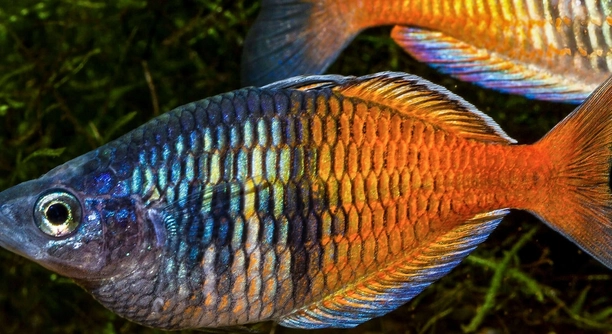
Rainbow fish are often seen swimming together near rocks. Their behavior might seem simple, but there is more to it than just looking pretty in the water. Understanding why they gather can help us learn more about their habits.
Rainbow fish group together near rocks primarily for safety and social interaction. These areas offer protection from predators and provide a stable environment for them to communicate and socialize with other fish. Rocks also provide shelter from strong currents.
The presence of rocks offers rainbow fish a safer space while they interact with others. These gathering spots play an important role in their survival and behavior.
The Role of Rocks in Providing Shelter and Safety
Rocks in freshwater environments are not just part of the scenery—they serve as crucial shelter for rainbow fish. These structures offer a safe space where fish can hide from predators, especially when they feel threatened. By staying close to rocks, rainbow fish can quickly dart into crevices or hide under larger stones when danger arises. This behavior helps reduce the chances of predation. The natural design of these rocks also creates ideal hiding spots where smaller fish can rest without worrying about being seen. Additionally, these shelters provide security from strong currents, giving the fish a stable environment to thrive in.
Rainbow fish tend to use rocks as both a refuge and a social gathering point. While they seek shelter here, the area also serves as a place to interact with other fish. Social behavior plays a large role in their daily life. Rocks, by providing a stable environment, encourage these interactions.
The shelter rocks offer is not just about safety; it impacts the fish’s overall well-being. The presence of rocks provides a break from the stress of open water. In turn, fish can regain energy, explore their surroundings, and maintain healthier interactions with their peers. These rock formations are essential for their survival.
Social Behavior and Group Dynamics
Rainbow fish are social creatures, often seen swimming together in groups. They gather near rocks not only for protection but also for socialization. Grouping up near these structures allows them to engage in behaviors like schooling, which is a natural instinct for many fish species.
By swimming together, rainbow fish create a sense of security among each other. Being in a group offers safety in numbers, reducing the risk of being singled out by predators. It also helps them find mates, as fish are more likely to spot potential partners in groups. This social behavior strengthens their bonds and ensures their survival.
The presence of rocks enhances the group dynamic further. These structures provide a stable base where fish can interact more comfortably. The rocks give them a chance to settle in one area while keeping watch over their peers. In these spaces, they can rest or engage in friendly interactions without feeling exposed.
Protection from Predators
Rocks act as a shield, offering rainbow fish a quick escape from predators. In times of danger, these fish can dart into crevices or hide beneath larger rocks, reducing the chance of being caught. This behavior is instinctive and vital for their survival.
While other fish may swim in open water, rainbow fish prefer the safety and cover that rocks offer. The rocky terrain provides a place to quickly retreat and regroup. This ability to retreat when threatened is crucial for minimizing stress and ensuring the fish stay healthy. Without such cover, they would be more vulnerable to attacks from larger predators.
Rocks also create hiding spots that other fish can’t easily access. These shelters offer a competitive advantage for rainbow fish, allowing them to remain safe in their environment. The rocky areas also provide a calm, stable environment that is necessary for their long-term survival. The rocks are more than just a physical barrier—they’re a key part of their protective strategy.
How Rocks Help with Feeding
Rocks help rainbow fish by providing a surface to graze. They often feed on algae and small organisms found on the rocks, making them a prime feeding area. This allows the fish to stay close to a food source while being protected.
Rocks offer a convenient place to find food without venturing too far from safety. As rainbow fish graze on the algae, they also benefit from the nutrients that rocks provide. Being close to their food source while near cover makes it easier for the fish to stay nourished and safe.
Reduced Stress from Currents
Rocks provide rainbow fish with protection from strong currents. The rocks act as a barrier, breaking the flow of water and creating calmer spaces for the fish to swim. This reduces the stress that comes from fighting against powerful water movements.
Without these rocks, rainbow fish would have to use more energy to swim through strong currents. This constant battle can lead to exhaustion. By staying near rocks, they save energy, ensuring they don’t wear themselves out. These sheltered areas allow the fish to rest and move with less effort.
Breeding and Shelter Needs
Rocks serve as ideal spots for breeding. Many species of rainbow fish use rocks as their nesting sites, laying eggs in the cracks and crevices. This ensures the eggs remain hidden and protected until they hatch.
In addition to providing a breeding ground, rocks also serve as a shelter for young fish. After hatching, baby rainbow fish find safety among the rocks, avoiding predators until they are large enough to venture out. The rocks help ensure that both the eggs and young fish are well-protected during critical stages of development.
FAQ
Why do rainbow fish prefer staying near rocks?
Rainbow fish prefer staying near rocks because they provide both shelter and a safe space. Rocks offer protection from predators, allowing the fish to hide in crevices or under larger rocks when threatened. Additionally, the rocks create calmer waters, helping rainbow fish conserve energy while swimming. This makes it easier for them to navigate their environment without constantly fighting against strong currents. The rocks also serve as a place to socialize, find food, and breed, making them an essential part of the fish’s daily life.
Can rainbow fish live in tanks without rocks?
Rainbow fish can technically live in tanks without rocks, but their well-being may suffer. Without rocks or other forms of shelter, rainbow fish are more exposed to stress, as they lack places to hide when feeling threatened. Rocks also help maintain water flow and provide surfaces for algae and other food sources. Without them, the fish may have a harder time finding food and feeling secure. Adding rocks, even small ones, to the tank can mimic their natural habitat and promote better health and behavior.
Do rainbow fish use rocks for breeding?
Yes, rainbow fish use rocks for breeding. Many species of rainbow fish lay their eggs in the cracks and crevices of rocks. These spots provide a safe place for the eggs to develop and protect them from predators. After hatching, the baby fish find shelter in the rocks, where they remain safe until they are old enough to swim freely. The rock formations in their habitat play a significant role in both their breeding and early life stages.
Are rainbow fish social?
Rainbow fish are social creatures and often form groups, or schools, especially around sheltered areas like rocks. They prefer the company of other rainbow fish and thrive in a group environment. These social interactions help them feel secure and allow them to communicate and interact with one another. Staying in a group provides them with protection against predators and promotes their overall well-being. A solitary rainbow fish might feel stressed and more vulnerable, which could negatively impact its health.
How do rocks affect rainbow fish feeding habits?
Rocks affect rainbow fish feeding habits by providing a surface for algae and small organisms to grow. The fish often graze on these algae and other microorganisms found on the rocks. Staying close to these feeding spots ensures that rainbow fish can nourish themselves without needing to venture far from shelter. The rocks offer a constant, reliable food source, which helps the fish stay healthy and energized. By staying near rocks, rainbow fish reduce the effort needed to find food while also staying protected from predators.
Do rainbow fish prefer rocks or plants in their habitat?
Rainbow fish benefit from both rocks and plants in their habitat. While rocks provide shelter, food sources, and a breeding ground, plants offer additional cover and help oxygenate the water. Plants also contribute to the aesthetic of the tank, creating a more natural environment. Rainbow fish generally prefer environments with both rocks and plants, as it gives them a balanced mix of shelter, food, and space for social interaction. If you only have rocks or plants in the tank, the fish might not feel as comfortable or secure.
Can rainbow fish survive without rocks in a natural habitat?
In the wild, rainbow fish are typically found in areas with plenty of rocks or similar structures. While they can survive in habitats without rocks, these structures provide critical benefits that help their survival. Without rocks, rainbow fish would face higher risks from predators and would have fewer places to find food or rest. The absence of rocks also means they would have less shelter from strong currents. While they might adapt to different environments, rocks are essential to their natural behavior and overall health.
How do rainbow fish use rocks for protection from predators?
Rainbow fish use rocks for protection from predators by seeking refuge in the crevices or beneath larger stones when danger approaches. These hiding spots provide an escape route, making it harder for predators to find them. The rock formations allow the fish to stay out of sight until the threat passes. This is particularly important for smaller or weaker rainbow fish, which may not be able to outrun larger predators. Staying near rocks gives the fish an advantage when avoiding danger and keeps them safe.
Can rainbow fish live in rocky environments with strong currents?
Rainbow fish can live in rocky environments with strong currents, but they prefer calmer areas where they can find shelter. Rocks provide a break in the flow of water, allowing fish to avoid the worst of the current. However, strong currents can be stressful for rainbow fish and may cause them to use more energy to maintain their position. In a tank or natural habitat with strong currents, it’s important to provide areas with rocks or other features that offer refuge from the flow. This gives the fish a chance to rest and conserve energy.
What other species of fish benefit from rocks in their habitat?
Many species of fish benefit from rocks in their habitat, particularly those that need shelter or rely on rocky surfaces for feeding. Fish like cichlids, catfish, and certain species of tetras also take advantage of rocks for protection, breeding, and food sources. In freshwater environments, rocks create stable areas where fish can find shelter and food, much like rainbow fish. For aquarium owners, adding rocks to the tank provides essential resources for a variety of fish species, creating a more natural and comfortable environment for all.
Final Thoughts
Rainbow fish rely on rocks for a variety of important reasons that contribute to their well-being. These rocks provide shelter, allowing the fish to hide from predators when necessary, reducing their stress. The crevices in the rocks offer safe spaces to rest and hide, which is crucial for their survival in the wild or in an aquarium. Being close to rocks helps rainbow fish feel secure and gives them a place to retreat when they sense danger. This is especially important in environments where predators are present or water currents are strong. The presence of rocks offers them a sense of protection and stability, which is vital for their overall health.
In addition to providing shelter, rocks also serve as a food source. Rainbow fish graze on algae and small organisms that grow on these rock surfaces. By staying near rocks, they have easy access to food without needing to travel far. This is an efficient way for rainbow fish to meet their nutritional needs while staying in a safe area. The rocks also help with reducing water flow around the fish, creating a calmer environment where they don’t have to constantly swim against strong currents. This helps the fish conserve energy and stay healthy, especially in aquarium setups where water movement can be controlled to mimic their natural habitat.
The role of rocks in breeding is another important aspect. Many rainbow fish use rocks for laying eggs, finding suitable spots in the cracks and crevices. These spaces provide protection for the eggs, keeping them safe from predators and giving the developing fish a safe environment until they hatch. After hatching, the baby fish often stay near the rocks to avoid danger until they are strong enough to swim freely. The ability to breed and protect their young in such an environment ensures that rainbow fish can continue to thrive. Rocks are more than just decorative; they are a fundamental part of the fish’s lifestyle and survival strategy.

Hello,
If you enjoy the content that we create, please consider saying a "Thank You!" by leaving a tip.
Every little bit helps us continue crafting quality advice that supports the health, happiness, and well-being of pets around the world, for pets of all shapes, sizes, and species.
We really appreciate the kindness and support that you show us!