
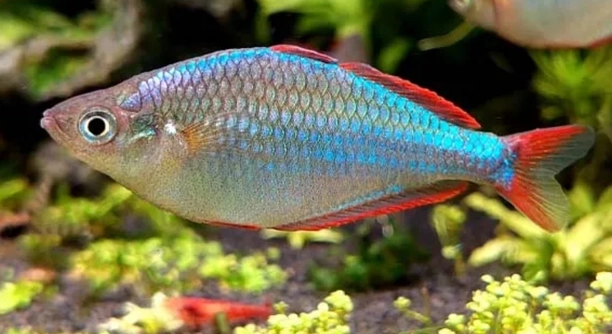
Overcrowding is a common issue in many fish tanks, especially with colorful species like rainbow fish. This can lead to various problems that may affect their health and well-being.
Overcrowding rainbow fish can lead to stress, disease transmission, and poor water quality. Limited space means fish are more likely to compete for resources, which can lead to aggression, stunted growth, and weakened immune systems.
Addressing these issues early on can help improve your rainbow fish’s environment, ensuring they thrive and stay healthy for longer.
Stress from Limited Space
When rainbow fish are kept in overcrowded tanks, stress levels can increase significantly. Stress can make them more susceptible to diseases and can cause behavioral changes such as aggression or hiding. Stress affects their immune systems, which can result in serious health problems.
Adding more space to the tank can provide each fish with its own territory, making them feel safer. You may notice improvements in their behavior, with fish becoming more active and less prone to hiding or fighting.
Fish need enough room to swim and establish territories. When the tank becomes too crowded, the constant competition for space can take a toll on their well-being. Overcrowding often leads to chronic stress, which weakens their immune systems, making them more vulnerable to infections. For rainbow fish to thrive, it’s essential to maintain a proper balance in your tank. Giving them enough space will allow them to swim freely and reduce unnecessary stress. Reducing overcrowding also helps improve the overall water quality and promotes healthier fish in the long term.
Spread of Disease
In crowded conditions, diseases spread more easily. With so many fish in a confined space, any infected fish can quickly transfer illnesses to others.
Without enough room to move, rainbow fish can become more stressed, leading to weaker immune systems and making them more vulnerable to various diseases. Poor water quality, caused by overcrowding, also contributes to the spread of harmful bacteria and parasites. When multiple fish share the same space, germs have a better chance of spreading.
Maintaining proper water quality and reducing overcrowding are key to preventing the spread of disease in your tank. In an overcrowded environment, a single infected fish can contaminate others, causing a rapid spread of illnesses. It’s important to monitor the health of all your fish regularly. Reducing the number of fish in the tank or upgrading to a larger tank can help keep the spread of diseases in check. Regular water changes and tank cleaning are also essential in ensuring a healthier environment for your rainbow fish. Keeping the tank clean and ensuring each fish has space can go a long way in preventing health issues.
Poor Water Quality
Overcrowding can lead to poor water quality. With more fish in the tank, waste accumulates faster, which can make the water more polluted. This can harm the health of your rainbow fish.
Fish waste increases the amount of ammonia, nitrates, and nitrites in the water. High levels of these substances cause stress, irritate the fish’s gills, and may even lead to death. Proper filtration and regular water changes can help, but if the tank is too crowded, even that won’t be enough.
Keeping the tank at an appropriate fish-to-water ratio is essential for maintaining healthy water conditions. You can invest in a stronger filter or add plants to help with filtration. Still, overcrowding places unnecessary pressure on the system. Make sure to monitor water parameters closely. Regular testing of ammonia, nitrite, and nitrate levels can help you stay on top of any issues. If water quality deteriorates due to overcrowding, your rainbow fish will suffer, leading to weakened immune systems and a higher chance of disease.
Stunted Growth
Rainbow fish need enough space to grow to their full potential. When kept in overcrowded tanks, they may become stunted, which affects their size and overall health.
Limited space can lead to slower growth, and it can also impact their behavior. Fish that are stressed and cramped won’t grow as large as those in a more spacious environment. Overcrowding can cause them to feel threatened and constantly compete for resources, which can slow their development.
If you notice that your rainbow fish aren’t growing as expected, overcrowding might be the cause. Stunted growth is often a sign that the tank is too small or the fish are stressed. Providing a larger, more spacious tank will give them the room they need to grow and thrive. Additionally, ensuring that the tank is properly filtered and well-maintained can help support their development. Keeping fewer fish in the tank or upgrading to a larger tank can prevent stunting and improve the overall health of your fish.
Aggression and Territorial Disputes
Overcrowding often results in increased aggression between rainbow fish. When space is limited, fish feel the need to defend their territory, leading to fights and injuries. This behavior becomes more common in crowded conditions.
Fish naturally establish territories to feel secure. In a crowded tank, these territories overlap, creating competition. Fish may fight over food, hiding spots, or mates. Aggressive interactions can cause physical harm and add to the stress. If aggression becomes constant, it can also lead to long-term health issues.
It’s crucial to provide enough space to allow each fish to have its own area. Adding plants, decorations, or partitions in the tank can help create natural boundaries. If aggression persists, reducing the number of fish or upgrading the tank size is necessary. Proper space ensures rainbow fish feel safe and reduces the risk of territorial disputes.
Inadequate Oxygen Levels
Overcrowding affects the oxygen levels in your tank. More fish in a small space consume more oxygen, which can quickly lead to oxygen depletion, stressing the fish and harming their health.
When oxygen levels drop, fish may begin gasping at the surface, indicating a serious issue. This can happen if the tank is overstocked or poorly ventilated. Adding an air pump or increasing surface agitation can help oxygenate the water, but overcrowding remains the root cause.
To ensure healthy oxygen levels, aim to keep the number of fish in line with the tank’s capacity. Increasing tank volume or reducing the number of fish can prevent oxygen shortages.
FAQ
How many rainbow fish can I keep in a 20-gallon tank?
In a 20-gallon tank, you should ideally keep around 6 to 8 rainbow fish. Overcrowding can cause various problems like stress, aggression, and poor water quality. It’s important to follow the general rule of 1 inch of fish per gallon of water, but make sure to leave extra space for swimming and natural behaviors. Providing enough space for each fish is crucial for their health and well-being.
Can rainbow fish live with other species?
Yes, rainbow fish can live with other peaceful species. They are generally non-aggressive and can get along with many other fish, especially those of similar size. However, it’s essential to choose tank mates that won’t compete too much for resources or space. Avoid aggressive fish that might stress the rainbows or disrupt their peaceful behavior. Some good tank mates include tetras, gouramis, and smaller catfish. Always ensure that there’s enough space to prevent territorial disputes.
How can I reduce aggression between rainbow fish?
To reduce aggression between rainbow fish, make sure they have enough space to establish their territories. Overcrowding is one of the main reasons for aggression. Adding plants and decorations helps create hiding spots and natural boundaries, giving each fish its own space. Additionally, ensure the tank is large enough to accommodate the number of fish you have. If aggression persists, you may need to consider reducing the number of fish in the tank.
What can I do if my rainbow fish are not growing?
If your rainbow fish aren’t growing, overcrowding could be the issue. Stunted growth occurs when fish don’t have enough space to swim and develop properly. Make sure your tank size is suitable for the number of fish you have. Also, check the water quality and ensure it’s optimal for their growth. Poor water conditions, such as high levels of ammonia, nitrites, or nitrates, can inhibit growth. If overcrowding is the problem, consider upgrading to a larger tank or reducing the number of fish.
How often should I change the water in a tank with rainbow fish?
Water changes are essential to maintain good water quality for rainbow fish. In a moderately stocked tank, a 25-30% water change once a week should be sufficient. However, if you have a heavily stocked or overcrowded tank, you may need to change the water more often to keep the levels of ammonia and nitrates in check. Always test the water parameters before making changes to ensure it’s necessary. Consistent water changes also help remove excess waste and debris, promoting a healthier environment.
Do rainbow fish need a filter?
Yes, rainbow fish require a filter to maintain clean and oxygenated water. A good filtration system helps remove waste, excess food, and harmful chemicals from the water, keeping the tank environment healthy. Filters also help with water movement, which is important for oxygen exchange. Make sure to choose a filter appropriate for the size of your tank. Regularly clean and maintain the filter to ensure it works efficiently and doesn’t become clogged, which can affect water quality.
Can rainbow fish live in cold water tanks?
Rainbow fish prefer warm water, typically between 72°F and 80°F (22°C to 27°C). They may survive in slightly cooler water, but their health and activity levels will be compromised. Cold water can stress them and make them more susceptible to disease. For the best results, maintain a stable, warm environment for your rainbow fish to thrive. Using a heater in the tank will help keep the water temperature within the optimal range.
How do I know if my rainbow fish are stressed?
Signs of stress in rainbow fish include rapid breathing, hiding, aggression, or a lack of appetite. If your rainbow fish are constantly hiding or swimming in a corner of the tank, it could indicate that they’re feeling threatened or cramped. You may also notice unusual swimming behavior, such as erratic movements or rubbing against objects. If water quality is poor, stress-related symptoms may increase. Keep an eye on your fish’s behavior, and take steps to improve their environment if needed.
What kind of food should I feed my rainbow fish?
Rainbow fish are omnivores and will eat a variety of foods. A balanced diet should include high-quality flakes or pellets designed for freshwater fish, along with occasional treats like live or frozen brine shrimp, daphnia, or bloodworms. You can also offer small amounts of vegetable matter like blanched spinach or zucchini. Feeding a variety of foods ensures that your rainbow fish get all the necessary nutrients to stay healthy. Be careful not to overfeed, as excess food can pollute the water.
How long do rainbow fish live?
Rainbow fish typically live for 3 to 5 years, although some species can live longer with proper care. The lifespan of your rainbow fish depends on factors like water quality, tank size, diet, and overall stress levels. Ensuring that their tank is not overcrowded and maintaining good water conditions will help extend their life expectancy. Regular health checks and a balanced diet also play important roles in keeping your rainbow fish healthy for a longer time.
Are rainbow fish easy to care for?
Rainbow fish are relatively easy to care for, making them a good choice for beginner aquarists. They are hardy and can tolerate a range of water conditions, but they still require proper care to thrive. Providing them with adequate space, maintaining good water quality, and feeding them a balanced diet are essential. While they are low-maintenance fish, overcrowding, poor water conditions, and improper tank mates can lead to problems. As long as you give them a stable, clean environment, they’ll thrive.
Can rainbow fish be kept with shrimp?
Yes, rainbow fish can generally be kept with shrimp, especially species like Amano shrimp or cherry shrimp. However, some rainbow fish, particularly larger species, may see shrimp as food. Smaller or baby shrimp can be at risk if kept with larger rainbow fish. To ensure a peaceful cohabitation, make sure your rainbow fish are not overly aggressive, and provide plenty of hiding spots for the shrimp. It’s also best to monitor the tank to ensure the shrimp aren’t being picked on.
Final Thoughts
Overcrowding is a serious issue that affects the health and well-being of rainbow fish. When there are too many fish in a tank, it leads to stress, poor water quality, and even aggression. Rainbow fish, like all fish, need enough space to swim, establish territories, and feel safe. If the tank is overcrowded, their behavior changes, and their growth can become stunted. It’s important to consider the size of your tank and the number of fish living in it, as well as the specific needs of the species you’re caring for.
Keeping the right balance in your aquarium is essential. Regular water changes, good filtration, and ensuring the tank has enough space are all vital for the health of your rainbow fish. If you notice signs of stress, aggression, or disease, it may be time to reduce the number of fish or upgrade to a larger tank. A clean and spacious environment will help your rainbow fish thrive, grow to their full size, and live longer, healthier lives. Overcrowding is something that can be easily avoided by understanding the needs of your fish and taking proactive steps.
By paying attention to these details and creating a suitable environment, you can help your rainbow fish lead a happy life. While they are relatively low-maintenance compared to other species, they still need care and attention. Avoiding overcrowding, keeping water conditions stable, and feeding them a proper diet will ensure that your fish live in the best conditions possible. With the right tank size, a little planning, and regular maintenance, your rainbow fish will be healthy and vibrant for years to come.

Hello,
If you enjoy the content that we create, please consider saying a "Thank You!" by leaving a tip.
Every little bit helps us continue crafting quality advice that supports the health, happiness, and well-being of pets around the world, for pets of all shapes, sizes, and species.
We really appreciate the kindness and support that you show us!