
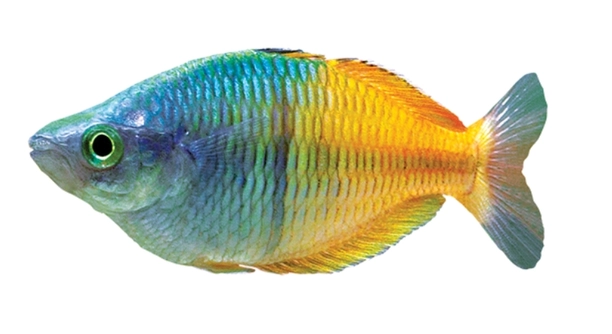
Rainbow fish are known for their vibrant colors and lively personalities, often found swimming in groups. But how do they interact within their communities? Are they capable of forming social structures like hierarchies?
Rainbow fish exhibit social behaviors, with some species forming social hierarchies. These hierarchies can depend on factors such as size, dominance, and aggression, allowing individuals to establish roles within their groups for better access to resources.
Understanding how rainbow fish interact can reveal fascinating insights into their social dynamics. The different ways they communicate and organize can tell us much about their behavior in the wild.
Understanding Rainbow Fish Behavior
Rainbow fish are social creatures, often seen swimming together in schools. These fish have a unique way of interacting with each other, and their social dynamics can be quite fascinating. In the wild, they live in groups that help protect them from predators and make it easier to find food. Social structures in these schools can vary, with some fish taking on more dominant roles while others may be more passive. Understanding their behavior involves looking at how they communicate with one another, whether through color changes, body language, or even swimming patterns. Each fish plays a role that contributes to the overall harmony of the group, allowing them to thrive together.
Fish in schools often form relationships based on factors like size and temperament. Larger or more dominant individuals may take charge, while smaller or more submissive fish may follow their lead. These relationships help maintain order in their community.
The structure within a rainbow fish group is not rigid but flexible. It can change based on the fish’s age, size, or even health. Dominant fish often secure prime feeding spots and are more likely to reproduce. However, subdominant fish can still find ways to thrive by learning from the leaders and staying alert to changes in the group’s hierarchy. These subtle interactions are essential for the group’s survival, ensuring resources are shared and the community remains stable. Each fish’s role is vital to keeping things balanced within the school.
Factors That Influence Social Hierarchy
The hierarchy among rainbow fish is affected by various factors. These include the availability of food, the size of the group, and even the physical condition of each fish. A dominant fish often has priority access to resources, while weaker or smaller fish may need to wait for their turn.
Size and aggression are two of the main factors that determine the social order. Larger fish are typically more dominant and can establish themselves as leaders. They may control the best spots for feeding or shelter. Aggression also plays a significant role in establishing dominance. Fish that display more aggressive behaviors are often able to claim territory and keep other fish at bay. However, this dominance is not always permanent. Other fish may challenge the dominant individual, especially if they become larger or healthier. This constant reshuffling ensures that the hierarchy remains dynamic and responsive to the needs of the group.
Dominance and Competition
Dominance in rainbow fish is often established through physical displays and behavioral cues. These fish can be very competitive when vying for the best resources, such as food or breeding opportunities. This competition helps determine their place within the group.
When a rainbow fish challenges another for dominance, it usually involves aggressive behaviors like chasing or flaring its fins. The larger, stronger fish tend to win these battles, gaining control of the prime spots. However, the competition doesn’t always result in permanent dominance. It can shift as fish grow or become weaker. The flexibility in this social order allows for a more adaptable and resilient group dynamic. The most dominant individuals tend to take the lead in securing resources and mate selection. Over time, this behavior helps sustain their place at the top of the hierarchy.
These power struggles are not constant but occur in cycles. Rainbow fish may engage in more intense competition during certain seasons, especially when resources are scarce or when there is a higher demand for breeding. Despite their aggressive behavior, these fish generally don’t harm one another; instead, they rely on social cues and displays to resolve disputes without significant injury. The balance in this competitive system benefits both the dominant and subordinate fish by promoting a healthy, sustainable group structure.
Social Bonds and Group Stability
Rainbow fish thrive in groups due to the stability provided by their social structure. The bonds formed between fish help them feel secure and work together to maintain a safe environment. Their interactions aren’t just about competition but also cooperation.
By swimming together, rainbow fish reduce the risk of being singled out by predators. The group acts as a protective shield, with fish moving in synchrony to confuse threats. The hierarchy within the group ensures that dominant fish lead the way, guiding the others to safety. Even in a competitive environment, the fish learn to cooperate, especially when it comes to finding food or avoiding danger. This balance of competition and cooperation strengthens the overall stability of the group.
Fish in the lower ranks still play an important role. They may not get the best food or the top breeding spots, but they contribute to the group’s success by staying alert and maintaining the school’s integrity. This subtle teamwork fosters a sense of unity that makes the entire group stronger and more resilient. Despite the dominance hierarchy, cooperation ensures that the group remains cohesive and functional.
Hierarchy and Breeding
Breeding among rainbow fish is closely linked to their social structure. The most dominant individuals often have better access to mates, increasing their chances of reproducing. This is a key factor in how the hierarchy is maintained.
Dominant fish tend to secure the best breeding sites. These fish often display vibrant colors or perform complex swimming patterns to attract mates. While the top individuals reproduce most frequently, lower-ranking fish also breed, though they may have fewer opportunities. The social hierarchy affects the overall reproductive success of the group, ensuring genetic diversity.
The competitive nature of their breeding process ensures that the strongest and most dominant genes are passed on. This natural selection reinforces the importance of hierarchy, allowing the group to maintain its structure through generations.
The Role of Subordinate Fish
Subordinate fish in the group have a unique role in maintaining balance. While they may not lead the school, their position is essential for the social structure. These fish help stabilize the group by supporting the dominant individuals.
Subordinate rainbow fish often find food and shelter by staying close to the dominant fish. Their position in the hierarchy may limit their access to prime resources, but it also protects them from the dangers of being isolated. They contribute to the group by maintaining the stability of the school, ensuring that it functions well as a unit.
Aggression and Social Bonding
Aggression among rainbow fish is a necessary part of their social behavior. Though it may seem harsh, these interactions are vital for establishing and maintaining the social hierarchy. Dominant fish assert their place, while subordinates learn their role in the group.
This aggression is not constant but happens in short bursts. It helps set boundaries within the school, creating a sense of order. While aggression plays a role in dominance, it is not overly violent. Rainbow fish typically avoid inflicting lasting harm on each other. This balance allows them to form social bonds that hold the group together.
FAQ
Do rainbow fish live in groups?
Yes, rainbow fish are social and typically live in groups. They prefer to swim together as a school, which provides protection from predators and helps with finding food. Living in groups also supports their social behaviors, including dominance and cooperation, which are essential for their survival and overall well-being.
How do rainbow fish establish dominance?
Rainbow fish establish dominance through physical displays and behaviors. Larger or more aggressive fish tend to dominate others by chasing or showing off their size and strength. These displays help establish the pecking order within the group. Dominant fish usually have access to the best resources, including food and breeding mates, while subordinate fish take a step back in these areas.
What factors influence the hierarchy in rainbow fish?
The hierarchy in rainbow fish is influenced by several factors, including size, aggression, and health. Larger, stronger fish are more likely to assert dominance, while weaker or smaller fish may fall to the bottom of the social order. Environmental factors like food availability and breeding opportunities also play a role in how the hierarchy is structured.
Do rainbow fish fight with each other?
Yes, rainbow fish do engage in fights, but these are generally not harmful. Aggression is common during challenges for dominance, with fish using displays like chasing, fin flaring, or body posturing. These fights typically don’t result in serious injury, as the fish rely on intimidation and not direct physical harm to establish their place in the hierarchy.
How does the social structure affect breeding?
Breeding in rainbow fish is closely tied to the social hierarchy. Dominant fish have the best access to mates and are more likely to reproduce. They often use their size and colors to attract females. However, subordinate fish still get the chance to breed, though not as frequently as the dominant individuals. The social structure helps maintain genetic diversity within the group.
Are there any benefits to being a subordinate rainbow fish?
Yes, being a subordinate rainbow fish has its benefits. While they may not get the best resources, they often remain safer in the group. Subordinate fish benefit from the protection of the dominant fish and are less likely to be targeted by predators. They also learn from the dominant individuals, which helps them navigate their environment and survive.
Do rainbow fish have any social bonds?
Yes, rainbow fish do form social bonds, though these are not as deep as those in some other species. They communicate with each other through body language, color changes, and movement within the school. These bonds help the group stay together and function as a unit. Dominant fish lead the group, but all members contribute to its stability.
Can the social hierarchy change over time?
Yes, the social hierarchy in rainbow fish is not fixed and can change over time. As fish grow, mature, or change in health, their position in the hierarchy may shift. Younger, smaller fish may eventually grow large enough to challenge dominant fish, leading to changes in the group’s structure. This flexibility helps maintain a balanced and adaptive social system.
How do rainbow fish communicate with each other?
Rainbow fish communicate primarily through visual signals. Their bright colors, fin movements, and body postures play a significant role in signaling aggression, submission, or interest in mating. They may also use subtle movements and swim patterns to indicate their intentions or status within the group. This visual communication helps maintain order within the social structure.
Do rainbow fish form friendships?
Rainbow fish do not form friendships in the way humans or some other animals might. However, they do form loose social bonds that help the group stay together. These bonds are more about maintaining stability in the school rather than forming personal connections. Each fish knows its place in the social structure, contributing to the group’s overall success.
What happens when a dominant fish is removed from the group?
When a dominant rainbow fish is removed, the social hierarchy may shift. Another fish may challenge for the dominant position, leading to a temporary increase in aggression and competition. This shift is a natural part of their social system and helps maintain the group’s balance. Eventually, a new leader will emerge, and the hierarchy will stabilize again.
Final Thoughts
Rainbow fish are fascinating creatures, not only for their colorful appearance but also for their social behaviors. Their ability to form social hierarchies is an important aspect of their survival and well-being. Within a group, rainbow fish interact through displays of aggression, competition, and cooperation, with each fish playing a role based on size, strength, and temperament. These hierarchies help the group stay organized, ensuring resources are distributed in a way that supports the overall health of the community. In these groups, fish work together to avoid predators, find food, and reproduce, each following a balance of competition and cooperation.
The social structure in rainbow fish isn’t rigid. It’s flexible and can shift over time as fish grow, change in health, or experience new challenges. The dominant fish may maintain their position for a while, but others can rise in rank when the opportunity presents itself. This fluidity is what keeps their social system adaptable, allowing the group to thrive even when environmental conditions or individual circumstances change. For rainbow fish, this adaptability is key to their success in the wild, as it ensures that the strongest genes are passed on while still giving all fish a chance to thrive within the group.
While their social interactions can seem competitive, it’s clear that these fish rely on each other for protection, stability, and survival. Their behavior highlights how important social structures are in nature, even for creatures as small as rainbow fish. Understanding these dynamics not only helps us appreciate their unique qualities but also gives us a better understanding of how fish interact and organize in the wild. Through their social behaviors, rainbow fish show us how competition and cooperation can work together to maintain harmony and support the group’s overall success.

Hello,
If you enjoy the content that we create, please consider saying a "Thank You!" by leaving a tip.
Every little bit helps us continue crafting quality advice that supports the health, happiness, and well-being of pets around the world, for pets of all shapes, sizes, and species.
We really appreciate the kindness and support that you show us!