
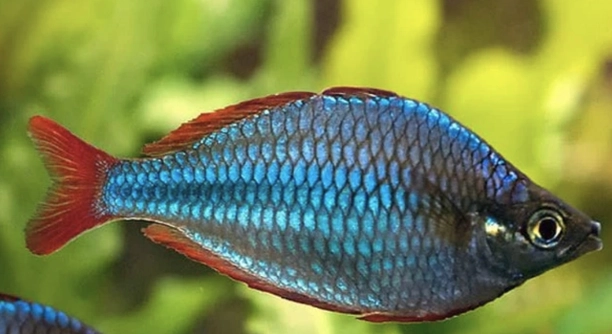
Rainbow fish are known for their vibrant colors and energetic movements, but sometimes, you may notice them chasing food without actually eating it. This can be puzzling, especially when you’re trying to keep them healthy and well-fed.
The behavior of rainbow fish chasing food but not eating it is often caused by stress, environmental factors, or competition for food. Fish may also exhibit this behavior if the food is too large or if they are unfamiliar with it.
Understanding why your rainbow fish act this way is key to creating a better environment for them. We’ll explore the common reasons behind this behavior and offer practical tips for improving their feeding habits.
Common Stressors for Rainbow Fish
Rainbow fish are highly sensitive to changes in their environment. Stress can cause them to act erratically, such as chasing food but not eating it. Factors like sudden shifts in water temperature, poor water quality, or overcrowding can trigger this behavior. When fish are stressed, they may become less interested in food or reluctant to eat, even if the food is right in front of them. Their heightened stress levels affect their natural feeding instincts, leading to behaviors like chasing food but not consuming it. It’s important to maintain stable water conditions and avoid sudden changes that could unsettle your fish.
Stress doesn’t just come from environmental factors. Other fish in the tank might also contribute to a stressful atmosphere, especially if there is competition for food or territory. The rainbow fish might be too intimidated or distracted to eat properly.
Ensuring your fish have a peaceful environment is essential. Consider checking your tank’s water temperature, pH level, and nitrate levels. Regular water changes and monitoring your fish’s health are crucial steps in reducing stress. Also, avoid overcrowding the tank, as too many fish can lead to competition, making your rainbow fish anxious. When your fish feel comfortable, their feeding habits will improve, and you’ll see them eating normally again.
Food Size and Type
Another reason rainbow fish may chase food but not eat it is because of the size or type of food being offered. If the food is too large or not to their liking, they might not recognize it as something they want to eat. This can happen when offering pellets, flakes, or even live food that’s outside their typical diet.
Consider adjusting the size and type of food offered to your fish. Opt for smaller, bite-sized portions, or try different types of food to find what your rainbow fish prefer.
Competition for Food
In tanks with multiple fish, competition for food can affect rainbow fish’s eating habits. They may chase food in a frantic manner but struggle to get to it before others do. This can result in the fish becoming overwhelmed and not eating at all. If the food isn’t distributed evenly or some fish dominate feeding time, it might prevent your rainbow fish from eating.
To ensure your rainbow fish get enough food, try feeding them in different areas of the tank. You can also offer food in smaller portions over time to avoid overcrowding during mealtime. If possible, feed them during times when other fish are less active.
Another useful tip is to introduce a variety of foods in different forms. This way, you can help reduce the chance that one fish is hogging the food. You can also make feeding time more peaceful by spreading out the food, so everyone has an equal opportunity to eat.
Feeding Time and Tank Environment
Feeding time and the overall tank environment play a large role in how rainbow fish behave during meals. A calm environment is key. If the tank is too chaotic, with high water flow or too many distractions, your rainbow fish might not feel comfortable enough to focus on food.
Consider adjusting the water flow to a moderate level to avoid creating strong currents that might make it difficult for your fish to get to their food. Also, keep the tank’s environment quiet during feeding times, ensuring that the fish aren’t startled by noise or movement.
Water Quality Issues
Rainbow fish are sensitive to water conditions, and poor water quality can lead to them avoiding food. High levels of ammonia, nitrites, or nitrates in the tank can make the fish feel stressed or unwell, affecting their appetite. Regular water testing is essential to avoid this problem.
Maintaining clean water is key to preventing stress and encouraging healthy eating habits. Perform routine water changes and monitor parameters like pH, hardness, and temperature to keep everything in check. Even minor fluctuations in water quality can significantly impact your fish’s health and feeding behavior.
Illness and Health Concerns
If rainbow fish are unwell, their behavior may change, including their reluctance to eat. Illnesses or parasites can cause a lack of appetite, leading them to chase food but not consume it. Keep an eye on your fish for any signs of sickness, such as lethargy or changes in color.
If you suspect your fish may be sick, isolate the affected fish and consult an aquatic veterinarian for a proper diagnosis. Providing a stress-free environment and proper nutrition can support their recovery and restore their normal feeding behavior.
FAQ
Why do rainbow fish chase food but not eat it?
Rainbow fish may chase food but not eat it due to various reasons, including stress, water quality issues, competition for food, or unfamiliarity with the food being offered. Stress from changes in water parameters, tankmates, or even tank conditions can make them too distracted to eat. Sometimes, the food is too large, too unfamiliar, or simply not appealing to them. Ensuring stable water quality, providing smaller food portions, and minimizing tank stress can help resolve this issue.
What can I do if my rainbow fish are stressed?
If your rainbow fish are stressed, start by checking the water quality. Ensure that the temperature, pH, and other water parameters are stable. Try reducing the light intensity and avoid sudden movements around the tank. If your fish are overcrowded, consider removing some of them or upgrading the tank size to give each fish enough space. Regular water changes and proper filtration can help maintain a healthier and calmer environment for your fish.
Can rainbow fish not eating be a sign of illness?
Yes, when rainbow fish are not eating, it can sometimes indicate illness. Illnesses such as parasites or internal infections can cause a lack of appetite. Infected fish may exhibit other symptoms, such as lethargy, faded colors, or abnormal swimming patterns. If your fish continue to refuse food and show signs of distress, it’s best to isolate them and consult an aquatic veterinarian for diagnosis and treatment.
Should I feed rainbow fish once or twice a day?
Rainbow fish thrive when fed in smaller, more frequent meals. It’s best to feed them two or three times a day, providing them with enough food to consume in a few minutes each time. Overfeeding or feeding too large amounts at once can stress them out and lead to uneaten food, which can cause water quality issues. Consistency in feeding time can also help keep their feeding habits regular.
Can water temperature affect rainbow fish’s appetite?
Yes, water temperature can significantly impact rainbow fish’s appetite. If the water is too cold or too warm, it may cause them to become sluggish or stressed, affecting their desire to eat. Ideal temperatures for rainbow fish generally range between 72-78°F (22-25°C). Temperatures outside of this range can lead to lethargy or reduced feeding. Keeping the tank at a steady, appropriate temperature can encourage your fish to eat regularly.
What type of food do rainbow fish prefer?
Rainbow fish are omnivores and typically prefer a varied diet. Offer them a mix of high-quality flakes, pellets, and live or frozen foods such as brine shrimp, daphnia, or bloodworms. This variety ensures they receive balanced nutrition and prevents them from getting bored with the same food. It’s also important to make sure the food is small enough for them to easily consume.
Can tankmates affect rainbow fish’s eating behavior?
Tankmates can certainly influence rainbow fish’s feeding behavior. If there are aggressive fish or overly dominant species in the tank, rainbow fish may become anxious and hesitant to eat. They might also be intimidated during feeding times. To avoid this, ensure that tankmates are peaceful and that there’s enough space around feeding areas for all fish to access food.
How long can rainbow fish go without food?
Rainbow fish can generally go without food for about 3 to 5 days without any significant harm, although it’s not ideal for their health in the long term. Extended periods without food can lead to malnutrition or weakened immune systems, especially in young or small fish. If you plan to leave for a few days, make sure someone can feed your fish in your absence, or use an automatic fish feeder.
Can rainbow fish eat too much?
Yes, rainbow fish can overeat, especially if they’re consistently offered more food than they can consume in one sitting. Overfeeding can lead to poor water quality, as uneaten food decomposes and increases the risk of harmful toxins in the tank. It’s important to feed them small portions that they can finish in a few minutes, and avoid leaving excess food in the tank.
Why are my rainbow fish ignoring the food?
Rainbow fish may ignore food for several reasons, including stress, illness, unfamiliar food, or overfeeding. If the fish are stressed, they might not be focused on eating. Similarly, if the food is new or too large, they might not recognize it as a food source. Consider trying different types of food or adjusting the feeding routine to see if that encourages them to eat.
Final Thoughts
Rainbow fish are active, colorful creatures that are generally easy to care for. However, when they chase food but don’t eat it, it can be frustrating for any fishkeeper. The key to solving this issue lies in understanding the potential causes, which range from stress and poor water quality to competition for food or health issues. By observing their behavior closely, you can identify what might be affecting them and take steps to improve their feeding habits.
One of the first things to check when dealing with this behavior is the tank environment. Ensuring that the water is clean, the temperature is stable, and there is minimal stress from tankmates or external factors is essential. Stressful conditions can make rainbow fish hesitant to eat, causing them to focus more on their surroundings than on the food. You should also consider the size and type of food you’re offering, as fish may refuse to eat if the food is too large or unfamiliar. Offering smaller portions more frequently and trying different types of food can help encourage them to eat.
Ultimately, patience is key when it comes to rainbow fish feeding behavior. If you address the environment and food issues, most fish will return to their normal eating habits. If the problem persists, it could be a sign of illness, and it’s important to monitor your fish closely for any other symptoms. By taking a balanced approach and adjusting the tank conditions, you can help your rainbow fish thrive and enjoy a healthy, active life.

Hello,
If you enjoy the content that we create, please consider saying a "Thank You!" by leaving a tip.
Every little bit helps us continue crafting quality advice that supports the health, happiness, and well-being of pets around the world, for pets of all shapes, sizes, and species.
We really appreciate the kindness and support that you show us!