
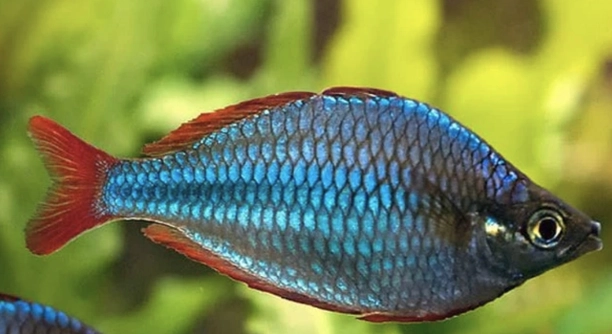
Rainbow fish are popular in aquariums, but many fish owners unknowingly overfeed them, leading to various health issues. Overfeeding can be tempting, but understanding the consequences of it can help you maintain a healthy and thriving tank.
Overfeeding rainbow fish can lead to a number of negative effects, including poor water quality, obesity, and an increased risk of disease. This can shorten their lifespan and harm other fish in the aquarium as well.
Knowing how to properly feed your rainbow fish is essential for their well-being. It helps maintain a clean environment and ensures they stay healthy for longer.
Overfeeding Leads to Poor Water Quality
When you overfeed rainbow fish, the excess food decays in the water, raising the levels of ammonia, nitrites, and nitrates. These toxins make the water unsafe for fish, leading to stressed or sick fish. Poor water quality can affect the entire aquarium ecosystem, including plants and other animals. Fish rely on clean, well-maintained water to thrive, and when it becomes polluted, their health declines.
Excess food not only wastes valuable nutrients but also increases your aquarium’s cleaning load. You might notice more algae growth or a need for frequent water changes. Regular water testing is a good way to ensure everything stays balanced.
Feeding the right amount is crucial to keep your rainbow fish happy and the aquarium environment stable. A little goes a long way. If you feed more than needed, it can quickly lead to an unhealthy setup where water quality deteriorates, creating an unpleasant environment for everyone. Keeping track of your fish’s appetite and feeding habits is an easy way to maintain harmony in the tank.
Obesity and Health Risks
Overfeeding can cause your rainbow fish to gain weight rapidly.
Obesity can lead to internal health problems for your rainbow fish. Overfed fish are at greater risk of developing conditions like fatty liver disease or swim bladder issues. These problems make it harder for them to swim or even eat properly.
Increased Risk of Disease
Overfeeding rainbow fish weakens their immune system.
Excess food in the tank can also attract harmful bacteria and parasites, making it easier for your fish to get sick. When fish eat more than they can handle, their digestive system struggles, which can lead to an overgrowth of harmful microorganisms in their gut. This, combined with poor water quality, creates the perfect environment for disease to thrive.
Fish that are fed too much may also become more stressed, which further lowers their ability to fight off infections. A well-balanced diet and proper feeding habits are key to keeping them strong and healthy. Proper food portions help maintain their immune systems, ensuring they can naturally resist common illnesses without becoming vulnerable to them.
Disrupted Behavior
Overfeeding can lead to strange behavior in rainbow fish.
Fish that are fed too much might become lethargic, swimming less or staying in one spot for long periods. Overfed fish also sometimes exhibit more aggressive behavior, fighting over food or territory. This behavioral change is often a sign of stress or discomfort from overfeeding, which can throw off the natural dynamics of your aquarium.
Stress from overfeeding can result in a variety of issues, such as the fish hiding more often or refusing to interact with their tank mates. When their needs are not properly met, rainbow fish may also stop eating altogether. This disrupts the peaceful environment you’ve worked hard to create.
Poor Water Filtration
Overfeeding leads to more waste, which can overwhelm your aquarium’s filtration system.
Excess food that isn’t eaten breaks down into organic matter, increasing the load on your filter. Filters may become clogged and less effective, making it harder to maintain water quality. This can create an unhealthy environment for all the creatures in your tank.
A filter that’s constantly working overtime can wear out faster and require more frequent maintenance. If it can’t handle the additional waste, you may end up with cloudy water or even dangerous chemical imbalances that harm your rainbow fish and other tank inhabitants.
Unnecessary Expenses
Overfeeding leads to wasting food and increased costs.
When you give your rainbow fish more food than they need, a lot of it ends up uneaten and decomposes. Not only does this impact water quality, but it also means you’re buying more food than necessary. A simple feeding schedule and portion control can save you money while keeping your fish healthy.
Proper feeding habits can ensure that your aquarium stays clean, and your fish get the right nutrition without excess. A little goes a long way, preventing waste and saving you from having to replace food or clean more frequently.
Stunted Growth
Overfeeding can cause stunted growth in rainbow fish.
Feeding too much too often can lead to nutritional imbalances, which may stunt the proper development of young fish. This can prevent them from reaching their full size and potential, resulting in slower growth rates and possible long-term health issues.
FAQ
How much should I feed my rainbow fish?
Rainbow fish should be fed small amounts that they can eat within 2-3 minutes, about once or twice a day. This helps avoid overfeeding and keeps their diet balanced. It’s better to feed less and do it more frequently than to give them a large amount all at once.
Can I feed my rainbow fish frozen food?
Yes, you can feed rainbow fish frozen food such as bloodworms, brine shrimp, and daphnia. However, make sure it is properly thawed before feeding and is offered in moderation. Frozen food can be a nutritious supplement but should not make up the majority of their diet.
What happens if I feed my rainbow fish too much?
Feeding your rainbow fish too much can lead to poor water quality, obesity, and a weakened immune system. Leftover food decays in the tank, releasing harmful substances that affect your fish and the entire aquarium environment. Overfeeding also stresses the fish, making them more susceptible to diseases.
How can I tell if my rainbow fish is overfed?
Signs of overfeeding include uneaten food floating in the tank, cloudy water, and fish becoming lethargic or overly aggressive. You may also notice fish that are too round or not swimming as actively as they should. It’s essential to keep track of the food you provide and adjust accordingly.
Should I vary my rainbow fish’s diet?
Yes, varying your rainbow fish’s diet is important for their health. Offering a mix of high-quality pellets, frozen or live food, and occasional plant-based items ensures they get a wide range of nutrients. A diverse diet supports their immune system and helps keep them active and healthy.
How can I prevent overfeeding my rainbow fish?
To prevent overfeeding, only give your fish as much food as they can eat in about two to three minutes. Remove any uneaten food promptly, and adjust the amount based on how much they consume. A consistent feeding schedule helps maintain proper nutrition without overfeeding.
Is it safe to feed rainbow fish vegetables?
Yes, rainbow fish can safely eat certain vegetables. Blanched spinach, zucchini, peas, and lettuce can be a great source of fiber and vitamins. However, make sure the vegetables are cut into small, manageable pieces and are not offered too frequently to avoid nutritional imbalance.
How often should I feed my rainbow fish?
Rainbow fish should be fed once or twice a day, depending on their size and age. Juvenile fish may need to be fed more frequently, while adults can thrive on a once-daily feeding. Always ensure that the portions are small enough for the fish to finish in a short period.
Can I overfeed my rainbow fish by giving them too many pellets?
Yes, overfeeding rainbow fish with too many pellets is possible. Pellets can expand in their stomachs, making it easy for them to become overfed without realizing it. Make sure you only offer a small amount, and keep an eye on how much they eat to avoid excess food buildup.
How long can rainbow fish go without food?
Rainbow fish can go without food for about 3-4 days. However, it’s not recommended to skip meals regularly, as it may affect their overall health. If you plan to be away, consider using an automatic fish feeder to ensure they get the proper amount of food without overfeeding.
What types of food should I avoid feeding rainbow fish?
Avoid feeding rainbow fish foods that are high in fat, such as processed human food, or foods that are too large for them to eat. Avoid fatty meats or oily fish, as they can cause health problems. Stick to specialized fish food and occasional fresh vegetables for balanced nutrition.
Is there a best time to feed my rainbow fish?
There’s no specific “best time” to feed rainbow fish, but it’s helpful to keep a regular feeding schedule. Most fish thrive when fed at the same times each day. Early mornings and evenings are common feeding times, but consistency is more important than timing.
How do I prevent uneaten food from fouling the water?
To prevent uneaten food from polluting the water, avoid overfeeding and remove any excess food after a few minutes. You can also use a siphon or net to clean up any remaining particles. Regular water changes and proper filtration help keep the tank clean and free of debris.
Can overfeeding lead to aggression in rainbow fish?
Yes, overfeeding can lead to aggression in rainbow fish. When they compete for excess food, aggression levels may rise, especially in smaller tanks or if the food is distributed unevenly. A proper feeding schedule ensures that all fish get enough without stressing each other out.
Is it okay to feed rainbow fish before water changes?
It’s best to feed your rainbow fish after water changes rather than before. This allows you to remove any excess food before it deteriorates and fouls the water. Feeding after a water change also helps maintain a stable environment for your fish to digest their food properly.
Can rainbow fish eat live food?
Yes, rainbow fish can eat live food, and many enjoy it. Live food like brine shrimp or small insects can be a good source of protein and stimulation. However, ensure that live food is properly sourced and free from parasites to avoid introducing any harmful elements to your tank.
Do rainbow fish need supplements?
Generally, rainbow fish do not need supplements if they are provided with a balanced diet that includes both commercial fish food and occasional live or frozen foods. However, if your fish are showing signs of deficiency, consider supplementing with vitamins or minerals based on professional advice.
How can I prevent rainbow fish from overeating?
To prevent rainbow fish from overeating, avoid giving them large quantities of food at once. Stick to small portions that they can eat within a few minutes. Monitoring their feeding habits regularly and adjusting portion sizes based on their needs helps ensure they don’t consume more than necessary.
Final Thoughts
Overfeeding rainbow fish might seem harmless at first, but it can have serious consequences for their health and the overall condition of your aquarium. Fish rely on clean water and proper nutrition to thrive, and excess food can disrupt both. The leftover food that isn’t eaten breaks down, leading to toxic chemicals in the water. This can create an unhealthy environment, not just for the rainbow fish, but for any other fish or aquatic creatures in the same tank. Maintaining a feeding routine that matches the size and needs of your fish will help keep everything in balance.
Feeding rainbow fish the right amount also helps prevent common issues like obesity and poor growth. Just like humans, fish can suffer from health problems when they eat too much. Overfeeding can lead to a weakened immune system, making them more vulnerable to diseases. It’s essential to monitor your fish’s behavior and weight regularly to ensure they are not becoming overweight or unhealthy. This will allow you to adjust the amount of food you provide and maintain a good quality of life for your fish.
Taking a few simple steps to control the amount of food you give your rainbow fish can save you a lot of trouble in the long run. Proper feeding habits ensure better water quality, healthier fish, and a more enjoyable aquarium experience. A well-maintained tank where fish are fed the right amount of food and given time to enjoy their meals without competition or stress will result in happy, thriving rainbow fish. Always remember that feeding less is often better than overfeeding. Keeping track of portions and sticking to a routine will help keep your fish and aquarium in great shape.

Hello,
If you enjoy the content that we create, please consider saying a "Thank You!" by leaving a tip.
Every little bit helps us continue crafting quality advice that supports the health, happiness, and well-being of pets around the world, for pets of all shapes, sizes, and species.
We really appreciate the kindness and support that you show us!