
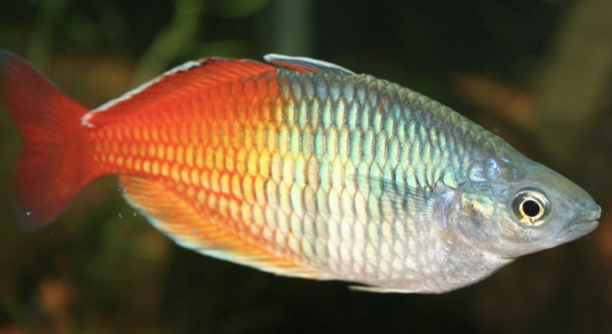
Rainbow fish are known for their vibrant colors and active nature. However, their reaction to movement can often spark curiosity among aquarium owners. Understanding their sensitivity to movement is key to ensuring their comfort and well-being.
Rainbow fish are sensitive to sudden movements, especially in their environment. Rapid or unexpected motions can cause them to become startled or stressed, affecting their behavior. However, gradual movements are less likely to provoke such reactions.
Learning how to minimize stress for your rainbow fish will help create a peaceful environment for them.
How Movement Affects Rainbow Fish
Rainbow fish are naturally curious and active, often exploring their surroundings. However, they are sensitive to changes in their environment, particularly sudden movements. If you’re moving around your aquarium quickly or even approaching the tank too fast, the fish may feel threatened. This can cause them to react by darting away or hiding. The same sensitivity applies to other elements like water changes or objects being placed near the tank.
Their instincts tell them to flee from potential danger, which is why sudden movements can trigger this response. It’s important to understand that while they might seem fine at first, the fish may be stressed without showing immediate signs. Over time, stress can affect their health, leading to issues such as reduced activity or poor appetite.
To maintain a calm environment, try to approach the tank slowly. Avoid sudden movements and keep noise levels low, especially during feeding times. Gradual changes in the environment, such as introducing new objects or decorations, are also less likely to upset them.
Signs of Stress in Rainbow Fish
Stress in rainbow fish can manifest in a variety of ways. They may display erratic swimming patterns, hiding more often, or becoming unusually aggressive. When stressed, they may also lose their usual vibrant colors, making them appear dull. Monitoring their behavior is essential in identifying stress early on.
Keeping their environment calm and predictable is key to their overall well-being. Changes in water temperature, lighting, or tank mates can also trigger stress. Fish that are frequently exposed to stress may develop weakened immune systems, making them more vulnerable to illness.
Incorporating elements such as plants or hiding spaces into the tank can provide your rainbow fish with a sense of security. These additions create areas where they can retreat to feel safe, which helps reduce stress. Maintaining stable water conditions is equally important for preventing stress-related health problems.
How to Minimize Stress for Rainbow Fish
To reduce stress, it’s essential to maintain a stable and quiet environment for your rainbow fish. Sudden movements should be avoided as much as possible, and the tank should be placed in a low-traffic area. These adjustments will help ensure that your fish remain comfortable and healthy.
The placement of the tank plays a significant role in minimizing stress. Ideally, it should be in a room where noise and motion are limited. If the tank is near a frequently used door or a busy area, the constant disturbance can cause anxiety in the fish. Additionally, the tank should not be in direct sunlight, as fluctuating light levels can also create stress.
Routine is another important factor. Keeping feeding times consistent and ensuring that water changes are done regularly helps your fish feel secure. Avoiding sudden alterations in the tank environment will prevent any unnecessary stress. This includes introducing new fish or plants gradually, rather than all at once, to give the rainbow fish time to adjust.
The Role of Tank Decorations
Tank decorations provide a sense of security for rainbow fish, helping them feel safe and comfortable in their environment. Items like plants, rocks, or caves give the fish places to hide, explore, and rest. These additions can reduce stress by providing the fish with more options for their behavior.
Including hiding spots in the tank is crucial for rainbow fish, especially when they feel threatened or stressed. These areas allow them to retreat and feel secure when they need a break from swimming around. The more hiding spaces available, the more the fish can control their environment, reducing anxiety.
Be sure to arrange tank decorations carefully. Overcrowding the tank with too many decorations can make the fish feel trapped or restricted in their movements. Create an environment that provides balance—enough hiding spots but also open spaces for the fish to swim freely. Proper decoration setup helps in making the tank a peaceful haven for your rainbow fish.
Lighting and Its Impact on Rainbow Fish
Lighting plays a key role in the health and well-being of rainbow fish. Too bright of lighting can cause stress, while too little can make the environment feel unsafe. The ideal lighting should mimic natural daylight patterns, offering a balance of light and dark periods.
Rainbow fish thrive under moderate lighting, which allows them to feel secure without overstimulation. It’s important to use a timer to ensure consistent light periods, mimicking natural day and night cycles. Bright lights should be avoided, especially if they cause direct glare in the tank. Dimmer, softer lights will help maintain a calm atmosphere.
To prevent disruptions in their environment, try adjusting the light levels gradually. This approach will help your fish adjust and avoid sudden stress responses. Also, avoid leaving the lights on for too long, as prolonged exposure to bright light can affect their circadian rhythm.
Water Conditions for Rainbow Fish
Maintaining stable water conditions is crucial for rainbow fish. Sudden temperature changes or imbalances in water chemistry can easily lead to stress. Regularly testing water parameters, such as pH, hardness, and temperature, ensures the fish remain in a comfortable, healthy environment.
A consistent water temperature of around 74-80°F (23-27°C) is ideal for rainbow fish. Frequent water changes are necessary to maintain proper water quality. Water with too much chlorine, ammonia, or nitrates can trigger a stress response, leading to poor health. Always ensure your filtration system is working efficiently to maintain water clarity.
Regular water testing should be a part of your tank maintenance routine. Keep an eye on these levels and adjust as necessary to ensure the fish have a stable environment. By providing them with clean, balanced water, you can help minimize stress and support their overall well-being.
Proper Feeding for Rainbow Fish
Proper feeding is essential to prevent stress and maintain healthy rainbow fish. They thrive on a varied diet that includes both dry and live foods. Ensure you’re providing a balanced mix to keep them healthy and active. Overfeeding should be avoided to prevent water quality issues.
Rainbow fish are omnivores, so they will enjoy a mix of protein and plant-based foods. Offer them high-quality flakes, pellets, or freeze-dried food, and supplement with live or frozen options like brine shrimp or daphnia. Feed them small amounts multiple times a day to reduce the chance of uneaten food affecting water quality.
FAQ
Can rainbow fish get stressed easily?
Yes, rainbow fish can become stressed easily, especially if there are sudden changes in their environment. Rapid movements around the tank, irregular water conditions, or aggressive tank mates can all trigger stress. It’s important to maintain a stable environment and handle them gently to avoid unnecessary stress.
How can I tell if my rainbow fish is stressed?
Stressed rainbow fish may exhibit erratic swimming patterns, such as darting around the tank or hiding more often. They may also lose their vibrant colors and appear dull or washed out. If your fish is eating less or hiding consistently, it may be a sign of stress.
What are the best tank mates for rainbow fish?
Rainbow fish do best with peaceful, non-aggressive tank mates. Good companions include other peaceful species like tetras, guppies, or small catfish. Avoid keeping them with aggressive fish that may stress them out, such as large cichlids or territorial species.
Do rainbow fish prefer swimming in groups?
Yes, rainbow fish are social and prefer to be in groups. Keeping at least five or six in a tank helps reduce stress and allows them to display natural behaviors. A group setting also promotes more vibrant colors and happier fish.
Can rainbow fish live alone?
Rainbow fish can survive alone but will likely become stressed and less active. They are social creatures, so it’s always better to keep them in groups. A solitary fish may exhibit signs of stress and become more prone to health problems.
How do I know if my rainbow fish is healthy?
A healthy rainbow fish will swim actively, show vibrant colors, and have a good appetite. Their fins should be intact, and they should not appear lethargic or listless. Healthy fish will interact with their environment and other tank mates, showing normal behavior.
What is the ideal tank size for rainbow fish?
For a small group of rainbow fish, a tank of at least 30 gallons is recommended. This provides them with enough space to swim and establish their territories. A larger tank is ideal, as it allows for more fish and better water quality maintenance.
Can rainbow fish survive in cold water?
Rainbow fish prefer warmer water temperatures, typically between 74-80°F (23-27°C). They can tolerate slightly cooler temperatures but will be less active and more susceptible to illness. It’s best to maintain a steady, warm environment to keep them healthy.
How often should I change the water in a rainbow fish tank?
Water changes should be done regularly to maintain a clean and healthy environment. For a tank with rainbow fish, it’s best to change 25-30% of the water every 1-2 weeks. This helps keep water conditions stable and removes waste that can lead to stress or health issues.
Can I feed rainbow fish flakes?
Yes, high-quality flake food is suitable for rainbow fish, and it can be a significant part of their diet. However, flakes should be supplemented with other types of food, such as frozen or live foods, to ensure they receive all the necessary nutrients.
What types of plants are good for rainbow fish tanks?
Rainbow fish enjoy tanks with live plants, as they provide hiding spots and improve the overall water quality. Good plant options include Anubias, Java Fern, and Vallisneria. These plants also help create a natural environment, reducing stress in your fish.
How do I prevent rainbow fish from getting sick?
Maintaining stable water conditions is key to preventing illness. Regular water changes, proper filtration, and a balanced diet are essential. Additionally, avoid overcrowding the tank, as this can lead to stress and increase the risk of disease. Quarantining new fish before adding them to the tank can also help prevent the spread of illness.
Why are my rainbow fish swimming at the surface?
If rainbow fish are swimming at the surface more often than usual, it could indicate an issue with water quality, such as low oxygen levels or improper temperature. Check the water parameters and ensure that the tank has proper filtration. If the issue persists, consider adding an air stone or adjusting the tank conditions.
Do rainbow fish need a filter?
Yes, rainbow fish need a filter to keep the water clean and maintain proper water flow. A filter helps remove waste, debris, and toxins, ensuring that the fish remain in a healthy environment. Make sure the filter is appropriate for the size of the tank and provides gentle water movement.
Can rainbow fish live with shrimp?
Rainbow fish can generally live with shrimp, but it depends on the species. Larger rainbow fish may see small shrimp as food, while smaller or more peaceful varieties can coexist peacefully. Be sure to choose non-aggressive shrimp species and observe interactions closely.
How can I reduce aggression in rainbow fish?
To reduce aggression, provide plenty of hiding spots and keep rainbow fish in groups of at least five or six. This reduces territorial disputes and helps them feel secure. Avoid keeping them with aggressive or overly territorial species, and ensure the tank has enough space for all inhabitants.
Why are my rainbow fish losing their colors?
Rainbow fish may lose their colors if they are stressed, unhealthy, or not receiving proper care. Stress, poor water quality, or improper diet can cause color fading. Ensure stable water conditions, a balanced diet, and a stress-free environment to help bring back their vibrant colors.
Can rainbow fish live with bettas?
Rainbow fish and bettas can sometimes coexist, but it’s not always ideal. Bettas are territorial and may attack other fish, especially those with long fins or bright colors. It’s best to observe their behavior closely and be prepared to separate them if aggression occurs.
How do I acclimate new rainbow fish to my tank?
When introducing new rainbow fish to your tank, it’s essential to acclimate them slowly. Float the bag with the fish in the tank for 15-20 minutes to adjust the water temperature. After that, gradually mix tank water into the bag over the course of an hour before releasing the fish. This helps reduce stress and prevents sudden environmental changes.
Final Thoughts
Rainbow fish are beautiful, active creatures that can bring life to any aquarium. However, it’s essential to provide them with the right environment to ensure they thrive. This includes maintaining stable water conditions, providing the right lighting, and offering a balanced diet. Stress is a common issue for rainbow fish, so creating a calm and peaceful environment is crucial. They should be kept in groups and with peaceful tank mates to help them feel secure. By paying attention to these factors, you can enjoy a healthy, vibrant aquarium with rainbow fish for a long time.
One of the most important aspects of caring for rainbow fish is water quality. Regular water changes, monitoring temperature, pH, and hardness, and using a reliable filtration system all contribute to a stable environment. The right tank size also matters, as too small a tank can lead to overcrowding and stress. Providing enough space for your fish to swim freely, along with regular maintenance, will go a long way in keeping them healthy. Keeping the tank clean and free of toxins ensures that your rainbow fish can grow and develop properly.
Finally, observing your rainbow fish regularly will help you spot any potential health issues early on. Whether it’s unusual behavior, loss of color, or signs of illness, paying attention to these changes can prevent bigger problems. Rainbow fish, like all pets, require care and attention, but with the right setup and routine, they will reward you with their beauty and energy. By creating a safe, well-maintained environment, you will give your rainbow fish the best chance to thrive in your tank.

Hello,
If you enjoy the content that we create, please consider saying a "Thank You!" by leaving a tip.
Every little bit helps us continue crafting quality advice that supports the health, happiness, and well-being of pets around the world, for pets of all shapes, sizes, and species.
We really appreciate the kindness and support that you show us!