
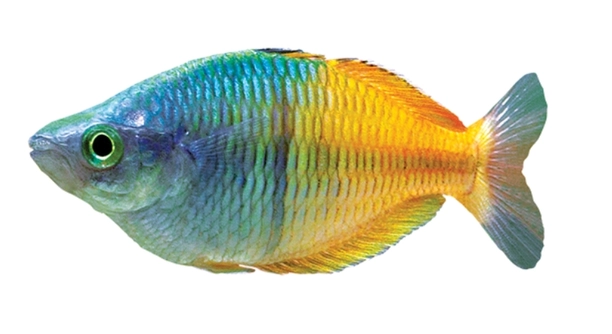
Rainbow fish, known for their bright, striking colors, communicate with each other in a variety of ways. Their vibrant appearance is not just for show; these fish use non-verbal methods to convey messages within their underwater world.
Rainbow fish communicate using visual cues, body language, and behavior patterns. These methods include color changes, fin movements, and positioning in their environment. These signals help with mating, territorial defense, and establishing social structures among the fish.
Understanding these communication strategies provides insight into the unique behaviors of rainbow fish. The following sections will explore how these fish use their natural abilities to interact with each other in their underwater homes.
Color Changes as a Sign of Communication
Rainbow fish are known for their ability to change color, and this is one of the most important ways they communicate. When a fish feels threatened or stressed, its color may shift to darker or more intense shades, signaling distress to others nearby. On the flip side, when they are in a calm environment, their colors tend to be lighter and more vibrant. Color changes can also be linked to mating behaviors, as males often display brighter colors to attract females. The dynamic shifts in color are a visual language that helps them convey emotions, warnings, and intentions within their social structure. These visual cues are essential in both daily activities and critical moments, like when they are facing potential threats. This method of communication provides an immediate, effective way to interact with one another without needing sound.
Color changes allow rainbow fish to establish their status within a group and form connections, such as mating pairings. The ability to display vivid colors helps them express themselves to others.
The range of colors displayed by rainbow fish varies not only by species but also by environmental factors. In the wild, the surrounding habitat can influence the intensity of their hues, making this form of communication even more complex. Factors like light levels, water conditions, and temperature play a role in how vibrant the fish appear. These changes serve as a way of identifying the fish’s mood or health, making it easier for other fish to interpret their signals. Additionally, these shifts in color are not just about attraction or fear; they also help rainbow fish avoid predators and locate each other. Their ability to adapt to these visual signals ensures survival and social cohesion.
Body Language and Movement Patterns
Body language is another critical way rainbow fish communicate. From the angle of their fins to their body posture, these movements provide silent messages to other fish in the area.
For example, fish may puff up their bodies or adjust their fins to make themselves appear larger, which is a common defensive posture. These physical displays help signal aggression or dominance within their territory. Additionally, their swimming patterns, such as darting through the water or staying in specific zones, can indicate their mood or intentions.
Fish use body language not only for self-defense but also for social bonding. By swimming close to one another or synchronizing their movements, rainbow fish are able to strengthen their relationships and develop a sense of belonging. Their movement patterns are not random; they are intricate and serve multiple purposes in their interactions.
Fin Movements as Signals
Fin movements are a subtle yet essential form of communication for rainbow fish. By adjusting their fins, they can convey a wide range of messages to other fish, from aggression to submission.
When a rainbow fish spreads its fins widely, it’s often signaling that it feels threatened or is trying to assert dominance. Conversely, when the fins are tucked in, it usually suggests submission or a desire to retreat. This small, yet significant, body movement is part of their complex social interactions, allowing them to communicate their feelings without sound. The positioning and movement of their fins play an integral role in their daily lives.
Fin displays help rainbow fish negotiate their place within the group. During mating seasons, males will often flare their fins to gain attention, showcasing their fitness and health. These subtle movements ensure that they can express themselves in different situations, from conflict to courtship. Fins serve as a silent but powerful tool in the rainbow fish’s communication repertoire.
Posture and Positioning
Positioning is crucial when it comes to how rainbow fish communicate. Their placement in the water column, from top to bottom, can indicate their social standing or role within a group.
Fish that stay close to the surface or at the top of the water may be signaling dominance or claiming their territory. Meanwhile, those positioned near the bottom are typically lower in the hierarchy, often avoiding confrontation. These subtle shifts in positioning help maintain order in their social structure without physical conflict. Posture changes are especially noticeable when they interact with one another.
In some situations, rainbow fish might position themselves strategically in a group to gain protection from predators or improve their chances during mating. These positions also help them blend into their environment. Whether at the top, middle, or bottom, the positioning of these fish adds another layer to their complex communication system. They know exactly where they stand and adjust their behavior accordingly.
Vibrations and Water Movement
Rainbow fish can communicate through subtle vibrations and movements in the water. These signals can be felt by other fish, allowing them to interpret nearby movements without direct contact.
These water vibrations are often generated by their movements and can provide a non-verbal way of expressing alarm or excitement. Fish are highly sensitive to these changes, which can alert them to potential threats or changes in their environment.
The ability to create vibrations helps fish coordinate with one another and stay aware of their surroundings. This form of communication is vital, especially in the dense underwater habitats they often occupy, where visibility can be limited.
Chemical Signals and Pheromones
Rainbow fish also use chemical signals, or pheromones, to communicate with each other. These chemical cues are released into the water, carrying messages about mating readiness or territorial boundaries.
When fish release pheromones, they give others specific information without needing to make a physical or visible gesture. This method of communication helps them maintain relationships, defend their territories, and find potential mates. It’s an essential tool in their social interaction, working quietly and efficiently.
Eye Contact and Gaze
Eye contact is a subtle yet important way rainbow fish communicate. By locking eyes, they can signal various intentions, such as aggression or curiosity.
Fish may stare at one another to gauge dominance or establish connection. This form of silent communication helps them assess situations without escalating conflict, often serving as a warning to others. It’s a key method for maintaining peace in their social structure.
FAQ
How do rainbow fish use color to communicate?
Rainbow fish rely on color changes to convey emotions and social signals. When feeling threatened, their color darkens, indicating distress. Males often display brighter colors during mating seasons to attract females. This vibrant color change acts as a form of silent communication, providing a visual cue for others to interpret. Fish in the wild may also change color in response to changes in their environment, such as light or water temperature, which enhances their ability to communicate with each other.
Can rainbow fish communicate through their fins?
Yes, rainbow fish use their fins for communication. The position and movement of their fins can indicate a fish’s mood or intentions. When a fish spreads its fins, it may be signaling aggression or dominance, while a tucked-in fin posture could indicate submission or fear. These fin movements play an important role in establishing social order within a group, as fish can quickly interpret the signals of others without needing to engage in physical confrontation.
Why do rainbow fish change their body position?
Rainbow fish often adjust their body positions to convey social hierarchy. For example, those at the top of the water column may be asserting dominance, while those near the bottom are usually more submissive. Positioning within a group can indicate a fish’s role, and these adjustments help to maintain order without direct interaction. By adjusting their body posture, rainbow fish can avoid unnecessary conflicts and better communicate their intentions to others within their environment.
Do rainbow fish use sounds to communicate?
Unlike many other animals, rainbow fish do not use sound as a primary means of communication. Instead, they rely on visual cues, body language, and environmental signals like water movement. They are highly sensitive to vibrations and changes in the water caused by movement, which allows them to communicate and stay alert to potential threats or changes in their surroundings. While they do not communicate through vocalizations, their silent methods are just as effective in maintaining social structures.
How do rainbow fish use water movement to communicate?
Rainbow fish can communicate through subtle vibrations in the water, which they generate through their movements. These vibrations are felt by nearby fish and provide important signals, such as warnings of danger or changes in their environment. Fish use this water-based communication to stay connected with others, coordinate movement, and alert each other to potential threats. This method of communication is essential, particularly in environments where visibility may be low, and allows them to stay alert without the need for direct visual cues.
What role do pheromones play in communication?
Pheromones are chemical signals released by rainbow fish to communicate with others. These chemical cues provide important information about a fish’s reproductive status, territorial boundaries, or emotional state. For example, when a female is ready to mate, she may release pheromones to attract males. Similarly, fish may release pheromones to mark their territory or warn others of danger. This form of communication is effective in environments where visual or audible signals may be difficult to perceive.
How do rainbow fish use their eyes to communicate?
Rainbow fish communicate through eye contact, which serves as a subtle form of signaling. By maintaining or avoiding eye contact, they can communicate aggression, curiosity, or submission. Staring at another fish may indicate dominance or an impending confrontation, while avoiding eye contact can be a way of signaling peace or submission. This non-verbal method is often used to assess situations and establish boundaries between fish, helping them navigate social interactions without escalating conflicts.
Do rainbow fish communicate in groups?
Yes, rainbow fish communicate more effectively in groups, especially when they need to coordinate movement or respond to threats. In a school, fish will use visual cues, body language, and positioning to stay together and protect one another. The social structure of rainbow fish is maintained through these subtle forms of communication, which help them navigate their environment and maintain their place in the group. By staying aware of each other’s signals, they can respond quickly to potential dangers or opportunities, such as food or mates.
Can rainbow fish recognize individual fish?
While it is unclear how well rainbow fish can recognize individual fish, they are capable of distinguishing between familiar and unfamiliar fish based on their appearance and behavior. This ability to identify others may play a role in social interactions and mate selection. For example, during breeding seasons, males may recognize females through color changes or other physical cues, allowing them to identify potential mates. In group settings, fish may also differentiate between dominant and subordinate individuals, adjusting their behavior accordingly.
Are rainbow fish affected by environmental changes?
Rainbow fish are sensitive to changes in their environment, and these shifts can influence how they communicate. Changes in water temperature, light, and even tank conditions can cause them to alter their colors, movements, and behavior. For example, when the water temperature drops, they may become more lethargic, and their colors may change in response. Similarly, changes in light levels can trigger shifts in their appearance and behavior, signaling their adjustment to the new conditions. Environmental factors are crucial in shaping how rainbow fish communicate with each other.
How do rainbow fish signal danger?
Rainbow fish signal danger primarily through color changes and body language. When they sense a threat, their colors may darken, and they may exhibit defensive behaviors, such as puffing up their bodies or quickly darting to cover. Additionally, their rapid movements or erratic swimming patterns can be interpreted as distress signals to other fish, alerting them to a potential predator. These silent signals help to coordinate a response from the group, allowing them to escape danger more effectively.
Final Thoughts
Rainbow fish communicate in fascinating ways, often without using sound. They rely on visual cues, body movements, and even chemical signals to interact with each other. From changing their color to using their fins and eyes, these fish send clear signals to one another, ensuring their social structures and survival are maintained. The ability to communicate without vocalizing is vital in their underwater world, where sound can travel differently than on land.
Understanding how rainbow fish communicate adds depth to our appreciation of these creatures. By recognizing how they use their environment, their body language, and even the vibrations in the water, we see how these fish maintain relationships and navigate their surroundings. Their subtle methods of communication show just how sophisticated and adaptable they are. This approach allows them to coordinate movements, avoid predators, and find mates, all without the need for loud vocalizations.
These forms of communication are essential for the well-being of rainbow fish. They help in keeping the peace within their groups and in ensuring effective coordination during times of danger or excitement. Whether it’s through changes in body position, color, or the release of pheromones, each signal plays an important role in maintaining their social harmony. By observing these behaviors, we can learn more about the complexities of animal communication and how even the smallest creatures can have intricate ways of interacting with each other.

Hello,
If you enjoy the content that we create, please consider saying a "Thank You!" by leaving a tip.
Every little bit helps us continue crafting quality advice that supports the health, happiness, and well-being of pets around the world, for pets of all shapes, sizes, and species.
We really appreciate the kindness and support that you show us!