
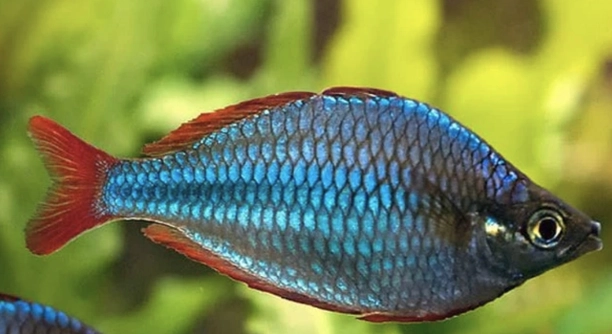
Do you ever find yourself fascinated by how different creatures experience the world around them, especially in ways that humans might not easily notice? Understanding how fish respond to their surroundings can reveal so much about their lives and behaviors.
Rainbow fish are indeed capable of sensing light shifts from outside their environment. Their eyes are highly sensitive to changes in light intensity and color, helping them adapt to their surroundings and remain aware of potential threats or changes in habitat.
Exploring how rainbow fish interact with their environment can offer a deeper appreciation for their unique abilities and natural adaptations.
How Rainbow Fish Detect Light Changes
Rainbow fish have evolved to pick up on even the slightest changes in light around them. Their eyes are finely tuned to shifts in light intensity and color, allowing them to react quickly to their environment. This ability is important for survival, helping them avoid predators, find food, and navigate through different water conditions. Light sensitivity is especially important in their natural habitats, where the water can sometimes filter sunlight in unpredictable ways. By detecting these variations, rainbow fish can maintain their sense of direction and stay safe. Their retinas contain specialized cells that are excellent at picking up on subtle shifts, even when those changes are barely noticeable to human eyes. These adaptations not only help them during daylight hours but also when lighting conditions change at dawn and dusk. Their behavior often changes based on these light signals, keeping them active and alert when it matters most.
Rainbow fish rely heavily on visual cues to understand their surroundings. Light changes serve as an important guide for where they move and how they behave in their environment.
Because of their strong light sensitivity, rainbow fish often display different swimming patterns when the lighting around them changes. They may hide, explore, or become more cautious depending on what they sense.
The Role of Light in Rainbow Fish Behavior
Light shifts have a direct impact on how rainbow fish interact with their surroundings. Even slight changes can cause them to seek shelter, adjust their swimming routes, or modify their social behaviors with other fish in the tank or in the wild.
Their sensitivity to light helps them detect potential predators early, making quick escapes possible. In aquarium settings, sudden lighting changes can sometimes stress rainbow fish. They may dart away, hide under plants, or stay still until they feel safe again. On the other hand, gradual lighting adjustments tend to keep them calmer and more comfortable. Natural light cycles, like the gradual changes at sunrise and sunset, are beneficial for maintaining their health and well-being. These cycles help regulate their internal clocks, influencing feeding, breeding, and resting habits. When keeping rainbow fish in home aquariums, it is helpful to mimic natural lighting patterns as much as possible. Understanding how light influences their behavior allows for better care, creating an environment that supports their active, colorful lifestyles without causing unnecessary stress or confusion.
How Environment Affects Light Sensitivity in Rainbow Fish
The environment plays a large role in how rainbow fish respond to light. Factors like water clarity, the presence of plants, and even tank decorations can change how much light reaches them and how they react to it.
In clearer waters, rainbow fish are exposed to stronger light shifts, making their responses quicker and more noticeable. In murky or plant-filled environments, light becomes softer and more filtered. This results in rainbow fish relying more on subtle cues rather than sharp changes. If they are kept in an aquarium with bright, sudden lights, it can cause unnecessary stress. Using plants, rocks, and shaded areas helps create more natural light gradients, supporting a healthier and more relaxed fish. Mimicking their natural habitat with soft lighting not only helps maintain their color vibrancy but also encourages natural behaviors such as schooling, feeding, and social interaction without causing fear or confusion.
Adjusting the environment to match natural lighting conditions helps rainbow fish thrive. They are less stressed, show better colors, and engage more often with their surroundings. Small adjustments like placing floating plants or using softer bulbs can make a noticeable difference. Consistent, gentle lighting transitions help maintain a balanced and comfortable daily rhythm for the fish.
The Importance of Light for Rainbow Fish Health
Light affects much more than just how rainbow fish see their environment. It plays a strong role in their overall health, influencing their metabolism, breeding cycles, and daily activities like feeding and resting patterns.
Rainbow fish exposed to healthy, regular light cycles often show brighter colors, stronger immune responses, and better activity levels. Light helps regulate their internal clock, known as the circadian rhythm, which keeps their bodily processes working smoothly. When lighting conditions are poor or change too quickly, rainbow fish can suffer from stress, weakened immune systems, and reduced appetite. Long-term stress can even lead to diseases and shortened lifespans. Providing around 10 to 12 hours of light a day, with natural-looking transitions between light and dark, supports their health. Avoiding harsh lighting and sudden changes ensures they stay vibrant, active, and healthy for years, whether in a home aquarium or a natural habitat.
How Light Changes Affect Behavior Patterns
Rainbow fish often become more alert and cautious when there are sudden changes in light. Quick shifts can trigger instincts that tell them to seek shelter or freeze in place, helping them stay safe from potential predators.
Gradual light changes, like a slow sunrise, encourage natural behaviors. Rainbow fish swim calmly, explore their surroundings, and interact more with other fish when lighting feels steady and predictable. Their comfort with the environment improves when transitions are gentle.
Best Lighting Practices for Rainbow Fish
Using soft, adjustable lighting systems can make a big difference for rainbow fish. Lights that simulate natural sunrise and sunset patterns help maintain their health and reduce stress. Avoiding harsh or direct lighting keeps them calm and encourages natural, colorful displays. If possible, add plants and decorations to create shaded areas where fish can retreat when needed. Keeping a consistent light schedule, such as 10 to 12 hours of light followed by a quiet dark period, allows rainbow fish to develop healthy daily routines. Small changes to lighting setups often lead to noticeable improvements in fish behavior and overall well-being.
Final Thoughts on Light Sensitivity
Light sensitivity is a natural and important part of rainbow fish behavior. By understanding their needs and adjusting their environment, it becomes much easier to help them stay happy, healthy, and active every day.
FAQ
How do rainbow fish sense light changes?
Rainbow fish are equipped with specialized cells in their eyes that detect shifts in light intensity and color. These cells help them react quickly to changes in their environment. When the light changes, whether it’s from the sun or artificial sources, rainbow fish adjust their behavior accordingly. For example, they might swim faster or slower, or move to different areas of the tank depending on how the light feels. Their sensitivity to light helps them stay aware of their surroundings, avoid predators, and find food. This natural ability ensures they adapt easily to both natural and artificial environments.
Do rainbow fish need bright lighting?
Rainbow fish don’t necessarily need bright lighting, but they do need a consistent light cycle to maintain healthy habits. Too much bright light can cause them stress, especially in an aquarium setting. It’s best to use soft, natural light that mimics a day-night cycle. This allows the fish to feel secure and promotes their natural behaviors, like swimming and feeding. If the lighting is too harsh, rainbow fish may become lethargic or hide, leading to unhealthy stress levels. Gentle, adjustable lighting is ideal for keeping rainbow fish active, vibrant, and healthy.
What type of light is best for rainbow fish?
The best type of light for rainbow fish is a soft, adjustable light that simulates natural daylight patterns. Full-spectrum LED lights are a popular choice as they provide a balance of brightness and color that resembles the natural sunlight rainbow fish experience in the wild. These lights help enhance their color and promote healthy activity. Avoid using too bright or flickering lights, as they can be stressful for the fish. Timed lighting that switches between bright and dim can replicate the natural cycle of day and night, which is beneficial for their health.
How do light changes affect their behavior?
Rainbow fish are highly responsive to light changes. Rapid changes in lighting can make them feel threatened, prompting them to hide or swim erratically. They are also more cautious when lighting is unpredictable, as they associate sudden shifts with danger. On the other hand, a gradual light transition, such as a slow sunrise or sunset, helps them feel secure and active. Regular light cycles contribute to more predictable behaviors, like feeding and socializing, which are essential for maintaining their health and well-being.
Can rainbow fish be kept in tanks with artificial lighting?
Yes, rainbow fish can thrive in tanks with artificial lighting as long as the lighting is carefully controlled. It’s essential to replicate natural light conditions as much as possible, such as using adjustable timers and soft, full-spectrum lights. Artificial lighting should not be too intense or harsh, as it can stress the fish. It’s also important to have periods of darkness, as this allows the fish to rest and follow their natural circadian rhythms. With the right setup, artificial lighting can help enhance the health and color of your rainbow fish.
How long should rainbow fish be exposed to light each day?
Rainbow fish should be exposed to around 10 to 12 hours of light each day. This mimics the natural light cycle and helps regulate their body clock. Too little light can cause them to become lethargic, while too much light can lead to stress and anxiety. A consistent light schedule is key to maintaining their health, so using a timer to control the light cycle is a good idea. When the lights go off, it’s equally important to provide them with a period of darkness to rest. This balance helps them stay active and vibrant without the risk of light-related stress.
Do rainbow fish need a dark period?
Yes, rainbow fish require a dark period for healthy rest. Just like humans need sleep, rainbow fish need time without light to recharge. A natural dark period helps regulate their circadian rhythm, supporting healthy sleep patterns and allowing them to recover from the day. Without this period of darkness, they may become stressed, disoriented, or even sick. To ensure they have proper rest, it’s important to maintain a consistent night and day cycle with about 10 to 12 hours of light and an equal amount of darkness each day. This helps them thrive and stay in good health.
Can sudden changes in light cause stress in rainbow fish?
Yes, sudden changes in light can cause stress for rainbow fish. They are sensitive to rapid shifts in their environment and can interpret them as signs of danger. For instance, if the lights in an aquarium flicker or suddenly change brightness, the fish might become anxious, hide, or swim erratically. To minimize stress, it’s best to provide gradual transitions in lighting, such as slowly dimming or brightening the lights to mimic natural light changes. This steady approach helps them feel safe and secure, reducing the risk of stress-related health issues.
How can I create a natural light cycle for my rainbow fish?
To create a natural light cycle for your rainbow fish, use a timer to control the lights, ensuring they turn on and off at regular intervals. Aim for about 10 to 12 hours of light during the day, followed by 10 to 12 hours of darkness. It’s helpful to use full-spectrum LED lights, which mimic the natural spectrum of sunlight. If possible, position your tank near a window to allow natural sunlight to filter in during the day. You can also incorporate plants and rocks in the tank to create shaded areas, offering the fish a chance to hide or rest when needed.
What happens if rainbow fish don’t get enough light?
If rainbow fish don’t get enough light, they may become lethargic and less active. Their colors may also fade, as light plays a key role in maintaining their vibrant hues. Insufficient light can also affect their feeding and breeding behaviors. In some cases, it can weaken their immune systems, making them more susceptible to illness. To prevent these issues, it’s essential to provide a consistent light cycle that mimics natural daylight. This ensures the fish remain active, healthy, and able to express their natural colors.
Final Thoughts
Rainbow fish are sensitive to their environment, especially light changes. Understanding how they respond to different lighting conditions can help maintain a healthy and vibrant aquarium. Their behavior and overall well-being are closely tied to the lighting in their tank, so it’s important to provide them with the right conditions. A consistent light cycle mimicking natural sunlight, with gradual transitions, will help your rainbow fish feel secure and thrive in their environment. This approach not only enhances their colors but also supports their daily routines and health.
Adjusting the light in your aquarium doesn’t have to be complicated. Simple changes, such as using a timer for consistent lighting and choosing soft, full-spectrum bulbs, can make a big difference. These adjustments help reduce stress and promote more natural behaviors in the fish. Rainbow fish, like many other species, feel more comfortable in environments that mimic the conditions of their natural habitat. With proper lighting, they can swim freely, interact with each other, and maintain healthy sleep cycles.
Taking care of the lighting in your aquarium is just one part of the puzzle in ensuring your rainbow fish are happy and healthy. Monitoring their behavior and making small adjustments to their environment can have a lasting impact. When they’re comfortable, their colors become brighter, and they exhibit more natural, active behaviors. By paying attention to their light sensitivity and needs, you are helping them lead a fuller, more balanced life in your aquarium.

Hello,
If you enjoy the content that we create, please consider saying a "Thank You!" by leaving a tip.
Every little bit helps us continue crafting quality advice that supports the health, happiness, and well-being of pets around the world, for pets of all shapes, sizes, and species.
We really appreciate the kindness and support that you show us!