
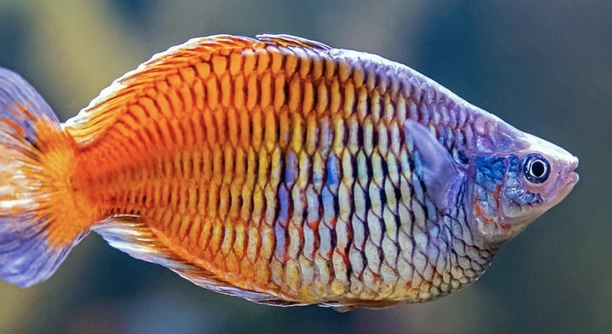
Rainbow fish are vibrant and lively creatures, making them a popular choice for home aquariums. However, keeping them healthy and thriving requires attention to a few key factors. Improving their longevity is crucial for maintaining their beauty and well-being.
The longevity of rainbow fish can be improved by maintaining optimal water quality, providing a balanced diet, ensuring proper tank size, avoiding overcrowding, regulating water temperature, minimizing stress, and performing regular tank maintenance. These factors contribute to their overall health and lifespan.
By following these tips, you’ll be able to help your rainbow fish live longer, healthier lives in your aquarium.
Maintaining Optimal Water Quality
The key to keeping your rainbow fish healthy is providing clean, well-maintained water. Fish are highly sensitive to water conditions, and poor water quality can lead to various health problems. Regular water changes, at least 25% every two weeks, help remove toxins and maintain a healthy environment. Make sure to use a good filter to keep the water flowing and remove impurities. It’s also crucial to monitor the water’s pH, ammonia, nitrite, and nitrate levels. Aim for a pH between 6.5 and 7.5 for rainbow fish.
Checking the water temperature is equally important. These fish prefer warmer waters, typically between 74°F and 80°F. Sudden fluctuations in temperature can cause stress, weakening their immune system and reducing their lifespan. Invest in a reliable heater to keep the temperature steady. Always monitor the water parameters with a testing kit to make sure everything stays within the safe range for rainbow fish.
Clean water promotes the health of your fish, so take time to ensure their tank is always in optimal condition. This will help them live a longer, happier life.
Providing a Balanced Diet
A varied and nutritious diet plays a major role in extending the lifespan of your rainbow fish.
Feeding them high-quality flakes or pellets is a great base for their diet. Supplement this with live or frozen foods such as brine shrimp, daphnia, or bloodworms to provide extra protein. Make sure to feed small portions twice a day, and avoid overfeeding. This helps prevent water pollution and keeps the fish in good shape.
A diet that includes a variety of foods ensures your rainbow fish get all the nutrients they need for a healthy immune system, vibrant colors, and longer life. Avoiding poor-quality foods and feeding them properly will reduce stress and support their overall health.
Proper Tank Size and Avoiding Overcrowding
Rainbow fish need ample space to swim and thrive. A 20-gallon tank is the minimum size for a small group of rainbow fish. A larger tank will help maintain better water quality and provide enough space for the fish to exhibit their natural behaviors.
Overcrowding can quickly lead to stress, disease, and poor water quality. The more fish you have, the more waste is produced, which can result in increased ammonia levels. Crowded conditions also increase aggression among the fish, especially during mating. Keeping the right number of fish in the tank allows everyone to thrive without causing too much strain on the tank’s ecosystem.
Make sure to regularly assess your tank’s population and avoid adding too many fish at once. A spacious, well-maintained tank ensures your rainbow fish have room to grow and will reduce stress-related issues that shorten their lifespan.
Regular Tank Maintenance
Performing regular tank maintenance is essential for ensuring a long life for your rainbow fish.
This includes cleaning the tank walls, checking filters, and replacing filter media when needed. Regularly clean the substrate to remove waste that can build up and pollute the water. Maintaining proper water flow is vital for oxygenating the tank, which your fish need to stay healthy.
In addition to cleaning, make sure to monitor water levels frequently. A properly maintained tank helps prevent the growth of harmful bacteria or algae, reducing the risk of diseases. Keep up with these tasks, and you’ll help your rainbow fish stay vibrant and healthy.
Regulating Water Temperature
Maintaining the right water temperature is critical for your rainbow fish’s health. They thrive in warm waters, between 74°F and 80°F, with little fluctuation.
Fluctuations in temperature cause stress and weaken their immune systems. To prevent sudden changes, invest in a reliable aquarium heater and thermometer. Consistent temperatures will keep your fish happy and healthy.
Minimizing Stress
Stress is one of the leading causes of shortened lifespans in rainbow fish.
Make sure to provide hiding spots and plants that mimic their natural habitat. Avoid sudden movements around the tank, as this can disturb their calm environment. Consistent water conditions and proper tank mates also help minimize stress. Happy, stress-free fish live longer, healthier lives.
FAQ
How often should I clean my rainbow fish tank?
You should clean your rainbow fish tank every two weeks. Perform a partial water change of around 25% to 30% of the tank’s water. This helps remove any accumulated toxins and waste. Clean the filter every month and remove any debris from the substrate to keep the tank clean. Regular cleaning ensures a healthy environment for your fish.
Can rainbow fish live with other species?
Yes, rainbow fish can live with other peaceful species. They are generally calm and non-aggressive, making them good tank mates for species such as tetras, corydoras, and guppies. However, avoid keeping them with aggressive or very small fish, as they may get stressed or harmed.
What should I feed my rainbow fish?
Rainbow fish enjoy a varied diet. High-quality flakes or pellets should form the base of their meals. You can also feed them live or frozen foods like brine shrimp, bloodworms, and daphnia for added protein. It’s important to feed them small portions twice a day to avoid overfeeding.
How can I prevent diseases in my rainbow fish?
Maintaining optimal water quality and providing a balanced diet are key to preventing diseases. Regular water changes, proper filtration, and consistent water temperature help reduce stress and improve immune health. Quarantine new fish before adding them to your tank to avoid introducing diseases.
Are rainbow fish easy to care for?
Rainbow fish are relatively easy to care for, but they do require specific water conditions. Ensure your tank is properly maintained with stable temperatures, good filtration, and regular water changes. They are adaptable but will thrive best with proper care and attention.
Why are my rainbow fish losing color?
Rainbow fish may lose color due to stress, poor water quality, or an inadequate diet. Stress can result from overcrowding, sudden changes in temperature, or incompatible tank mates. Ensure proper water parameters, a balanced diet, and a peaceful tank environment to help restore their vibrant colors.
Do rainbow fish need a lot of space?
Rainbow fish need enough space to swim and thrive. A minimum of a 20-gallon tank is recommended for a small group of rainbow fish. The larger the tank, the better, as it helps maintain water quality and reduces stress.
What temperature do rainbow fish need?
Rainbow fish prefer a water temperature between 74°F and 80°F (23°C to 27°C). Fluctuations outside this range can lead to stress and health issues. Maintaining a stable temperature with a reliable heater is important for their well-being.
How long do rainbow fish live?
Rainbow fish can live for around 5 to 8 years with proper care. Keeping their tank clean, providing the right diet, and maintaining stable water conditions will help them live longer, healthier lives. Regular maintenance is essential to maximize their lifespan.
Can I keep rainbow fish with bettas?
It’s best not to keep rainbow fish with bettas. While rainbow fish are generally peaceful, bettas can be aggressive, especially towards other brightly colored fish. The betta’s territorial nature may cause stress or harm to the rainbow fish, so it’s safer to avoid keeping them together.
Do rainbow fish need plants in their tank?
Rainbow fish benefit from having plants in their tank. Plants provide hiding spots, which help reduce stress, and contribute to a more natural environment. Live plants also help maintain water quality by absorbing nitrates and providing oxygen. However, ensure the plants are safe and not harmful to your fish.
How do I know if my rainbow fish are stressed?
Signs of stress in rainbow fish include faded colors, erratic swimming, loss of appetite, and hiding. If they are swimming frantically or rubbing against objects in the tank, this could also indicate stress. Ensure water quality, temperature, and tank mates are appropriate to reduce stress.
Should I use a water conditioner for my rainbow fish tank?
Yes, using a water conditioner is recommended, especially when adding tap water to your aquarium. Most tap water contains chlorine or chloramine, which can be harmful to your fish. A water conditioner neutralizes these chemicals, making the water safer for your rainbow fish. Always follow the manufacturer’s instructions.
How do I breed rainbow fish?
To breed rainbow fish, set up a separate breeding tank with soft, slightly acidic water and a temperature of about 76°F to 78°F. Provide fine-leaved plants where the female can lay her eggs. Once the eggs are fertilized, remove the adults, as they may eat the eggs. The fry will hatch in 7 to 10 days.
Why are my rainbow fish not eating?
Rainbow fish may stop eating if they are stressed, if water conditions are poor, or if they are sick. Check the water parameters and ensure they are within the recommended range. If the problem persists, it’s a good idea to isolate the fish and observe for any signs of illness.
Can rainbow fish be kept in a community tank?
Yes, rainbow fish are ideal for community tanks. They are peaceful and social, making them a great addition to a variety of setups. They coexist well with other peaceful fish, as long as the tank is not overcrowded, and the other species are compatible with their temperament.
How do I maintain a balanced diet for my rainbow fish?
Feed rainbow fish a mix of high-quality flake or pellet food along with live or frozen food like brine shrimp, daphnia, and bloodworms. A balanced diet includes both plant-based and protein-rich foods. Don’t overfeed them, as this can lead to water pollution and health problems.
What water conditions are best for rainbow fish?
Rainbow fish thrive in slightly acidic to neutral water with a pH range of 6.5 to 7.5. They also prefer moderately soft to hard water. Keeping the water temperature stable between 74°F and 80°F and maintaining clean, filtered water is essential for their health.
Can rainbow fish live without a filter?
Rainbow fish should not be kept in a tank without a filter. A filter helps remove waste and toxins, keeps the water oxygenated, and maintains water quality. Without proper filtration, water quality deteriorates quickly, which can harm your fish. Always use a filter in their tank to ensure a healthy environment.
How do I handle a sick rainbow fish?
If a rainbow fish is sick, isolate it in a quarantine tank to prevent the spread of disease. Examine it closely for signs of illness, such as unusual swimming behavior, discoloration, or lesions. Adjust water parameters, and consider using medications or natural remedies based on the symptoms.
Final Thoughts
Caring for rainbow fish requires attention to their specific needs. From maintaining the right water temperature to keeping the tank clean, these factors play a significant role in their overall health and longevity. Regular water changes, a proper diet, and stress-free surroundings are essential for ensuring they thrive in your aquarium. By providing the proper care, you can help your rainbow fish live a longer, healthier life.
Understanding the importance of water quality, temperature, and tank mates is key. Keeping the tank environment stable and stress-free will reduce the chances of diseases and improve their overall well-being. Regularly check water parameters, ensure the temperature remains consistent, and avoid overcrowding. Healthy water and proper tank management are some of the most important factors in maintaining a thriving aquarium.
Finally, while rainbow fish are relatively easy to care for, they do require regular monitoring and attention. Their bright colors and peaceful nature make them a joy to have in a community tank. By following the basic guidelines for care, you will create a comfortable, stable environment for your rainbow fish to live a long and fulfilling life.

Hello,
If you enjoy the content that we create, please consider saying a "Thank You!" by leaving a tip.
Every little bit helps us continue crafting quality advice that supports the health, happiness, and well-being of pets around the world, for pets of all shapes, sizes, and species.
We really appreciate the kindness and support that you show us!