
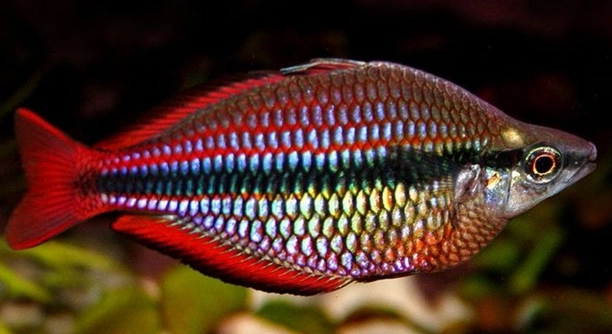
Rainbow fish are a popular choice for aquarium enthusiasts, admired for their vibrant colors and active nature. However, one common behavior that may catch your attention is when they seem to constantly flare.
Flaring in rainbow fish is usually a sign of stress, territorial disputes, or mating behavior. They may flare to establish dominance, attract mates, or respond to environmental factors like changes in water quality or tank mates.
Understanding the causes behind this flaring can help you create a more peaceful environment for your rainbow fish. Adjusting tank conditions may be the key to reducing their stress and improving their behavior.
Common Causes of Flaring in Rainbow Fish
Rainbow fish flare for various reasons, and it’s important to identify the root cause to address it. Stress is often a primary factor, with changes in water conditions, overcrowded tanks, or incompatible tank mates contributing to this behavior. They may also flare in response to sudden movements or loud noises around the tank, which can make them feel threatened. If there are sharp objects or hiding places in the tank, fish might flare to protect themselves or claim territory.
Fish may also flare to attract mates. This behavior typically happens during mating seasons, where males show off their vibrant colors and large fins to gain the attention of females. It’s not necessarily a sign of aggression, but part of their natural reproductive instinct. However, if flaring continues for extended periods, it can be a sign of an unhealthy tank environment or fish stress.
If flaring happens frequently, you’ll need to consider adjusting the tank setup. Removing any aggressive tank mates or ensuring the environment is calm can significantly reduce this behavior.
How to Reduce Flaring Behavior
Reducing flaring in rainbow fish can be as simple as improving tank conditions. Water quality is crucial; make sure it’s clean, with the right temperature and pH levels. A filtration system will help maintain this balance.
Another factor to consider is the size of your tank. A small tank with many fish can lead to competition and stress. Providing plenty of hiding spaces or plants can help reduce the chances of territorial disputes. If possible, consider keeping fish of similar sizes and temperaments together, as this minimizes aggression.
Lastly, check for sudden changes in the environment, like loud sounds or rapid movements. Fish can get startled easily, leading them to flare as a defensive reaction.
Water Quality and Temperature
Maintaining the proper water quality is key to preventing flaring. Rainbow fish are sensitive to changes in their environment, so stable water conditions are essential. Keep an eye on ammonia, nitrites, and nitrates to avoid water pollution.
Rainbow fish thrive in slightly acidic to neutral water, with a temperature range of 72°F to 79°F (22°C to 26°C). Sudden changes in temperature or pH levels can stress the fish and trigger flaring. Regular water changes, at least 25% every two weeks, will help maintain a clean and stable environment for your fish.
Using a good filtration system is essential for controlling toxins and keeping water clear. Make sure your filter is suitable for the size of your tank. Regularly test water quality and adjust conditions as needed to avoid any harmful buildup of chemicals. A stable environment is one of the most effective ways to reduce stress and flaring.
Tank Size and Space
Rainbow fish need space to swim and feel secure. Overcrowding can lead to territorial disputes and stress, which often causes flaring. A minimum tank size of 30 gallons is recommended for a small group of rainbow fish.
In addition to size, providing adequate hiding spots and plants is crucial. These give fish places to retreat and feel protected. If fish are constantly exposed to each other without any personal space, they may become more aggressive. Overcrowding can increase competition for food and territory, leading to more frequent flare-ups.
If you plan to keep multiple fish, ensure there is enough space for each one. Consider expanding your tank size or removing some fish to reduce stress. Providing a comfortable environment helps fish live peacefully and lowers the chances of flaring due to territorial disputes.
Aggressive Tank Mates
Incompatible tank mates can trigger constant flaring. Rainbow fish are peaceful but may react to more aggressive species in the tank. Keep peaceful fish together and avoid introducing aggressive or territorial species that may provoke them.
Species like bettas, cichlids, or large tetras are known to cause stress in rainbow fish. They might fight for space, food, or mates, causing the rainbow fish to flare in defense. Monitor behavior closely when introducing new fish and remove any that show signs of aggression. If aggressive fish cannot be avoided, separate them into different tanks to reduce flaring.
Diet and Feeding
Feeding your rainbow fish properly helps reduce stress. A balanced diet with high-quality flakes, pellets, and occasional live or frozen foods is ideal. Overfeeding can lead to water pollution, affecting water quality and increasing stress.
Make sure you feed rainbow fish in small portions to avoid leftover food that could degrade water quality. A varied diet keeps them healthy, reduces competition for food, and helps maintain calm in the tank. Regular feeding schedules and proper portion sizes will also discourage aggressive behavior related to food scarcity, reducing the need for constant flaring.
FAQ
Why do rainbow fish flare their fins?
Rainbow fish flare their fins primarily as a way to communicate. They might flare to assert dominance, attract a mate, or react to stress or perceived threats. If they feel threatened by other fish, they open their fins to appear larger and more intimidating. It’s also part of their mating behavior, where males flare to show off their vibrant colors to potential mates. While flaring is normal in certain contexts, it can become a problem if it leads to aggression or prolonged stress.
How can I tell if my rainbow fish is stressed?
Stressed rainbow fish show various signs such as hiding, loss of color, or erratic swimming. Flaring is often a sign of stress, especially when it happens frequently without a clear cause. A stressed fish may also swim aimlessly or stay near the surface or the bottom of the tank. Additionally, they might refuse food or interact less with other fish. If you notice these behaviors alongside flaring, it’s important to evaluate their environment and make necessary adjustments, like improving water quality, adding more hiding spots, or reducing tank mate aggression.
Can rainbow fish flare at each other?
Yes, rainbow fish can flare at each other, especially if they’re competing for space or mates. This is common during mating periods, where males will display their fins to attract females or establish dominance over one another. Sometimes, even if there’s no mating involved, a male might flare in an attempt to intimidate another male, particularly in a crowded or small tank. This kind of behavior is typically seen when the fish feel their territory is threatened. While occasional flaring isn’t usually harmful, if it turns into aggressive behavior, it’s best to separate the fish to reduce stress.
How do I stop rainbow fish from flaring?
The best way to reduce flaring in rainbow fish is to create a more peaceful environment. Start by ensuring that the water conditions are optimal. Poor water quality, extreme temperatures, or fluctuating pH levels can cause stress, leading to more frequent flaring. It’s also essential to remove aggressive tank mates, as rainbow fish are more likely to flare when they feel threatened. Providing plenty of hiding spots, plants, and swimming space can help reduce territorial disputes. If necessary, consider adjusting the tank size or moving fish to separate tanks. Regular water changes and proper feeding habits also play a role in reducing stress.
Is it okay for rainbow fish to flare all the time?
Frequent flaring is not ideal for rainbow fish. While occasional flaring, especially during mating season or when establishing dominance, is natural, constant flaring can indicate that the fish are under stress. If your rainbow fish flare regularly without any mating behavior or territory disputes, this could be a sign that something is wrong with their environment. It could be poor water conditions, overcrowding, aggressive tank mates, or a lack of space. If you notice consistent flaring, it’s important to assess the tank setup and make the necessary changes to reduce stress and improve the fish’s overall health.
Do rainbow fish flare during mating season?
Yes, male rainbow fish often flare their fins during mating season to attract females. They display their vibrant colors and larger fins as a way to showcase their strength and appeal to potential mates. This flaring is typically not aggressive but is instead a natural part of their reproductive behavior. If you have both males and females in your tank, you may notice an increase in flaring as males try to get the attention of females. It’s important to provide enough space and hiding spots to avoid conflict between males and allow for peaceful mating behavior.
Can I prevent rainbow fish from becoming territorial?
While it’s difficult to completely prevent territorial behavior in rainbow fish, there are several steps you can take to minimize it. First, ensure your tank is large enough to accommodate the number of fish you have. Overcrowding increases competition for space and food, leading to territorial disputes. Adding plenty of plants, rocks, or decorations gives fish places to hide and claim as their own, which can reduce aggressive behaviors. Also, avoid mixing rainbow fish with overly territorial or aggressive species, as this can heighten the likelihood of territorial flare-ups. By providing a balanced environment with plenty of space and hiding spots, territorial behavior can be minimized.
How do I know if my rainbow fish is healthy?
Healthy rainbow fish should have vibrant, bright colors and swim actively throughout the tank. They should be social and interact with other fish, and their fins should appear intact and free of tears. If a fish is constantly hiding, swimming erratically, or has dulled colors, it may be a sign of stress or illness. Additionally, watch for changes in their eating habits. A healthy rainbow fish will eat eagerly, while a fish that refuses food could be sick or stressed. Regular water testing and maintenance are essential for keeping your fish healthy and preventing health-related issues that could lead to excessive flaring.
Can rainbow fish live with other species?
Rainbow fish are generally peaceful and can live with a variety of other species. However, it’s important to choose tank mates that are not overly aggressive or territorial, as this can lead to stress and frequent flaring. Avoid pairing rainbow fish with species like bettas, larger cichlids, or aggressive tetras. Peaceful fish such as guppies, mollies, or other calm freshwater species are usually good tank mates. It’s essential to research the temperament of any species you plan to introduce to ensure compatibility and avoid causing stress to your rainbow fish.
What are the best tank mates for rainbow fish?
Rainbow fish do best when housed with other peaceful, non-aggressive species. Good tank mates include other community fish such as tetras, danios, and corydoras catfish. These species tend to share similar water requirements and are not aggressive, helping to maintain a calm atmosphere in the tank. It’s important to avoid pairing rainbow fish with aggressive or territorial species that could provoke stress and lead to constant flaring. When selecting tank mates, always consider the size, temperament, and environmental needs of both species to ensure a harmonious setup.
Final Thoughts
Flaring is a natural behavior for rainbow fish, but when it happens too often, it can be a sign of stress or discomfort. It’s important to observe your fish closely and look for other signs of stress, such as hiding, erratic swimming, or a lack of appetite. Flaring may occur due to environmental factors like poor water quality, overcrowding, or incompatible tank mates. By understanding the reasons behind your rainbow fish’s flaring, you can take steps to address the issue and create a more comfortable environment for them.
A big part of managing flaring behavior is ensuring the right tank conditions. Keeping your water clean, at the right temperature, and with stable pH levels is essential. If any of these factors are off, your fish may flare their fins more often due to stress. Additionally, a well-planted tank with plenty of hiding spots can reduce aggression by giving the fish a place to claim as their own. The more secure your rainbow fish feel in their space, the less likely they will be to flare unnecessarily.
Lastly, choosing the right tank mates plays a crucial role in minimizing stress and flaring. Peaceful species that won’t compete aggressively for food or space will help your rainbow fish feel more at ease. It’s also wise to give each fish enough space, as crowded conditions can lead to more frequent flaring. If your fish continue to show signs of stress or excessive flaring despite improving water quality and tank mates, you may need to separate certain fish or consider larger tank setups. By creating a calm, balanced environment, you can reduce flaring and improve the overall well-being of your rainbow fish.

Hello,
If you enjoy the content that we create, please consider saying a "Thank You!" by leaving a tip.
Every little bit helps us continue crafting quality advice that supports the health, happiness, and well-being of pets around the world, for pets of all shapes, sizes, and species.
We really appreciate the kindness and support that you show us!