
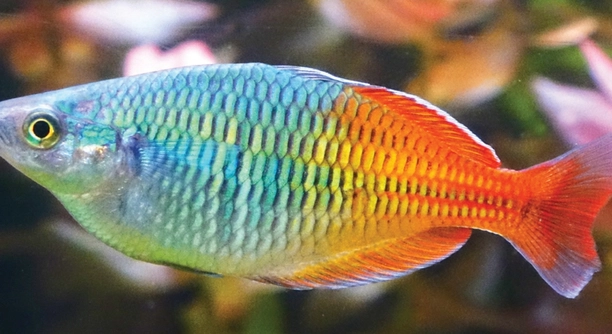
Rainbow fish are known for their vibrant colors, but these hues can sometimes fade unexpectedly. Understanding the triggers for this color loss is essential to maintaining their beauty. In this article, we’ll explore seven common factors that cause their colors to dull.
Several factors can cause color loss in rainbow fish, including poor water quality, stress, insufficient diet, and diseases. Environmental changes, inadequate lighting, and improper tank conditions can also contribute. Addressing these issues can help restore their natural coloration.
By identifying the underlying causes, you can take steps to prevent color fading. Understanding these factors will ensure your rainbow fish remain healthy and vibrant. Keep reading to learn how to manage these triggers effectively.
Poor Water Quality
Water quality is one of the biggest factors affecting the health of rainbow fish. When the water becomes too dirty, it can stress your fish and cause their colors to fade. High levels of ammonia, nitrites, or nitrates can all contribute to poor water quality. If you’re not keeping up with regular water changes or maintaining a proper filtration system, these toxins can build up quickly.
The key to preventing color loss is ensuring that the water remains clean and balanced. Regularly test your tank’s water parameters and adjust as necessary. Make sure you’re performing water changes weekly, especially in a tank with multiple fish.
In addition to regular water changes, it’s crucial to monitor the filtration system. Over time, filters lose their effectiveness, so they should be cleaned or replaced as needed. Maintaining clean water will reduce stress on your rainbow fish and help them retain their vibrant colors. Proper water quality is one of the easiest ways to ensure long-term health for your fish.
Stress from Aggression
Stress caused by tankmates or aggressive behavior can also lead to color fading. If your rainbow fish feel threatened or constantly harassed, their colors may become dull as a sign of distress.
Aggressive species, or overcrowded tanks, can exacerbate the problem. Choose compatible tankmates to keep your rainbow fish in a peaceful environment. The less stress they experience, the brighter their colors will stay.
Inadequate Diet
A poor diet can result in dull colors for rainbow fish. They need a balanced mix of protein, vitamins, and minerals to maintain their vibrant appearance. Without the right nutrients, their natural pigments can start to fade.
Commercial fish foods often lack the variety needed for proper color maintenance. You should supplement their diet with live or frozen food like brine shrimp or bloodworms. These additions provide essential nutrients and help enhance their coloration.
Vitamin-rich foods like spirulina or algae-based supplements can also boost your rainbow fish’s colors. A well-rounded diet will not only improve their color but also support their overall health, ensuring they stay active and lively.
Environmental Conditions
Changes in the environment can stress your rainbow fish and cause them to lose their colors. Improper lighting, temperature fluctuations, or sudden changes in water conditions can all impact their appearance.
Make sure to maintain consistent water temperature and light levels. Rainbow fish thrive in stable environments with proper care. Lighting should mimic natural conditions to encourage healthy color development. Using LED lights can help create the right atmosphere for them to feel comfortable.
A stable environment not only helps keep their colors vibrant but also reduces the risk of stress-induced health issues. Consistency in these factors is key to preserving their natural beauty.
Diseases and Infections
Diseases and infections can also lead to color loss in rainbow fish. When fish become sick, their bodies divert energy toward fighting the illness, leaving less focus on maintaining their vibrant colors.
Common issues like fungal infections, parasites, or bacterial diseases can cause discoloration. Early intervention is key to preventing further damage.
Proper quarantine procedures and good tank hygiene can minimize the risk of infections. Be sure to observe your fish closely for any signs of illness, such as lethargy or abnormal swimming patterns. Treating infections promptly will help restore your fish’s appearance and overall health.
Lighting Issues
Lighting can greatly influence the coloration of rainbow fish. Too much light or too little light can make their colors appear dull.
Ensure your aquarium has proper lighting for the fish. A balance of light and shade will mimic their natural environment, keeping them healthy and vibrant.
Avoid leaving the lights on for too long, as this can cause stress. Keeping the lighting consistent also reduces the chances of fading colors, encouraging rainbow fish to maintain their natural beauty.
Water pH Imbalance
A significant shift in pH levels can negatively affect rainbow fish, leading to color loss. Fish that are exposed to water that is too acidic or too alkaline may experience stress, causing them to lose their bright colors.
Regularly check your tank’s pH levels to ensure they fall within a healthy range for rainbow fish. The ideal pH is typically between 6.5 and 7.5. A proper pH balance promotes fish health and vibrant coloration. Adjustments to the pH can be made using buffers or water changes if needed.
FAQ
What are the main reasons rainbow fish lose their color?
Rainbow fish can lose their color due to a variety of factors. Poor water quality, stress, inadequate diet, diseases, and improper environmental conditions are some of the most common causes. When these fish are exposed to high levels of toxins, stress from aggressive tankmates, or inadequate lighting and temperature, their colors can begin to fade. Maintaining clean water, offering a balanced diet, and providing a peaceful, stable environment are key to preventing color loss.
How do I prevent color loss in my rainbow fish?
To prevent color loss, you need to focus on water quality, nutrition, and environmental stability. Keep your water clean by performing regular water changes and ensuring proper filtration. Use high-quality fish food that includes a variety of nutrients to maintain their vibrant colors. Avoid overcrowding the tank, and choose compatible tankmates to minimize stress. Additionally, provide proper lighting and keep the water temperature consistent. By maintaining these factors, you can help your rainbow fish keep their beautiful colors.
Can stress cause rainbow fish to lose their color?
Yes, stress is a major factor that can cause rainbow fish to lose their color. Stress can arise from aggressive tankmates, poor water conditions, or changes in the environment. When rainbow fish feel threatened or uncomfortable, their body diverts energy from maintaining vibrant colors to dealing with the stress. This leads to dulling of their hues. To reduce stress, ensure they have peaceful tankmates and that the water quality and temperature remain stable.
Does the type of food I feed my rainbow fish affect their color?
Absolutely. Rainbow fish need a diet rich in essential nutrients to maintain their colorful appearance. A poor diet lacking in vitamins and minerals can cause their colors to fade. Include a variety of high-quality foods, such as live or frozen foods like brine shrimp, bloodworms, and vegetable-based supplements. Foods like spirulina and algae are also beneficial for enhancing their natural colors. A balanced diet is crucial for keeping your rainbow fish healthy and vibrant.
Can diseases cause rainbow fish to lose their color?
Yes, diseases and infections can cause rainbow fish to lose their color. When fish are sick, their energy is focused on fighting the illness rather than maintaining their color. Common diseases like fungal infections, parasites, and bacterial infections can all lead to fading colors. It’s important to observe your fish for any signs of illness, such as lethargy, unusual behavior, or visible lesions. Early treatment of any diseases will help restore their health and vibrant coloration.
How does lighting affect the color of rainbow fish?
Lighting plays a significant role in the coloration of rainbow fish. Too much or too little light can cause their colors to appear dull. Rainbow fish thrive in an environment that mimics their natural habitat, which means they need balanced lighting. Avoid exposing them to intense light for long periods, as this can stress them out. Instead, provide a gentle light source with some shaded areas to replicate their natural environment. Proper lighting helps your rainbow fish look their best.
Can I restore the color of a rainbow fish that has faded?
Yes, in most cases, you can restore the color of a rainbow fish that has faded. By addressing the underlying causes, such as improving water quality, adjusting their diet, reducing stress, and maintaining a stable environment, you can help your fish regain their vibrant hues. However, recovery may take some time, depending on how long the fish has been affected. With proper care and attention, your rainbow fish will likely regain their natural color.
What water conditions are best for rainbow fish?
Rainbow fish prefer clean, slightly acidic to neutral water with a pH level between 6.5 and 7.5. Regular water changes are crucial to maintain optimal water quality. Make sure the temperature is consistent, ideally between 72°F and 80°F (22°C to 27°C). Proper filtration and regular testing of water parameters, including ammonia, nitrite, and nitrate levels, are essential for keeping your fish healthy. Providing these conditions will not only prevent color loss but also improve the overall well-being of your rainbow fish.
Is it normal for rainbow fish to lose color as they age?
While some fading may naturally occur as rainbow fish age, it should not be dramatic. Aging can cause the intensity of their colors to diminish slightly, but it shouldn’t lead to a complete loss of vibrancy. If older fish are losing significant color, it may be due to health issues or environmental stress. Ensure that your older rainbow fish are still getting the proper care, diet, and environment they need to stay as healthy and colorful as possible.
Can water pH levels affect the color of rainbow fish?
Yes, improper pH levels can affect the color of rainbow fish. If the water is too acidic or too alkaline, it can stress the fish, leading to color loss. Rainbow fish prefer a neutral to slightly acidic pH, typically between 6.5 and 7.5. Maintaining the right pH helps to ensure the fish remain healthy and vibrant. Regularly test the pH levels in your tank and adjust them as needed to keep your rainbow fish in optimal conditions.
Final Thoughts
Rainbow fish are known for their vibrant and stunning colors, but when those colors start to fade, it can be concerning. Understanding the common causes of color loss, such as poor water quality, inadequate diet, and environmental stress, is essential to keeping your fish healthy and vibrant. By addressing these factors, you can often prevent or reverse the fading of their colors. It’s important to maintain a clean, stable environment and provide your rainbow fish with a proper, balanced diet to ensure they stay at their best.
In addition to water quality and nutrition, diseases and stress can also have a significant impact on the appearance of rainbow fish. Regularly observing your fish for any signs of illness or stress can help you address problems early, before they lead to more serious health issues. Creating a peaceful tank environment, with compatible tankmates and appropriate lighting, is key to reducing stress. Remember, rainbow fish are particularly sensitive to changes in their environment, so maintaining consistency will go a long way in preserving their bright colors.
By following these basic guidelines and providing the right care, your rainbow fish will have the best chance of staying colorful and healthy for a long time. While some color changes are normal with age, drastic color loss is often a sign of something that needs attention. Keep monitoring their water, diet, and overall health, and don’t hesitate to make adjustments as needed. With a little extra care and attention, your rainbow fish can continue to shine brightly in your tank.

Hello,
If you enjoy the content that we create, please consider saying a "Thank You!" by leaving a tip.
Every little bit helps us continue crafting quality advice that supports the health, happiness, and well-being of pets around the world, for pets of all shapes, sizes, and species.
We really appreciate the kindness and support that you show us!