
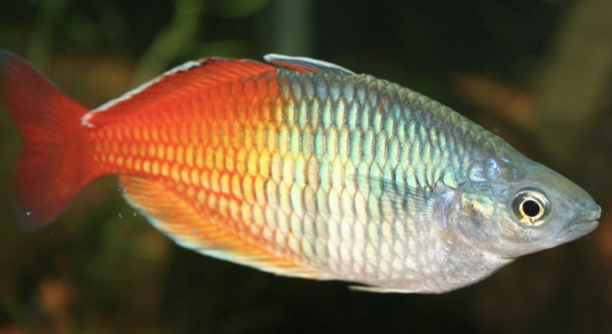
Rainbow fish are often admired for their beauty and vibrant colors. But when it comes to feeding time, do they behave the same way other animals do? Understanding their food-sharing habits can be an interesting journey.
Rainbow fish do not naturally share food. They are territorial and tend to compete for food resources. Their behavior is more about individual feeding rather than collaboration. Each fish typically focuses on securing food for itself.
Knowing how rainbow fish interact with food can help you understand their natural instincts. By exploring their behavior, you’ll better grasp what influences their feeding habits and social dynamics.
Understanding Rainbow Fish Feeding Behavior
Rainbow fish are generally solitary when it comes to eating. In the wild, they are often seen competing with one another for food, especially in environments where resources are limited. This competitive nature means that they do not typically engage in food sharing. They tend to focus on securing food for themselves rather than interacting with others in a cooperative way. In a tank setting, these behaviors are often observed as well, with each fish staking its claim on the available food.
Though it may seem that rainbow fish should share or feed together, their instinct is primarily based on individual survival. This territorial and competitive approach to food is common among many species in the wild. Fish, including rainbow fish, have evolved to prioritize securing food for themselves, especially when it comes to survival.
Rainbow fish feed best when given enough space and food to avoid competing with each other. Ensuring that each fish has its own area to eat and enough food to go around can help reduce stress and aggression. This is crucial for maintaining a peaceful and healthy tank environment.
Can They Be Taught to Share?
Rainbow fish are not inclined to share food. They may learn to tolerate the presence of others while feeding, but their natural behavior doesn’t support sharing.
Teaching rainbow fish to share would require altering their instincts. However, this is challenging since they are not naturally inclined to act cooperatively when it comes to food. If you provide more than enough food for each fish, it minimizes competition. Over time, they may coexist peacefully during feeding times, but they will not share food as some other animals might.
Their natural drive for food is an instinctive behavior tied to their survival. Unlike some species that may rely on social cooperation to ensure everyone gets their share, rainbow fish focus more on claiming their own food. Feeding multiple fish in separate areas of the tank may reduce aggressive behavior and allow each one to eat without interference. Although they will not “share,” the right environment and feeding setup can help ensure that every fish gets what it needs.
Rainbow Fish Feeding Habits
Rainbow fish are opportunistic feeders, meaning they’ll take food whenever it’s available. They are not naturally inclined to wait for others or share. In a tank with multiple rainbow fish, each one will rush to grab food, showing clear competition.
While their instinct is to secure food for themselves, rainbow fish can tolerate sharing a feeding space if there is enough food provided. In a well-stocked tank, they will still engage in competitive feeding, but they are less likely to fight if there are abundant resources. This allows each fish to get what it needs without too much stress or aggression.
Feeding rainbow fish regularly with a variety of foods helps maintain their health and energy levels. However, it’s essential to distribute food evenly throughout the tank. This ensures that each fish has a chance to feed without overwhelming the others. Over time, they may grow used to sharing the same feeding area, though they won’t actively share their food.
How to Minimize Feeding Competition
To minimize competition during feeding, you can break up the food into smaller portions and spread them out. This gives each fish a fair chance to get their share without crowding or fighting. It’s a simple solution to keep everyone calm.
A peaceful feeding environment is crucial for reducing stress. Avoid feeding all the fish at once in one spot. Instead, scatter the food around the tank or use feeding rings to control where they eat. When each fish feels it has its own space to feed, the aggression over food can be minimized.
Creating a calm and structured feeding routine can also help. Feeding at regular intervals and keeping a consistent schedule can give the fish a sense of security. This routine will make them less likely to fight over food and more likely to focus on eating peacefully.
Feeding Multiple Fish
When you have several rainbow fish in one tank, it’s important to remember that each one will want its own share of food. In this case, feeding multiple fish becomes a bit more challenging, but it’s manageable with the right approach.
Feeding multiple fish at once can create chaos if not done carefully. If you simply dump food into the tank, you might end up with aggressive behavior as they fight for the same bits. Spreading out the food can help prevent this, giving each fish enough space to feed.
The Right Amount of Food
Finding the right amount of food is key to preventing overeating and competition. Overfeeding can lead to excess waste and unhealthy water conditions, while underfeeding can result in malnourished fish.
By offering small, controlled amounts at regular intervals, you allow the fish to eat without overcrowding or competing for food. This helps keep both the fish and the tank environment healthy. Be sure to observe the fish after feeding to make sure everyone gets enough.
Tank Space and Feeding
Having enough space in the tank is just as important as how much food you provide. Overcrowding can cause stress and lead to more aggressive feeding behavior.
Ensure the tank has adequate swimming space for each fish, especially if you have a larger group. More space allows the fish to spread out during feeding times, reducing stress and the chances of fighting over food. A well-maintained tank will encourage a more peaceful feeding environment.
FAQ
Can rainbow fish be trained to share food?
Rainbow fish, like many other species, act mostly on their natural instincts, which means sharing food is not a behavior they typically exhibit. They are territorial feeders and focus on securing food for themselves, especially when resources are limited. You cannot easily train them to share food because their behavior is rooted in survival instincts. However, by providing enough food and space, you can reduce competition, which may make the feeding process smoother, but they won’t actively share.
How often should I feed my rainbow fish?
Rainbow fish should be fed once or twice a day, depending on their age and activity level. Young fish may require more frequent feedings, while adult fish can usually be fed once daily. It’s essential to offer only what they can consume in a few minutes to prevent overfeeding and water quality issues. Overfeeding can lead to uneaten food sinking and polluting the tank, which can stress the fish and encourage algae growth.
What types of food do rainbow fish prefer?
Rainbow fish are omnivores and will eat a variety of foods. They enjoy high-quality flakes, pellets, and frozen or live foods such as brine shrimp, bloodworms, and daphnia. A well-rounded diet with both plant-based and animal-based foods is important for their health. You can also offer occasional vegetables like spinach or zucchini, but ensure the pieces are small enough for them to consume.
Can rainbow fish fight over food?
Yes, rainbow fish can fight over food, especially in a small tank or when food is scarce. They are not naturally inclined to share, so feeding time can become competitive. To minimize aggression, it’s important to distribute food evenly across the tank or use feeding rings to control where the food lands. This allows each fish a chance to eat without overcrowding.
How can I tell if my rainbow fish are not getting enough food?
If your rainbow fish are not getting enough food, they may become lethargic or show signs of malnutrition. You may notice them hanging near the bottom of the tank or not swimming actively with the rest of the group. A lack of color vibrancy or visible signs of weight loss can also indicate they are not getting enough nutrition. Make sure to provide enough food for all the fish to eat in a short amount of time.
Is it okay to feed rainbow fish different types of food at once?
Yes, rainbow fish can handle a variety of foods at once, as long as they are of appropriate size and nutritional value. Mixing different types of food, such as flakes, pellets, and frozen options, ensures they get a balanced diet. However, avoid overwhelming them with too much variety at once. Small portions of different foods will prevent waste and help them stay healthy.
Why do rainbow fish seem to fight during feeding time?
Rainbow fish may fight during feeding because they are competing for food. Their territorial nature means they feel the need to secure food for themselves, especially when there is a limited supply. This can result in aggressive behavior like chasing or nipping. To prevent this, try to feed at different spots in the tank or break the food into smaller pieces to reduce direct competition.
What happens if I overfeed my rainbow fish?
Overfeeding can lead to several problems, including poor water quality, which can harm your rainbow fish. Uneaten food decomposes and releases toxins into the tank, causing stress and potential illness. Excess food can also lead to obesity in the fish, making them sluggish and unhealthy. To avoid overfeeding, give your fish only as much as they can eat in 2-3 minutes, and remove any leftovers after feeding.
How can I reduce aggression between rainbow fish during feeding?
To reduce aggression, try feeding rainbow fish in different areas of the tank. Spreading the food out gives each fish a better chance to eat without crowding or fighting. Another method is using a feeding ring or device that contains the food in one area, giving each fish time to eat peacefully. Ensuring there is enough food for everyone can also help reduce tension.
Can rainbow fish live with other species during feeding?
Rainbow fish generally do well with other peaceful species in a community tank. However, during feeding, it’s important to consider the behavior of all the tankmates. Fish that are faster or more aggressive may dominate the food. It’s a good idea to observe the fish during feeding times and ensure that no one is being bullied or denied food. If necessary, provide separate feeding areas for different species to avoid competition.
Do rainbow fish eat algae?
Rainbow fish do eat some algae, especially if it’s soft and growing on the tank surfaces. However, they are not considered major algae eaters like some other species, such as plecos or certain types of shrimp. They may help keep algae in check but should not be relied upon as the primary method of algae control. Regular tank maintenance and careful control of light and nutrients are necessary to keep algae growth under control.
How long do rainbow fish live?
Rainbow fish typically live for 5 to 8 years when properly cared for. Their lifespan can vary depending on the species and the conditions of the tank. A well-maintained tank, proper feeding, and appropriate water conditions can help maximize their lifespan. Keeping the water clean, monitoring temperature and pH, and reducing stress are key factors in helping your rainbow fish live a long and healthy life.
Can I feed rainbow fish too much live food?
While live food like brine shrimp or bloodworms can be a great treat for rainbow fish, it should not make up the bulk of their diet. Live food is rich in protein and can cause imbalances if fed too often. A varied diet that includes both plant-based and animal-based foods is best for their health. Occasional live food treats should be offered in moderation to avoid digestive issues or weight problems.
Final Thoughts
Rainbow fish are fascinating creatures, admired for their vibrant colors and active nature. While they may not naturally share food, understanding their feeding behavior can help create a peaceful and healthy tank environment. By providing enough food and space for each fish, you can minimize competition and stress, allowing your rainbow fish to thrive. It’s important to recognize that, like many other fish species, their instincts prioritize securing food for themselves, making them less likely to engage in cooperative feeding behaviors. However, with careful attention to feeding practices, you can reduce conflict and create a more harmonious environment.
Feeding rainbow fish requires a bit of planning. Giving them just the right amount of food is essential to maintaining their health. Overfeeding can lead to poor water quality, which negatively affects the fish and the overall tank environment. On the other hand, underfeeding can result in malnutrition and lethargy. Offering small, controlled portions at regular intervals ensures that your fish get the nutrition they need without excess food going to waste. Spreading food around the tank or using feeding rings can also help reduce aggression during feeding time. These small changes can make a big difference in your rainbow fish’s well-being.
Overall, rainbow fish are relatively easy to care for when their feeding habits are understood and managed correctly. They won’t share food or feed cooperatively, but with enough resources and a little patience, you can ensure each fish has the opportunity to eat without stress. By creating an environment where they feel secure and fed properly, you’ll have healthier, happier fish. Keeping an eye on their behavior and adjusting feeding practices as needed will help you enjoy these beautiful creatures in your tank for many years.

Hello,
If you enjoy the content that we create, please consider saying a "Thank You!" by leaving a tip.
Every little bit helps us continue crafting quality advice that supports the health, happiness, and well-being of pets around the world, for pets of all shapes, sizes, and species.
We really appreciate the kindness and support that you show us!