
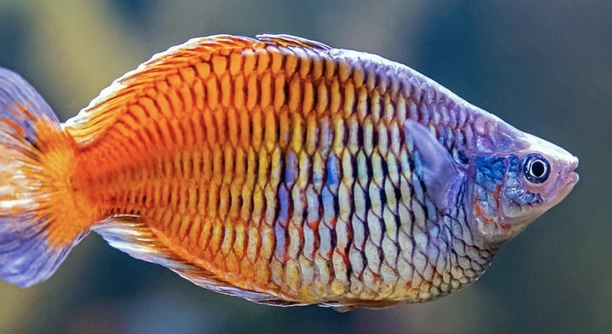
Rainbow fish are a popular aquarium choice, known for their vibrant colors and playful movements. Have you ever noticed how they behave differently when they’re in a group compared to when they’re alone?
Rainbow fish exhibit altered behaviors in groups due to social dynamics and survival instincts. In a group, these fish tend to display more coordinated movements, increased foraging, and a heightened sense of security, minimizing stress and predation risks.
Understanding how rainbow fish interact in groups offers insight into their social behaviors. This knowledge can enhance your aquarium setup and ensure their well-being.
Why Rainbow Fish Form Groups
Rainbow fish are naturally social creatures, and they often thrive in groups. In the wild, schools of rainbow fish provide safety, as moving together in a group confuses predators. This instinct to form groups is carried over into home aquariums, where they often feel more comfortable in numbers. The presence of other rainbow fish can reduce their stress levels and encourage natural behaviors like foraging, swimming in synchronized patterns, and even interacting with each other in playful ways.
While rainbow fish can survive alone, they are happier and healthier when kept in groups. These fish often appear more active and vibrant when they have others to interact with. In an aquarium setting, it’s best to keep at least six rainbow fish together, which allows them to maintain their social structure. A small group can also prevent any one fish from becoming overly dominant, which may cause stress.
In groups, rainbow fish display a greater range of social interactions. These include subtle gestures like following one another, engaging in light chasing, and communicating through body language. These behaviors help the fish bond and coordinate their actions within the group, creating a dynamic environment that supports their well-being.
The Importance of Group Dynamics
Rainbow fish display more vibrant colors and active behaviors when in groups. Social interaction plays a significant role in their health.
When kept alone, rainbow fish may become stressed, resulting in poor coloration and decreased activity. The social structure within a group helps them develop a natural routine of foraging, swimming, and even playing. This group dynamic also strengthens their immune system, as fish in groups are generally better at resisting diseases. When a rainbow fish is kept alone, they can often become more vulnerable to illnesses due to higher stress levels. A group environment, on the other hand, minimizes those risks and encourages a healthier, more active lifestyle.
Furthermore, being in a group provides rainbow fish with a constant sense of security. The safety of numbers allows them to explore their surroundings without as much fear of being preyed upon. The more rainbow fish are around each other, the more they can adjust to one another’s movements and adapt accordingly. This synchronization adds a calming effect, leading to overall healthier and happier fish. For aquarium owners, having a small group of rainbow fish not only looks beautiful but also supports the well-being of each individual fish in the tank.
Social Behavior and Feeding
Rainbow fish in groups are more likely to forage together, sharing the available food. This group behavior can lead to more active and balanced feeding times. They often compete in a friendly manner, promoting natural hunting and scavenging instincts, ensuring that no single fish dominates the food supply.
In a group, rainbow fish tend to eat more evenly, reducing the chances of one fish getting too much food. This can help maintain their health and ensure no one fish is left malnourished. The social feeding behavior can also reduce stress, as they feel more comfortable in the presence of others. When kept alone, a rainbow fish may hesitate or feel anxious about feeding, which can lead to reduced appetite and poor health.
The group feeding dynamic also encourages more varied diets. Rainbow fish often explore different types of food within a group setting, creating an environment where they can learn from one another. This behavior can enhance their overall nutrition, making sure they get a broader spectrum of nutrients.
Stress Reduction in Groups
Being in a group reduces stress levels for rainbow fish. Without the presence of others, they can feel isolated and more vulnerable. A group provides security, helping them remain calm and active throughout the day. The constant movement within the group allows them to stay alert and aware of their surroundings.
In the presence of others, rainbow fish also experience less aggression. While some fish may become territorial, rainbow fish are less likely to exhibit this behavior in larger groups. The interaction between multiple fish helps to distribute attention, making it less likely for any one fish to feel threatened or anxious. This lowered stress level is essential for their overall health.
Rainbow fish can sometimes display signs of aggression when they are kept alone or in very small groups. But in a larger group, they tend to focus on group activities like swimming and foraging rather than engaging in territorial disputes. This dynamic creates a more peaceful and stable environment, promoting healthier fish. For aquarium owners, maintaining a group of rainbow fish is the key to preventing stress-related health issues and ensuring a thriving tank.
Group Swimming Patterns
When kept in groups, rainbow fish often exhibit synchronized swimming patterns. These coordinated movements are a sign of their social bonding and can be a beautiful sight in an aquarium. They swim together, creating a fluid and harmonious display that reduces individual stress and promotes well-being.
Rainbow fish rely on their group for comfort and safety. Swimming in unison helps them stay alert to potential threats and avoid predators. The group movement creates a sense of security, where each fish feels protected and less exposed. This collective behavior also encourages more active swimming, which keeps the fish healthy and engaged.
As rainbow fish swim together, their colors become more vibrant, adding to the display. This behavior is an important part of their social structure and demonstrates how they rely on one another for safety and emotional support. Group swimming enhances their overall health and improves the dynamics of your aquarium.
Maintaining Health in a Group
Rainbow fish in groups are less likely to become sick due to the social interactions that help boost their immune system. Their constant movement and foraging together also encourage better health habits. This group dynamic is essential in reducing the risk of disease.
The strength of the group lies in its ability to share experiences, such as exposure to different food sources and environmental factors. These interactions help build a stronger resistance to diseases. In addition, the shared swimming patterns and synchronized behaviors reduce stress, a major factor in weakening immune systems.
By keeping rainbow fish in a group, the chances of one fish becoming isolated and stressed are greatly reduced. With the support of the group, their health remains balanced. For aquarium owners, the group setting is the most effective way to maintain a vibrant, thriving tank.
The Role of Social Hierarchy
Rainbow fish establish a social hierarchy when in groups. There is often a dominant fish that leads the group, with others following in a more passive role. While this hierarchy may seem strict, it helps maintain order within the group, reducing conflicts and stress.
This social order can make rainbow fish feel more secure in their environment. The dominant fish helps guide the others, and each fish plays a role in the group dynamics. In a well-balanced group, these roles shift, with each fish taking turns in leadership. This rotation helps maintain peace and stability within the group, encouraging healthy interactions.
FAQ
Do rainbow fish need to be in groups?
Rainbow fish are social creatures that thrive in groups. While they can survive alone, they are much healthier and more active when kept with other rainbow fish. In a group, they feel safer, reducing stress levels and allowing them to engage in natural behaviors like synchronized swimming and social interactions. It’s recommended to keep at least six rainbow fish in a tank to ensure they have a balanced social structure and feel comfortable in their environment.
What happens if I keep rainbow fish alone?
Keeping a rainbow fish alone can lead to stress and reduced activity. These fish are naturally social and often rely on group dynamics for comfort and security. A single rainbow fish in a tank may become shy, lethargic, or even aggressive if it feels isolated. Over time, this stress can affect its health, leading to poor coloration, decreased appetite, and weakened immune function. Therefore, it’s best to house rainbow fish with others of their kind.
How many rainbow fish should I keep together?
A group of at least six rainbow fish is ideal for maintaining a healthy social environment. This number provides enough space for the fish to form natural social bonds and reduce any potential aggression or dominance issues. A smaller group of two to three may lead to more territorial behavior and stress, while a group of six or more encourages a more balanced dynamic, where fish can interact freely and comfortably. Keeping more fish also helps maintain a lively and vibrant aquarium display.
Can rainbow fish be kept with other species?
Rainbow fish are peaceful and can generally be kept with other non-aggressive species. They do well in community tanks with fish that share similar environmental requirements, such as temperature, pH levels, and water hardness. Species like tetras, barbs, and gouramis are good companions for rainbow fish. However, it’s best to avoid aggressive or overly territorial species that could stress out the rainbow fish. Always ensure that tank mates are compatible in size and temperament.
What size tank do rainbow fish need?
Rainbow fish need a spacious tank to swim and interact freely. A tank that holds at least 30 gallons is recommended for a small group of rainbow fish. This gives them enough room to form natural social behaviors without feeling cramped. The larger the tank, the more fish you can comfortably keep. A bigger tank also provides more stable water parameters, which is important for the health of your fish. Make sure the tank has plenty of plants, decorations, and open swimming spaces for the fish to explore.
Do rainbow fish need special water conditions?
Rainbow fish are fairly adaptable but prefer stable water conditions. They thrive in water temperatures between 72°F and 80°F (22°C to 27°C), with a slightly acidic to neutral pH range of 6.5 to 7.5. They also do best in soft to moderately hard water. Regular water changes are essential to keep the environment clean and healthy. A good filtration system is recommended, as it helps maintain stable water quality. You should also monitor the ammonia and nitrate levels to avoid spikes, which could harm the fish.
How do rainbow fish behave in a group?
In a group, rainbow fish exhibit coordinated swimming and social behaviors. They often move together in a synchronized pattern, which not only looks beautiful but also provides them with a sense of security. The fish engage in playful interactions like chasing or following each other, creating a dynamic and active display. This social behavior helps reduce stress and ensures the fish feel safe in their environment. The more rainbow fish are kept together, the more natural and harmonious their behavior becomes.
Can rainbow fish get along with each other?
Rainbow fish generally get along well with each other, especially when kept in groups. However, there may be some minor dominance displays, especially if there are fewer fish. In larger groups, these interactions tend to balance out, with no single fish becoming overly aggressive. In a well-structured group, the fish share food, explore the tank together, and establish a peaceful social order. When kept alone or in very small groups, rainbow fish may become more territorial and stressed, leading to aggressive behavior.
Do rainbow fish change color?
Yes, rainbow fish are known for their bright and vibrant colors, which can change depending on their mood, age, and environmental factors. Male rainbow fish, in particular, tend to display more vivid colors, especially during mating seasons. Their color changes can also be influenced by the light and the overall health of the fish. Stress, illness, or poor water quality can cause their colors to become dull. When healthy and in a comfortable environment, rainbow fish display their full, radiant hues.
How can I tell if my rainbow fish is stressed?
Stressed rainbow fish may exhibit signs like loss of color, lethargy, or erratic swimming patterns. They may hide in corners or stay near the bottom of the tank, avoiding interaction with other fish. Stressed fish are also more susceptible to disease. Other signs include changes in their eating habits, such as reduced appetite or difficulty swimming. Maintaining stable water conditions, keeping the fish in groups, and offering plenty of hiding spots and swimming space can help reduce stress and promote a healthy, active fish.
What should I feed rainbow fish?
Rainbow fish are omnivores and enjoy a varied diet. They will happily eat flake food, pellets, and frozen or live foods such as brine shrimp or daphnia. To maintain their health, it’s essential to provide a mix of protein-rich foods and plant-based options. You can also offer vegetable matter like spirulina or blanched spinach. Feeding your rainbow fish a balanced diet promotes vibrant colors and overall health. Be sure to avoid overfeeding, as leftover food can affect water quality. Regular feeding, combined with occasional fasting days, helps prevent digestive problems.
How long do rainbow fish live?
Rainbow fish typically live for around 5 to 8 years, depending on their care and environment. In an aquarium with proper water conditions, a balanced diet, and regular maintenance, they can reach the upper end of that lifespan. Maintaining a stress-free environment, avoiding overcrowding, and providing a healthy diet all contribute to their longevity. Regular health checks and prompt attention to any issues that arise will also help ensure your rainbow fish live a full and healthy life.
Do rainbow fish need specific tank mates?
Rainbow fish are quite adaptable and can live with many different species as long as their tank mates are peaceful and share similar environmental needs. Good choices for tank mates include other non-aggressive fish like tetras, guppies, or peaceful barbs. Avoid keeping rainbow fish with larger, more aggressive species that may stress or harm them. When choosing tank mates, ensure that all species have similar temperature and water condition requirements. This way, all the fish in the tank can thrive together, contributing to a harmonious aquarium.
Final Thoughts
Rainbow fish are vibrant, active creatures that thrive best in groups. Their social nature means they feel most secure and comfortable when surrounded by other rainbow fish. Keeping them in groups encourages natural behaviors like synchronized swimming, foraging, and socializing, which are important for their overall health and well-being. When housed alone, they can become stressed, less active, and even more susceptible to illness. A group setting not only supports their natural instincts but also helps them feel safe, allowing them to display their brightest colors and most lively behaviors.
Proper tank conditions are crucial to maintaining a healthy environment for rainbow fish. These fish prefer stable water temperatures, clean water, and adequate space to swim and interact. They do best in tanks of at least 30 gallons, where they have room to move and form natural social structures. Having a good filtration system is essential for maintaining water quality and reducing stress. Regular water changes and monitoring of ammonia and nitrate levels also contribute to a healthier, stress-free environment for your fish. Additionally, maintaining appropriate pH levels and water hardness ensures their comfort and health.
In conclusion, rainbow fish are an excellent choice for aquarium owners who are looking for colorful and engaging fish that can thrive in social settings. Keeping them in groups ensures they remain active, healthy, and free from unnecessary stress. By providing the right tank conditions and ensuring they have enough tank mates, you can create a harmonious environment where these fish can flourish. Whether you’re a beginner or an experienced aquarium owner, rainbow fish bring beauty and life to any tank, making them a rewarding addition to your aquatic world.

Hello,
If you enjoy the content that we create, please consider saying a "Thank You!" by leaving a tip.
Every little bit helps us continue crafting quality advice that supports the health, happiness, and well-being of pets around the world, for pets of all shapes, sizes, and species.
We really appreciate the kindness and support that you show us!