
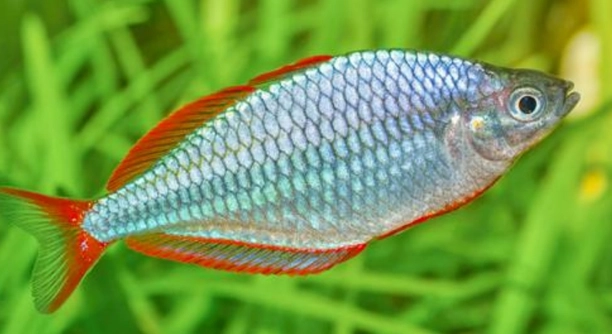
Adding a new rainbow fish to your aquarium can be exciting, but it’s important to make sure everything is in place first. Preparing the environment and understanding the needs of your new fish will ensure they thrive in their new home.
Before adding a new rainbow fish, check the water parameters, tank size, and compatibility with existing fish. Make sure your tank is well-established with the right filtration and heating system to support a healthy environment for your new fish.
Ensuring a balanced environment for your rainbow fish will help them feel at home. Knowing the basics will make the process smoother, keeping both your fish and tank in top condition.
Understanding the Water Conditions
When adding a rainbow fish, ensuring the water conditions are optimal is crucial for its well-being. Rainbow fish thrive in stable water temperatures between 72°F to 79°F (22°C to 26°C). The pH level should be slightly alkaline, around 7.0 to 7.5. It’s important to check the water hardness, too, as these fish prefer moderately hard water. Regular testing of these parameters with a reliable water test kit is a must. Keeping the water clean and filtered will reduce stress on your new fish and prevent potential health problems.
Rainbow fish are sensitive to sudden changes in their environment. They may struggle to adapt to fluctuating temperatures or incorrect water chemistry. Make sure your aquarium has a consistent filtration system, as clean water is essential for their health.
By testing the water regularly and adjusting accordingly, you will create an environment where your rainbow fish can flourish. The right conditions allow them to show off their beautiful colors and active behavior, which will bring your tank to life.
Tank Size and Space Requirements
Rainbow fish need space to swim freely. A tank that’s at least 30 gallons is recommended for a small group of them. A bigger tank provides more room and encourages natural behaviors.
The tank should be long rather than tall, as rainbow fish are active swimmers. You should aim to have enough swimming space in the middle and upper parts of the tank. A crowded tank can cause stress and increase the chances of disease. Overcrowding can lead to competition for food and territory, which can negatively affect their health. Providing adequate space will ensure your fish are comfortable and reduce aggression.
Having a proper-sized tank ensures that the fish feel secure and can display their natural behaviors. If you’re introducing more than one rainbow fish, consider a larger tank to accommodate them all. Keeping them in a spacious environment will help them stay healthy and vibrant for longer.
Tank Mates and Compatibility
Rainbow fish are peaceful and social but can be territorial with their own kind if the space is limited. When choosing tank mates, pick species that are similarly calm and non-aggressive. Avoid species that may outcompete them for food or space.
Good tank mates include peaceful species like tetras, rasboras, or corydoras catfish. These fish won’t interfere with the rainbow fish’s swimming patterns or territory. However, it’s important to avoid fish that are too aggressive, such as large cichlids, which could stress or even harm them. Keeping them with other calm fish ensures a harmonious environment.
Ensure all tank mates share similar water parameter needs. This prevents any stress caused by adjusting to different conditions. Adding compatible fish reduces the chances of conflicts and helps the rainbow fish feel more secure. Monitor interactions, especially in a new tank, to ensure everyone gets along and that no fish is bullied or overcrowded.
Filtration and Water Flow
Rainbow fish prefer clean water and moderate water flow. A good filtration system helps maintain water quality and removes debris. Make sure the filter isn’t too strong as this can cause stress to your fish, especially if they’re small or weak swimmers.
A gentle filter with adjustable flow is ideal for rainbow fish. They enjoy a mild current but don’t like excessive movement in the water. When setting up the filter, aim to replicate a natural environment where the water is clean but calm. Too much water flow can exhaust your fish, leading to health problems.
Monitor the water flow regularly and adjust as necessary. You want a steady water circulation to distribute nutrients and oxygen evenly without overwhelming the fish. Keeping the flow gentle and the water clean allows rainbow fish to feel at ease in their new home.
Acclimating Your New Rainbow Fish
When adding a new rainbow fish to the tank, proper acclimation is crucial to avoid shock. Slowly introduce the fish to the water by floating the bag for 15-20 minutes before releasing them. This helps them adjust to the tank’s temperature.
After floating the bag, begin adding small amounts of tank water into the bag every 5 minutes for about 30 minutes. This process, known as drip acclimation, helps the fish adjust to the water parameters. Once the fish seem comfortable, gently release them into the tank. Avoid sudden changes that could stress them out.
Acclimating the fish properly reduces the chances of health issues and helps them settle in without trauma. Rushing the process or making quick temperature or pH changes can result in shock or even death. Take your time to ensure a smooth transition.
Feeding and Nutrition
Rainbow fish are omnivores and thrive on a varied diet. A mix of high-quality flakes, pellets, and live or frozen foods like brine shrimp or daphnia ensures they get a balanced diet.
Offering a variety of food types mimics their natural diet and helps them stay healthy. Overfeeding can lead to water quality issues, so feed small amounts twice a day. Remove uneaten food to keep the tank clean.
Lighting and Aquarium Decor
Rainbow fish prefer a well-lit tank with plenty of plants for cover and swimming space. Bright lighting enhances their colors and mimics their natural environment. However, avoid direct, harsh light that could stress them.
Add live plants, rocks, and driftwood to create hiding spots and make them feel more at home.
FAQ
How often should I change the water in my aquarium?
It’s best to change 10-15% of the water weekly. This helps keep the water clean and removes toxins that build up over time. If you have a heavily stocked tank or fish that are particularly messy, you may need to change the water more often. Be sure to test the water before each change to ensure the parameters are stable.
Can rainbow fish live with other fish?
Yes, rainbow fish are peaceful and can live with other calm species. They’re compatible with fish like tetras, rasboras, and corydoras. Just make sure all tank mates have similar water requirements. Avoid aggressive or larger fish, as they may stress out the rainbows or compete for food.
Do rainbow fish need a heater in the tank?
Yes, rainbow fish thrive in a warm environment. A heater is necessary to maintain a consistent water temperature between 72°F and 79°F (22°C to 26°C). This helps ensure their metabolic processes run smoothly and prevents stress caused by temperature fluctuations.
What is the ideal tank size for rainbow fish?
A tank of at least 30 gallons is recommended for a small group of rainbow fish. They are active swimmers and need enough space to move freely. A larger tank will accommodate more fish and provide a better environment for them to exhibit natural behaviors.
How many rainbow fish should I keep together?
Rainbow fish are social animals and prefer to be in groups. It’s recommended to keep at least 5-6 rainbow fish together. This helps reduce stress and allows them to display more natural social behaviors. Keeping them in a group also enhances their vibrant colors, which are most visible when they feel secure.
What should I feed rainbow fish?
Rainbow fish are omnivores, so they eat a variety of foods. A balanced diet should include high-quality flake food, pellets, and occasional live or frozen foods like brine shrimp, daphnia, or bloodworms. Offering a mix of food helps ensure they get all the nutrients they need for good health.
Can rainbow fish live in cold water?
Rainbow fish do not do well in cold water. They require temperatures between 72°F and 79°F (22°C to 26°C). Cold water can cause stress and weaken their immune systems, making them more susceptible to disease. It’s important to keep their water within this temperature range.
Are rainbow fish aggressive?
No, rainbow fish are generally peaceful and non-aggressive. They are social fish that prefer to be kept in groups. However, they can become territorial with each other if the tank is too small, so providing ample space is important to avoid stress and aggression.
What are the best tank mates for rainbow fish?
The best tank mates for rainbow fish are other peaceful species like tetras, rasboras, and small catfish such as corydoras. These fish won’t compete for the same territory or food, and they also have similar water parameter needs. Avoid aggressive fish or larger species that could bully the rainbow fish.
Do rainbow fish need live plants in their tank?
While live plants are not strictly necessary, they are highly beneficial for rainbow fish. Plants provide hiding spots, encourage natural behaviors, and help maintain water quality. Rainbow fish feel more secure when they have places to hide and explore, and plants can make the tank look more natural and vibrant.
How can I tell if my rainbow fish is sick?
Signs of illness in rainbow fish include changes in behavior (such as lethargy or hiding), loss of appetite, discoloration, or abnormal swimming patterns. Fins clamped tightly to the body, white spots, or lesions on the skin are also signs of infection. If you notice any of these symptoms, quarantine the sick fish and check water parameters immediately.
Can rainbow fish breed in a home aquarium?
Yes, rainbow fish can breed in home aquariums if the conditions are right. You will need to provide a separate breeding area with soft, acidic water, as they prefer slightly lower pH levels during breeding. The water temperature should be around 75°F (24°C). Once the eggs are laid, they should be removed from the breeding tank to prevent the parents from eating them.
Why are my rainbow fish not showing their colors?
Rainbow fish may lose some of their vibrant color if they are stressed or unhealthy. Poor water quality, incorrect water parameters, or incompatible tank mates can all contribute to stress. Ensure your fish are kept in the right environment with good water quality, and they should regain their colors.
Can rainbow fish live in a community tank with shrimp?
Yes, rainbow fish can live with shrimp, but it’s important to choose the right type of shrimp. Smaller shrimp species, such as cherry shrimp, may be at risk of being eaten by larger fish. However, if you have plenty of hiding spots, the shrimp may be able to coexist with the fish peacefully.
What type of filtration system is best for rainbow fish?
Rainbow fish require a filtration system that provides moderate water flow. A gentle filter is ideal, as it keeps the water clean without causing too much current. A canister filter or hang-on-back filter with adjustable flow settings works well. Make sure to clean the filter regularly to maintain good water quality.
How do I prevent disease in my rainbow fish tank?
To prevent disease, maintain good water quality with regular water changes and test the water regularly. Avoid overfeeding, which can lead to poor water conditions. Quarantine new fish before adding them to the tank to avoid introducing diseases. Keeping the tank clean and monitoring fish for signs of illness will help prevent outbreaks.
Final Thoughts
Adding a new rainbow fish to your aquarium is an exciting process, but it requires careful planning and preparation. The key to ensuring your new fish thrive is creating the right environment for them. This means monitoring water conditions, providing enough space, and choosing compatible tank mates. Rainbow fish are peaceful, active creatures that need a balanced ecosystem to feel at ease. With the right setup, your rainbow fish will flourish and add beauty to your tank.
It’s important to remember that rainbow fish are social animals, and they do best when kept in groups. Keeping them in a community tank with other peaceful fish can lead to a harmonious environment. However, you should always ensure that all tank mates are compatible and share similar water requirements. By following the necessary steps for acclimating your fish and maintaining clean, stable water conditions, you can help your rainbow fish adjust to their new home smoothly. Over time, you’ll enjoy watching them swim freely and interact with each other.
In conclusion, the success of adding a rainbow fish to your tank lies in the details. Regularly testing your water, ensuring a properly sized tank, and offering a varied diet are all factors that contribute to your fish’s well-being. Taking the time to provide them with a safe, comfortable environment will not only make them feel at home but will also allow you to fully appreciate their vibrant colors and playful nature.

Hello,
If you enjoy the content that we create, please consider saying a "Thank You!" by leaving a tip.
Every little bit helps us continue crafting quality advice that supports the health, happiness, and well-being of pets around the world, for pets of all shapes, sizes, and species.
We really appreciate the kindness and support that you show us!