
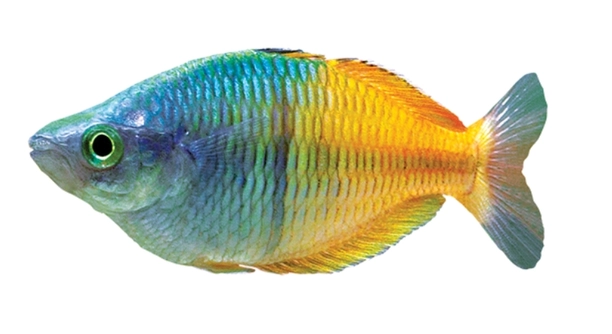
Rainbow fish are known for their vibrant colors and playful nature, but they may act shy when introduced to a new tank. This behavior can leave owners wondering why these beautiful fish seem hesitant in their new environment.
Rainbow fish often feel shy in a new tank due to stress from changes in water conditions, unfamiliar surroundings, and the presence of other tank mates. This natural reaction allows them to acclimate gradually and feel secure in their new habitat.
Understanding why your rainbow fish act shy can improve their transition to a new tank and ensure they thrive in their environment.
Why Do Rainbow Fish Get Shy in New Tanks?
When rainbow fish are placed into a new tank, their initial hesitation is not unusual. They are naturally cautious creatures, and a sudden change in environment can cause them to feel overwhelmed. Factors like unfamiliar decorations, new water parameters, and different lighting can all contribute to this behavior. Their need for a secure, stable space in which they can comfortably explore and adjust is essential. Although their behavior may seem shy or timid, it’s a normal response as they gradually acclimate to their new surroundings.
The change in their environment triggers stress responses that can affect their behavior. Once the fish adapt to the tank’s conditions, their confidence and activity levels typically improve. With time, they become more comfortable and begin swimming around the tank as they would in the wild.
Monitoring water quality and ensuring the tank’s layout is welcoming can significantly help ease this transition. By offering plenty of hiding spots and ensuring stable conditions, you create a more comfortable space for them.
Environmental Factors Affecting Their Behavior
Rainbow fish are sensitive to their surroundings, which can affect their behavior in noticeable ways. Inconsistent water temperature, poor water quality, and sudden changes in the tank’s setup can all contribute to their initial timidity. These conditions make the fish feel unsafe and stressed.
Providing a stable environment with consistent water parameters, such as temperature and pH levels, can prevent these issues. A well-planted tank with natural hiding spots offers a sense of security for your fish, allowing them to adjust more comfortably. When their basic needs are met, they begin to feel less threatened and more confident. This encourages exploration and socializing, which can alleviate shyness over time.
Tank Mates and Their Influence
Rainbow fish can become shy when introduced to aggressive or overly active tank mates. If they feel threatened by other fish, their natural instinct is to hide and observe from a safe distance. This is especially true for more peaceful species of rainbow fish.
Aggressive tank mates can make rainbow fish feel unsafe, leading to them becoming more cautious. Choosing non-aggressive fish that share similar temperaments will help reduce stress. Keep in mind that some species may be territorial, and adding multiple hiding spots can help reduce conflict. Overcrowding the tank can also increase stress levels, so it’s important to provide enough space for all fish.
Fish that swim too fast or are overly dominant may drive rainbow fish to seek shelter more often. In contrast, a peaceful and calm tank environment encourages the fish to feel comfortable enough to explore and interact with their surroundings.
Water Quality and Stress Levels
Water quality plays a significant role in the comfort of rainbow fish. If the water is too dirty or fluctuates in temperature, it can create stress. Rainbow fish need stable and clean water to feel secure.
Regular water changes are essential in keeping the environment healthy. Ammonia, nitrites, and nitrates should be kept at safe levels to ensure that the fish don’t experience discomfort. Poor water quality causes rainbow fish to act shy and hide more often. Ensure that you have a proper filtration system in place to keep the water pristine. Additionally, monitoring the water’s temperature ensures they remain comfortable, reducing the likelihood of stress-induced behavior.
A consistent and well-maintained tank environment improves their overall health and encourages more natural behavior.
Lighting and Its Effect on Behavior
Rainbow fish can become shy if the lighting in the tank is too bright or too dim. Proper lighting plays a role in their comfort level and activity.
If the tank is too brightly lit, rainbow fish may feel exposed and stressed, prompting them to hide. On the other hand, insufficient lighting can also affect their behavior, as they might not feel motivated to swim and explore. Finding a balance in lighting is crucial. Providing a lighting schedule that mimics natural day and night cycles helps the fish feel more at ease. Additionally, dimming the lights at night can encourage a restful environment, making them feel secure.
Tank Size and Space
Rainbow fish need enough space to swim freely. A small tank can cause them to feel cramped and stressed, leading to shyness.
A larger tank gives rainbow fish more room to swim and explore. This can reduce territorial behavior and provide plenty of hiding spots, making them feel less threatened. Overcrowding a tank, even with smaller fish, can still create tension and discomfort. A spacious environment allows rainbow fish to establish their own territory and reduces feelings of confinement. Providing adequate space for each fish promotes healthier and more confident behavior, allowing them to adapt faster to their new home.
FAQ
Why do rainbow fish hide so much in a new tank?
Rainbow fish often hide in a new tank because they are adjusting to the new environment. Changes in water temperature, water quality, or lighting can make them feel stressed. Their instinct is to find a safe spot to observe their surroundings. Over time, as they grow comfortable with the tank, they begin to swim around more confidently.
How long does it take for rainbow fish to adjust to a new tank?
The adjustment period for rainbow fish can vary depending on their individual temperament and tank conditions. Typically, it may take anywhere from a few days to a couple of weeks. As they get used to their new environment, their shy behavior should decrease, and their activity levels should increase.
Can rainbow fish be stressed by tankmates?
Yes, rainbow fish can become stressed by aggressive or overly active tankmates. If other fish are too dominant or territorial, rainbow fish may retreat and hide more often. It’s important to choose tankmates that are peaceful and have similar activity levels to reduce stress. Additionally, ensuring there are enough hiding spots in the tank can help alleviate tensions.
What water conditions do rainbow fish prefer?
Rainbow fish prefer clean, slightly alkaline water with a temperature range of 72-80°F (22-27°C). The pH should be between 6.5 and 7.5. Keeping the water parameters stable helps reduce stress and encourages natural behavior. Regular water changes and proper filtration are essential for maintaining a healthy environment for rainbow fish.
Does lighting affect rainbow fish behavior?
Yes, lighting plays a significant role in the behavior of rainbow fish. Too much light can cause them to feel exposed and stressed, while too little light may leave them feeling inactive and unsure of their surroundings. It’s best to provide moderate lighting with a natural day-night cycle to make them feel more comfortable.
How can I help my rainbow fish feel more comfortable in their new tank?
To help your rainbow fish adjust, provide a stable environment with consistent water conditions and moderate lighting. Add plenty of plants, rocks, or decorations for hiding spots. This gives the fish a sense of security. Avoid introducing overly aggressive fish or overcrowding the tank, as this can contribute to stress.
Are rainbow fish social?
Rainbow fish are generally social creatures and enjoy swimming in groups. They feel safer and more comfortable in groups, which can reduce stress. A school of at least six rainbow fish is recommended, as this provides them with companionship and helps them feel secure in their new environment.
Can rainbow fish adapt to a community tank?
Rainbow fish are peaceful and can thrive in a community tank if the tankmates are compatible. They are best kept with other non-aggressive species that share similar water requirements. A well-planted tank with plenty of open space for swimming is ideal for creating a harmonious environment.
Do rainbow fish need a lot of hiding spots?
While rainbow fish are not overly shy, providing hiding spots is important for their comfort. Especially during the initial adjustment period, they may use these spots to retreat if they feel threatened. As they become more comfortable, they will spend more time swimming in open areas, but having hiding spots available helps them feel secure.
Can rainbow fish live in a tank with no plants?
Rainbow fish can live in a tank without plants, but they will benefit from the added security and beauty that plants provide. Live plants offer places to hide, which can reduce stress during their adjustment period. Additionally, plants help maintain water quality, creating a healthier environment for the fish. If you don’t want live plants, artificial ones can provide similar benefits.
What should I do if my rainbow fish seems sick or unusually shy?
If your rainbow fish is acting overly shy or seems ill, check the water quality immediately. Poor water conditions can cause stress and illness. If the water parameters are fine and the behavior persists, consider the possibility of a health issue. Look for signs of disease, such as unusual swimming patterns, discoloration, or lesions. It’s best to quarantine the fish and seek advice from an aquarium professional if needed.
Can I mix different species of rainbow fish?
Yes, different species of rainbow fish can be kept together, as long as their size and temperament are compatible. Popular species, such as the Boesemani and the Australian rainbow, often do well together. However, ensure that the species you choose share similar water requirements and are not too territorial.
What is the best tank size for rainbow fish?
A tank size of at least 30 gallons is ideal for rainbow fish, particularly if you plan to keep multiple fish. Larger tanks provide more space for swimming and reduce the chances of territorial conflicts. A larger tank also makes it easier to maintain stable water parameters, contributing to a healthier and less stressful environment for your fish.
How can I tell if my rainbow fish is stressed?
Stressed rainbow fish often display signs such as hiding excessively, lack of appetite, unusual swimming behavior, or faded colors. They may also become more aggressive toward other fish or exhibit erratic movements. Monitoring their behavior and water quality can help you identify and address stress early on.
What types of food do rainbow fish prefer?
Rainbow fish are omnivores and enjoy a varied diet that includes high-quality flake food, pellets, live or frozen foods like brine shrimp, daphnia, and bloodworms, and plant matter like spirulina. Offering a balanced diet ensures they receive the necessary nutrients for healthy growth and vibrant coloration.
Final Thoughts
Rainbow fish may initially act shy when placed in a new tank due to changes in their environment. This behavior is normal as they adjust to the new surroundings, which can include unfamiliar water conditions, lighting, and tank mates. Over time, as they become more comfortable with their new home, their natural curiosity and activity will return. Patience is key during this adjustment period. Ensuring a stable and peaceful tank environment will help ease their transition and encourage more confident behavior.
Several factors can influence how quickly rainbow fish adapt to their new tank. The quality of the water, the compatibility of their tank mates, and the size of the tank all play important roles. If the tank is overcrowded or if there are aggressive fish present, the rainbow fish may feel stressed and hide more often. Creating a peaceful, spacious environment with plenty of hiding spots will help them feel secure. Regular water changes and maintaining consistent water parameters will further reduce stress, promoting a more comfortable environment for your fish.
Ultimately, understanding the reasons behind your rainbow fish’s behavior can help you create a better environment for them. By providing the right conditions, such as suitable tank mates, good water quality, and appropriate lighting, you can help your rainbow fish thrive. With patience and care, these beautiful fish will gradually become more active and confident, adding color and movement to your aquarium.

Hello,
If you enjoy the content that we create, please consider saying a "Thank You!" by leaving a tip.
Every little bit helps us continue crafting quality advice that supports the health, happiness, and well-being of pets around the world, for pets of all shapes, sizes, and species.
We really appreciate the kindness and support that you show us!