
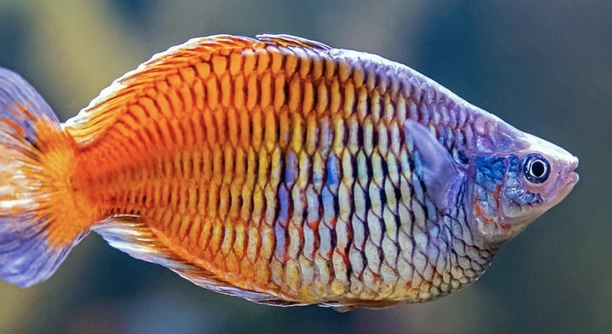
Have you ever watched a group of rainbow fish and noticed one always standing out from the rest, looking more confident and bold? These colorful fish may live together peacefully, but often, one becomes the obvious leader of the group.
Dominance in rainbow fish is usually due to a combination of natural temperament, hierarchical behavior, and environmental factors. Certain fish exhibit stronger territorial instincts and social assertiveness, allowing them to establish higher social status within their group and maintain dominance over others.
This behavior is not random and often connects to their social structure, environment, and instincts. Learning more about these factors will help you understand why one rainbow fish always seems to lead.
Natural Behavior Behind Dominance
Rainbow fish are naturally social creatures, and their behavior is shaped by instinctive patterns. In a group setting, one fish often asserts itself to establish a hierarchy. This dominant fish may be more aggressive during feeding times, swim in the most favorable areas, and display brighter colors. Environmental factors, such as tank size and the number of hiding spots, can also influence this behavior. A fish that feels secure and has easy access to food and shelter often rises to the top. Additionally, dominance is not always permanent. Changes in the tank, such as adding new fish or rearranging decorations, can shift the balance. Younger fish may also challenge older dominant ones over time. Observing these shifts closely helps explain why dominance is a fluid part of a rainbow fish’s life, shaped by both their nature and the environment they live in.
Dominance is often expressed through chasing, displaying brighter scales, and claiming preferred swimming areas. These actions reinforce the fish’s place in the group and discourage challenges from others.
Understanding how a rainbow fish’s natural instincts influence its behavior creates a clearer picture of its actions. Many factors, including environment and natural temperament, work together to decide which fish will take the lead in a tank.
Environmental Factors That Encourage Leadership
Tank setup plays a major role in how rainbow fish interact. A crowded tank with limited hiding spaces can force a hierarchy to form quickly among the fish.
In a well-designed environment, dominant rainbow fish can easily claim the best territories, such as areas near food sources or strong currents that provide oxygen-rich water. Fish that control these spaces have a natural advantage, giving them more energy and strength compared to their tank mates. Lighting also affects dominance; brighter lighting often enhances the colors of the dominant fish, making them appear even more striking and authoritative. Temperature and water quality are additional environmental factors that can impact the social structure. A comfortable environment reduces stress, allowing natural behavior patterns to become more noticeable. When conditions are poor, the dominance struggle may intensify as fish compete for limited resources. Setting up a tank with plenty of hiding spots, balanced lighting, and stable water conditions helps support a healthier and more peaceful social dynamic among rainbow fish.
Social Interactions and Hierarchy
Rainbow fish use body language and movement to communicate dominance. Chasing, fin flaring, and controlling space are common signs. These actions often happen during feeding times or when new fish are introduced to the group, reinforcing the established social order.
Once a rainbow fish asserts dominance, it usually defends its position through repeated displays of strength and confidence. Submissive fish often avoid confrontation by yielding swimming space and food access. Over time, these interactions become routine and create a stable environment, reducing the number of aggressive encounters. If a dominant fish becomes stressed or ill, the hierarchy can shift quickly as others sense the opportunity to rise. Rainbow fish are highly sensitive to changes in their social group, and their behavior adapts depending on the health and strength of the dominant individual. Observing these small changes can offer insight into the natural flow of their relationships.
Social hierarchy benefits the entire group by creating order and reducing constant competition. Fish that establish their roles early face less daily stress, leading to better health and stronger colors. While small skirmishes may happen, a clear leader often keeps the peace by setting boundaries. Stability in the group also encourages better feeding behavior and safer swimming patterns.
Physical Traits That Influence Dominance
Physical appearance plays a strong role in establishing dominance among rainbow fish. Bright, bold colors and larger body size often intimidate smaller, duller fish, giving the dominant one an advantage when claiming territory or food sources within the tank.
Stronger fins, sharper movements, and even posture can influence which fish becomes the leader. A fish that moves swiftly and confidently is less likely to be challenged by others. Males usually display brighter colors than females, especially during breeding periods, which further emphasizes their status. However, not all dominance is based solely on looks. A physically smaller fish with a bold personality can sometimes outperform a larger, more passive one. Good health enhances appearance and behavior, making nutrition and water quality essential factors. Maintaining a clean tank and providing a balanced diet help each fish reach its full potential, which naturally supports a healthier and more peaceful hierarchy among your rainbow fish.
How Health Impacts Dominance
A healthy rainbow fish has more energy, brighter colors, and stronger movements, helping it maintain a dominant role. Sickness or stress weakens a fish, making it more likely to lose its position to a stronger, healthier tank mate.
Good nutrition, clean water, and low-stress environments are important for supporting your rainbow fish’s health. Regular tank maintenance, varied diets, and careful monitoring for signs of illness all contribute to keeping a dominant fish strong. Small changes in behavior often hint at health issues before they become obvious.
Age and Experience Matter
Older rainbow fish often dominate younger ones simply through experience and strength. With time, they learn how to control resources, predict tank patterns, and avoid unnecessary conflicts. Their confidence naturally places them above less experienced fish in the group.
When Dominance Becomes a Problem
Aggressive dominance can sometimes stress other fish, leading to injuries or hiding behavior. Adding more plants, hiding spots, or even rehoming the dominant fish may help restore balance if the tank environment becomes too tense.
FAQ
Why does one rainbow fish dominate over the others?
The dominant rainbow fish is often the one with a mix of strength, confidence, and experience. Natural behaviors, like territoriality and the need to assert dominance, cause one fish to stand out. Fish with vibrant colors or bigger sizes are more likely to lead, but personality and behavior also play a role. The tank environment affects these traits too, as a fish with easy access to food or hiding spaces is more likely to assert itself.
Can dominance shift among rainbow fish?
Yes, dominance can shift over time. As fish grow or as their environment changes, weaker fish may challenge the dominant one. For example, when a dominant fish becomes ill, other fish may sense the opportunity and take over the leadership role. Dominance is fluid, and sometimes new fish or changes in the tank structure can cause the hierarchy to shift. It’s part of their natural social dynamics.
Do rainbow fish fight when establishing dominance?
Rainbow fish do engage in some level of aggression to establish their dominance, but these conflicts are usually brief and not overly violent. They may chase each other, display their fins, or swim aggressively to claim territory. However, unlike some other species, rainbow fish don’t tend to engage in sustained physical fights. The most dominant fish will usually intimidate others with its size, color, and behavior, avoiding extended conflicts.
How can I reduce aggressive behavior in my rainbow fish tank?
To reduce aggression, provide plenty of space, hiding spots, and areas for each fish to establish its territory. A well-planted tank with lots of nooks and crannies will give smaller fish places to hide and reduce stress. Keeping the tank well-maintained with clean water and balanced parameters is also important. Additionally, consider adding more rainbow fish to help distribute the social load, ensuring one fish doesn’t have to dominate completely.
Do rainbow fish form long-term social bonds?
Rainbow fish are generally not known for forming long-lasting social bonds like some other species, such as bettas or goldfish. However, they do maintain stable social structures based on dominance and hierarchy. They interact primarily based on territorial needs, food access, and general social dynamics. While they may seem to interact regularly, it’s typically more about their positioning within the group rather than forming specific friendships or partnerships.
Can I keep multiple dominant rainbow fish in the same tank?
Keeping multiple dominant rainbow fish in the same tank can be challenging. If there is not enough space or hiding spots, their territorial instincts may lead to aggression. However, if the tank is large and well-planted with plenty of room for each fish, it is possible to maintain a peaceful environment. Make sure to monitor interactions and be ready to step in if signs of aggressive behavior increase.
How does tank size affect dominance?
Tank size plays a significant role in how dominance is established. In a small tank, space is limited, and the dominant fish will have fewer places to assert control. In contrast, a larger tank allows fish to establish territories, reducing stress and limiting the amount of interaction between dominant fish. More space means less direct competition for food and resources, which can result in a more stable social environment.
Do rainbow fish change their behavior based on water conditions?
Yes, rainbow fish can change their behavior based on water quality. Poor water conditions can increase stress levels, making dominant fish more aggressive or leading to health issues that affect their ability to maintain their position in the group. Clean, well-maintained water is essential for a balanced social environment, as stressed fish are more likely to display aggressive behaviors or struggle with competition.
How do rainbow fish handle changes in their group?
Rainbow fish are highly adaptive and can adjust to changes in their group, although it may take some time. Adding new fish can temporarily disrupt the hierarchy, with the established dominant fish asserting itself against newcomers. However, over time, the group will usually settle into a new social structure. The key is providing enough space and resources for each fish to establish its role without excessive competition.
Is it okay to remove a dominant fish from the tank?
Removing a dominant fish can affect the social structure, potentially creating stress among the remaining fish. The absence of a clear leader can lead to increased aggression as the remaining fish attempt to fill the leadership role. However, if the dominant fish is too aggressive or causing harm to others, removing it may be necessary. In that case, monitor the tank closely to ensure that the remaining fish adjust well to the change.
Are rainbow fish more aggressive during breeding?
Yes, rainbow fish can become more aggressive during breeding periods. Males typically display more vivid colors and can be territorial when protecting a potential mate or their breeding space. During this time, they may become more assertive, especially towards other males. Providing ample space and hiding spots can help reduce conflicts during breeding periods, allowing for a smoother social dynamic.
Do rainbow fish need other rainbow fish to thrive?
While rainbow fish can technically survive alone, they thrive better in groups. They are social creatures and do best when kept with others of their kind. Having a group helps maintain their natural social structures, reduces stress, and encourages more natural behaviors. Keeping them in groups also prevents one fish from becoming overly dominant, which can help reduce aggression and stress.
Final Thoughts
Understanding the dynamics of dominance in rainbow fish provides valuable insight into their behavior and needs. These fish naturally establish a social hierarchy, with one individual often taking the dominant role. This position is determined by a mix of factors, including size, health, and behavior. The dominant fish controls the tank’s resources, such as food and territory, but this can change over time as fish grow, become healthier, or show signs of stress. Observing these interactions closely can help you maintain a peaceful and healthy environment for all your fish.
While dominance is a natural part of their behavior, it is essential to manage the tank environment to reduce aggression and stress. Providing enough space, hiding spots, and resources for each fish will help maintain a balanced social structure. Keeping the water clean and stable is also crucial for promoting healthy fish behavior. By ensuring that your rainbow fish are healthy and the environment is stress-free, you can encourage the growth of a peaceful community where dominance doesn’t lead to constant conflict or harm.
In conclusion, the dominance of one rainbow fish in a tank is an expected part of their social structure. It is shaped by various factors such as health, physical traits, and the overall environment. With the right care, you can support all your fish in maintaining a healthy, stable hierarchy. This allows them to thrive and reduce any harmful aggression that may arise. By understanding how dominance works and taking steps to ensure a comfortable environment, you can help your rainbow fish lead a long, healthy life in their tank.

Hello,
If you enjoy the content that we create, please consider saying a "Thank You!" by leaving a tip.
Every little bit helps us continue crafting quality advice that supports the health, happiness, and well-being of pets around the world, for pets of all shapes, sizes, and species.
We really appreciate the kindness and support that you show us!