
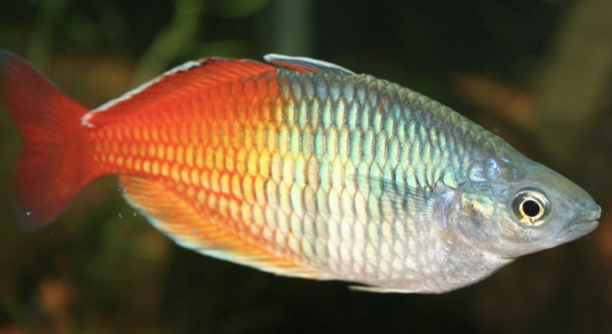
Rainbow fish are popular in home aquariums due to their vibrant colors and lively personalities. However, they can sometimes struggle with low oxygen levels in the water, which can affect their health and behavior.
Rainbow fish that are not getting enough oxygen may show signs like rapid gill movement, lethargy, and erratic swimming. These signs often point to poor water conditions or insufficient aeration, which are vital for the fish’s well-being.
Understanding the importance of oxygen levels in your aquarium is essential for maintaining a healthy environment. Proper care ensures your fish thrive and remain active.
Signs of Low Oxygen Levels in Your Rainbow Fish
Low oxygen in the tank can be harmful to your rainbow fish, leading to stress and potential health problems. One common sign is rapid gill movement. If your fish are breathing heavily, this often indicates they’re trying to take in more oxygen. Another sign is lethargy or lack of movement. Healthy rainbow fish are usually active swimmers, so when they appear tired or sluggish, it could mean the oxygen levels are too low. Fish may also swim erratically, darting around or floating near the water’s surface, where oxygen concentration is higher. These behaviors can make it easier to spot oxygen problems before they become more serious.
If your rainbow fish start acting differently than usual, it could be a sign they’re struggling with oxygen levels. Make sure to check for these changes, as they are often the first indicators that something’s wrong in the tank.
While your fish may show these symptoms occasionally, it’s essential to understand why these signs appear. The primary cause of low oxygen levels often stems from insufficient water circulation, poor aeration, or overcrowding. By regularly maintaining your aquarium, you can prevent these issues and keep your fish healthy.
Improving Oxygen Flow in Your Aquarium
One simple solution to increase oxygen is to improve water movement. Adding a filter with a strong flow or an air pump will help maintain proper circulation. These devices move the water around, allowing oxygen to mix in more effectively. Another approach is adding more live plants to your aquarium. They naturally produce oxygen through photosynthesis, benefiting the overall oxygen levels in the tank. However, be mindful of overcrowding. Too many plants can cause the opposite effect, decreasing oxygen levels at night.
Maintaining proper oxygen levels is critical for your rainbow fish’s health. By improving water circulation and introducing natural oxygen sources, you can create a healthier environment. Also, avoid overfeeding to reduce waste buildup, which can deplete oxygen.
Importance of Regular Water Changes
Regular water changes are essential to maintaining healthy oxygen levels. If waste and debris build up in the tank, it can lead to oxygen depletion, stressing your fish. By changing the water regularly, you reduce contaminants and improve overall water quality.
Performing partial water changes every week or two can greatly enhance oxygen circulation. This practice not only ensures the tank stays clean but also helps maintain a healthy balance of bacteria and nutrients, preventing harmful buildups. Consistently replacing 20-30% of the water can also reduce the risk of harmful algae blooms that consume oxygen.
When you change the water, it’s important to match the new water’s temperature and pH to avoid shocking your fish. Adding a dechlorinator can also help prevent chemicals from affecting your rainbow fish. Over time, this routine will help sustain optimal oxygen levels and a balanced tank environment.
Maintaining Proper Temperature
Water temperature directly affects oxygen levels. Warm water holds less oxygen than cooler water, so it’s crucial to monitor the temperature of your tank. Keeping your rainbow fish in an environment that is too warm can lead to oxygen depletion, making them more vulnerable to stress.
Aim for a water temperature between 72°F and 78°F for rainbow fish. If the temperature exceeds this range, oxygen levels may fall, which could result in the fish showing signs of distress. Using a reliable aquarium thermometer can help you track the water temperature to ensure it remains stable.
A good way to manage temperature is by using a heater with a thermostat. This helps keep the tank temperature consistent, preventing sudden fluctuations that could harm the oxygen levels. Be sure to adjust the heater settings gradually to avoid stressing the fish.
Overcrowding in the Tank
Overcrowding can lower the oxygen levels in the tank. With too many fish in one space, there’s less oxygen available for each individual. This can result in stress, competition for oxygen, and unhealthy fish.
It’s essential to know the appropriate stocking density for your tank size. Rainbow fish are active swimmers and need space to thrive. By ensuring your tank isn’t overcrowded, you allow for better water circulation and a healthier environment for your fish. Always consider adult size when adding new fish to avoid overstocking.
Poor Tank Filtration
A weak filtration system makes it harder for oxygen to circulate throughout the tank. Filtration plays a key role in removing waste and maintaining water clarity, both of which help maintain healthy oxygen levels. Without it, oxygen levels drop, and your fish can become stressed.
A high-quality filter that suits the size of your tank is crucial. Look for filters that provide both mechanical and biological filtration. This will not only keep the water clean but also ensure that oxygen flows freely throughout the tank, keeping your rainbow fish happy and healthy.
Oxygenating the Tank with Air Stones
Air stones are a simple but effective way to improve oxygen circulation. These devices create small bubbles in the water, which increase surface agitation. The movement of water helps oxygen dissolve more efficiently, providing your fish with the oxygen they need.
Air stones are inexpensive and easy to set up, making them a great addition to any aquarium. They work well in tanks with heavy fish populations or those with less water movement. You can place them near the filter or in a corner to maximize oxygen flow.
FAQ
How do I know if my rainbow fish aren’t getting enough oxygen?
Signs of low oxygen in rainbow fish include rapid gill movement, lethargy, and erratic swimming patterns. Your fish may also hover near the surface of the water, trying to access higher oxygen concentrations. If these behaviors are noticed, it’s essential to check your tank’s oxygen levels and water quality.
What causes low oxygen levels in an aquarium?
Low oxygen can be caused by a few factors, including poor water circulation, insufficient aeration, overcrowding, or an inadequate filtration system. If your aquarium doesn’t have enough movement or aeration, the oxygen may not be evenly distributed throughout the tank. Also, excessive waste or algae buildup can deplete the oxygen levels in the water.
Can I use a filter to improve oxygen levels?
Yes, a filter is a good way to increase oxygen circulation. Filters help keep the water moving, allowing oxygen to mix more efficiently. A filter that provides both mechanical and biological filtration is ideal because it not only removes debris but also helps oxygenate the water. Make sure your filter is suitable for the size of your tank to avoid poor filtration.
Do I need to add an air pump to my aquarium?
An air pump can be beneficial, especially if your aquarium has low water movement or a large number of fish. It provides additional oxygenation by creating bubbles that agitate the water’s surface, improving gas exchange. Air pumps are easy to install and can make a big difference in keeping your fish healthy.
How often should I change the water in my aquarium?
It’s recommended to perform partial water changes every week or two. Replacing 20-30% of the water helps reduce waste buildup and refreshes the oxygen levels. Regular water changes are important for maintaining water quality and ensuring your rainbow fish have enough oxygen to thrive.
Can live plants help with oxygen levels in my tank?
Yes, live plants are natural oxygenators. During the day, they perform photosynthesis, which produces oxygen and helps improve water quality. However, be cautious not to overcrowd your tank with too many plants, as this can create oxygen depletion at night when plants consume oxygen instead of producing it.
Does water temperature affect oxygen levels?
Yes, warmer water holds less oxygen than cooler water. Rainbow fish thrive in temperatures between 72°F and 78°F. If your aquarium water is too warm, oxygen levels may drop, causing stress for your fish. Make sure your tank’s temperature is monitored and maintained to prevent oxygen-related issues.
How can I ensure my rainbow fish are getting enough oxygen?
To ensure your rainbow fish get enough oxygen, provide good water movement with a quality filter and air pump. Keep the water temperature stable, avoid overcrowding, and perform regular water changes. Also, consider adding live plants for natural oxygen production. Monitoring these factors can help maintain healthy oxygen levels for your fish.
What is the ideal water flow for rainbow fish?
Rainbow fish prefer moderate water flow. Too much current can stress them, while too little can lead to stagnant water and low oxygen levels. A filter or pump with adjustable flow settings can be useful for creating a balanced environment. Aim for gentle to moderate flow that allows the fish to swim comfortably.
Can overcrowding cause stress for rainbow fish?
Yes, overcrowding can cause significant stress for rainbow fish. Too many fish in a small tank compete for oxygen and space, leading to a higher risk of disease and poor water quality. Make sure to follow recommended stocking guidelines and avoid adding too many fish to your tank.
Should I use an oxygen test kit for my aquarium?
Using an oxygen test kit can be helpful, especially if you’re unsure about the oxygen levels in your tank. These kits are easy to use and provide an accurate reading of the dissolved oxygen in your water. Regular testing helps you monitor the health of your tank and ensure your fish are getting enough oxygen.
Is surface agitation important for oxygen levels?
Yes, surface agitation is essential for oxygen exchange. When the surface of the water is disturbed, it allows gases like oxygen to dissolve into the water more efficiently. You can achieve surface agitation with an air stone, filter, or water pump to ensure that your rainbow fish are getting enough oxygen.
Can low oxygen levels affect my rainbow fish’s health long term?
Yes, if oxygen levels remain low for extended periods, it can weaken your rainbow fish’s immune system, making them more susceptible to disease. Chronic low oxygen can also stunt growth, reduce activity levels, and shorten the lifespan of your fish. Ensuring good oxygenation in the tank is crucial for long-term fish health.
Are oxygenating filters better than regular filters?
Oxygenating filters are designed to enhance oxygen flow in your aquarium. While regular filters help with water filtration, oxygenating filters take it a step further by improving gas exchange, which can help maintain better oxygen levels in the tank. If oxygenation is a concern, consider using an oxygenating filter to improve conditions.
Do rainbow fish need a specific tank size to get enough oxygen?
Yes, rainbow fish need adequate space to ensure they have enough oxygen. A larger tank allows for better water movement and more oxygen exchange. Overcrowding can quickly deplete oxygen, so ensure your tank is large enough for the number of fish you have. Aim for at least 20 gallons for a small group of rainbow fish.
What are the signs of oxygen toxicity in rainbow fish?
While oxygen toxicity is rare, it can occur if oxygen levels are excessively high. Signs include erratic swimming behavior, gill flaring, or fish appearing stressed and trying to swim towards the surface frequently. If you notice these symptoms, check your tank’s aeration system to ensure it’s not over-aerating the water.
Final Thoughts
Maintaining proper oxygen levels in your aquarium is essential for the health and well-being of your rainbow fish. These vibrant fish rely on consistent oxygen to swim, grow, and stay active. Without enough oxygen, they can become stressed, leading to health issues and even a shortened lifespan. By paying attention to their behavior and keeping a close eye on water quality, you can spot signs of oxygen problems early and take action. Regular water changes, proper filtration, and using tools like air pumps and air stones can all help ensure that your fish get the oxygen they need to thrive.
It’s also important to avoid overcrowding your tank. Rainbow fish need space to swim and breathe comfortably. Overcrowding not only leads to oxygen depletion but also increases the risk of disease and stress. Make sure you’re aware of your tank’s capacity and avoid adding too many fish. Additionally, maintaining the right water temperature is crucial. Warm water holds less oxygen, so it’s important to monitor the temperature and keep it within the ideal range for rainbow fish. Too warm of water can quickly reduce oxygen levels and create an unhealthy environment for your fish.
In the end, a little effort goes a long way in creating a healthy tank environment. Keeping up with basic maintenance, such as checking your filtration system, adjusting the water temperature, and ensuring adequate aeration, will help keep your rainbow fish happy and active. By addressing oxygen issues early, you’ll provide a better home for your fish and avoid long-term health problems. With these simple steps, you can enjoy watching your rainbow fish swim freely and gracefully in a well-maintained, oxygen-rich tank.

Hello,
If you enjoy the content that we create, please consider saying a "Thank You!" by leaving a tip.
Every little bit helps us continue crafting quality advice that supports the health, happiness, and well-being of pets around the world, for pets of all shapes, sizes, and species.
We really appreciate the kindness and support that you show us!