
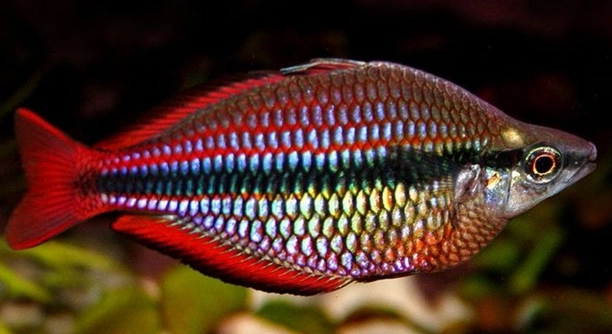
Creating a natural habitat for rainbow fish can greatly improve their health and vibrancy. It’s important to recreate conditions that closely resemble their native environment. This ensures they thrive and display their beautiful colors.
The best way to create a natural habitat for rainbow fish is by focusing on water quality, appropriate plants, and proper tank decor. They need a well-maintained tank with a gentle current, clean water, and natural hiding spots.
Understanding the right environment for rainbow fish will help keep them active and healthy. By incorporating these elements, you’ll see your fish flourish in a vibrant tank setting.
Water Quality and Temperature Control
Rainbow fish need clean, stable water to thrive. The water temperature should be kept between 72°F and 79°F (22°C – 26°C). Regular water changes of about 20-30% weekly will help keep toxins in check and reduce the chances of disease. Invest in a good filtration system that ensures water stays clear and clean. The pH should be slightly acidic to neutral, ideally between 6.5 and 7.5. Keep an eye on ammonia, nitrites, and nitrates, as high levels can stress the fish and reduce their lifespan. A thermometer is crucial to monitor temperature, as sudden changes can affect their health.
Having the right water conditions helps rainbow fish feel at ease in their tank. With proper filtration, they will be more active and colorful.
Adding plants to the tank helps with water filtration by naturally absorbing excess nutrients. A planted tank can reduce the need for frequent water changes while making the environment more natural for your fish. Live plants also provide hiding spots for the fish to rest or seek refuge if they feel stressed. Look for plants like Java fern, Anubias, or Amazon sword, which are low maintenance and thrive in various water conditions.
Choosing the Right Tank Size and Setup
Rainbow fish need plenty of space to swim and explore. A tank size of at least 30 gallons is ideal for a small group of rainbow fish. A larger tank will help mimic the open waters they are used to and reduce territorial behavior. Avoid overcrowding, as this can lead to stress, poor water quality, and aggression. Create a balanced tank with open swimming areas and plants for cover. This gives the fish a sense of security while still allowing them enough room to move freely. A well-planted tank can also help with oxygen exchange, further enhancing the water quality.
You should also consider adding smooth rocks or driftwood to create natural hiding spots for your fish. These additions mimic their native environment and provide places for the fish to explore. Avoid sharp or rough decorations that could harm their delicate fins.
Lighting and Tank Decor
Rainbow fish thrive with a natural light cycle, so avoid overly bright or harsh lighting. A good rule of thumb is to provide 10-12 hours of light per day, followed by a period of darkness. This mimics their natural habitat and supports their circadian rhythm.
When it comes to tank decor, aim for a balance of hiding spots and open swimming areas. Use soft lighting to highlight the vibrant colors of your rainbow fish. Consider using dimmable LED lights to adjust intensity according to the time of day. A dark substrate helps to make their colors pop. Natural decorations like driftwood, smooth rocks, and live plants enhance the look and feel of the habitat. The right lighting and decor will make your tank visually appealing while keeping the fish comfortable.
Be mindful not to use harsh fluorescent lights or excessive direct sunlight. These can lead to algae blooms, which can harm both the fish and the plants. Keep an eye on your light settings and adjust them based on the tank’s needs.
Diet and Feeding
Rainbow fish are omnivores, meaning they eat a variety of foods, both plant and animal-based. Their diet should consist of high-quality flake or pellet foods, supplemented with frozen or live foods such as brine shrimp, daphnia, and bloodworms. Feeding them a balanced diet is key to keeping them healthy and vibrant.
They can be fed twice a day, with small portions to avoid overfeeding. Rainbow fish have small stomachs, so it’s important to provide just enough food that they can consume in a few minutes. Overfeeding can lead to poor water quality, which stresses the fish. It’s also essential to vary their diet for nutrition. Occasionally offering leafy greens like spinach or zucchini helps meet their dietary needs. Ensure all food particles are consumed to avoid waste buildup.
Rainbow fish are particularly fond of live foods, so including these in their diet will encourage more natural behaviors. Live food also provides extra nutrients that support their immune system and overall health.
Water Movement
Rainbow fish enjoy a gentle current in their tank. Too much water flow can stress them out, making it hard for them to swim comfortably. A soft filter or adjustable pump will allow you to control the current.
Ensure the water movement in the tank is moderate, with gentle ripples on the surface. You can place plants or decorations in areas where the current is less intense, giving your fish places to rest. It’s crucial to observe your rainbow fish and make adjustments if you notice them struggling against the current.
Tank Mates
Rainbow fish are peaceful and social, but choosing the right tank mates is essential. They can live well with other non-aggressive species like tetras, livebearers, and other rainbow fish. Avoid aggressive or large fish that could stress them out.
Tank mates should be able to live comfortably in similar water conditions. Rainbow fish are best kept with other species that share their preference for slightly acidic to neutral pH and warm temperatures. Avoid keeping them with overly territorial or fin-nipping fish, as this could lead to stress and injuries.
Tank Maintenance
Regular maintenance is key to keeping the tank healthy. Perform weekly water changes, clean the filter monthly, and remove any uneaten food to avoid water quality issues. Regularly check the water parameters to ensure everything is within the ideal range for your rainbow fish.
Use an aquarium vacuum to clean the substrate and remove excess waste. This helps prevent ammonia buildup, which can harm your fish. Keep an eye on plants and decorations, removing any decaying parts. With consistent upkeep, your tank will stay healthy and your fish will flourish.
FAQ
What is the ideal tank size for rainbow fish?
Rainbow fish require a minimum tank size of 30 gallons for a small group of fish. Larger tanks are better, as they allow more swimming space, which is essential for their active nature. A bigger tank also helps maintain stable water parameters, as smaller tanks can quickly become polluted, stressing the fish. When keeping multiple species of rainbow fish, consider increasing the tank size to accommodate their social behavior and to reduce territorial disputes.
How often should I change the water in my rainbow fish tank?
Water changes are crucial for maintaining a healthy environment. Aim to change 20-30% of the water in the tank every week. This helps remove toxins, nitrates, and excess waste that can accumulate. Consistent water changes also promote better fish health and prevent algae growth. Always make sure to dechlorinate the water before adding it to the tank.
What water parameters do rainbow fish need?
Rainbow fish prefer slightly acidic to neutral water with a pH range of 6.5 to 7.5. The water temperature should be between 72°F and 79°F (22°C – 26°C). Maintaining stable water conditions is critical for their health. Test the water regularly for ammonia, nitrites, and nitrates to ensure it is clean and safe for your fish. A good filtration system is essential to keep the water in optimal condition.
Can rainbow fish live with other species?
Rainbow fish are peaceful and can live with other non-aggressive species. Ideal tank mates include small tetras, livebearers, and other peaceful fish that thrive in similar water conditions. Avoid housing them with aggressive fish or species known for fin-nipping, as this can cause stress and injury. It’s always best to choose tank mates that won’t compete for space or resources in the tank.
What do rainbow fish eat?
Rainbow fish are omnivores, meaning they eat both plant and animal matter. Their diet should include high-quality flake or pellet foods, supplemented with live or frozen foods such as brine shrimp, bloodworms, and daphnia. Vegetables like spinach and zucchini are also beneficial for their diet. Feeding a variety of foods ensures that rainbow fish receive all the nutrients they need to stay healthy and vibrant.
How can I tell if my rainbow fish is stressed?
Stressed rainbow fish often display changes in behavior, such as hiding more than usual, reduced activity, or abnormal swimming patterns. They may also lose their vibrant colors or show signs of fin damage. Stress can be caused by poor water quality, aggressive tank mates, or inadequate tank conditions. Always check water parameters, provide hiding spots, and avoid overcrowding to help reduce stress in your fish.
Do rainbow fish need a filter?
Yes, rainbow fish require a filter to maintain clean and oxygenated water. A good filter helps remove waste and keeps the water clear, preventing the buildup of harmful toxins like ammonia and nitrites. However, the filter should not create strong currents that could stress the fish. Choose a filter with an adjustable flow to ensure the water movement is gentle.
How long do rainbow fish live?
Rainbow fish have an average lifespan of 5 to 8 years, but with proper care, some species can live even longer. Keeping the water conditions stable, feeding a balanced diet, and maintaining a clean tank will help your rainbow fish live a long and healthy life. Regular monitoring of their health is also important to catch any potential issues early.
Are rainbow fish hard to care for?
Rainbow fish are relatively easy to care for, making them a good choice for beginners. They require clean water, a balanced diet, and a well-maintained tank. With proper care, they will thrive and show off their bright, colorful appearances. The most important aspects are maintaining water quality, avoiding stress, and providing appropriate tank mates.
Do rainbow fish need live plants in their tank?
Rainbow fish benefit from having live plants in their tank, as they provide natural hiding spots, promote oxygenation, and help absorb excess nutrients. While live plants aren’t a necessity, they improve the overall health of the tank and offer a more natural environment for the fish. Plants like Java fern, Anubias, and Amazon sword are excellent choices for beginner aquarists.
What type of substrate is best for rainbow fish?
Rainbow fish do well with a fine-gravel or sand substrate, as it is easier to clean and doesn’t cause injury to their delicate fins. Avoid using sharp or rough substrates that could harm your fish. A darker substrate can help bring out the vibrant colors of the fish, making the tank look more visually appealing.
Can rainbow fish breed in a community tank?
Rainbow fish can breed in a community tank, but it requires specific conditions. If you have both males and females, and the water quality is optimal, breeding may occur naturally. However, breeding in a community tank can be difficult because other fish might eat the eggs or fry. If you want to breed rainbow fish successfully, consider setting up a separate breeding tank with suitable conditions.
What is the best way to handle algae growth in a rainbow fish tank?
Algae growth is common in aquariums but can be controlled with proper maintenance. Reduce excess nutrients by performing regular water changes and avoiding overfeeding. Introduce algae-eating fish like snails or certain types of shrimp to help keep algae under control. If algae is still an issue, consider adding live plants that compete with algae for nutrients.
Final Thoughts
Creating the perfect environment for rainbow fish involves several factors, including water quality, tank size, and decor. Keeping their tank clean and maintaining the right water temperature and pH are essential for their health and vibrancy. Rainbow fish thrive in stable conditions, so monitoring the water regularly and making adjustments when necessary is key. It’s also important to provide them with enough space to swim and explore, as they are active and social fish. A larger tank is always better, as it gives your fish more room to move freely and reduces stress.
Proper tank mates are another important consideration. Rainbow fish are peaceful and get along well with other non-aggressive species. Avoid overcrowding or introducing fish that might compete for the same resources. By choosing compatible tank mates, you help ensure that your rainbow fish are happy and healthy. Similarly, a balanced diet is crucial for their well-being. Providing them with a variety of high-quality foods will support their immune system and keep them vibrant. Live and frozen foods are an excellent supplement to their regular diet of flakes or pellets, and occasional greens can add variety to their meals.
In the end, rainbow fish are relatively easy to care for, as long as you pay attention to their needs. By creating a natural and stable environment, you will see your rainbow fish flourish. With the right care and attention, they will live long, healthy lives and bring color and life to your aquarium. Whether you’re a beginner or an experienced aquarist, the effort you put into maintaining their habitat will be well worth it as you watch your rainbow fish thrive in their beautiful home.

Hello,
If you enjoy the content that we create, please consider saying a "Thank You!" by leaving a tip.
Every little bit helps us continue crafting quality advice that supports the health, happiness, and well-being of pets around the world, for pets of all shapes, sizes, and species.
We really appreciate the kindness and support that you show us!