
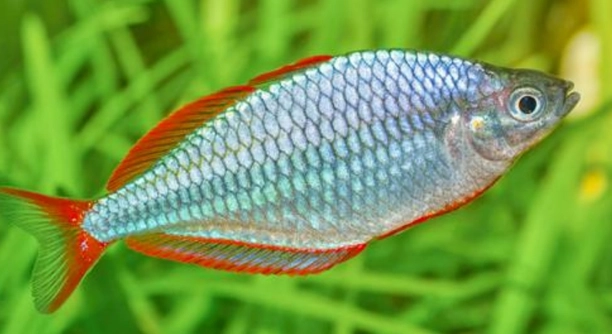
Rainbow fish are known for their vibrant colors, but many wonder if they can change these hues when frightened. Understanding how fish react to stress can reveal surprising facts about their natural behaviors and the environment they thrive in.
Rainbow fish do have the ability to change their color in response to various stimuli, including stress. This color change is controlled by specialized cells known as chromatophores, which expand or contract depending on the fish’s emotional and physical state.
The color-changing abilities of rainbow fish reflect their complex survival strategies. Knowing more can help us better understand their needs and how they cope with environmental changes.
How Stress Triggers Color Changes in Rainbow Fish
Rainbow fish exhibit a wide range of colors, from vibrant blues to deep reds. These colors are not only for display but serve a purpose in their survival. When stressed, rainbow fish can change their color to indicate discomfort or to blend in with their surroundings. This adaptive response can be triggered by various environmental factors, such as changes in water quality, temperature, or the presence of predators. Stressors may also include overcrowding or competition for resources, which can affect their overall well-being. Understanding how these fish react to stress helps aquarium owners create a healthier environment that reduces these triggers.
It’s important to note that color changes in rainbow fish are often temporary. The fish’s body responds to the immediate threat or stressor by altering its colors as a defensive mechanism. The change is not a permanent shift, but a way for the fish to manage stress.
Long-term exposure to stressful conditions can cause health issues in rainbow fish. This is why it’s essential to monitor water conditions regularly and ensure that their living space is clean and well-maintained. Stress can weaken their immune system, making them more susceptible to diseases. Regular water changes, temperature control, and proper tank sizes are vital in maintaining their health and natural color patterns. By preventing stress, rainbow fish can live longer and thrive in their aquatic habitat.
How to Reduce Stress in Your Aquarium
Reducing stress in your rainbow fish begins with ensuring a stable and clean environment.
Providing the right tank size and hiding spots for your fish can significantly reduce stress. Larger tanks allow more room for movement, which helps them feel secure. Furthermore, adding plants and decorations can give your fish the opportunity to retreat and hide when feeling threatened. Proper filtration and maintaining consistent water conditions also play a crucial role in keeping them healthy.
The Role of Lighting in Color Changes
Lighting in an aquarium plays a significant role in the health and color of rainbow fish.
Bright, direct light can cause stress, while dim lighting may make them feel more secure. The right balance ensures that fish are not overwhelmed but can still display their natural colors. A consistent light cycle mimics the day-night rhythm, which helps reduce stress. Fish that experience drastic changes in lighting can become agitated, affecting their overall health and color vibrancy.
Using adjustable lighting systems can help regulate light intensity, providing a more natural environment. Avoid using harsh, sudden lighting changes to prevent disrupting the fish’s circadian rhythm. LED lights are a good option, as they provide consistent brightness without overheating the tank. These adjustments allow rainbow fish to thrive and maintain their beautiful colors.
The Impact of Tank Mates on Stress Levels
Choosing compatible tank mates is vital in reducing stress for your rainbow fish.
Aggressive fish can cause unnecessary stress, leading to color changes and other health issues. It’s important to select peaceful species that won’t compete aggressively for resources. When tank mates get along, it creates a peaceful environment where your rainbow fish can thrive. The calmer their surroundings, the less likely they are to experience color changes caused by stress.
In addition to compatibility, consider the size and behavior of tank mates. Fish that are too large or overly territorial may intimidate your rainbow fish. A balanced mix of species that occupy different parts of the tank helps avoid competition and reduces stress. By carefully choosing tank mates, you ensure that all fish can coexist peacefully while preserving the vibrant colors of your rainbow fish.
Temperature Fluctuations and Their Effect on Color
Temperature fluctuations are another common stressor for rainbow fish.
Rapid changes in water temperature can lead to color changes, as the fish’s body tries to adjust. Maintaining a stable temperature within the appropriate range is crucial for their well-being. Even small fluctuations can cause stress that triggers color changes.
To prevent temperature-related stress, use a reliable heater and thermometer. Monitor the water temperature regularly to ensure it remains consistent. Avoid placing the aquarium near heat sources or air conditioners, as these can cause temperature fluctuations that stress the fish. Stable water temperature helps keep rainbow fish healthy and vibrant.
The Importance of a Balanced Diet
A proper diet is key to maintaining the health and color of rainbow fish.
Feeding your fish a balanced diet ensures they receive the necessary nutrients for vibrant colors. High-quality fish food with a good balance of protein and vitamins promotes better coloration. Some foods are even designed to enhance the natural colors of your fish.
Overfeeding can lead to poor water quality, which in turn affects the health of your fish. It’s important to feed your rainbow fish in moderation, removing any uneaten food to prevent it from decomposing. Proper nutrition, combined with clean water, supports your fish’s overall health, keeping them colorful and energetic.
Handling Rainbow Fish Carefully
Handling rainbow fish should be kept to a minimum to avoid stress.
When you need to move your fish, use a net with fine mesh to avoid injury. Excessive handling can cause them to feel threatened, which may trigger color changes and stress-related behaviors. Keep interactions short and gentle to ensure their comfort.
FAQ
Can rainbow fish change color naturally?
Yes, rainbow fish can naturally change color based on their environment and emotional state. Their vibrant hues are a result of chromatophores, which are special pigment cells that expand or contract in response to various stimuli, such as stress, mood, and water conditions. These changes help them adapt to their surroundings, communicate with other fish, or blend in with their environment.
Do rainbow fish change color when stressed?
Yes, stress is one of the most common reasons rainbow fish change color. When they experience discomfort, whether from poor water quality, overcrowding, or predators, their colors can fade or shift. Stress-induced color changes are temporary, but prolonged stress can affect their overall health, so it is essential to address the cause of the stress as quickly as possible to maintain their vibrancy.
Can rainbow fish change color when frightened?
Rainbow fish can indeed change their color when frightened. This is a natural defense mechanism. When they feel threatened or perceive danger, their bodies may darken or lighten to help them blend into their surroundings or signal to other fish. This reaction is similar to how some animals use camouflage to avoid predators.
How do I know if my rainbow fish is stressed?
Signs of stress in rainbow fish include color changes, lethargy, erratic swimming patterns, or hiding more often than usual. You may also notice reduced feeding behavior. Stress can also cause them to appear less vibrant in color or show signs of physical damage such as torn fins. Observing your fish closely will help you detect stress early and address it before it leads to more significant issues.
What are the main causes of stress in rainbow fish?
The primary causes of stress in rainbow fish are poor water quality, incorrect temperature, overcrowding, incompatible tank mates, or sudden changes in their environment. These stressors can affect their health, leading to weakened immune systems and changes in their physical appearance, including color loss. Maintaining a stable, clean environment is key to preventing stress.
How can I reduce stress in my rainbow fish?
To reduce stress in rainbow fish, start by maintaining clean water conditions. Regular water changes, a good filtration system, and monitoring the temperature are crucial. Providing hiding spots and ensuring the tank is not overcrowded will also help your fish feel secure. Avoid sudden changes to their environment and choose peaceful tank mates to reduce stress.
Can temperature changes cause rainbow fish to change color?
Yes, temperature fluctuations can stress rainbow fish and lead to color changes. They are sensitive to temperature changes, and sudden shifts can cause them to change color as a response. To avoid this, keep the water temperature stable and within the appropriate range for rainbow fish. Consistency is key to preventing stress related to temperature changes.
Are rainbow fish sensitive to light?
Rainbow fish are sensitive to light, and exposure to harsh or fluctuating lighting can cause stress. Too much bright light can make them anxious, while dim lighting may reduce their activity levels. To avoid this, use adjustable lighting and maintain a consistent light cycle. LED lights are often a good option for aquarium setups as they provide a steady, moderate light source that won’t stress the fish.
Can rainbow fish change color during mating?
Yes, rainbow fish can change color during mating. Males, in particular, tend to show more vibrant colors during courtship to attract females. This color change is often a temporary display and is usually seen during mating rituals. The more colorful the male, the more likely he is to catch the attention of potential mates.
How does diet affect the color of rainbow fish?
The diet of rainbow fish plays a significant role in their overall health and color. Feeding them a well-balanced diet that includes high-quality fish food rich in vitamins, minerals, and natural pigments will help maintain their vibrant colors. Some foods are designed to enhance their natural coloration, so choosing the right food can lead to brighter, more vivid hues in your fish.
Is it normal for rainbow fish to lose their color?
It is not uncommon for rainbow fish to lose some of their color due to stress or environmental changes. However, if they appear consistently dull or faded, it could indicate an issue with their habitat or health. Regular water changes, proper nutrition, and a stable environment will help maintain their color and overall well-being.
Can rainbow fish change color due to tank mates?
Yes, the presence of other fish can influence the color of rainbow fish. Aggressive or dominant tank mates may cause stress, which can result in color changes. It’s essential to ensure that your tank mates are compatible and do not pose a threat to your rainbow fish. Peaceful fish and proper social dynamics help maintain their health and coloration.
How long does it take for rainbow fish to return to their original color after stress?
The amount of time it takes for rainbow fish to return to their original color after stress varies depending on the cause and severity of the stress. If the stressor is removed, color restoration can occur within a few days. However, if the stress is prolonged, it may take longer, and the fish may require additional care to recover fully.
Are rainbow fish more likely to change color in small tanks?
Rainbow fish are more likely to experience stress in small tanks, leading to color changes. Smaller tanks have less stable water conditions and may not provide enough space for the fish to feel secure. Overcrowding is also a concern in small tanks, as it can increase competition for resources, which adds to the stress. A larger tank with plenty of space is recommended to reduce the likelihood of stress-related color changes.
Final Thoughts
Rainbow fish are remarkable creatures with vibrant colors that are often seen as a sign of their health and well-being. However, various factors can cause these colors to change. Stress, poor water quality, improper diet, and even changes in temperature can all affect the way rainbow fish look. These color changes are natural, but they can also be signs that something is wrong. Understanding the reasons behind these changes and how to address them is essential for ensuring your fish remain healthy and colorful.
Maintaining a stable environment is key to keeping your rainbow fish in top condition. Regular water changes, proper filtration, and monitoring temperature and light levels will help prevent stress and color fading. It’s also crucial to provide a balanced diet that supports their health and enhances their natural colors. Fish food rich in vitamins and nutrients, especially those designed to boost color, can make a significant difference in how your rainbow fish appear. Paying attention to their surroundings, including tank mates and overall space, can also contribute to their comfort and reduce stress.
In conclusion, while rainbow fish can naturally change color in response to their environment, it’s essential to monitor and address any changes that may indicate stress or other health issues. By keeping their tank clean, maintaining a proper diet, and ensuring they have a peaceful and stable environment, you can help your rainbow fish thrive and maintain their vibrant appearance. Color changes may happen, but with the right care, you can ensure that they remain healthy and colorful in the long term.

Hello,
If you enjoy the content that we create, please consider saying a "Thank You!" by leaving a tip.
Every little bit helps us continue crafting quality advice that supports the health, happiness, and well-being of pets around the world, for pets of all shapes, sizes, and species.
We really appreciate the kindness and support that you show us!