
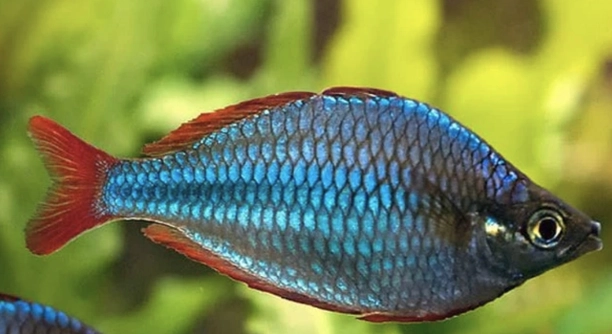
Rainbow fish are known for their vibrant colors and playful nature. However, they sometimes avoid food altogether, leaving owners puzzled about their eating habits. Understanding the reasons behind this behavior can help ensure a healthier and happier fish.
Rainbow fish may avoid food due to stress, water quality issues, or illness. Poor water conditions, fluctuations in temperature, or aggressive tank mates can contribute to their loss of appetite. Addressing these factors can restore their normal feeding behavior.
There are multiple factors to consider when it comes to your rainbow fish’s eating habits. By identifying the cause, you can help improve their overall well-being.
Stress and Environmental Factors
Stress is one of the main reasons rainbow fish may stop eating. When they feel threatened, whether from aggressive tank mates or changes in their environment, their appetite can decrease significantly. Fish are sensitive to their surroundings, and any sudden changes in water temperature, lighting, or noise levels can lead to anxiety, making them less likely to eat. It’s important to maintain a calm and stable environment to keep your fish healthy.
The stress that rainbow fish experience may result in reduced feeding behavior. Keeping the tank environment stable will encourage them to eat again.
Ensuring the tank environment is calm and predictable is key to preventing stress. If tank mates are too aggressive or if the water temperature fluctuates, rainbow fish may retreat and refuse to feed. Regular water changes and maintaining an ideal tank setup can prevent these problems. In addition, adding plants or hiding spots can help rainbow fish feel safe. Avoid overcrowding, and be mindful of tank decorations that could potentially cause stress or injury. Keeping a consistent schedule for feeding and avoiding sudden changes in light can also provide a sense of security, encouraging your fish to eat regularly.
Water Quality Issues
Water quality plays a significant role in the feeding habits of rainbow fish. If the water is too dirty or the pH levels are off, fish may stop eating altogether. Fish are highly sensitive to toxins like ammonia and nitrites. Regularly testing water parameters is essential for keeping them healthy.
A clean tank with the right water parameters will encourage rainbow fish to eat. Poor water quality can lead to various health problems.
Maintaining high water quality means frequently monitoring ammonia, nitrite, and nitrate levels. In addition, proper filtration and water changes help keep the tank environment safe. Rainbow fish thrive in water with a temperature range of 74-80°F and a slightly acidic to neutral pH. Regularly check for chlorine or chloramine in tap water, which can harm fish. Even slight imbalances in water parameters can lead to a decline in appetite. Using a water conditioner can help remove harmful substances. Ensuring that these factors are consistently controlled can restore your rainbow fish’s normal feeding behavior.
Illness and Health Concerns
Fish that are sick often lose their appetite. Illnesses such as parasites, infections, or internal issues can cause rainbow fish to avoid food. If your fish is lethargic, has abnormal swimming patterns, or appears bloated, it’s time to check for signs of illness.
When fish are unwell, they may not have the energy to eat. Symptoms such as discoloration, cloudy eyes, or external lesions could indicate an underlying health issue. If the illness is serious, your fish may need medication or special care. Stress from being sick can also make them less interested in food, so diagnosing and treating health concerns promptly is essential.
Maintaining a clean environment and feeding your fish a balanced diet can help prevent many illnesses. If you notice signs of illness, such as abnormal behavior or appearance, consulting a veterinarian is recommended. Keeping your tank clean and regularly monitoring water quality will reduce the risk of disease. Rainbow fish are more likely to recover and eat if they feel comfortable and are in the right conditions. Early intervention is the key to getting them back on track.
Feeding Habits and Preferences
Rainbow fish may avoid food if the type of food is not to their liking. Some fish can be picky eaters, and introducing new types of food too quickly can cause them to reject it. Providing variety in their diet will ensure they get the necessary nutrients.
Offering a mix of dry food, live food, and frozen options can help. Rainbow fish enjoy foods like brine shrimp, daphnia, and high-quality flakes. Experimenting with different food types can determine what they prefer, but consistency is key. It’s important not to change their diet too frequently, as this can cause confusion and reluctance to eat.
Additionally, overfeeding can also be a problem. If there’s too much uneaten food in the tank, it can pollute the water and lead to health issues. Ensuring that the fish are fed an appropriate amount will also prevent this problem. Proper feeding schedules and portion sizes are essential for both their health and their appetite.
Tank Setup and Space
Overcrowded tanks can cause stress and reduce food intake. Rainbow fish need space to swim freely. If the tank feels cramped, they may avoid eating due to stress. Make sure there’s enough room for all your fish to feel comfortable.
Ensure proper filtration and circulation for a healthier environment. Fish are more likely to eat when they feel secure in their surroundings. Additionally, overcrowding can lead to territorial behavior, making it harder for rainbow fish to relax and eat. Aim to provide each fish with enough space to reduce tension. A tank with plenty of open areas and hiding spots will also help.
Tankmates and Compatibility
Tankmates play an important role in a rainbow fish’s eating habits. Aggressive or overly active tankmates can cause stress, preventing rainbow fish from feeding. Ensure that the fish in the tank are compatible and avoid placing overly territorial species together.
Aggressive fish can chase or bully rainbow fish, leading to anxiety and loss of appetite. It’s essential to research compatible species and make adjustments if necessary. You can also provide hiding spots or plants to give rainbow fish places to retreat from more aggressive tankmates. These hiding spots will help your fish feel safe and encourage them to eat more regularly. Consider removing any aggressive species to create a more peaceful environment for your rainbow fish.
FAQ
Why is my rainbow fish not eating?
Rainbow fish may stop eating due to several factors. Stress from sudden changes in their environment, poor water quality, or illness can lead to a loss of appetite. Make sure the tank conditions are stable, the water quality is optimal, and there are no signs of illness or aggression from tankmates. If everything seems fine, try offering different food to see if they have preferences.
How do I reduce stress in my rainbow fish?
Reducing stress involves creating a peaceful tank environment. Avoid aggressive tankmates, maintain consistent water conditions, and provide plenty of hiding spots or plants. Ensure that the tank is not overcrowded, and consider dimming the lights during feeding times to reduce anxiety. Regular maintenance and water changes also help keep stress levels low.
What should I do if my rainbow fish are not eating for several days?
If your fish refuse to eat for several days, first check the water quality and tank conditions. Make sure the temperature, pH, and ammonia levels are in the right range. Also, inspect for any signs of illness or injury. If no improvements are made, consider isolating the fish in a quarantine tank and consulting a veterinarian to rule out health issues.
Can I feed my rainbow fish different types of food?
Yes, variety is essential for maintaining a balanced diet. Rainbow fish enjoy a mix of high-quality flake foods, live foods like brine shrimp, and frozen foods such as daphnia. Offering different types of food will help ensure they get the necessary nutrients and keep them interested in eating. However, be cautious not to change their diet too frequently, as this can lead to confusion and reluctance to feed.
How can I tell if my rainbow fish is sick?
Signs of illness in rainbow fish include lethargy, faded colors, irregular swimming, bulging eyes, and visible lesions on the skin. If your fish shows any of these symptoms, it is crucial to isolate them and examine the water quality. Illnesses like parasites or infections can cause loss of appetite. In such cases, treating the water and providing proper care is necessary.
Is it normal for rainbow fish to stop eating occasionally?
It’s normal for rainbow fish to occasionally lose their appetite due to factors like water changes or minor stress. However, if the lack of appetite lasts for several days or is accompanied by other symptoms, it might be an indication of a deeper issue. It’s essential to monitor your fish closely and make adjustments to their environment as needed.
Should I be concerned if my rainbow fish is not eating after a water change?
Rainbow fish can sometimes be sensitive to water changes. The fluctuation in water parameters, such as pH, temperature, or ammonia levels, can cause stress and a temporary loss of appetite. After a water change, monitor the water conditions and ensure they are within the ideal range. It may take a couple of days for your fish to adjust to the new conditions.
Can poor water quality cause rainbow fish to stop eating?
Yes, poor water quality is one of the main reasons rainbow fish refuse to eat. High levels of ammonia, nitrites, or nitrates, as well as improper temperature or pH, can create an unhealthy environment that stresses your fish. Regular water testing and water changes are necessary to maintain good water quality and prevent feeding issues.
What can I do if my rainbow fish are bullied by tankmates?
If rainbow fish are being bullied, it’s essential to separate them from the aggressors. Aggressive tankmates can cause stress and prevent your fish from eating. Consider rehoming the bullies or adjusting the tank layout by adding more plants or hiding spots. This gives the rainbow fish a safe space to retreat to, reducing stress and allowing them to eat in peace.
How can I encourage my rainbow fish to eat more?
To encourage eating, try offering food at different times of the day, in small portions, and in varying types. Also, ensure the tank is quiet and calm during feeding to minimize distractions. Keeping the water temperature stable and maintaining good water quality will also support healthy feeding habits. Avoid overfeeding, as this can lead to uneaten food polluting the water and causing health issues.
Final Thoughts
Rainbow fish are generally hardy and active fish, but there are several factors that can cause them to lose interest in food. Stress, illness, poor water conditions, and incompatible tankmates are some of the most common reasons. By regularly checking water quality, providing a stable environment, and monitoring the fish’s health, you can often address these issues before they become more serious. Ensuring your fish feel comfortable in their environment is key to encouraging healthy eating habits.
When it comes to feeding rainbow fish, variety and consistency are important. Offering different types of food can help keep your fish interested and ensure they receive a balanced diet. However, it’s also crucial not to change their food too frequently, as this can lead to confusion and reluctance to eat. Pay attention to their preferences, but avoid overfeeding, as uneaten food can negatively impact water quality and lead to health problems. Regularly feeding them small portions will help maintain their health while preventing waste build-up.
Lastly, always observe your fish’s behavior and appearance. Any sudden changes in appetite or behavior could signal underlying problems, such as illness or environmental stress. By keeping an eye on your fish’s health and addressing any potential issues promptly, you will create a healthy and stable environment where they can thrive. With the right care and attention, rainbow fish can enjoy long, healthy lives and continue to be a colorful and active presence in your tank.

Hello,
If you enjoy the content that we create, please consider saying a "Thank You!" by leaving a tip.
Every little bit helps us continue crafting quality advice that supports the health, happiness, and well-being of pets around the world, for pets of all shapes, sizes, and species.
We really appreciate the kindness and support that you show us!