
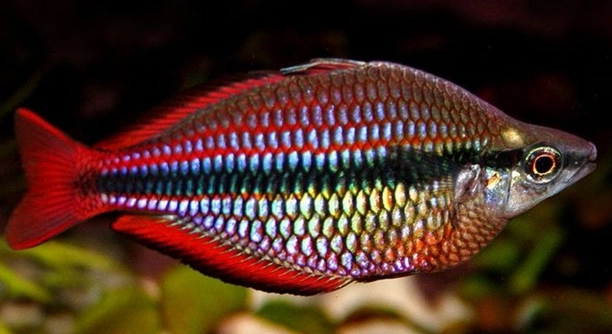
Rainbow fish are known for their vibrant colors, but getting them to be more social with their tank mates can sometimes be a challenge. Understanding their behaviors and needs is key to fostering a friendly environment for them.
Improving social interaction among rainbow fish involves providing ample space, consistent feeding schedules, and tank mates that match their temperament. Proper water conditions and enrichment can also encourage positive social behaviors, leading to a more active and interactive fish community.
With these tricks in mind, you can create an environment that promotes socializing and enhances the well-being of your rainbow fish.
Create a Comfortable Habitat for Your Rainbow Fish
The first step to getting your rainbow fish to be more social is creating a comfortable and stress-free habitat. A well-maintained aquarium with plenty of space for swimming and hiding spots is essential. Overcrowding can lead to aggression and territorial behavior, which can make your fish more reclusive. Ensure your tank size accommodates the number of fish, and be mindful of their need for a peaceful environment. Rainbow fish tend to be more active and sociable in aquariums that mimic their natural habitat, with plenty of plants, rocks, and gentle filtration.
To help your rainbow fish thrive socially, use aquarium decorations that allow them to feel safe. Creating territories while still leaving enough open space will reduce stress. It’s important to observe how your fish interact with one another. If one fish appears to be bullied, it may indicate overcrowding or poor tank dynamics.
Maintaining a stable environment is critical for socializing rainbow fish. Consistent water temperature, pH levels, and proper filtration can help avoid unwanted stress. Adding natural plants to the tank encourages the fish to interact with each other while exploring their surroundings. These elements also improve the overall health of the tank and the fish, encouraging social behaviors.
Feed Your Rainbow Fish on a Regular Schedule
Regular feeding can play a significant role in fostering social behavior. Rainbow fish are more likely to engage with each other when they associate feeding time with positive experiences. By offering food at consistent times, your fish will become familiar with each other’s presence during feeding, leading to more harmonious interactions.
Feed your fish a balanced diet that meets their nutritional needs. A mix of high-quality flakes, pellets, and occasional live or frozen food can provide the variety that promotes healthy activity. Overfeeding can lead to poor water quality, which could affect their behavior.
Choose the Right Tank Mates
Choosing the right tank mates is crucial for promoting social behavior among rainbow fish. They are generally peaceful but can become territorial if housed with aggressive species. Opt for other peaceful fish that have similar care requirements. Avoid overly aggressive or fin-nipping species that may stress the rainbow fish.
Rainbow fish do well with species that are similarly sized and active but not overly dominant. Consider adding fish like Corydoras catfish or small tetras, which are non-threatening. Be sure to research each species’ compatibility before introducing them to avoid conflict. A harmonious community helps foster social interaction.
Additionally, it’s important to pay attention to the fish’s temperament. Some species may become more dominant over time, disrupting the balance in the tank. Regularly observe your fish’s interactions to ensure that no one is bullying others. A peaceful and balanced tank encourages the rainbow fish to socialize and feel more comfortable.
Ensure Adequate Water Conditions
Water conditions are a fundamental factor in getting your rainbow fish to feel at ease. Rainbow fish thrive in stable water parameters. Maintaining the right temperature, pH, and hardness levels will reduce stress, allowing them to interact with each other more freely. Proper filtration is equally essential for a clean, healthy tank environment.
Rainbow fish prefer water temperatures between 72°F and 78°F, a slightly acidic to neutral pH, and moderate hardness. Regular water changes are essential for maintaining good water quality. Test the water weekly to ensure it stays within the optimal range. Keeping water conditions stable helps your fish feel secure, which encourages social behavior.
If the water quality is poor or fluctuates too much, your fish may become more stressed or isolated. Keeping the tank well-maintained will help all the inhabitants stay healthy and content. When the water is right, your rainbow fish will be more likely to interact with each other and form a more cohesive group.
Introduce Fish Gradually
Introducing new fish to an established tank should be done carefully to avoid stress. If you add too many fish at once, it can create territorial issues. Instead, introduce one or two at a time to give everyone time to adjust to the changes.
Gradual introductions allow fish to get used to each other’s presence without feeling threatened. When adding new fish, observe the existing ones for any signs of aggression or discomfort. Keep the lights low initially and avoid sudden movements around the tank to minimize stress.
Provide Hiding Spots
Rainbow fish need both open space to swim and hiding spots where they can retreat when they feel overwhelmed. Providing hiding spots reduces stress and encourages peaceful interactions. Plants, rocks, or decorative structures can offer the perfect retreat for your fish.
Hiding spots can also help reduce bullying or aggressive behavior, as fish can escape to a quiet area when necessary. Create a balanced environment where there’s enough space for everyone to feel comfortable. It’s important not to overcrowd the tank, as this can lead to competition for space and food.
Use Light and Shadows to Your Advantage
Proper lighting plays a role in promoting social behavior in rainbow fish. Too much light can stress them out, while too little can make them feel insecure. A dim light encourages the fish to socialize while still giving them the security of a balanced environment.
Rainbow fish generally thrive in moderate lighting. Overhead lighting should be consistent, and any sudden changes in brightness may cause stress. Adding floating plants can help diffuse light, creating a more natural environment. This setup will encourage your fish to explore and interact with each other.
FAQ
What should I do if my rainbow fish are fighting?
If your rainbow fish are fighting, it may be due to territorial behavior or stress. The first step is to ensure your tank isn’t overcrowded. Add plenty of hiding spots and separate territories, so each fish has space to retreat. Keep the water quality consistent, as poor conditions can make fish more aggressive. If the fighting persists, consider rearranging the tank to break up existing territories and give your fish a fresh start. If necessary, remove the most aggressive fish and place them in a separate tank to prevent further harm.
How often should I feed my rainbow fish?
Rainbow fish should be fed once or twice a day, with only the amount they can consume in a few minutes. Overfeeding can lead to water quality issues and health problems for the fish. A balanced diet, including high-quality flakes, pellets, and occasional frozen or live food, will provide them with the necessary nutrients. It’s important to feed your fish at regular intervals to create a routine that helps them feel more comfortable. Avoid leaving uneaten food in the tank, as it can degrade water quality.
Can rainbow fish live with other species?
Rainbow fish are generally peaceful and can live with many other species, as long as they are not overly aggressive. Fish like tetras, catfish, or peaceful livebearers make good tank mates. Avoid keeping rainbow fish with fin-nippers or highly territorial species, as this can stress them out and make them less social. The key is to choose species that have similar care needs and temperaments. If introducing new tank mates, monitor the interactions closely to ensure all fish coexist peacefully.
What size tank do rainbow fish need to be social?
Rainbow fish should be kept in a tank that is at least 30 gallons if you plan to keep a small group. A larger tank allows them to swim freely and interact with each other. Adequate space also reduces the chances of territorial behavior and stress. A spacious tank with plenty of hiding spots and plants will encourage more natural socializing. Make sure the tank is well-maintained, with proper filtration and water conditions, to ensure the fish remain healthy and happy.
Why are my rainbow fish hiding all the time?
Rainbow fish may hide due to stress, poor water conditions, or feeling threatened by other tank mates. If the environment isn’t suitable or the tank is overcrowded, they may retreat to quieter areas for safety. Check the water parameters and make sure they are within the optimal range. Additionally, ensure the tank isn’t too bright, as too much light can make rainbow fish feel exposed. Providing hiding spots like plants or rocks can give them a sense of security and reduce their need to hide.
Do rainbow fish need a heater in their tank?
Yes, rainbow fish require a stable water temperature, typically between 72°F and 78°F. A heater is essential to maintain this range, especially in cooler climates or fluctuating room temperatures. Without a proper heater, the water may become too cold for the fish, leading to stress and weakened immune systems. Consistent water temperature helps your rainbow fish stay healthy and active, promoting social behaviors and overall well-being.
How can I tell if my rainbow fish are healthy?
Healthy rainbow fish are active, alert, and swim freely. They should have bright, vibrant colors and smooth, unblemished scales. Look for signs of distress, such as clamped fins, lethargy, or unusual swimming patterns, which could indicate illness. If the fish are scratching against objects or showing signs of fin damage, this could be a sign of parasites or injury. Regular water changes, a balanced diet, and consistent tank conditions are key to maintaining the health of your rainbow fish.
What can I do to keep my rainbow fish entertained?
Rainbow fish are active swimmers and enjoy having plenty of space to explore. To keep them entertained, add plants, decorations, and rocks to the tank, creating different levels and hiding spots for them to interact with. You can also introduce live plants, which will encourage natural behaviors like nibbling and hiding. A varied diet with occasional live or frozen food can also stimulate their senses and keep them engaged. Avoid overcrowding the tank, as it may limit their ability to explore and socialize.
How do I prevent my rainbow fish from becoming shy?
If your rainbow fish are becoming shy or reclusive, it could be due to stress or a lack of stimulation. To prevent this, ensure your tank is large enough for all the fish and includes hiding spots without overcrowding. Keep the water conditions stable and avoid sudden changes in temperature, pH, or lighting. Providing enrichment through tank decorations, plants, and a consistent feeding routine can help your fish feel secure and encourage social behavior. Avoid introducing overly aggressive fish that could intimidate your rainbow fish.
Are rainbow fish easy to care for?
Rainbow fish are relatively easy to care for, as long as their basic needs are met. They require stable water conditions, a well-maintained tank, and a balanced diet. Regular water changes, proper filtration, and monitoring water parameters will help keep your fish healthy. Rainbow fish are also quite adaptable and can live with a variety of peaceful species, making them a good choice for beginner aquarists. Providing plenty of space to swim and hiding spots for security will encourage natural socializing behavior among the fish.
Final Thoughts
Encouraging rainbow fish to become more social is not an overnight process, but with the right care and environment, you can create a peaceful and interactive tank. Ensuring your fish have enough space, hiding spots, and consistent water conditions is key to helping them feel secure and comfortable. Stress is one of the main factors that can affect their social behavior, so minimizing stressors, such as overcrowding or sudden changes in the tank, can go a long way in promoting positive interactions.
Creating a balanced and well-maintained environment will also support the overall health of your rainbow fish. Regular water changes, proper filtration, and a suitable temperature will keep them active and in good condition. A healthy fish is a more confident one, which makes it easier for them to engage with other tank mates. Offering a varied diet, along with the right tank setup, can help your fish thrive and encourage them to interact with each other. It’s essential to remember that rainbow fish are naturally peaceful, and their social behavior is influenced by the conditions around them.
Finally, patience is important when fostering social behavior in rainbow fish. It may take some time for them to adjust to new tank mates or a new setup. By gradually introducing new fish, ensuring proper tank conditions, and offering a variety of enrichment, you can promote peaceful interactions. With consistent care and attention, your rainbow fish will soon become more comfortable and social, adding life and color to your aquarium.

Hello,
If you enjoy the content that we create, please consider saying a "Thank You!" by leaving a tip.
Every little bit helps us continue crafting quality advice that supports the health, happiness, and well-being of pets around the world, for pets of all shapes, sizes, and species.
We really appreciate the kindness and support that you show us!