
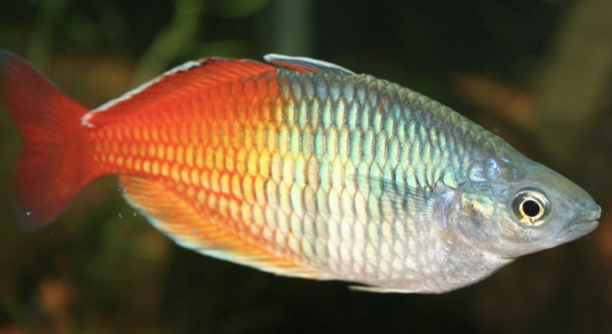
Some fish prefer to swim alone. One such fish is the rainbow fish, which is often seen by itself. But why is this? Understanding the behavior behind its solitary nature can reveal interesting aspects of its life.
The primary reason why a rainbow fish may be alone is due to its territorial nature and preference for isolation, particularly during breeding or when stressed. It can also occur if the fish feels threatened or outcompeted by others for resources.
This behavior isn’t just about being anti-social. There are deeper reasons tied to the fish’s instincts and environment that affect its actions.
Understanding Rainbow Fish Behavior
Rainbow fish are known for their vibrant colors, but their solitary nature can sometimes catch us off guard. These fish can often be found swimming alone, away from groups of others. While this behavior might seem unusual for fish, it’s actually quite common in certain species. Rainbow fish, like many other species, have their own unique habits. They can be territorial, especially in the wild, and prefer their own space. This means they are less likely to form groups or shoals, which is often a behavior seen in other fish.
In a tank, rainbow fish may also show this solitary behavior. If they feel threatened or overcrowded, they might retreat to corners or areas where they feel more comfortable. The tank’s environment, including its size and water quality, plays a big role in how the fish behave. They are sensitive to their surroundings and, if they feel stressed or insecure, they may isolate themselves more.
These behaviors stem from natural instincts, like protecting themselves and ensuring they have enough resources. It’s important to keep their habitat in mind when caring for rainbow fish. A peaceful environment can help reduce their stress levels, leading to more social interactions.
Why Do Some Fish Prefer Isolation?
Some fish, like the rainbow fish, are naturally inclined to avoid others. This doesn’t mean they’re antisocial, but rather that they find comfort in solitude.
Rainbow fish thrive in peaceful settings, and when they feel their territory is secure, they’re more likely to be active and swim around. However, if they’re in competition with other fish, or if there isn’t enough space, they might choose to keep to themselves. This preference for solitude isn’t about avoiding others but about keeping control over their environment.
Providing an environment where they feel safe can encourage rainbow fish to interact with others. However, it’s crucial to avoid overcrowding and ensure that they aren’t being constantly challenged for resources. When these factors are in balance, rainbow fish can coexist peacefully with others, though they may still prefer a bit of alone time now and then.
The Role of Tank Conditions in Social Behavior
Tank conditions directly impact the behavior of rainbow fish. If the water is too warm, too cold, or not clean enough, these fish are likely to seek isolation. Maintaining proper water quality and temperature is key to keeping rainbow fish healthy and active. A stable, clean environment can reduce stress and make the fish feel more secure. This stability encourages them to interact more with other fish, rather than retreating into corners.
Additionally, tank size matters. Rainbow fish need space to move around, and a cramped tank can lead to territorial disputes and feelings of insecurity. When they feel cornered or out of control, they may isolate themselves to regain a sense of safety. On the other hand, a spacious tank allows them to explore and interact with their environment. Having plenty of hiding spots, plants, and decorations can also give them places to retreat if needed.
The water’s pH level, salinity, and oxygen levels all influence how these fish behave. By regularly monitoring and adjusting these factors, you can create an environment that promotes more social behavior and reduces the likelihood of your rainbow fish spending too much time alone.
Balancing Social Interaction and Solitude
It’s not just about making sure the tank is clean or large enough; the balance between social interaction and solitude is essential for rainbow fish. Too many fish in the tank can make them feel crowded and stressed, but having too few can make them feel insecure. Finding this balance is crucial to their well-being.
In a tank with multiple rainbow fish, their behavior might vary. Some will remain more isolated, while others may show more social tendencies. It’s important to avoid forcing them to interact if they seem uncomfortable. Instead, allow them to approach other fish when they feel ready. They’ll appreciate having the option to interact, but also a safe space to retreat when necessary.
When these fish feel secure and are given the right environment, they can exhibit different behaviors based on their individual personalities. Some may swim with others, while others prefer to stay apart. Understanding their preferences will help you keep them healthy and happy.
Factors Affecting Social Behavior
Rainbow fish often respond to changes in their environment. Their social interactions depend heavily on water conditions, tank mates, and their own mood. In a stable tank, they may swim with others, but any discomfort can cause them to isolate. Changes in light or temperature can also play a role in how they behave.
Water parameters like temperature and pH can make a big difference in how rainbow fish interact. A significant drop or rise in temperature can stress them out, leading to more solitary behavior. Keeping the water in a range they’re comfortable with encourages the fish to explore and interact more freely with others.
Adding too many decorations or hiding spots in the tank can also influence behavior. While fish need places to hide, too many spaces can make them feel isolated or uncertain. This balance of open areas and hiding spots can help your fish feel secure and social. A simple yet effective way to promote a healthy, interactive environment is to maintain a balanced tank setup.
Territorial Nature and Space
Rainbow fish are naturally territorial. They can become aggressive or isolated when they feel their space is threatened. This is especially true when they are introduced to new tank mates. It’s essential to allow rainbow fish enough space to claim their territory, or they may become more reclusive. Without sufficient space, these fish may not thrive socially.
Territory in a tank can be established by the rainbow fish’s need for certain areas to swim and explore. If there are too many fish competing for the same space, the rainbow fish will likely retreat to avoid conflict. This isolation helps them feel secure. It’s best to monitor the fish’s behavior and adjust tank space if necessary to avoid territorial struggles.
In addition to space, the presence of other species can influence the rainbow fish’s social behavior. Some fish are more dominant, which can further stress the rainbow fish and lead to isolation. It’s important to select tank mates carefully to prevent these issues. A calm and harmonious environment will encourage your rainbow fish to interact more positively with others.
Stress and Its Impact on Rainbow Fish
Stress is a common factor that causes rainbow fish to isolate themselves. A variety of stressors, such as sudden changes in water quality, overcrowding, or aggressive tank mates, can make these fish retreat. The more stressed they feel, the less likely they are to interact with others.
Rainbow fish, like many species, seek solitude when they’re feeling threatened or overwhelmed. Even minor changes in the tank environment, such as a new filter or a shift in temperature, can increase their stress levels. This stress leads them to find secluded spots in the tank to feel safer and more secure.
Understanding how stress affects your rainbow fish will help you manage their environment better. By keeping the tank calm and maintaining stable water conditions, you can reduce stress and allow the fish to thrive socially.
Feeding Time and Social Behavior
Feeding time can influence social dynamics in a tank. Rainbow fish may become more active during feeding, but this doesn’t always mean they want to interact. They might still prefer to eat alone, especially if there’s competition for food. Creating a stress-free feeding environment can make a big difference.
By offering food in multiple areas of the tank or feeding smaller amounts throughout the day, you can reduce any competitive behavior. This allows the rainbow fish to feel more at ease and less likely to isolate themselves during mealtime. Over time, you’ll see them becoming more comfortable.
The Role of Genetics in Socialization
Some rainbow fish are naturally more inclined to be solitary, regardless of environmental factors. Genetics play a key role in how these fish interact with others. While some may naturally prefer to be around their own kind, others are perfectly content being on their own.
Fish with a genetic predisposition toward isolation will still benefit from a good environment, but they may always display a preference for solitary swimming. Their behavior isn’t a sign of poor health, but rather a reflection of their natural instincts and traits. Respecting these preferences helps ensure a healthy, happy fish.
FAQ
Why is my rainbow fish always hiding?
Rainbow fish may hide when they are stressed, sick, or not feeling comfortable in their environment. Common causes of stress include sudden changes in water conditions, an overcrowded tank, or aggressive tank mates. If your rainbow fish feels threatened or insecure, it will seek out a hiding spot to regain a sense of safety. Keep your tank clean, ensure proper water parameters, and provide enough hiding places for the fish to feel secure.
Is it normal for rainbow fish to swim alone?
Yes, it is completely normal for rainbow fish to swim alone at times. Some individuals are more solitary by nature, especially if they feel their territory is being threatened. While many fish thrive in schools, rainbow fish can also be content on their own, particularly when they are establishing their own space. It’s important to maintain a peaceful environment and avoid overcrowding to ensure the fish feel comfortable and secure.
Can rainbow fish live with other fish?
Rainbow fish can live with other fish, but it depends on the species and the size of the tank. They generally do well in a peaceful, well-maintained tank with fish that have similar care needs. Avoid keeping them with overly aggressive or very large fish, as this can cause stress and lead to isolation. When choosing tank mates, consider their behavior and size, and ensure there’s enough space for everyone.
How can I tell if my rainbow fish is stressed?
Signs of stress in rainbow fish include hiding more often, refusing to eat, or showing unusual swimming patterns. Stress can also cause color fading, excessive fin clamping, and rapid gill movement. To help reduce stress, check the water quality, make sure the tank isn’t overcrowded, and keep the environment stable. Any changes in behavior or appearance should be addressed quickly to prevent further health problems.
What is the best tank size for rainbow fish?
Rainbow fish require a minimum tank size of 30 gallons for a small group. The larger the tank, the more space they have to swim and establish their territories. A spacious tank with plenty of swimming space helps reduce stress and allows the fish to feel secure. It’s important to avoid overcrowding, as this can lead to territorial disputes and encourage solitary behavior.
Do rainbow fish need a specific water temperature?
Rainbow fish prefer water temperatures between 72°F and 79°F (22°C – 26°C). Consistent temperatures are key to keeping them healthy and happy. Sudden temperature changes can cause stress and make the fish more likely to isolate themselves. Ensure your heater is working properly and monitor the water temperature regularly to avoid any fluctuations.
Can rainbow fish be aggressive?
Rainbow fish are generally peaceful, but they can show aggression if they feel their space is threatened or if they are competing for resources like food or territory. This behavior is usually more noticeable in males during the breeding season. If aggression is observed, it’s essential to adjust the tank environment by increasing space or adding more hiding spots to reduce competition.
Why is my rainbow fish not eating?
If your rainbow fish is not eating, it could be a sign of stress, illness, or poor water quality. Check the water parameters, and ensure they are within the appropriate range. Sometimes, rainbow fish can be picky eaters, so offering a variety of food types, like flakes, pellets, or live food, may help encourage feeding. If the lack of appetite continues, it might be necessary to check for any health problems.
How can I make my rainbow fish feel more comfortable?
To make your rainbow fish feel more comfortable, ensure the tank is clean and the water quality is stable. Provide plenty of hiding spots, such as plants, rocks, or decorations, so the fish can retreat when they feel stressed. Avoid overcrowding and keep the water temperature and pH levels within the optimal range. A peaceful, low-stress environment helps rainbow fish feel more secure and social.
Should I keep rainbow fish in groups or alone?
Rainbow fish do better when kept in small groups of at least five to six individuals. While they may swim alone from time to time, having others around can reduce stress and encourage social behavior. If you’re keeping them with other species, make sure the tank is large enough to avoid overcrowding and territorial disputes. A balanced environment allows the fish to thrive and feel more secure.
What type of food should I feed my rainbow fish?
Rainbow fish are omnivores, and their diet should consist of a variety of foods. High-quality fish flakes or pellets form the base of their diet, but they also enjoy live or frozen foods like brine shrimp, daphnia, and bloodworms. Occasionally, you can offer some plant-based food, like algae wafers or blanched vegetables. A varied diet ensures they receive all the nutrients they need to stay healthy and vibrant.
How long do rainbow fish live?
Rainbow fish typically live between 5 and 8 years when properly cared for. Their lifespan can be influenced by factors such as water quality, tank conditions, and diet. By maintaining a clean tank, ensuring proper water parameters, and feeding them a balanced diet, you can help your rainbow fish live a long and healthy life. Regular maintenance and attention to their needs will support their longevity.
Final Thoughts
Rainbow fish are fascinating creatures, each with unique traits that make them both enjoyable to observe and challenging to care for. While many fish prefer to swim in groups, rainbow fish often exhibit solitary behavior, which can make them appear different from other species. Their preference for solitude can stem from various factors such as territorial instincts, stress, or the need for a secure environment. Understanding these behaviors is important for providing the best care for them. By recognizing the signs of stress, adjusting the tank conditions, and ensuring they feel safe, you can encourage your rainbow fish to thrive in your aquarium.
The key to keeping rainbow fish happy and healthy lies in maintaining a stable environment. Proper water quality, temperature, and a peaceful tank setup are essential for reducing stress and promoting social interactions. However, it’s also important to remember that each fish has its own personality. Some rainbow fish may naturally prefer to be alone, and that’s perfectly fine. If your rainbow fish enjoys solitary moments, providing plenty of space, hiding spots, and a low-stress environment will help them feel comfortable. Over time, you’ll learn to recognize the specific needs of your rainbow fish and adjust the setup accordingly.
Finally, while rainbow fish may not always be the most social, they are still an important part of any aquarium. With the right care, they can live a long and healthy life, offering beauty and movement to your tank. Their solitary behavior is simply a part of their natural instincts, and understanding this can help you avoid unnecessary worry. By creating a peaceful, secure space for them, you can ensure they are happy, whether they choose to interact with other fish or swim alone.

Hello,
If you enjoy the content that we create, please consider saying a "Thank You!" by leaving a tip.
Every little bit helps us continue crafting quality advice that supports the health, happiness, and well-being of pets around the world, for pets of all shapes, sizes, and species.
We really appreciate the kindness and support that you show us!