
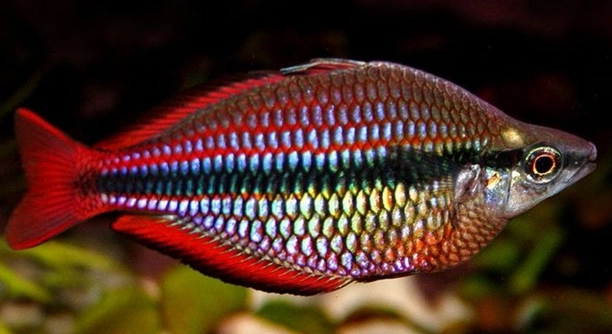
Rainbow fish are popular aquarium pets known for their vibrant colors and active swimming. However, keeping them in a tank with minimal decor might raise concerns about their well-being. Many aquarium owners wonder how important plants are for these fish.
Rainbow fish may experience boredom and stress without plants or enrichment. Plants provide hiding spaces, stimulate natural behaviors, and enhance overall tank conditions, improving the fish’s mental and physical health. Therefore, they benefit from a more enriched environment.
Adding plants to your aquarium not only benefits your rainbow fish but also contributes to a more natural, balanced ecosystem for all your tank’s inhabitants.
Why Do Rainbow Fish Need Plants?
Rainbow fish are naturally found in freshwater environments with plants, rocks, and other natural elements. These fish have evolved to swim through plant-filled waters where they can hide, forage, and interact with their surroundings. In captivity, providing plants mimics their natural habitat and promotes healthy, active behavior. Without plants, rainbow fish may become stressed or lethargic, showing signs of boredom, which can negatively affect their health. Plants also help maintain water quality by absorbing excess nutrients and providing oxygen, which is crucial for all aquarium inhabitants.
Adding plants to an aquarium gives your rainbow fish an opportunity to display natural swimming patterns. It helps them feel more secure and less likely to exhibit signs of stress. The right plants also offer hiding spots and reduce the fish’s exposure to constant movement, making them feel safer in their space. With plants, your rainbow fish will thrive and be more active.
The benefits of plants go beyond just providing a place to hide. They also offer surfaces for biofilm growth, which can serve as a food source. Furthermore, plants can help keep the water clean and reduce algae growth by competing for nutrients.
Choosing the Right Plants for Your Rainbow Fish
When selecting plants for your aquarium, it’s essential to choose those that thrive in similar water conditions. Rainbow fish generally prefer slightly acidic to neutral water and temperatures ranging from 72-79°F (22-26°C). Opt for low-maintenance plants that can grow well in these conditions and avoid any plants that require too much light or special care.
Good options include Java Fern, Anubias, and Amazon Sword. These plants not only enhance the beauty of your tank but also support the well-being of your rainbow fish. Java Fern is particularly hardy and can be attached to rocks or driftwood, making it a perfect choice for beginner aquarium keepers.
Anubias, with its thick, sturdy leaves, also grows well in low light, making it easy to care for while providing shelter and hiding spots for the fish. Amazon Sword plants grow larger, offering more cover and improving water quality through their strong root systems.
Can Rainbow Fish Live Without Plants?
While rainbow fish can survive without plants, their well-being may not be optimal. Without plants, they lack the natural stimulation and hiding spots that help reduce stress. This could lead to poor health or less active behavior. Without the right environment, they may also struggle with navigating the tank.
A tank without plants may also become imbalanced over time. Plants help regulate water quality by absorbing excess nutrients and filtering the water. Without this natural filtration, your rainbow fish might experience more algae growth or deteriorating water conditions, which can lead to health problems. It’s important to provide them with the right environment to promote long-term health.
In addition to water quality, rainbow fish thrive when they have an environment that mimics their natural habitat. Plants provide more than just shelter; they create a sense of security and promote healthier social behaviors. Without this, rainbow fish can become more aggressive or less active. Maintaining a plant-rich tank is crucial for their overall well-being.
How to Set Up a Plant-Friendly Tank for Rainbow Fish
To create a plant-friendly environment for rainbow fish, focus on providing both floating and rooted plants. Floating plants help diffuse the light in the tank, creating shade and mimicking their natural environment. Rooted plants like Amazon Swords give the fish areas to swim through and hide within.
Ensure that the plants are well-spaced to avoid overcrowding, allowing the fish enough room to swim freely. Using a nutrient-rich substrate, such as aquarium soil, will also help plants grow strong and healthy. Plants with different leaf structures and colors will create visual variety, which is good for both the fish and the tank’s aesthetic appeal.
Add a good lighting system to encourage plant growth. It’s important to strike a balance between the light the plants need and the needs of the fish. Excessive light can cause algae growth, which can harm water quality. It’s best to have around 8-10 hours of light per day.
Benefits of Live Plants for Rainbow Fish
Live plants help improve water quality by absorbing excess nutrients, reducing harmful chemicals, and preventing algae growth. They also provide natural hiding spots for rainbow fish, which reduces stress. With live plants, the tank feels more like their natural environment, improving their overall health.
In addition to water filtration, plants enhance oxygen levels in the tank. As plants photosynthesize, they release oxygen, benefiting both the fish and the beneficial bacteria in the tank. This creates a balanced and healthier ecosystem for your rainbow fish to thrive in.
Common Mistakes When Adding Plants to Rainbow Fish Tanks
One common mistake is overplanting, which can limit swimming space for rainbow fish. Overcrowded tanks make it harder for the fish to move freely and can cause them to become stressed. Always consider how much space your fish need to swim comfortably.
Another mistake is using plants that don’t suit the water conditions of the tank. Rainbow fish thrive in slightly acidic to neutral water, and plants that require different conditions can suffer. Choosing plants that match the environment ensures both the plants and the fish flourish together.
Can Artificial Plants Be a Substitute?
Artificial plants may look good, but they don’t offer the same benefits as live plants. They don’t contribute to water quality or oxygen levels and don’t create the same natural environment. Rainbow fish may not feel as secure, which could lead to stress or boredom.
FAQ
Do rainbow fish need live plants?
Yes, rainbow fish benefit greatly from having live plants in their tank. They provide natural hiding spots, create a more natural environment, and help maintain water quality. Plants also give rainbow fish a sense of security, reducing stress and encouraging more natural behavior. Without live plants, the tank may not provide the proper stimulation, leading to less active and potentially stressed fish.
Can rainbow fish live without plants?
While rainbow fish can survive without plants, their well-being may not be optimal. They might feel exposed and stressed without the hiding spots and natural elements that plants provide. Additionally, a tank without plants may struggle to maintain water quality, which is crucial for the health of your rainbow fish.
What types of plants are best for rainbow fish?
Plants like Java Fern, Anubias, and Amazon Sword are excellent choices for rainbow fish. These plants grow well in low to moderate light and thrive in the same water conditions preferred by rainbow fish. Java Fern is especially easy to care for and can be attached to rocks or driftwood. Anubias is another sturdy option that requires minimal maintenance. Amazon Sword plants grow larger and offer more coverage, which is perfect for providing hiding spots.
How do plants help maintain good water quality for rainbow fish?
Plants help maintain water quality by absorbing excess nutrients and reducing the levels of harmful substances like nitrates and phosphates. They also produce oxygen during photosynthesis, which is vital for both the fish and the tank’s ecosystem. Without plants, waste and chemicals can build up in the water, leading to poor conditions that can negatively affect your rainbow fish.
Do rainbow fish get bored without plants?
Yes, rainbow fish can get bored without plants. These fish are naturally active and curious. Without plants or other forms of enrichment, they may show signs of stress or inactivity. Providing plants in the tank allows them to explore, hide, and engage in more natural behaviors, helping to reduce boredom and stress.
How often should I trim the plants in my rainbow fish tank?
The frequency of trimming plants depends on the type of plants you have and how fast they grow. Fast-growing plants like hornwort or water wisteria might need trimming every couple of weeks to keep them from overtaking the tank. Slower-growing plants, like Anubias or Java Fern, may require trimming less often. It’s important to monitor the growth of your plants and trim them when they start to crowd the tank or block light from reaching other plants.
Are there any plants rainbow fish should avoid?
Rainbow fish generally do well with most common aquarium plants, but it’s important to avoid plants that require extremely high light or CO2 injection. These conditions may be difficult to maintain in a tank that’s also home to rainbow fish. Additionally, plants with sharp or spiky leaves should be avoided, as they could potentially injure the fish when they swim through them. Plants like floating water lilies or those that produce too much surface cover might also block light from reaching other plants and fish.
Can artificial plants substitute for live plants in a rainbow fish tank?
Artificial plants can be a substitute for live plants in terms of appearance, but they don’t provide the same benefits. They don’t contribute to water quality, oxygen levels, or offer natural hiding spots. While they can make a tank look nice, they can’t replicate the enrichment and environmental benefits that live plants bring. For the best results, live plants should be used whenever possible.
How do I prevent algae growth in a tank with live plants?
To prevent algae growth in a tank with live plants, avoid excessive lighting, which can encourage algae blooms. Aim for about 8 to 10 hours of light per day. Additionally, ensure proper tank maintenance, such as regular water changes and cleaning the substrate. Avoid overfeeding your rainbow fish, as leftover food can contribute to algae growth. Plants like Anubias and Java Fern can help by competing for nutrients that algae would otherwise use.
Should I use a substrate with nutrients for my plants?
Yes, using a nutrient-rich substrate can help your plants grow better, as it provides the necessary nutrients to the plant roots. A good substrate like aquarium soil or a specialized plant substrate can promote healthier plants. However, if you prefer to use a different substrate, you can still grow plants by using liquid or root tab fertilizers. It’s essential to choose the right substrate for your plants’ needs to ensure they thrive in your rainbow fish tank.
How can I help my rainbow fish adjust to new plants in the tank?
Rainbow fish are usually quite adaptable, but when adding new plants, it’s important to make gradual changes. Allow the fish to explore the new plants at their own pace. Avoid introducing too many new plants at once, as this can overwhelm the fish. Additionally, keep an eye on water parameters to ensure the plants aren’t affecting the tank’s balance too much during the transition.
How do I care for plants in a tank with rainbow fish?
Caring for plants in a rainbow fish tank involves providing the right light, water conditions, and nutrients. Ensure the tank has appropriate lighting for plant growth, ideally 8-10 hours per day. Keep the water temperature between 72-79°F (22-26°C) and maintain a slightly acidic to neutral pH. Regularly check on the plants for any signs of damage or disease, and prune them as necessary to avoid overcrowding.
What is the role of plants in the health of rainbow fish?
Plants play a crucial role in the health of rainbow fish by promoting better water quality, providing natural hiding spots, and creating a more stable environment. They help oxygenate the water and absorb excess nutrients, reducing the risk of harmful algae growth. Without plants, water quality can deteriorate, leading to stress and potential health issues for the fish.
Final Thoughts
Rainbow fish are vibrant and active creatures that require a suitable environment to thrive. While they can survive in a tank without plants, providing live plants helps create a more natural and enriching space for them. Plants contribute to the overall health of the tank by improving water quality, offering hiding spots, and making the fish feel more secure. Without plants, rainbow fish might become stressed, less active, or even aggressive, as they don’t have the same opportunities to explore and feel safe in their environment.
The benefits of plants go beyond just aesthetic appeal. They help oxygenate the water, absorb excess nutrients, and provide natural filtration. This is important for maintaining a balanced and healthy tank environment. The right plants also provide your rainbow fish with the chance to display natural behaviors, such as swimming through plants or seeking shelter when they feel threatened. Adding plants like Java Fern, Anubias, or Amazon Sword is a simple yet effective way to meet the needs of your rainbow fish. These plants are low-maintenance and thrive in the same water conditions as rainbow fish, making them ideal choices for beginners.
In the end, while rainbow fish can live without plants, their overall well-being improves significantly when plants are included in their tank. The combination of natural habitat enrichment, improved water quality, and stress reduction contributes to a happier, healthier fish. If you want your rainbow fish to flourish, adding live plants is a simple yet essential step in providing the best care. Taking the time to choose the right plants and maintaining a healthy tank environment will help your rainbow fish live a longer, more vibrant life.

Hello,
If you enjoy the content that we create, please consider saying a "Thank You!" by leaving a tip.
Every little bit helps us continue crafting quality advice that supports the health, happiness, and well-being of pets around the world, for pets of all shapes, sizes, and species.
We really appreciate the kindness and support that you show us!