
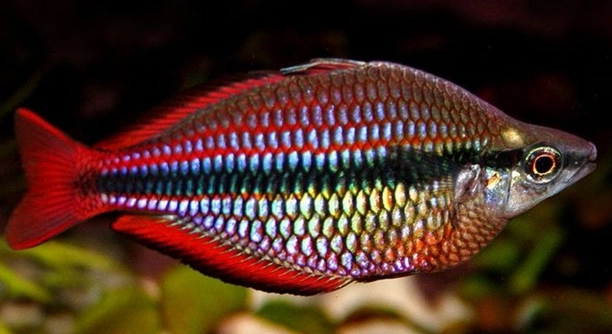
Rainbow fish are popular aquarium pets, known for their bright colors and lively personalities. However, you may sometimes notice that they seem to refuse to move, leaving you wondering what’s causing this unusual behavior.
Rainbow fish may refuse to move due to various reasons, including stress, illness, improper water conditions, or even temperature fluctuations. These factors can cause them to become inactive or display lethargic behavior, which is often a sign of discomfort.
Understanding why your rainbow fish is not moving could help you address the issue and restore their usual active behavior.
Stress and Anxiety in Rainbow Fish
Rainbow fish can be sensitive to their environment, and stress is one of the main reasons they might stop moving. Changes in their tank setup, loud noises, or even the presence of aggressive tank mates can overwhelm them. When fish are stressed, they may hide or remain still as a way to cope. Over time, if the stress continues, it could lead to them becoming more sluggish or refusing to move altogether.
Tank conditions play a crucial role in how fish behave. Stress triggers can include poor water quality, sudden changes in lighting, or overcrowding. It’s important to create a calm and stable environment to prevent your rainbow fish from feeling anxious.
If you notice that your rainbow fish has stopped moving, it’s worth checking the water quality and considering any recent changes in the tank. Stress management, such as reducing tank noise and ensuring the water is clean, can help your fish return to their usual behavior.
Illness and Disease
A common reason for inactivity in rainbow fish is illness. Infections or parasites can make them feel unwell and reduce their energy levels. Fish may stop moving when they are in pain or not feeling right. If you observe other signs of illness, such as faded colors or abnormal swimming patterns, you should consider isolating the affected fish and seeking treatment.
Rainbow fish are also vulnerable to certain parasites and diseases like ich or swim bladder disease. These health issues can cause them to act lethargic. Addressing the illness early on can prevent further complications. If your fish’s inactivity is linked to health problems, swift action is necessary.
A veterinarian specializing in fish can help diagnose the issue and recommend treatments. Early intervention increases the chances of recovery, and with the right care, your rainbow fish should be back to its active self soon.
Water Quality and Temperature
If the water quality isn’t ideal, your rainbow fish may refuse to move. Poor water conditions like high ammonia levels or low oxygen can stress fish and lead to inactivity. Regular water changes and proper filtration are crucial to maintaining a healthy tank environment.
Temperature is another important factor. Rainbow fish prefer stable water temperatures, typically between 72°F and 79°F. If the water is too cold or too warm, they may become sluggish or seek out hiding spots to avoid discomfort. Sudden changes in temperature can be especially problematic.
To prevent temperature-related issues, use a reliable aquarium heater to maintain consistent warmth. Also, invest in a water test kit to monitor ammonia, nitrite, and nitrate levels regularly. Both of these steps help keep the environment comfortable, so your rainbow fish can stay active and healthy.
Overfeeding
Overfeeding is a common mistake that can affect the activity of rainbow fish. When fish consume more food than they need, the excess can lead to bloating or digestive issues, which can make them inactive. They may also become stressed if leftover food pollutes the water.
To avoid overfeeding, stick to a feeding schedule and give only small amounts of food that the fish can eat in a few minutes. Remove any uneaten food promptly to prevent it from deteriorating in the tank and affecting water quality. This practice helps keep your fish comfortable and healthy.
It’s important to remember that rainbow fish have small stomachs and don’t require a lot of food. By ensuring they get the right amount and maintaining water quality, you can prevent inactivity caused by overfeeding and keep your fish active and happy.
Poor Tank Setup
A poorly arranged tank can make your rainbow fish feel unsafe or uncomfortable. Items like sharp objects, overcrowded spaces, or sudden changes in the tank layout can stress them out and cause them to stop moving. It’s essential to create a calm, organized environment for them to thrive.
Fish need enough room to swim freely and explore. Ensure your tank has enough hiding places but also enough open space for the fish to feel secure. A good tank setup reduces stress and promotes natural behaviors, helping your rainbow fish stay active.
Incompatible Tank Mates
Rainbow fish may refuse to move if they are kept with aggressive or incompatible tank mates. Aggressive fish may chase or intimidate them, leading to stress and a lack of movement. Make sure all fish in the tank get along and have compatible temperaments.
Tank mates should be peaceful and similar in size. Avoid mixing aggressive fish with calmer species, as this can trigger anxiety in the rainbow fish, making them more likely to stay still. Consider rearranging the tank or removing overly aggressive fish to restore peace.
Lack of Exercise
Rainbow fish are naturally active and love to swim. If they don’t have enough space or stimulation, they may become inactive. Providing plenty of open space and adding plants or decorations can encourage movement and allow them to exercise.
Fish need mental and physical stimulation to remain healthy. Without enough room to swim or interesting elements to explore, they may resort to staying still. Regularly rearranging the tank and introducing new decorations can motivate your rainbow fish to move more.
FAQ
Why is my rainbow fish not moving?
Rainbow fish can become inactive due to several factors, including poor water quality, stress, illness, or improper tank conditions. Check the water parameters like temperature, ammonia, and nitrate levels, as poor water quality can make them lethargic. Stress from aggressive tank mates or sudden changes in the tank setup can also cause inactivity. If they seem unwell, look for signs of illness such as faded colors or abnormal swimming. Identifying the issue early can help get them back to their usual active behavior.
What should I do if my rainbow fish isn’t moving?
If your rainbow fish isn’t moving, start by checking the water conditions. Test the temperature, pH, and ammonia levels to ensure the environment is optimal. If the water quality is off, perform a partial water change and adjust the filtration. If the fish seems stressed, try rearranging the tank to give them more space or reduce noise. Keep an eye on other fish in the tank to see if there’s aggression or competition for space. Lastly, if there are signs of illness, isolate the fish and treat as necessary.
Can rainbow fish become lazy?
Rainbow fish are generally active and curious, but they can appear lazy if they are stressed, sick, or uncomfortable. Poor water quality, incorrect temperature, or being kept with aggressive fish can make them less likely to swim. It’s important to maintain a clean, stable tank environment and monitor their behavior. If they seem lethargic for an extended period, it’s a sign something may be wrong. Sometimes, they need time to recover from illness or stress, so patience and proper care are key.
How can I tell if my rainbow fish is sick?
Signs of illness in rainbow fish include faded colors, difficulty swimming, or a lack of movement. They may swim erratically or float near the surface or bottom of the tank. If your fish has visible spots, sores, or swollen areas, it’s likely dealing with an infection or parasite. Look for signs like clamped fins, difficulty breathing, or a loss of appetite. If you notice these symptoms, it’s important to isolate the sick fish and seek advice from a fish veterinarian or use appropriate treatments.
Could my rainbow fish be stressed?
Yes, rainbow fish can get stressed from various factors. Overcrowding, sudden changes in their environment, or aggressive tank mates are common causes. They may hide, refuse to eat, or stop moving if they feel unsafe or threatened. Ensure your tank is properly set up with enough hiding places and swimming space. Try to minimize loud noises or disturbances around the tank. Keeping the tank stable and peaceful is key to reducing stress and helping your rainbow fish stay active.
What is the ideal temperature for rainbow fish?
Rainbow fish thrive in temperatures between 72°F and 79°F (22°C and 26°C). A stable temperature within this range encourages healthy activity and prevents stress. Temperature fluctuations can cause them to become sluggish or inactive. Use an aquarium heater to maintain consistent warmth, and monitor the temperature regularly with a reliable thermometer. Sudden temperature changes or water that’s too cold or too hot can cause discomfort and lead to inactivity.
Do rainbow fish need a lot of space?
Yes, rainbow fish are active swimmers and need plenty of space to thrive. A small or overcrowded tank can stress them out and limit their ability to move freely. A minimum tank size of 30 gallons is recommended for a small group of rainbow fish, with larger tanks being better for bigger groups. Ensure that the tank has enough open swimming areas, as well as some plants or decorations for hiding. Providing adequate space helps them stay healthy and active.
How often should I feed my rainbow fish?
Rainbow fish should be fed small amounts of food once or twice a day. Overfeeding can lead to digestive issues, bloating, and water quality problems. Feed them only what they can eat in a few minutes to avoid excess food left in the tank. Regular feeding also encourages natural behavior and activity. Remember to remove any uneaten food to keep the water clean and healthy. Stick to a routine and adjust portions as needed based on the number of fish in your tank.
Can rainbow fish recover from being inactive?
Yes, rainbow fish can recover from inactivity once the cause is addressed. Whether the issue is poor water quality, stress, illness, or other factors, providing the right environment and care can help them regain their energy. Clean the tank, ensure proper water parameters, and remove any stress triggers. If illness is the problem, treat it with the proper medications. With time and the right conditions, your rainbow fish should return to its usual active self.
What kind of tank mates are best for rainbow fish?
Rainbow fish do well with peaceful, similar-sized tank mates. Avoid aggressive fish that might chase or stress them out. Good tank mates for rainbow fish include other peaceful community fish like tetras, guppies, or corydoras catfish. Make sure all species in the tank are compatible in terms of temperament and water requirements. Keeping peaceful and non-territorial fish together ensures a calm environment and promotes healthy social interactions. A stress-free tank promotes active behavior in all fish.
Final Thoughts
Rainbow fish are beautiful and active creatures, but when they stop moving, it can be a sign that something is wrong. There are several reasons why your rainbow fish may be inactive, such as stress, poor water quality, illness, or even tank setup issues. By keeping an eye on their environment and making sure it is stable and clean, you can help prevent these problems and keep your fish healthy. It’s important to monitor their behavior regularly to spot any changes and address any concerns quickly.
The most common causes of inactivity in rainbow fish are stress and poor water conditions. Ensuring that your tank is the right size, has proper filtration, and the water is kept at the correct temperature will create an environment where your rainbow fish feel comfortable and safe. Fish that feel threatened or stressed will often hide or become sluggish. Overcrowding, aggressive tank mates, or sudden changes to the environment can all lead to stress. By maintaining a peaceful tank and providing plenty of space for your fish to swim, you can reduce stress levels and encourage active behavior.
If your rainbow fish refuses to move for an extended period, it’s essential to take action. Start by checking water parameters, like temperature, pH, and ammonia levels, and make sure your fish are not suffering from any illnesses. If you find any signs of disease, treating the fish as soon as possible can help it recover. Remember that regular maintenance, proper feeding, and monitoring the fish’s health can go a long way in preventing inactivity and keeping your rainbow fish happy and active.

Hello,
If you enjoy the content that we create, please consider saying a "Thank You!" by leaving a tip.
Every little bit helps us continue crafting quality advice that supports the health, happiness, and well-being of pets around the world, for pets of all shapes, sizes, and species.
We really appreciate the kindness and support that you show us!