
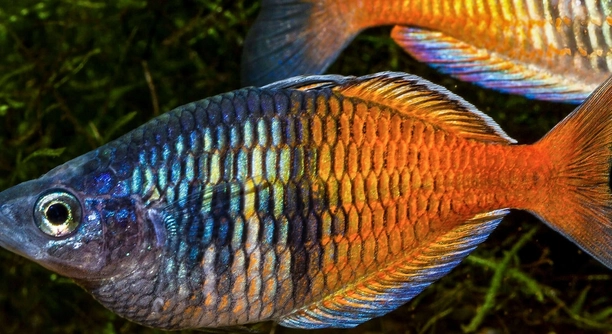
Rainbow fish are known for their vibrant colors and graceful movements. Observing their behavior can often lead to questions about how emotions, like happiness, may influence their swimming speed.
Research on fish behavior has shown that while external factors, such as water temperature and environment, can affect swimming speed, there is no strong evidence to suggest that emotional states, like happiness, directly influence the speed of rainbow fish.
The factors influencing their movement are more related to environmental conditions and physical health. Understanding these aspects helps provide insight into their natural behavior and well-being.
The Basics of Rainbow Fish Behavior
Rainbow fish are often admired for their colorful scales and agile swimming. These fish live in schools and can be found in various water bodies, from freshwater lakes to rivers. They are generally peaceful and social, interacting frequently with other fish in their habitat. As a result, they spend a lot of time swimming and exploring their environment, responding to both external stimuli and changes in their surroundings. It is easy to assume that mood affects their behavior, but this idea is not supported by strong scientific evidence. The speed at which rainbow fish swim can be influenced by factors like water quality, temperature, and the presence of food or predators. They swim faster when motivated by these external stimuli, not emotions like happiness.
Rainbow fish are also known to display different behaviors when they are in a group. This social nature might lead to varying swimming patterns that can be mistaken for emotional reactions.
In a tank or aquarium setting, fish can become stressed by overcrowding or poor water conditions. This stress can alter their swimming habits, making them appear slower or more lethargic. However, stress is often a result of environmental issues, not emotional states. It’s essential to monitor the water temperature and quality regularly, as rainbow fish thrive in stable environments. Stress-related behaviors are common when water parameters fluctuate, but it doesn’t mean they are reacting to emotional changes in the same way humans would. Recognizing the signs of stress can help maintain a healthy and active environment for your rainbow fish.
External Factors Influencing Swimming Speed
Swimming speed in rainbow fish is strongly tied to their physical environment.
Water conditions, such as temperature and current, can impact their ability to swim efficiently. Fish are cold-blooded, meaning their metabolic rate depends on the surrounding temperature. If the water is too cold or too warm, it can cause them to swim slower as their body adjusts to the environmental change. A current, either from natural water flow or a pump in an aquarium, also encourages more active swimming. In nature, rainbow fish often swim against the current, which keeps them fit and alert.
It’s important to maintain proper water conditions to ensure rainbow fish are healthy and active. Monitoring the temperature range and the oxygen levels in the water can make a significant difference in their behavior. They are more likely to swim faster and explore their surroundings when these conditions are ideal. Additionally, their health plays a significant role. Sick fish or those with injuries will swim slower than healthy ones. Regular tank maintenance and observation of their behavior can prevent many issues related to their swimming speed.
Social Interactions and Swimming Behavior
Rainbow fish tend to swim faster in schools. The presence of other fish can lead to more active and energetic movements, as they respond to each other’s actions. Swimming in groups provides a sense of security, which might encourage them to explore and move quickly in their environment.
When kept in groups, rainbow fish display more natural behaviors, including swimming and foraging together. These fish are less likely to feel threatened, which promotes faster movement. On the other hand, a solitary fish might swim slower, as it lacks the stimulation from the group. They often appear more reserved when isolated and can show signs of stress, which may reduce their swimming speed. A school of rainbow fish helps mimic their natural habitat, where they swim together for protection and social interaction.
The energy they display in a group may also result from competition for food or space. Fish are naturally inclined to compete with one another, especially when food is involved. This can drive them to swim faster, not necessarily because they are happy, but due to the need to secure resources. Understanding how social factors affect their behavior can help maintain a stable and lively environment for rainbow fish.
Environmental Stressors and Their Impact
Stress is a significant factor affecting the swimming speed of rainbow fish.
Poor water quality or drastic changes in their habitat can create stress, causing them to swim slower or become more lethargic. Rainbow fish are sensitive to water temperature fluctuations, changes in pH, and low oxygen levels. When they are exposed to suboptimal conditions, their immune systems become weakened, leading to a slower response time and reduced activity. In these circumstances, their movements are more restricted as they attempt to adjust to the environmental stressor.
Maintaining stable water conditions is key to ensuring that rainbow fish remain active and healthy. Monitoring the tank’s water parameters regularly and addressing any changes quickly can prevent unnecessary stress. Additionally, adding plants or hiding spots can provide fish with a sense of security and reduce the stress that might slow their swimming speed.
The Role of Feeding in Swimming Speed
Feeding time can also impact the swimming behavior of rainbow fish.
When they see food, they tend to swim faster, actively searching for the source of their next meal. This excitement can cause bursts of speed as they compete with other fish for food. However, it’s not an indication of happiness but rather a natural instinct for survival.
Fish that are well-fed typically maintain steady swimming speeds. Overfeeding can, however, lead to sluggish behavior due to the digestive load. In nature, rainbow fish feed in short bursts and are constantly moving, which helps them stay fit and energized.
Tank Size and Movement
A tank that’s too small can limit their movement and cause stress.
Rainbow fish need enough space to swim freely, as their natural behavior involves exploring larger areas. In a cramped environment, their swimming speed can decrease, as they are unable to move around as much. The lack of space can lead to frustration and even health issues.
Providing ample space allows rainbow fish to express their natural behaviors. It also promotes more active movement, improving their overall health. A larger tank or one with additional hiding places can stimulate their curiosity and encourage them to swim faster as they explore their surroundings.
FAQ
Do rainbow fish swim faster when they are stressed?
Yes, stress can cause rainbow fish to swim in a more erratic manner, but it is typically not faster. Stress can come from poor water conditions, overcrowding, or lack of food, which might lead them to move less fluidly and with more hesitations. When stressed, rainbow fish usually swim slower, as they are trying to adjust to their uncomfortable environment or seek shelter.
Can rainbow fish’s swimming speed be affected by the tank’s water temperature?
Absolutely. Rainbow fish are sensitive to temperature changes. If the water is too cold or too hot, it can affect their metabolism, slowing down their swimming. They are most active in water that is between 72°F and 80°F. If the temperature is outside of this range, they may move slower or exhibit less energetic behavior.
How can I encourage my rainbow fish to swim faster?
To encourage faster swimming, you can provide an environment that mimics their natural habitat. Keep the water clean and properly filtered, maintain the right temperature, and provide enough space for them to swim. Adding a gentle current can also stimulate their swimming, as rainbow fish tend to enjoy swimming against mild flows.
Does the type of food I give my rainbow fish affect their swimming speed?
Yes, the food can influence their activity level. Rainbow fish are more active when they are hungry and may swim faster during feeding times. However, it’s important not to overfeed them, as this can lead to sluggish behavior. Providing a balanced diet that includes a mix of high-quality flake food, live food, and frozen options can help maintain their energy levels.
Do rainbow fish swim faster when they are in a group?
Rainbow fish tend to swim faster and more actively when they are in a group. In nature, they swim in schools for safety and social reasons. When kept in groups, they are more likely to swim at their normal speeds, as they feel secure and are motivated by social interactions with other fish.
Can I tell if my rainbow fish are happy based on their swimming speed?
While there is no clear way to measure happiness in fish, a healthy and content rainbow fish is likely to swim at a normal or active pace. If they are swimming erratically, slowly, or seem lethargic, it may indicate stress or illness rather than happiness. Ensuring their water conditions are ideal and providing a good diet will help them maintain normal behavior.
Do rainbow fish swim faster in a larger tank?
Yes, a larger tank provides more room for rainbow fish to swim freely, which can lead to faster swimming. A confined space can restrict their movement and cause stress, slowing down their swimming. A tank with sufficient space encourages natural behaviors and can stimulate their activity level.
How does water quality impact rainbow fish swimming speed?
Water quality has a direct impact on their swimming speed. Poor water conditions, such as high levels of ammonia, nitrites, or nitrates, can cause rainbow fish to swim slower. They may feel lethargic or stressed due to the toxic environment. Maintaining good water quality with regular water changes and proper filtration is crucial to their health and activity level.
Do rainbow fish swim faster when they are breeding?
Rainbow fish may swim faster or more erratically during the breeding season. Males typically display more energetic behavior as they compete for the attention of females. During this time, the speed and intensity of their swimming may increase due to their natural instincts to attract a mate.
How do rainbow fish react to light?
Rainbow fish are diurnal, meaning they are most active during the day. Light can stimulate their swimming, as they are more likely to be active during the day when the light is on. However, excessive lighting or sudden changes in light intensity can cause stress, leading to slower swimming or more cautious behavior.
Can rainbow fish swim faster if they are in a school with other species?
While rainbow fish may swim faster in a school of their own kind, adding other species to the tank can still encourage movement. They may swim at a similar pace as other species, especially if they are all actively foraging or competing for food. However, it’s essential to ensure that the other species are compatible to avoid aggression, which could lead to stress and slower swimming.
Does the gender of rainbow fish affect their swimming speed?
Generally, there is no significant difference in swimming speed between male and female rainbow fish. However, males may appear more active or faster during the breeding season, as they display more energetic behavior to attract females. Outside of breeding times, their swimming speed tends to be similar.
Can rainbow fish swim faster if they are in a tank with more hiding spots?
Hiding spots can actually help reduce stress, which in turn may help them swim at a normal or faster pace. When fish feel safe, they are more likely to exhibit natural swimming behaviors. If they don’t have access to areas to hide when they feel threatened, they may become more cautious and swim slower.
How do rainbow fish behave when they are not feeling well?
Sick rainbow fish typically swim slower or may become lethargic. They may hide more often or stay in one spot for extended periods. If you notice your rainbow fish swimming slower than usual, it could be a sign of illness or stress. Monitoring their health and water conditions is important to prevent further problems.
Final Thoughts
Rainbow fish are fascinating creatures, and their swimming behaviors can be influenced by various factors. While it may seem like their swimming speed is linked to their mood, it’s actually more about their environment and overall health. When they feel secure, have enough space, and are in optimal water conditions, they tend to swim at a more natural, energetic pace. On the other hand, stress, poor water quality, or overcrowding can cause them to swim slower or in a more erratic manner. Understanding these factors can help keep your rainbow fish happy and healthy.
Maintaining a healthy tank environment is key to ensuring your rainbow fish swim naturally and at their best. Regular water changes, proper filtration, and monitoring water temperature and quality will go a long way in promoting active swimming. It’s also important to provide enough space for them to move freely and interact with other fish. Adding hiding spots or plants can help them feel secure, reducing stress and encouraging more normal behavior. Proper feeding routines also play a role in their overall activity level, so offering a balanced diet will help keep them energetic.
While their swimming speed may not always reflect their happiness, you can still ensure they are comfortable and thriving by maintaining good tank conditions. If you observe changes in their behavior, such as reduced swimming speed or lethargy, it’s important to check the water parameters and ensure the tank is not overcrowded. With proper care, rainbow fish can enjoy a healthy, active life, and their swimming speed will likely reflect a well-maintained and stress-free environment.

Hello,
If you enjoy the content that we create, please consider saying a "Thank You!" by leaving a tip.
Every little bit helps us continue crafting quality advice that supports the health, happiness, and well-being of pets around the world, for pets of all shapes, sizes, and species.
We really appreciate the kindness and support that you show us!