
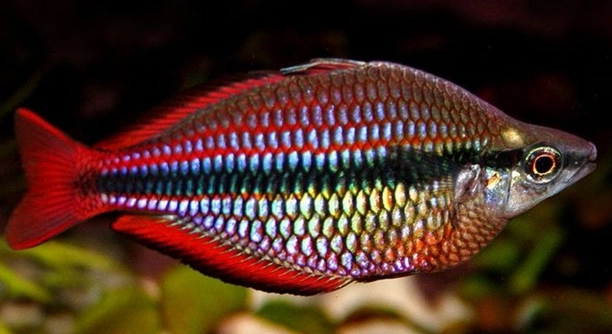
Rainbow fish are a popular and vibrant addition to aquariums, with each fish displaying unique characteristics. Their personalities can vary greatly, ranging from calm and gentle to more active and bold behaviors. Understanding these traits can be helpful.
Rainbow fish can be classified into seven distinct personality types, each showcasing different behaviors from calm to bold. These fish can adapt to various environments, and their interactions with other tank mates depend on their unique traits and temperament.
The more you understand their personalities, the easier it will be to create a peaceful, balanced tank. This guide will help you identify the traits that make each rainbow fish unique.
Calm and Peaceful Rainbow Fish
Some rainbow fish are known for their calm and peaceful personalities. These fish tend to stay to themselves and do not actively seek out interactions with other tank mates. They usually prefer to stay in the background and enjoy a quiet environment. These types of rainbow fish are perfect for community tanks, where they coexist peacefully with other fish species. Their laid-back attitude also makes them ideal for beginner aquarium owners who prefer a low-maintenance tank. A calm rainbow fish does not require much attention but thrives in a stress-free environment, so it’s essential to provide them with enough space to swim freely.
These rainbow fish don’t show aggressive behavior towards other species, making them easy to maintain in a shared tank setting. Their peaceful nature means that they avoid competition for food or territory, which reduces the chances of conflict. A calm environment can help them flourish, and ensuring that their tank mates are equally non-aggressive will keep the atmosphere serene.
In addition to being peaceful, these fish still display some level of curiosity. They enjoy exploring their tank but tend to do so in a relaxed manner, often drifting around plants or near the tank’s edges. This makes them enjoyable to observe without the constant movement seen in more energetic fish. It’s important to monitor their well-being, though, as even the calmest species can face challenges if the tank environment is not suitable. Make sure to maintain water quality and avoid overcrowding to keep them healthy and content.
Bold and Adventurous Rainbow Fish
Bold rainbow fish are the opposite of their calm counterparts. These fish are highly active and adventurous. They tend to be more visible in the tank, swimming around frequently and exploring every corner of their environment. This personality type thrives in a more dynamic tank with plenty of space to move and interact. Bold rainbow fish often engage with other fish, displaying more visible territorial behaviors. Their energy can be contagious, making them exciting additions to an aquarium.
These fish require more attention to their tank conditions. They benefit from a larger tank with various hiding spots and plants to provide them with the stimulation they need. Bold rainbow fish also tend to be more competitive during feeding times, making it necessary to ensure they receive enough food. They are naturally inquisitive, often darting around the tank in search of new places to explore. The boldness of these fish makes them a lively and captivating addition to any aquarium setup.
Shy and Reserved Rainbow Fish
Shy rainbow fish are not as outgoing and prefer to stay in the background. They are often seen hiding among plants or at the back of the tank. These fish are best suited for tanks with a calm atmosphere, where they can feel safe and secure.
Because of their reserved nature, shy rainbow fish tend to avoid interactions with other fish. They are usually not aggressive and prefer to avoid any potential conflict. It’s essential to provide them with plenty of hiding spots, such as plants or decorations, where they can retreat when feeling stressed. Shy fish need a peaceful environment to thrive, as too much activity around them can lead to anxiety.
While shy rainbow fish tend to stay hidden, they still enjoy exploring their tank. They may come out during feeding times or when the tank is quieter. These fish can form bonds with their environment but may take longer to adjust to new tank setups. Ensuring that their tank mates are calm and non-aggressive will help them feel more comfortable and reduce stress.
Active and Social Rainbow Fish
Active rainbow fish are often seen swimming in groups, interacting with each other, and exploring their surroundings. They thrive in a dynamic and busy tank environment. These fish enjoy being around other tank mates and are usually found in the middle or top levels of the tank.
Active rainbow fish are known for their social nature. They tend to form schools with their own kind, creating a lively and colorful display in the tank. They can often be seen swimming together in synchrony, showing a preference for companionship over solitude. Their social behavior makes them an ideal choice for community tanks, as they can get along with a variety of other species. It’s important to keep them in groups of at least five to ensure they feel comfortable and secure.
These fish benefit from a well-planted tank with plenty of open swimming space. The more stimulation they have, the happier they will be. Active rainbow fish are also more competitive during feeding, so ensuring there is enough food for everyone is essential.
Independent Rainbow Fish
Independent rainbow fish prefer to do their own thing. They are not overly social and may spend time exploring the tank by themselves. These fish are usually more self-sufficient, requiring less interaction from other tank mates.
Though independent, these fish still need a stable and clean environment. They can live with other species, but they won’t seek out companionship. Their preference for solitude makes them adaptable to different tank setups. It’s important to ensure that their tank is properly maintained, as independent fish can be sensitive to water conditions.
Friendly and Interactive Rainbow Fish
Friendly rainbow fish enjoy interacting with both tank mates and their owners. They can often be seen swimming toward the tank’s surface or responding to movements outside the tank. Their active and engaging nature makes them appealing to watch.
These fish typically get along well with other species, making them an excellent choice for community tanks. Their curiosity and playfulness encourage them to interact with other fish and even their human caretakers. However, it’s essential to ensure the tank offers plenty of hiding spots. Friendly rainbow fish appreciate spaces where they can retreat when necessary. Providing enrichment in the tank will keep them entertained and happy.
Calm but Territorial Rainbow Fish
Calm but territorial rainbow fish are peaceful in their interactions but may claim certain areas of the tank as their own. They prefer their space and will defend their territory if needed. However, they do not usually engage in aggressive behavior unless provoked.
It’s important to give these fish enough room to establish their territory. Ensuring they have access to plants or decorations that they can call their own will help prevent any stress-related behaviors. Territorial fish are still calm, but their need for personal space should not be overlooked. Balancing tankmates in such a setup is essential for maintaining peace.
FAQ
What is the best tank size for rainbow fish?
Rainbow fish thrive in tanks of at least 30 gallons. This size provides enough space for them to swim freely and interact with other fish. Larger tanks are even better, especially if you plan to keep a group of rainbow fish together. The more room they have, the healthier and happier they will be. Providing plenty of open swimming space is essential, but adding plants and decorations will create a more natural environment for them. This setup will help rainbow fish feel secure and give them areas to explore and hide.
Can rainbow fish live with other fish?
Yes, rainbow fish are generally peaceful and can live with a variety of other fish. They are social creatures and enjoy being in the company of other fish, but they should be paired with non-aggressive species. Small, peaceful fish like tetras or guppies work well in community tanks with rainbow fish. Avoid keeping them with aggressive or overly territorial fish, as this can lead to stress or conflict. It’s important to maintain a balanced tank with fish that can coexist peacefully without competing for space or food.
What should I feed rainbow fish?
Rainbow fish are omnivores, meaning they will eat both plant and animal matter. A balanced diet should include high-quality flake food, pellets, and occasional live or frozen foods like brine shrimp, daphnia, or bloodworms. It’s best to feed them small portions once or twice a day to prevent overfeeding. Rainbow fish will also enjoy plant matter like algae or spinach. Offering a variety of foods will help ensure they receive the necessary nutrients to stay healthy. Avoid overfeeding, as it can lead to poor water quality and other health problems.
How do I know if my rainbow fish are happy?
Healthy, happy rainbow fish are active and show vibrant colors. They should swim freely throughout the tank, exploring their surroundings and interacting with tank mates. If your fish are hiding often or appear lethargic, it could be a sign of stress or illness. Additionally, rainbow fish that are well-fed and cared for will display healthy, bright coloration. If they are staying in one area of the tank or not eating regularly, you should check water parameters and ensure they are receiving the proper care. Keep an eye on their behavior for any changes.
What is the lifespan of a rainbow fish?
On average, rainbow fish live for 5 to 8 years. However, with proper care, some species can live even longer. Providing them with a well-maintained tank, a balanced diet, and stable water conditions will help them reach their full lifespan. Regularly checking water parameters like pH, temperature, and ammonia levels is essential for keeping them healthy. A healthy, clean tank will prevent diseases and ensure your rainbow fish stay happy for years to come. Keeping a consistent maintenance routine will significantly increase their chances of a long life.
How do I breed rainbow fish?
Breeding rainbow fish can be a rewarding experience, but it requires patience and proper conditions. To encourage breeding, you need to create a separate breeding tank with soft, slightly acidic water and temperatures between 74-79°F. Set up the tank with fine-leaved plants for the fish to lay their eggs on. A healthy pair of rainbow fish is necessary to ensure successful breeding. Once the eggs are laid, the parents should be removed, as they may eat the eggs. After a few days, the eggs will hatch into fry, which should be fed small, nutritious foods like infusoria or baby brine shrimp.
Do rainbow fish need a filter?
Yes, rainbow fish require a good filtration system to keep the water clean and healthy. A filter helps maintain stable water conditions by removing excess waste and debris, preventing the buildup of harmful toxins like ammonia and nitrites. Choose a filter that is appropriate for the size of your tank and the number of fish you keep. The filter should provide gentle water movement, as rainbow fish do not like strong currents. Regular maintenance of the filter, including cleaning and replacing filter media, is important to ensure it works effectively.
Can rainbow fish live in a tank without a heater?
Rainbow fish prefer warm water, and a heater is recommended to maintain a stable temperature between 74-79°F. While some species can tolerate slightly cooler temperatures, they will not thrive in cold water. A heater helps to regulate the water temperature, preventing fluctuations that can cause stress or illness. Without a heater, the water temperature can drop, leading to potential health issues like weakened immune systems or sluggish behavior. If you live in a warmer climate, be sure to monitor the tank’s temperature regularly, as changes in room temperature can also affect the water temperature.
What water conditions do rainbow fish prefer?
Rainbow fish prefer slightly acidic to neutral water, with a pH range between 6.5 and 7.5. They also thrive in soft to moderately hard water. Keeping water parameters stable is crucial for their health. Regularly test the water to ensure that pH, hardness, and ammonia/nitrite levels are within safe ranges. The ideal temperature for most rainbow fish species is between 74-79°F. Sudden changes in water conditions can stress out the fish, so it’s important to make adjustments gradually. Regular water changes, along with good filtration, will help maintain these ideal conditions.
Why are my rainbow fish not eating?
There are several reasons why rainbow fish might not eat. Stress, poor water quality, or illness can all affect their appetite. Ensure that the water parameters are correct and that the tank is free from any potential stressors. Sometimes, rainbow fish may be shy or intimidated by more dominant tank mates. If this is the case, consider removing aggressive fish or providing more hiding places. If your fish continue to refuse food, it’s a sign that something is wrong, and you should monitor their health closely and consult an expert if needed.
Final Thoughts
Rainbow fish are a wonderful addition to many aquariums. They are easy to care for and come in various colors, adding beauty and liveliness to any tank. With their peaceful nature, they make great companions for other fish, provided the right tank conditions are met. While they can be a bit shy at times, giving them enough space and ensuring proper water parameters will help them thrive. Rainbow fish also adapt well to various environments, from community tanks to more specialized setups.
To ensure rainbow fish remain healthy, it’s essential to keep their tank clean and provide a balanced diet. Regular water changes, maintaining proper filtration, and checking water conditions will go a long way in preventing common issues. The right tank mates can also enhance the experience of keeping rainbow fish. They prefer peaceful companions and should not be housed with aggressive or overly dominant species. It’s also important to give them enough space to swim and explore, as they tend to enjoy a bit of freedom in their environment.
Lastly, rainbow fish have a long lifespan when cared for properly. Their vibrant colors and calm demeanor make them a joy to observe. While they are relatively low-maintenance, they do require some attention to detail, especially when it comes to water quality and temperature. With the right care, rainbow fish will continue to bring life and color to your tank for many years. Keeping an eye on their behavior and maintaining a consistent routine will ensure they stay happy and healthy.

Hello,
If you enjoy the content that we create, please consider saying a "Thank You!" by leaving a tip.
Every little bit helps us continue crafting quality advice that supports the health, happiness, and well-being of pets around the world, for pets of all shapes, sizes, and species.
We really appreciate the kindness and support that you show us!