
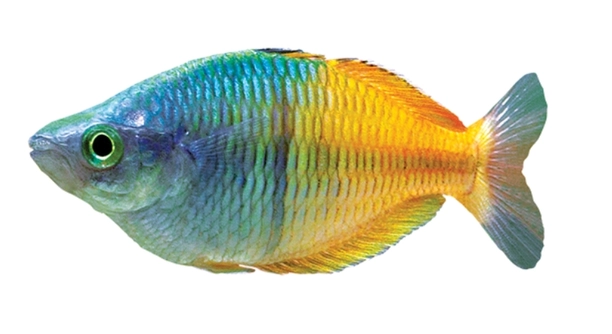
Rainbow fish are known for their vibrant colors and lively movements, but many aquarium owners wonder if these fish can navigate their tank environments and learn layouts over time. This behavior is of particular interest to fish enthusiasts.
Rainbow fish can learn the layout of their tanks to some extent. They are able to recognize landmarks and navigate around obstacles. This ability is linked to their spatial memory, allowing them to adapt to changes in their environment over time.
Understanding how rainbow fish interact with their surroundings can help improve tank setup and ensure a stimulating environment for them. The insights shared will offer valuable information for aquarium care.
How Rainbow Fish Use Their Memory
Rainbow fish are equipped with a remarkable ability to remember their tank layout. They rely on visual and spatial cues, such as plants, decorations, and the tank’s structure, to orient themselves. Over time, these fish form a mental map of their environment. This helps them navigate, find food, and even avoid obstacles. In nature, fish rely on similar strategies to find food, shelter, and avoid predators. Within an aquarium, this natural behavior continues, allowing them to move around more efficiently. Rainbow fish are often observed swimming directly to familiar spots in the tank, indicating their memory at work. This ability makes them more adaptable and less stressed when changes are made to the tank layout. By recognizing key elements in their habitat, they can quickly adjust to new situations. The role of memory in these fish highlights how well they can adapt to human-created environments, even in small tanks.
Fish rely on both long-term and short-term memory. They can quickly remember where they have been, which areas are safe, and where food is commonly found.
In addition to memory, rainbow fish have an impressive ability to recognize different types of environments. Whether it’s a new tank setup or a shift in light levels, they adapt. They can quickly assess new conditions and adjust their behavior. This adaptability is essential for their survival, as they are sensitive to environmental changes. For aquarium owners, understanding this behavior means being able to offer a more enriching space for these colorful fish. By adding landmarks and providing familiar features, the fish will feel more comfortable. This reduces stress, promotes natural behaviors, and creates a healthier environment. Regularly changing the tank layout can challenge their memory and provide mental stimulation. A varied environment also mimics natural conditions, which can improve their overall well-being.
Factors That Affect Their Learning
Several factors influence how quickly rainbow fish learn and adapt to their tank. The layout’s complexity, the presence of hiding spots, and the consistency of the tank environment all contribute.
Rainbow fish respond better when their surroundings remain relatively stable. When tank changes are made too frequently, they may experience stress. Keeping the tank layout consistent allows the fish to build stronger memory connections. However, some changes, like adding plants or changing the water’s flow, can still be beneficial. These modifications encourage the fish to learn and adjust without overwhelming them. The more time they spend in the same environment, the better they can map out their surroundings. Also, the fish’s age and health play a role in their ability to adapt. Younger fish tend to learn faster than older ones, but even adult fish are capable of adjusting. As long as the changes made are not too drastic, rainbow fish will eventually learn to navigate their new environment.
Environmental Changes and Their Impact
Rainbow fish can react differently to changes in their environment. When you rearrange decorations or change the water conditions, they may initially appear disoriented. This is a natural response as they rely on familiar cues to navigate. However, they adapt over time.
After some time, rainbow fish learn to recognize new placements of objects and can adjust their behaviors accordingly. If the change is too sudden, it can lead to temporary stress, but with proper acclimatization, they will begin to adapt. It is important to monitor their behavior after changes to ensure they are not overly stressed. A gradual change, such as moving decorations little by little, can ease the process. This allows them to adjust to new layouts without confusion. Over time, rainbow fish develop the ability to recognize even subtle changes in their surroundings.
Enhancing Tank Layout for Learning
You can enhance the tank layout to promote better learning for your rainbow fish. Simple adjustments, like adding more plants or features that stand out, encourage fish to interact with their environment.
Creating a more structured environment helps rainbow fish remember where they are and where they can find food. A tank with distinct landmarks, like large rocks or plants, provides reference points that fish can use for navigation. Additionally, ensuring that their environment has a variety of zones (such as open areas and hiding spots) can prevent boredom and encourage exploration. This stimulation not only enhances their memory but also promotes healthy, active behavior. Offering them an environment with varying features also encourages natural behaviors. This mimics the diversity of their natural habitat, improving their well-being and allowing them to thrive.
How Rainbow Fish Navigate Their Environment
Rainbow fish navigate their environment by using visual and spatial cues. Over time, they build a mental map of their tank, helping them move efficiently. Recognizing landmarks such as plants or rocks helps them maintain orientation.
Fish are also sensitive to the flow of water, which can guide them toward certain areas of the tank. For example, areas with stronger currents may attract them. The presence of plants and other hiding spots also serves as visual reference points. Their ability to identify these features allows them to move around more confidently.
Benefits of Tank Layout Variations
Changing the layout of a tank offers mental stimulation for rainbow fish. New layouts challenge them to adapt and learn, which can lead to healthier behaviors.
A varied tank setup prevents boredom and keeps the fish engaged. They begin to explore new spaces and reorient themselves within their environment. These changes mimic the complexity of their natural habitat, encouraging more active behaviors. Frequent adjustments, however, should be moderate to avoid overwhelming the fish. It is important to find a balance that stimulates their memory while keeping their stress levels low.
How Rainbow Fish Respond to Stress
Stress can hinder a rainbow fish’s ability to learn and adapt. Factors like poor water quality, overcrowding, and drastic changes in the tank can cause stress.
When stressed, rainbow fish may become more lethargic or avoid certain areas of the tank. They may also exhibit erratic swimming patterns or reduced appetite. To reduce stress, ensure the tank has stable water conditions and plenty of space for the fish to move around. Adding hiding spots can give them places to retreat and feel safe. Creating a calm, secure environment will allow them to focus more on their surroundings and improve their learning abilities.
FAQ
Can rainbow fish remember the layout of their tank?
Yes, rainbow fish can remember the layout of their tank. Over time, they use visual and spatial cues, such as plants, decorations, and the tank’s structure, to form a mental map of their environment. This helps them move around the tank more efficiently and recognize familiar locations. When the layout changes, they may initially seem disoriented, but they can adapt and relearn the layout after a short period.
How long does it take for rainbow fish to learn a new tank layout?
It can take a few days to a couple of weeks for rainbow fish to fully adjust to a new tank layout. The time depends on the extent of the changes made and the individual fish’s ability to adapt. More minor changes, like shifting decorations slightly, may be easier for them to adjust to. Larger changes, such as rearranging the tank entirely, could take longer for the fish to relearn. During this period, it’s essential to monitor their behavior and ensure they aren’t stressed.
Do rainbow fish get stressed when the tank layout is changed?
Yes, rainbow fish can experience stress when their environment changes, especially if the change is sudden. Stress can occur if decorations are moved drastically or if the water conditions fluctuate. However, moderate changes that are done gradually are generally less stressful. Providing hiding spots and maintaining stable water conditions can help reduce the stress during the adaptation period.
Do rainbow fish get bored in their tank?
Rainbow fish can get bored if their tank lacks variety or stimulation. If the tank is sparse and doesn’t have enough hiding spots or objects to explore, the fish may become less active. To prevent boredom, consider adding plants, rocks, or decorations that offer a variety of spaces for them to explore. A varied layout encourages active behavior, mental stimulation, and a healthier, more natural lifestyle for the fish.
How can I make my rainbow fish tank more stimulating for them?
You can make your rainbow fish tank more stimulating by adding different types of plants, rocks, and decorations that create visual landmarks. These features help the fish form a mental map and encourage exploration. You could also consider adding different levels to the tank, such as floating plants or structures that create varying areas for the fish to swim through. Regularly changing the layout or introducing new elements can also provide fresh challenges that keep the fish engaged.
Is it good to change the tank layout often?
Changing the tank layout occasionally can be beneficial for rainbow fish as it provides mental stimulation. However, frequent, drastic changes can cause unnecessary stress. It is best to make gradual changes and allow the fish time to adjust to each modification before making further changes. Balancing stimulation with stability will ensure the fish stay engaged without becoming overwhelmed.
Can rainbow fish recognize other fish in the tank?
Rainbow fish can recognize other fish in their tank. They are capable of distinguishing between different species and individuals. While they may not form strong bonds like some other fish species, they can still interact with each other based on familiarity. For example, they may swim in schools or avoid aggressive tank mates.
Do rainbow fish prefer a particular type of environment?
Rainbow fish typically prefer environments that are rich in plants, open swimming areas, and spaces where they can hide. They thrive in tanks with moderate water movement and stable conditions. A well-maintained tank that mimics their natural habitat in terms of water quality and layout will provide them with a comfortable and stimulating environment.
Can rainbow fish adapt to a new tank environment easily?
Rainbow fish are relatively adaptable and can adjust to new tank environments as long as the changes aren’t too abrupt. They are accustomed to a range of conditions in their natural habitat, so they can usually adapt to a well-maintained aquarium with little difficulty. It’s important to ensure that the water parameters—such as temperature, pH, and hardness—are within the range they prefer for a smooth transition.
How do rainbow fish learn to navigate the tank?
Rainbow fish learn to navigate their tank by using visual landmarks, such as plants, rocks, and other decorations. They rely on their memory to recognize these landmarks and navigate around the tank. Their ability to learn the tank layout is crucial for finding food and avoiding obstacles. The more time they spend in the tank, the more familiar they become with their environment, allowing them to move around with ease.
Do rainbow fish need a lot of space in the tank?
Yes, rainbow fish require ample space to swim. They are active swimmers and can become stressed or lethargic if their tank is too small. A minimum tank size of 30 gallons is recommended for a small group of rainbow fish. Providing enough space for them to move freely ensures they stay healthy and can express natural behaviors.
Can rainbow fish live with other species of fish?
Rainbow fish are peaceful and can live with other species of similar temperament. They do well in community tanks with other non-aggressive fish. However, it is important to avoid pairing them with very aggressive or territorial species, as this can lead to stress or conflict. When introducing new fish to the tank, it’s best to monitor interactions to ensure harmony.
What can I do to reduce stress for rainbow fish?
To reduce stress, maintain stable water parameters, avoid drastic changes in the tank layout, and provide hiding spots where they can feel safe. Ensure the tank has plenty of swimming space and avoid overcrowding. Keeping the water clean and filtered is essential, as poor water quality can contribute to stress. Additionally, limiting disturbances around the tank and maintaining a calm environment can help the fish feel secure.
How does tank lighting affect rainbow fish?
Tank lighting affects rainbow fish by influencing their natural behavior. Bright, consistent lighting is essential for their activity levels and overall well-being. However, sudden changes in lighting or overly bright lights may cause stress. It’s important to have a balanced light cycle, with periods of darkness to mimic natural day and night rhythms.
Do rainbow fish prefer specific water conditions?
Rainbow fish prefer slightly alkaline water with a pH level between 7.0 and 8.0. They thrive in temperatures ranging from 72°F to 78°F (22°C to 26°C). It’s crucial to maintain stable water conditions, as sudden changes in temperature, pH, or hardness can stress the fish and disrupt their ability to navigate and adapt to the tank. Regular water changes and monitoring water quality are key to keeping them healthy.
How can I tell if my rainbow fish is stressed?
Stressed rainbow fish may display erratic swimming patterns, reduced appetite, or unusual hiding behavior. They may swim rapidly around the tank or become lethargic and avoid social interactions with other fish. If your fish are showing signs of stress, it’s important to check the water quality and ensure the tank layout is not overwhelming. Reducing external disturbances and creating a calm environment can help alleviate stress.
Final Thoughts
Rainbow fish are intelligent creatures that can learn and adapt to the layout of their tank. Over time, they use their environment to form mental maps that help them navigate the space. This ability allows them to recognize landmarks, like plants and rocks, and find their way around the tank with ease. While they are adaptable and can handle changes, it’s important to make gradual modifications to avoid stressing them out. Small, consistent changes will allow them to adjust more comfortably.
Creating a stimulating environment is key to keeping rainbow fish happy and healthy. They thrive in tanks with plenty of open swimming space and hiding spots, mimicking the conditions of their natural habitats. By providing visual markers, such as plants and decorations, you help the fish form their mental maps. This not only helps them with navigation but also encourages exploration, which keeps them engaged and active. The more varied the environment, the more mentally stimulating it will be for your fish.
In conclusion, rainbow fish are quite capable of learning the layout of their tank. They do well in environments that offer space, structure, and stability. While they can adapt to new layouts, gradual changes and proper care are essential for reducing stress. By creating a tank that offers both familiarity and stimulation, you can ensure that your rainbow fish will thrive.

Hello,
If you enjoy the content that we create, please consider saying a "Thank You!" by leaving a tip.
Every little bit helps us continue crafting quality advice that supports the health, happiness, and well-being of pets around the world, for pets of all shapes, sizes, and species.
We really appreciate the kindness and support that you show us!