
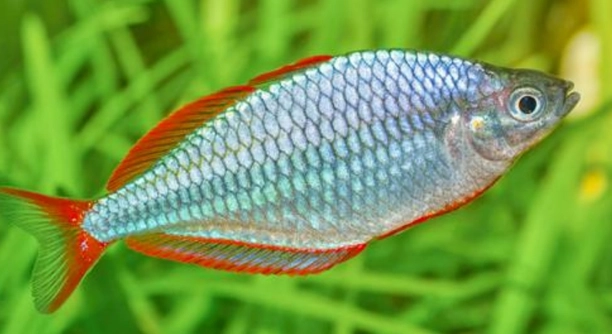
Rainbow fish are known for their vibrant colors and active behavior, but there’s more to these beautiful creatures than just their appearance. One of the fascinating behaviors involves their tendency to guard a specific spot in their environment.
Rainbow fish may guard a specific spot to ensure access to resources, such as food or a mate. Territoriality is common in many species, and it helps to secure a breeding area or protect a feeding location from competition.
Understanding why rainbow fish display territorial behavior can provide insights into their survival strategies. Their actions are essential for understanding how they thrive in their natural environment.
Why Do Rainbow Fish Guard a Spot?
Rainbow fish guard specific areas for a number of reasons. One of the main reasons is to protect their food sources. In the wild, resources such as food and shelter are often limited. By staking a claim to a specific area, these fish ensure they have consistent access to these important resources. It also allows them to fend off any competition from other fish that might try to steal their food. This behavior is an essential survival tactic. Additionally, guarding a spot can play a significant role in reproduction. Males often protect areas to attract females for breeding.
In some cases, the space may also be a shelter. The fish can use this spot to rest or hide from predators.
Guarding a specific area allows the rainbow fish to thrive in environments where resources may be scarce or competitive. The act of protecting these resources becomes essential for their long-term survival and well-being. This behavior is part of the natural instinct to ensure a secure and stable environment for both feeding and breeding.
Territorial Behavior in Rainbow Fish
Rainbow fish, like many other species, exhibit territorial behavior to defend areas rich in resources. This territoriality helps them avoid competition and maintain control over their feeding and breeding spots. The most common areas to be guarded are those that provide shelter or food, where they can thrive without interference.
In the wild, territory defense can be seen in various ways. Male rainbow fish often put on vibrant displays of color and aggressive postures to intimidate intruders. This helps them secure their space from other males. The stronger and more colorful the display, the more likely it is to establish dominance in the area. Territorial aggression is common during breeding seasons, with males defending their space to attract mates.
When rainbow fish establish a territory, they are also securing their future. By defending a space, they increase their chances of successful reproduction. This territorial instinct is vital for their survival, as it ensures they have the necessary resources to thrive and reproduce without outside interference.
The Role of Territory in Reproduction
The territory that rainbow fish guard is often linked to reproduction. Males will fight to control a space that can attract females for breeding. In these areas, males will often build nests or select spots with the best food sources to impress potential mates. The space becomes a vital part of their mating strategy.
Breeding territories are usually well-defined and maintained by the male throughout the breeding season. These areas tend to be in sheltered spots or locations where food is plentiful. When a female enters the territory, the male will display his most vibrant colors and may even perform a dance to entice her. Once a female is attracted, she will lay her eggs in the area, where they can be fertilized by the male.
This behavior highlights the importance of a secure environment for both feeding and breeding. The male’s ability to protect his territory directly impacts his reproductive success. Without a safe spot to attract females and lay eggs, rainbow fish might not be able to reproduce effectively. Territorial behavior is essential to their overall life cycle.
Why Territoriality Is Important for Survival
Territoriality helps rainbow fish secure vital resources like food and shelter. By defending a specific area, they ensure that they have access to these necessities without competition. This behavior is essential for their survival in environments where resources can be limited or contested by other fish.
Guarding a spot also provides protection from predators. When rainbow fish secure a territory, they can use it as a safe haven from larger, more dangerous species. It offers a space where they can rest and regain energy without the constant threat of attack. The combination of food, shelter, and safety makes territoriality crucial for their survival.
The Impact of Environmental Factors on Territorial Behavior
Environmental factors play a significant role in territorial behavior. Changes in water temperature, quality, or the availability of food can influence how strongly a rainbow fish defends its territory. A favorable environment encourages more active territorial defense, while poor conditions may lead to less aggression.
When conditions change, such as during a drop in temperature or a sudden scarcity of resources, rainbow fish may abandon or reduce their territorial behavior. They might seek new, better environments to protect. Territoriality is flexible but remains essential for ensuring that the fish can thrive and survive in varying conditions.
Aggression and Competition Among Rainbow Fish
Aggression is a natural part of territorial behavior, especially when two males are competing for the same space. Rainbow fish will display their most vibrant colors and engage in physical confrontations to establish dominance. This aggression is most common during breeding seasons when males vie for the best spots to attract females.
Despite their aggressive nature, rainbow fish can also coexist in large groups when space and resources are abundant. In these cases, the fish may not feel the need to defend a single spot as fiercely. However, when resources are limited, aggression levels increase, and territoriality becomes more intense.
FAQ
Why do rainbow fish guard a spot?
Rainbow fish guard spots to ensure they have access to food, shelter, and safe breeding areas. By protecting a territory, they reduce competition from other fish and secure the resources needed to survive. This behavior is especially important during breeding seasons when males defend areas to attract females. Guarding a spot also helps them avoid predators and maintain a consistent food source. In environments where resources are scarce or hotly contested, territoriality becomes a survival mechanism.
How do rainbow fish establish their territories?
Rainbow fish establish their territories by choosing areas that offer plenty of food, shelter, and potential mates. Males will often display vibrant colors and perform territorial displays to assert dominance. These displays serve as a warning to other males to stay away. The size of a territory may vary depending on the environment and resource availability. Once a territory is claimed, the fish will patrol the area, defending it from intruders, especially during breeding periods when competition for space and mates intensifies.
What happens if a rainbow fish loses its territory?
If a rainbow fish loses its territory, it can lead to stress, a lack of resources, and, in some cases, the inability to breed. Losing a breeding spot can be particularly detrimental, as it reduces the chances of attracting mates. If the fish are forced to abandon their original territory, they may have to search for a new one, which could take time and energy. In some cases, the fish may struggle to find a suitable area to defend, which could impact their overall well-being.
Do rainbow fish form long-lasting territories?
Rainbow fish typically establish territories that last for as long as the resources remain adequate and the fish can defend them. However, the duration of territorial defense can vary. In environments where food is plentiful and competition is low, fish may defend territories for long periods. In areas with fluctuating conditions or increased competition, the fish might need to adjust their territory or abandon it entirely. Changes in water temperature, quality, or other environmental factors may also force them to relocate.
Do rainbow fish fight over territories?
Yes, rainbow fish will fight over territories, particularly when resources are limited. Males are the primary aggressors, using displays of color and physical confrontations to defend their space. These fights can range from mild aggression to more intense battles, depending on the stakes. Fights often occur during breeding seasons when males compete for the best breeding spots. Once a dominant male establishes control, he will maintain his position through ongoing displays of aggression to deter any challengers.
How do rainbow fish communicate when defending territory?
Rainbow fish communicate territorial claims primarily through visual displays and physical gestures. The males will often change their colors, becoming more vibrant and showing off their fins to signal dominance. These displays serve to warn other males to stay away from their territory. In addition to visual cues, fish may engage in physical posturing, such as flaring their fins or swimming aggressively toward intruders. If the visual cues are not enough to deter an intruder, physical confrontations may occur.
Do rainbow fish share their territories with other species?
Rainbow fish typically defend their territories from other fish, but they may coexist with species that do not compete for the same resources. In a well-balanced environment with plenty of space and food, different species of fish can live peacefully together without conflict. However, in smaller spaces or environments with limited resources, rainbow fish will be more aggressive toward any intruders, including other species. The key to cohabitation is ensuring that all fish have access to enough food, shelter, and space to minimize competition.
Can rainbow fish live without a defined territory?
While rainbow fish can survive without a strictly defended territory, their well-being is often compromised without one. In the wild, territoriality is a survival mechanism that ensures they have access to food, shelter, and breeding opportunities. Without a defined territory, rainbow fish may face challenges in finding consistent food sources, protecting themselves from predators, or attracting mates. In aquariums or controlled environments, rainbow fish may still defend certain areas, but the availability of resources can reduce the need for strict territorial behavior.
How does the size of the tank affect territorial behavior in rainbow fish?
The size of the tank has a significant impact on territorial behavior. In smaller tanks, rainbow fish are more likely to feel crowded and will often become more territorial. The limited space increases the competition for resources, which can lead to increased aggression and territorial fights. In larger tanks, the fish have more room to spread out and claim areas without as much conflict. However, even in larger tanks, male rainbow fish may still engage in territorial displays to establish dominance and ensure access to desirable areas.
Are there any signs that a rainbow fish is stressed due to territorial disputes?
Yes, there are several signs that a rainbow fish may be stressed due to territorial disputes. These include changes in behavior, such as hiding more often or becoming more aggressive toward tank mates. The fish may also exhibit physical signs of stress, such as faded colors or frayed fins from constant fighting. Stress can weaken the immune system, making the fish more susceptible to disease. It’s important to monitor the tank environment and ensure there are enough resources and space to minimize stress caused by territorial behavior.
Final Thoughts
Rainbow fish have unique territorial behaviors that are vital for their survival. By guarding specific spots, they ensure access to food, shelter, and safe breeding grounds. This behavior is most noticeable during the breeding season, when males defend areas to attract females. Territoriality also offers protection from predators and minimizes competition. The simple act of guarding a space allows these fish to thrive in environments where resources are limited, which is essential for their overall well-being.
Understanding the territorial behavior of rainbow fish helps us better care for them in both wild and aquarium settings. In the wild, they naturally seek out spaces with abundant resources. If the conditions are right, rainbow fish may establish long-lasting territories. However, changes in the environment, such as temperature or food availability, can cause them to relocate or abandon their territories. In aquariums, maintaining proper tank conditions can help minimize territorial conflicts. Providing enough space and resources can reduce aggression, allowing the fish to coexist peacefully while still engaging in their natural territorial behaviors.
Ultimately, the territorial nature of rainbow fish shows the importance of balance in their environment. Whether they are competing for a prime spot or displaying their vibrant colors, these behaviors ensure that they have the best chance at survival. Territoriality allows them to thrive in diverse conditions, and understanding this behavior helps create better environments for them to live in. Whether you are observing them in the wild or caring for them at home, knowing how they guard their spaces gives us a deeper appreciation for these beautiful fish.

Hello,
If you enjoy the content that we create, please consider saying a "Thank You!" by leaving a tip.
Every little bit helps us continue crafting quality advice that supports the health, happiness, and well-being of pets around the world, for pets of all shapes, sizes, and species.
We really appreciate the kindness and support that you show us!