
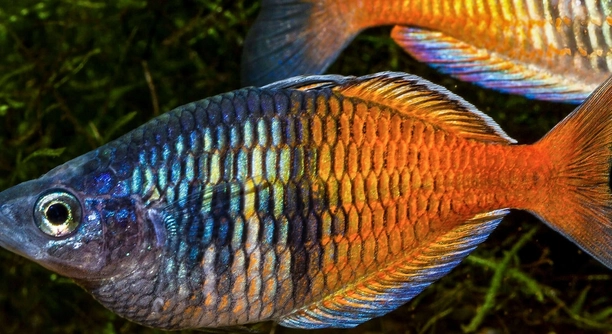
Losing a tank mate can affect the behavior of the remaining fish. This shift can sometimes be subtle, but it may also significantly impact your aquarium’s dynamics. It’s important to understand these changes to maintain balance.
After the death of tank mates, surviving fish may exhibit behavioral changes such as increased aggression, isolation, or altered social structures. These shifts are influenced by their previous interactions and the overall environment, requiring adjustment to ensure harmony.
Understanding these changes will help you manage your aquarium more effectively and ensure the well-being of your remaining fish.
Aggression in Surviving Tank Mates
When a tank mate passes away, the remaining fish may become more aggressive. This can occur because of the sudden shift in the social dynamics of the tank. Fish often establish clear hierarchies, and when one member is removed, it can disrupt the established order. Without the deceased fish, the others may start to compete for resources, territory, and dominance.
The aggression could vary depending on the species. Some fish may start fighting with one another, while others might become territorial or defensive. This behavior is normal, but it is essential to monitor the tank closely. Introducing new tank mates or rearranging the tank setup can help diffuse tensions and restore peace.
Providing adequate hiding spots and maintaining a peaceful environment will help reduce the likelihood of aggressive behavior in the future. It’s important to recognize that the aggression is temporary, and with careful management, the tank’s balance can be restored.
Social Isolation After a Loss
After a loss, some fish may retreat and avoid interactions with others. This isolation is a common reaction to the stress and confusion caused by the sudden absence of a tank mate. If a fish was closely bonded with the deceased, the remaining fish might need time to adjust.
This period of social isolation can vary in duration, with some fish recovering more quickly than others. During this time, it’s crucial to ensure that the isolated fish is still eating and maintaining its health. If the isolation seems prolonged or the fish appears to be deteriorating, it may help to introduce a new companion or rearrange the tank.
Keep a watchful eye on their behavior and provide them with plenty of space. It’s essential to let the fish recover at their own pace to prevent any long-term stress that might affect their health. Patience is key when dealing with these changes.
Change in Tank Hierarchy and Dominance
In many fish species, a strict hierarchy is formed where one fish takes on the role of the dominant leader. When a tank mate passes, it leaves a gap in the social structure, which can cause significant shifts. Fish that were once passive may suddenly begin to assert dominance over others. This can lead to new power struggles and alter the tank’s dynamics.
In species like cichlids or bettas, the loss of a dominant fish may result in more frequent confrontations as the surviving fish attempt to fill the void. These power shifts can be unsettling for the entire tank, as some fish may struggle to adapt to their new roles. During this time, smaller fish or previously non-aggressive species may be more vulnerable to bullying.
The key to restoring balance is to keep a close eye on the tank and monitor the aggression levels. You may need to intervene by adding tank decorations or rearranging the tank to break the newly forming dominance battles. With time, the tank will settle as new hierarchies are established.
Feeding Behavior Changes
When a tank mate passes away, the remaining fish might display changes in feeding habits. Some fish may become less interested in food, while others might eat more aggressively. These shifts are often linked to stress and confusion, as the loss disrupts their regular routines.
In tanks with multiple fish, the dominant individuals may eat more, taking advantage of the lack of competition. Meanwhile, smaller or more passive fish might shy away from food due to stress or a change in their environment. It’s important to observe how each fish reacts during this time and ensure they are receiving adequate nutrition.
To avoid further stress, make sure food is accessible for all tank members, and feed them in different areas of the tank. This helps reduce competition and ensures that everyone is eating. If needed, introduce food that stimulates their appetite.
Increased Hiding or Resting
Surviving fish may spend more time hiding or resting after the death of a tank mate. This behavior can be a result of emotional stress, as the absence of a familiar presence may leave the fish feeling insecure. It is not uncommon for fish to retreat to caves, plants, or other hiding spots in their tank to cope with the change.
The amount of hiding may vary depending on the species, as some fish are naturally more reclusive than others. It’s crucial to provide plenty of hiding spaces in the tank to give the fish a safe space to retreat. This can help reduce stress and promote emotional recovery.
While it’s normal for fish to take time to adjust, prolonged hiding could signal that the fish is still under stress. In this case, changing the environment slightly, such as adding new plants or decorations, can provide additional stimulation and ease the transition.
Changes in Activity Levels
Surviving fish may show a noticeable drop in activity levels after losing a tank mate. They might swim less or become more lethargic than usual. This could be due to stress or confusion from the change in their environment. Fish often rely on familiar routines and companions for stimulation.
Some fish might become more active as they try to assert dominance, while others may retreat and move slower. Monitoring their behavior for any signs of illness or significant changes is important. If the decrease in activity continues, it might be a sign of stress or poor health.
Ensure the tank remains clean and that water conditions are optimal to prevent further stress. Providing enrichment such as new hiding spots or plants can encourage them to be more active and help them adjust to the loss.
Territorial Behavior
When one tank mate dies, the remaining fish may exhibit stronger territorial behavior. This is especially true in species that establish territories, such as bettas or cichlids. The absence of one member can cause surviving fish to claim more space in the tank.
Fish may become more protective of their territory, increasing their aggression toward others. To minimize conflict, it’s essential to observe their interactions closely and, if necessary, rearrange the tank or provide extra hiding spaces. Giving each fish its own space can help prevent territorial disputes from escalating.
Reorganizing the tank setup can help reduce tension by disrupting territorial boundaries. Adding new decorations or plants can give fish areas to establish their own space without direct competition.
Increased Vulnerability to Illness
Fish under stress from the loss of a tank mate can become more susceptible to illness. Stress weakens their immune systems, making them more vulnerable to disease. When fish are stressed, they may have lower energy, eat less, and may not be able to fight off infections as effectively.
It’s important to keep a close watch on the remaining fish and look for any signs of illness, such as abnormal swimming, discoloration, or visible sores. Regular water changes and proper filtration are key to keeping the tank environment stable and supporting the health of the fish.
If the tank mates seem off, consider adding natural remedies or changing the water parameters. Providing a calm, clean environment is crucial during this adjustment period to help maintain their health and prevent further stress.
FAQ
What can I do if my fish are fighting after the loss of a tank mate?
If the surviving fish are fighting, it’s important to keep an eye on their behavior. Consider rearranging the tank layout to disrupt territorial boundaries. Adding hiding spots can give fish places to retreat and reduce aggression. If the aggression persists, it may be helpful to introduce a new tank mate or provide more distractions, like new plants or decorations, to keep their focus on something other than fighting. However, avoid adding new fish too soon, as this can lead to further stress.
How can I tell if my fish are stressed after losing a tank mate?
Stress in fish can manifest in various ways, including changes in swimming behavior, loss of appetite, or hiding more than usual. You may also notice that they become more lethargic or less responsive to food. If they’re isolating themselves or constantly staying in one corner of the tank, it could be a sign of stress. Keep an eye on their physical condition as well; stressed fish might display faded colors or irregular swimming. Monitoring the water quality and ensuring the tank is clean can help reduce stress levels.
Is it okay to introduce new fish into the tank after one dies?
It’s important to wait a bit before introducing new fish to a tank where a fish has recently died. The remaining fish need time to adjust to the absence and calm down after the change in the environment. Adding a new fish too soon can increase stress and potentially lead to aggression. Give the tank at least a week to stabilize before considering any new additions. When introducing new fish, try doing so gradually and with careful observation to ensure the new fish and the remaining ones can coexist peacefully.
Can my fish get sick from stress after the death of a tank mate?
Yes, stress can weaken a fish’s immune system, making it more susceptible to diseases. When a fish experiences stress, their bodies become less capable of defending against bacteria, parasites, or other illnesses. If the surviving fish are showing signs of illness, it’s important to address the underlying stress factors, such as adjusting the tank environment, offering hiding places, and ensuring they are eating properly. Keep an eye on the water quality, as poor conditions can also contribute to their weakened immune systems.
How long does it take for fish to adjust after losing a tank mate?
The adjustment period can vary depending on the species and the relationship between the fish. Some fish may bounce back within a few days, while others might take weeks to fully recover. Fish that were particularly close to the deceased tank mate might experience a longer period of stress or grief. During this time, it’s important to monitor their behavior and keep their environment as stable as possible. Be patient and allow them to adjust at their own pace, providing the necessary support like food, hiding spots, and a calm environment.
Should I clean the tank differently after a fish dies?
It’s always a good idea to perform a routine cleaning of the tank, especially after a fish has passed away. Remove any uneaten food and check for any decaying matter. It’s also important to monitor the water quality and perform water changes as needed to keep the tank environment healthy for the remaining fish. However, be mindful not to over-clean the tank, as this can disrupt the natural balance and stress the fish further. Just maintain your regular cleaning schedule, but give extra attention to ensuring the tank’s parameters are stable.
What should I do if my fish aren’t eating after the death of a tank mate?
If your fish are not eating, it could be a sign of stress. Make sure the food you’re offering is appropriate for their species and check if any other fish are hogging the food. Sometimes, more aggressive fish may dominate the feeding area, leaving the more passive fish without access to food. Consider feeding in separate locations within the tank to ensure all fish get their share. If the lack of appetite continues for more than a few days, it might be a sign of illness or extreme stress, and further intervention may be necessary.
Will my fish get lonely without a tank mate?
Some species of fish can be quite social and might feel lonely after the loss of a tank mate, while others are more solitary and will adapt more easily. If your fish seem to be exhibiting signs of loneliness, such as a drastic drop in activity or prolonged isolation, you might want to consider adding another fish. Be sure to choose a species that is compatible with the remaining fish to avoid aggression. Adding a new fish should be done carefully to allow everyone to adjust properly.
Can I change the tank setup after a fish dies?
Yes, changing the tank setup can help reduce stress and provide the remaining fish with a fresh environment. Rearranging the decorations, adding new plants, or adjusting the water flow can break any territorial behaviors that may have developed. The change can also help distract the remaining fish and provide mental stimulation during their adjustment period. Just be sure not to make drastic changes all at once, as this can further stress the fish. Make gradual adjustments and observe how the fish respond.
What are the best tank mates for my surviving fish?
The best tank mates depend on the species of fish you have. For example, peaceful fish like guppies or tetras typically do well with other peaceful species. However, more aggressive species, like bettas or cichlids, may need to be housed alone or with carefully selected tank mates that won’t challenge their dominance. When adding new tank mates, it’s essential to consider the size, temperament, and water requirements of the fish. Research compatibility and take things slowly to ensure smooth transitions and avoid unnecessary aggression.
Do I need to provide extra food if my fish are stressed?
Yes, during stressful times, such as after the death of a tank mate, it’s a good idea to provide extra food. Stress can sometimes decrease their appetite, so offering small, frequent meals can ensure they get the nutrients they need. You can also try offering more variety in their diet, as this may stimulate their appetite. Additionally, try feeding in different areas of the tank to reduce competition and give every fish a chance to eat. Make sure the food is appropriate for their species to avoid any issues with their digestion.
Final Thoughts
Losing a tank mate can be a difficult experience for both you and your remaining fish. It’s natural for fish to react to the absence of a companion, with behavior changes that can include stress, aggression, or even a decrease in appetite. Understanding how your fish might respond to such a loss helps you take the necessary steps to ensure they stay healthy and adjust properly. Providing a stable, calm environment for the surviving fish, along with monitoring their behavior, can aid in their recovery from the loss.
It’s important to remember that each fish species reacts differently to the death of a tank mate. Some might bounce back quickly, while others may take longer to adjust. During this time, paying attention to water quality, feeding habits, and overall tank conditions is key. Adding hiding spots or rearranging the tank can reduce stress and give your fish a sense of security. In some cases, introducing a new fish may be helpful, but only after the remaining fish have had time to adjust. Be patient and allow your fish to process the loss at their own pace.
Ultimately, maintaining a healthy tank environment and providing the proper care will help your fish through this challenging time. While it may take some time for your surviving fish to adjust, they can recover with the right support. Monitoring their behavior and health regularly will give you the best chance to notice any issues early and address them before they become bigger problems. With some patience and understanding, your fish will adapt and continue to thrive in their tank.

Hello,
If you enjoy the content that we create, please consider saying a "Thank You!" by leaving a tip.
Every little bit helps us continue crafting quality advice that supports the health, happiness, and well-being of pets around the world, for pets of all shapes, sizes, and species.
We really appreciate the kindness and support that you show us!