
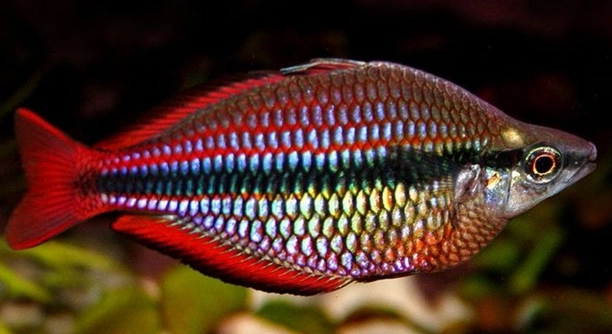
Rainbow fish are a popular choice for many aquariums, known for their colorful appearance and lively nature. However, their health can be sensitive to changes in water conditions. Understanding these changes is key to keeping them healthy.
Several common water changes can impact rainbow fish, such as fluctuations in temperature, pH, hardness, nitrate levels, and oxygen content. These factors may stress the fish, lead to illness, or affect their growth, reproduction, and overall well-being.
Managing these water changes effectively ensures your rainbow fish stay vibrant and healthy.
Temperature Fluctuations
Rainbow fish thrive in stable temperatures, typically between 72°F and 78°F. Even small fluctuations can cause stress, making them more vulnerable to disease. For example, sudden drops or increases can weaken their immune systems, leading to infections. It’s important to keep their environment as stable as possible.
Temperature variations can cause significant harm. Sudden changes can disturb their metabolic rate, affecting their appetite and behavior. This can also lead to poor growth or lower reproduction rates. If the water is too warm, oxygen levels drop, making it harder for the fish to breathe.
To prevent temperature stress, consider investing in a reliable aquarium heater with a thermometer. Regularly check the temperature to ensure it remains constant. Avoid placing your aquarium in drafty areas or near windows where sunlight can cause temperature shifts. Maintaining a consistent environment helps keep your rainbow fish healthy and active.
pH Imbalance
Maintaining a balanced pH level is essential for rainbow fish. A pH level between 6.5 and 7.5 is ideal for their health.
A shift in pH can stress your rainbow fish, affecting their metabolism, color, and overall well-being. If the water is too acidic or too alkaline, it can cause skin damage, reduce their immune function, and disrupt their ability to absorb nutrients. Regular water testing will help ensure the pH stays within the proper range.
To maintain a stable pH, make small adjustments if needed using commercial products designed for aquariums. Avoid rapid changes, as this can lead to more harm than good. Regular maintenance and observation of your water conditions are key to keeping your fish healthy.
Water Hardness
Rainbow fish prefer soft to moderately hard water. High water hardness, with too many dissolved minerals, can affect their health and cause issues with their gills. It’s best to monitor the hardness regularly.
If the water is too hard, it may cause skin irritation and poor osmoregulation in rainbow fish, affecting their ability to regulate fluids. In some cases, this leads to stunted growth and reproductive problems. Use a water softener or adjust water changes to maintain balance.
If the water is too soft, minerals like calcium and magnesium may be too low, causing skeletal problems or weakening the fish’s bones. To prevent this, gradually adjust the hardness using a mineral supplement or appropriate water treatment. Keep a close eye on these levels for long-term fish health.
Nitrate Levels
High nitrate levels can cause stress for rainbow fish, especially when they rise above 40 ppm. They can be harmful over time, affecting both their health and appearance. Keeping nitrate levels in check is essential.
Nitrates are produced as waste from fish and decomposing organic matter. When the aquarium filter cannot remove them efficiently, they accumulate in the water. This buildup affects rainbow fish by damaging their gills, reducing their ability to breathe, and causing skin issues. Over time, they can even lead to death.
Regular water changes are the most effective way to lower nitrate levels. Keeping your filter clean and removing excess food or debris can also help. Consider using live plants, which can absorb excess nitrates, creating a more balanced environment for your fish.
Oxygen Levels
Rainbow fish need a well-oxygenated environment. Low oxygen levels can cause stress and impact their activity. This is especially true in overcrowded tanks.
If oxygen levels drop, rainbow fish may start gasping at the surface or appear sluggish. This can lead to weakened immune systems and poor growth. Regular water movement helps keep oxygen levels stable.
To ensure proper oxygenation, invest in a good filtration system and possibly an air pump. Regular water changes help prevent oxygen depletion, especially in smaller tanks. Always monitor water quality to ensure your fish have enough oxygen to thrive.
Ammonia Poisoning
Ammonia is toxic to rainbow fish, even at low concentrations. It can cause severe damage to their gills and internal organs.
Ammonia builds up from uneaten food, fish waste, and decaying plants. When ammonia levels rise, fish may exhibit symptoms like lethargy, lack of appetite, or even erratic swimming. The damage it causes can be irreversible if not addressed quickly.
To prevent ammonia poisoning, make sure to perform regular water changes, clean the filter often, and avoid overfeeding. Use water test kits to check ammonia levels regularly. A properly maintained tank ensures a safer environment for your rainbow fish.
Water Chlorine and Chloramine
Chlorine and chloramine are commonly found in tap water. These chemicals can be harmful to rainbow fish, causing irritation to their gills and skin.
These substances can quickly build up in an aquarium if untreated, causing long-term health problems. Even small amounts of chlorine can damage the fish’s delicate tissues, leading to poor overall health.
To avoid this, always treat tap water with a dechlorinator before adding it to your tank. This will neutralize harmful chemicals and make the water safe for your rainbow fish. Regular water testing can help ensure a healthy environment.
FAQ
What is the ideal water temperature for rainbow fish?
Rainbow fish thrive in water temperatures between 72°F and 78°F. A stable temperature is crucial for their health. Too high or too low can cause stress and make them more susceptible to disease. Always use an aquarium heater to maintain a consistent environment.
How can I test water hardness for my rainbow fish?
To test water hardness, you can use test kits available at pet stores or online. These kits measure both general hardness (GH) and carbonate hardness (KH). Regular testing ensures you maintain the ideal range of 6-12 dGH, which supports rainbow fish health.
Can rainbow fish live in hard water?
Rainbow fish prefer slightly soft to moderately hard water. Water that is too hard, with high levels of calcium and magnesium, can lead to issues like poor growth and reproductive problems. Aim for a hardness level between 6-12 dGH for optimal health.
How often should I change the water in my rainbow fish tank?
Water changes should be done regularly to maintain a healthy tank environment. Aim for a 20-30% water change every one to two weeks. This helps keep ammonia, nitrate, and other harmful substances at safe levels, ensuring your rainbow fish thrive.
What can I do if the pH level is too high for my rainbow fish?
If the pH level is too high, consider using pH-lowering products specifically designed for aquariums. Alternatively, adding driftwood or Indian almond leaves can help naturally lower pH levels. Always make gradual adjustments, as sudden changes can stress your fish.
Is it okay to keep rainbow fish with other species?
Yes, rainbow fish are generally peaceful and can live with other non-aggressive species. They do well with species of similar size and temperament. Avoid keeping them with overly territorial or aggressive fish, which could cause stress or injury.
How do I know if my rainbow fish are stressed?
Stressed rainbow fish may exhibit signs like erratic swimming, loss of appetite, or hiding more than usual. They may also lose their bright colors or show signs of fin clamping. Monitoring their environment and adjusting water parameters can help reduce stress.
What causes my rainbow fish to lose their color?
Loss of color in rainbow fish can occur due to several factors, including poor water quality, stress, or illness. Inconsistent water temperature, pH, or hardness can also lead to faded colors. Ensure proper water conditions and a stable environment to maintain their vibrant hues.
How do I prevent ammonia buildup in my rainbow fish tank?
To prevent ammonia buildup, avoid overfeeding and remove any uneaten food promptly. Perform regular water changes to dilute ammonia levels. A well-maintained filter is also essential, as it helps break down waste and keep ammonia levels in check. Testing for ammonia regularly ensures safe conditions for your fish.
Can rainbow fish survive in low oxygen environments?
Rainbow fish need well-oxygenated water. Low oxygen levels can cause them to struggle with breathing, leading to stress and potential health problems. Ensure proper water circulation and consider adding an air pump if you have a densely stocked tank to keep oxygen levels high.
What is the best way to feed rainbow fish?
Feed rainbow fish a varied diet that includes high-quality flakes, pellets, and occasional live or frozen foods like brine shrimp or daphnia. Feed them small amounts several times a day rather than one large meal to prevent overfeeding and maintain water quality.
How do I handle algae growth in my rainbow fish tank?
Algae growth can be managed by controlling light exposure and performing regular tank cleaning. Reduce the amount of time your aquarium lights are on and remove any visible algae manually. Adding algae-eating fish like snails or certain species of fish can also help keep algae in check.
Why is my rainbow fish tank cloudy?
Cloudy water is often a result of excess nutrients, overfeeding, or a bacterial bloom. To fix this, reduce feeding, perform a water change, and check the filtration system. Cloudy water can also indicate that the tank needs more maintenance to keep the environment clean.
What kind of filtration system is best for a rainbow fish tank?
A good filtration system is crucial for maintaining water quality. Canister filters or hang-on-back filters are effective for keeping water clean and oxygenated. Make sure the filter capacity is appropriate for the size of your tank to prevent the buildup of waste and harmful chemicals.
How can I make sure my rainbow fish are getting enough oxygen?
To ensure your rainbow fish are getting enough oxygen, maintain good water movement using a reliable filter or air pump. Ensure your tank has sufficient surface agitation, which allows for better oxygen exchange. Regular water changes and keeping the tank well-stocked with live plants can also improve oxygen levels.
Can rainbow fish breed in an aquarium?
Rainbow fish can breed in an aquarium if the conditions are right. A separate breeding tank with soft, slightly acidic water, and good filtration is ideal. The fish will lay eggs on plants or aquarium surfaces. Once hatched, the fry should be fed small, specialized food like infusoria or crushed flakes.
Final Thoughts
Maintaining a healthy environment for rainbow fish requires attention to detail and consistent care. By monitoring water parameters, such as temperature, pH, and hardness, you can create the ideal setting for your fish. Regular water changes, proper filtration, and testing ensure that harmful substances like ammonia and chlorine are kept in check. A stable environment helps rainbow fish thrive and remain active, vibrant, and healthy. These simple steps can prevent common issues like stress, disease, or poor growth, which can arise from poor water quality or irregular maintenance.
Understanding the specific needs of rainbow fish will make your aquarium a more successful and enjoyable experience. They are hardy fish but still require proper attention, especially when it comes to water quality. Keeping them in a tank with compatible species, avoiding overcrowding, and feeding them a balanced diet all contribute to their overall health. It’s important to stay consistent with water testing and regular cleaning, as small changes can have a big impact on their well-being. With time and patience, you’ll be able to create an environment where your rainbow fish can flourish.
Incorporating a few simple practices into your aquarium routine can make a significant difference in the life of your rainbow fish. While their care may require some effort, the reward of watching them grow, interact, and display their beautiful colors makes it all worth it. Maintaining a clean, balanced tank with proper care ensures that your rainbow fish remain a stunning addition to your home for years to come. Whether you’re a beginner or experienced aquarium keeper, understanding their basic needs will help you create the best possible habitat for these vibrant and active fish.

Hello,
If you enjoy the content that we create, please consider saying a "Thank You!" by leaving a tip.
Every little bit helps us continue crafting quality advice that supports the health, happiness, and well-being of pets around the world, for pets of all shapes, sizes, and species.
We really appreciate the kindness and support that you show us!