
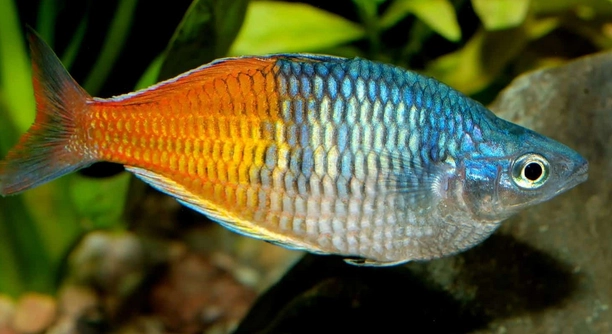
Rainbow fish are known for their vibrant colors and active swimming habits. However, there are times when you may notice them floating without moving, which can be puzzling to their owners. Understanding this behavior can help you ensure their well-being.
Rainbow fish sometimes float without moving due to a variety of factors. It could be related to their buoyancy control, environmental conditions, or stress. Factors like water temperature, water quality, and underlying health issues can also play a role.
There are several reasons behind this behavior that could give you insight into your rainbow fish’s health and how to help them thrive.
Why Rainbow Fish May Float Without Moving
Rainbow fish can float without moving for several reasons, with one of the most common being an issue with their swim bladder. The swim bladder is an organ that helps fish maintain buoyancy. If it is damaged or malfunctioning, the fish may struggle to control their position in the water, leading them to float aimlessly or remain stationary at the water’s surface. Additionally, changes in water temperature or pressure can also cause this behavior. Fish may float without moving if the environment is not within their ideal range.
Sometimes, stress from sudden changes in water conditions, new tank mates, or poor water quality can also lead to this behavior. If the water temperature fluctuates too much or if there are toxins present in the tank, rainbow fish may have difficulty staying active. Ensuring the tank environment remains stable is key to preventing this issue.
If your rainbow fish appears healthy but is floating without moving, the first step is checking the water temperature and quality. Make sure the tank’s pH, ammonia, and nitrate levels are balanced to ensure optimal conditions for your fish.
How to Help Your Rainbow Fish Stay Active
One way to help your rainbow fish stay active is by improving their diet. Providing a balanced, nutritious diet can support their overall health and help maintain buoyancy control. Ensure they are getting a variety of food, such as flakes, pellets, and live or frozen foods.
In addition to diet, regular tank maintenance is crucial. Regular water changes and careful monitoring of the tank’s filtration system can help prevent the buildup of harmful substances that may affect the fish. Keeping the tank clean and ensuring the fish have enough space to swim freely can reduce stress and help them maintain their usual activity levels.
Factors That Affect Buoyancy
Buoyancy issues in rainbow fish are often linked to problems with the swim bladder. If the swim bladder is not functioning properly, it can cause the fish to float without moving. This may be a result of injury, illness, or poor water quality.
In addition to swim bladder problems, poor diet or stress can also play a role in buoyancy issues. A lack of essential nutrients or feeding improperly can affect a fish’s ability to regulate its buoyancy. Stress from an unstable environment, such as fluctuating water temperature or aggressive tank mates, may also cause these symptoms. Keeping your fish’s tank conditions stable and feeding them a balanced diet will help prevent buoyancy-related issues.
Some rainbow fish can also experience internal infections or diseases that affect their internal organs, including the swim bladder. These conditions may require treatment, such as medicated food or water treatments. If your fish seems to be affected by more than just environmental stress, it’s important to seek veterinary advice for proper care.
Tank Conditions and Water Quality
Maintaining clean and stable tank conditions is crucial to your rainbow fish’s health. Poor water quality can lead to a host of issues, including difficulty swimming. Ensure the water temperature is stable and appropriate for rainbow fish, generally between 72-80°F (22-27°C). The pH level should be around 6.5-7.5, and regular water changes help to avoid harmful waste buildup.
Water quality isn’t just about temperature and pH. Ammonia, nitrites, and nitrates must be kept in check. High levels of ammonia and nitrites can cause stress, affecting your fish’s overall well-being. Regular testing and consistent water changes are necessary to keep these levels safe. Additionally, a good filtration system will help maintain clean water, reducing the chances of diseases or infections that could cause buoyancy issues.
Ensure that the tank is properly filtered, and check for any changes in water quality that may be affecting your rainbow fish. Keeping the water clean and consistent can prevent most environmental stressors that cause your fish to float without moving.
Possible Health Issues
Rainbow fish may float without moving due to health issues like internal infections or parasites. These conditions can cause distress and affect the fish’s ability to swim properly. It’s important to monitor your fish for signs of illness.
If your rainbow fish is not moving and seems lethargic, it could be struggling with an infection or parasite. Symptoms such as loss of appetite, abnormal swimming patterns, or unusual markings on the skin can indicate a health problem. Treating these issues early can help prevent further complications. If you suspect a health issue, isolate the affected fish and consult a veterinarian for guidance.
Stress and Behavior
Stress can play a big part in why rainbow fish float without moving. Changes in the tank environment, overcrowding, or the presence of aggressive tank mates can create stress, leading to this behavior.
Rainbow fish are sensitive to their environment, and too much stress can make them lethargic or cause buoyancy problems. To reduce stress, create a peaceful tank environment. Ensure there’s enough space, provide hiding spots, and avoid abrupt changes in water temperature. Keeping your rainbow fish in a calm environment can help prevent stress-induced floating.
Feeding Habits
Poor feeding habits may also contribute to rainbow fish floating without moving. If the fish isn’t getting the right nutrients, it could lead to buoyancy problems. Offering a balanced diet will ensure your fish gets everything it needs.
Rainbow fish thrive on a mix of high-quality flakes, pellets, and occasional live or frozen foods. Make sure the food is properly sized for your fish to prevent overfeeding or underfeeding. Nutrient deficiencies can lead to physical issues like floating without moving. By providing a varied and balanced diet, you can help prevent these problems.
FAQ
Why is my rainbow fish floating at the surface without moving?
Rainbow fish may float at the surface without moving due to problems with their swim bladder, which helps them regulate their buoyancy. If the swim bladder is malfunctioning, the fish may struggle to control its position in the water. Stress from poor water conditions, overcrowding, or aggressive tank mates can also lead to this behavior. Infections or diseases affecting the internal organs might cause your rainbow fish to float without moving. Ensure your tank’s water quality is optimal and monitor the fish for signs of illness.
How can I tell if my rainbow fish has a swim bladder problem?
Swim bladder issues can be suspected if your rainbow fish is floating without moving, swimming upside down, or struggling to maintain balance. The fish might also appear bloated or have trouble swimming at normal levels. If you notice these signs, check the water conditions for temperature stability and cleanliness. A fish with a swim bladder issue may need treatment with special food or medications. If the problem persists, seek help from a veterinarian to determine if the swim bladder is damaged or infected.
Can I treat swim bladder problems at home?
Yes, you can try to treat swim bladder issues at home by adjusting the water conditions, improving the diet, and using special treatments. For example, fasting your fish for a couple of days and offering a small amount of high-fiber food like peas can sometimes help with mild swim bladder problems. Medications designed to treat swim bladder disorders are available in pet stores and online. However, if the condition doesn’t improve, or if there are additional symptoms like bloating or infection, it’s important to seek advice from a vet who specializes in fish.
Could my rainbow fish be stressed out?
Yes, stress is a common cause of unusual behavior in rainbow fish, including floating without moving. Stress can be caused by several factors, such as sudden changes in water temperature, poor water quality, or the presence of aggressive tank mates. Overcrowding and lack of hiding places can also make your rainbow fish feel anxious. To reduce stress, maintain a stable environment with clean water, proper filtration, and enough space for your fish to swim freely. Introducing peaceful tank mates and avoiding sudden water changes will help keep your rainbow fish stress-free.
How do I improve the water quality for my rainbow fish?
To improve the water quality for your rainbow fish, regularly test the water for ammonia, nitrites, and nitrates. Keep the pH level between 6.5 and 7.5, and maintain the water temperature between 72-80°F (22-27°C). Perform weekly water changes, replacing about 20-30% of the tank water to ensure a clean environment. A good filtration system is essential to remove debris and maintain water clarity. Additionally, avoid overfeeding, as uneaten food can decay in the tank, negatively affecting water quality.
Why is my rainbow fish not eating?
A loss of appetite in rainbow fish could be due to several factors, including stress, poor water quality, or illness. If the water conditions are not ideal, your fish may feel unwell and refuse to eat. A sudden change in diet or new tank mates might also cause your fish to stop eating. In some cases, internal infections or parasites can reduce the fish’s appetite. Check the water quality, temperature, and tank mates to identify potential stressors. If the problem persists, consider consulting a vet for advice on treatment.
Can I prevent my rainbow fish from floating without moving?
Yes, you can prevent your rainbow fish from floating without moving by maintaining a stable and healthy tank environment. Ensure that the water temperature remains consistent, and test the water regularly to ensure it is free from harmful levels of ammonia, nitrites, and nitrates. Provide a well-balanced diet and avoid overfeeding, as this can lead to health issues. Additionally, avoid overcrowding and ensure your fish have plenty of space to swim. Keeping your tank clean and ensuring your fish’s overall health will help prevent many issues, including floating.
What should I do if my rainbow fish is always floating without moving?
If your rainbow fish is consistently floating without moving, it could be a sign of a more serious issue. Check the water quality, temperature, and pH levels to rule out environmental factors. If the fish’s behavior doesn’t improve after adjusting the tank conditions, look for signs of illness, such as bloating, loss of appetite, or abnormal swimming. If necessary, seek advice from a veterinarian who specializes in fish to determine if there is an underlying health problem like an infection, swim bladder disorder, or parasites. Timely treatment is important to ensure your fish stays healthy.
How can I tell if my rainbow fish is stressed?
Signs of stress in rainbow fish include lethargy, abnormal swimming patterns, hiding, and changes in appetite. If your fish is constantly floating without moving, it might be stressed. Stress can also lead to fading colors and increased susceptibility to illness. To reduce stress, maintain a stable tank environment by keeping water temperature consistent and providing sufficient hiding spots. Avoid sudden changes in the tank, such as introducing new tank mates or altering water conditions too quickly. Stress management will help keep your fish active and healthy.
Are rainbow fish sensitive to water temperature changes?
Yes, rainbow fish are sensitive to water temperature changes. They thrive in a stable environment where the water temperature remains between 72-80°F (22-27°C). Rapid fluctuations in temperature can stress the fish, affecting their swimming abilities and overall health. To maintain a stable temperature, use a reliable aquarium heater and thermometer. Regularly check the water temperature to ensure it remains within the recommended range. Avoid placing your tank near windows or heaters where the temperature could fluctuate significantly.
How long should I fast my rainbow fish if it has swim bladder problems?
If your rainbow fish has swim bladder problems, fasting it for 1-2 days can help clear its digestive system. During this fasting period, avoid feeding your fish. After the fasting, offer small amounts of high-fiber foods, such as peas, which can help alleviate the symptoms of swim bladder issues. This method is typically effective for mild cases. However, if the condition persists or worsens, consider seeking professional advice from a veterinarian or trying specific treatments for swim bladder disorders.
Final Thoughts
Rainbow fish floating without moving can be concerning, but it’s often a manageable issue. The most common causes are swim bladder problems, stress, or poor water conditions. By understanding these factors and monitoring your tank environment, you can improve the chances of your fish returning to normal behavior. It’s important to regularly check the water quality and ensure it meets the needs of your fish. Stable water conditions help keep your rainbow fish healthy and active, preventing issues like floating without moving from occurring frequently.
In addition to water quality, diet plays a key role in the health of your rainbow fish. Offering a balanced diet with the right nutrients can prevent problems like swim bladder issues. If you notice your fish floating without moving, adjusting its diet or fasting for a short time may help. Along with providing proper food, make sure your fish have enough space to swim comfortably. Overcrowding in the tank can cause stress, which may lead to lethargy or floating behaviors. Keeping a peaceful environment will help reduce stress and encourage natural swimming patterns.
If problems persist despite making adjustments to water quality, diet, and tank conditions, it’s important to consider professional advice. Consulting a veterinarian who specializes in fish can help you identify any underlying health issues that might be causing your rainbow fish to float without moving. Timely intervention and proper care can make a significant difference in your fish’s health. With the right care and attention, most rainbow fish can return to a healthy, active state, swimming happily around the tank.

Hello,
If you enjoy the content that we create, please consider saying a "Thank You!" by leaving a tip.
Every little bit helps us continue crafting quality advice that supports the health, happiness, and well-being of pets around the world, for pets of all shapes, sizes, and species.
We really appreciate the kindness and support that you show us!