
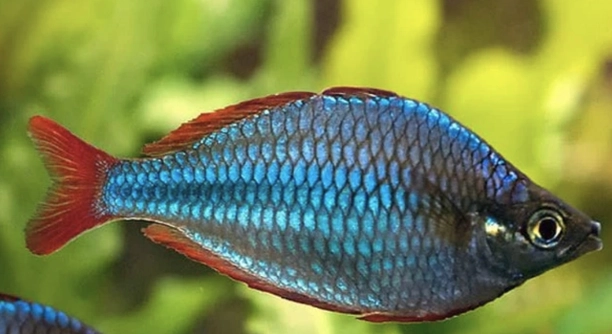
Rainbow fish are a popular choice for aquariums due to their vibrant colors and lively movements. However, some owners notice strange behavior, like swimming backward. If you’ve observed this in your fish, you’re not alone.
Rainbow fish may swim backward due to a variety of factors, such as stress, water quality, or even environmental changes. This behavior can also stem from a lack of space or insufficient hiding spots, which may cause anxiety.
Understanding the reasons behind this behavior can help improve your fish’s well-being. By ensuring the right environment, you’ll encourage your rainbow fish to feel more secure and comfortable in their habitat.
Why Your Rainbow Fish Might Be Stressed
Stress is one of the leading causes of strange behavior in rainbow fish. These fish are sensitive to their environment, and even small changes can cause them to act out. Poor water quality, loud noises, and overcrowding are common stressors. Additionally, if your fish feels threatened by other tank mates or doesn’t have enough space to swim, it may try to move backward or show other unusual movements. Ensuring a peaceful and calm environment is essential for their well-being.
Stress can also cause rainbow fish to have difficulty adjusting to sudden changes. If you’ve recently introduced new fish, changed their tank setup, or altered the water temperature, they may react by swimming backward.
By maintaining stable conditions in their tank, rainbow fish can feel secure. Regularly check the water parameters and ensure the tank is properly cleaned. If the stress is due to other fish, consider rearranging the tank layout or adding more hiding spots for the rainbow fish.
Water Quality and Its Impact
Water quality plays a huge role in the health of your fish.
If your tank has high ammonia, nitrite, or nitrate levels, your rainbow fish could start swimming in strange patterns, including backward movements. Regular water changes and a good filtration system can help keep the water safe.
The water’s pH, temperature, and hardness should be within the right range for rainbow fish. If these are not balanced, it can cause discomfort and lead to erratic swimming. Testing the water regularly and keeping these factors in check is one of the best ways to prevent health issues in your fish.
Tank Size and Space Issues
Crowded tanks are a common reason why your rainbow fish might swim backward. If there’s not enough space for them to swim freely, they can feel trapped and stressed. Overcrowding makes it difficult for the fish to establish territories, leading to tension and unusual swimming patterns.
Providing enough space for your fish to swim comfortably will help reduce stress and stop erratic movements. A general rule of thumb is at least 1 inch of fish per gallon of water. If you have more fish in the tank than recommended, consider upgrading to a larger tank or reducing the number of fish to create a healthier environment.
The addition of plants and hiding spots also helps fish feel secure. These elements allow your rainbow fish to retreat when needed, making them feel less exposed and more relaxed.
Poor Diet and Nutritional Imbalance
A poor diet can cause health problems that affect your rainbow fish’s behavior.
Feeding your rainbow fish a balanced diet is essential. If your fish is not getting the right nutrients, it can become weak, leading to abnormal movements like swimming backward. Poor nutrition affects their overall health, making them more vulnerable to stress.
High-quality flakes or pellets designed specifically for rainbow fish should be the primary food. Supplementing their diet with occasional live or frozen foods, such as brine shrimp or bloodworms, can keep them healthy. Ensure the food is suitable for their size and that they receive enough to eat without overfeeding.
Tank Mates and Aggression
Aggressive tank mates can cause your rainbow fish to swim backward. If your fish feels threatened, it may attempt to retreat by swimming in unusual patterns. Other more territorial fish might chase or nip at your rainbow fish, leading to stress and abnormal swimming behavior.
Aggression can escalate if there is not enough space or hiding spots for your fish to escape. It’s essential to keep peaceful fish together and avoid placing aggressive species in the same tank. If you see bullying, try separating the aggressor to allow your rainbow fish to feel safe.
Water Temperature
Water temperature is crucial for rainbow fish’s comfort.
If the water is too hot or too cold, your fish can experience stress and discomfort, causing them to swim erratically. Rainbow fish thrive in temperatures between 74°F and 79°F. A temperature outside this range can make them more likely to exhibit strange behaviors.
Changes in Environment
Rainbow fish are sensitive to changes in their environment.
Sudden changes, like rearranging the tank or adding new decorations, can upset them. These changes cause anxiety, and the fish may react by swimming backward or showing other abnormal behaviors. It’s important to make gradual changes to ensure your fish stays comfortable.
FAQ
Why is my rainbow fish swimming backward?
There are a few possible reasons why your rainbow fish may be swimming backward. It could be a sign of stress due to poor water quality, overcrowding, or even aggressive tank mates. A lack of space or hiding spots might also cause anxiety. Additionally, nutritional imbalances or changes in their environment, like sudden temperature shifts or rearranged tank decorations, can result in unusual movements. Ensuring proper water parameters, space, and a stable environment can help resolve this issue.
How do I know if my rainbow fish is stressed?
Stressed rainbow fish may exhibit a variety of behaviors, including erratic swimming, hiding, or swimming backward. They may also display faded colors, lose their appetite, or become more reclusive. Stress can be caused by environmental factors such as poor water quality, high stocking levels, or tank mates that are too aggressive. If you notice these signs, it’s important to check the water parameters and assess the tank setup to make sure it’s a peaceful and comfortable space for your fish.
What can I do if my rainbow fish is swimming backward?
First, assess the water quality. Ensure that the pH, temperature, and hardness are within the recommended range for rainbow fish. Clean the tank and do a partial water change if needed. Check for signs of aggression from tank mates and consider rearranging the tank to provide more space and hiding spots. If stress is still a concern, improve the fish’s diet by offering a variety of high-quality food options. Adjusting the environment slowly can also help the fish acclimate without further distress.
Can I keep rainbow fish with other species?
Yes, rainbow fish can be kept with a variety of other peaceful species. They tend to get along well with fish that are not overly aggressive or territorial. However, it’s best to avoid pairing them with large, aggressive fish that might intimidate or harm them. Ideally, keep them with other non-aggressive fish like tetras, guppies, or corydoras. Make sure the tank has enough space and hiding spots for all the fish to feel secure.
How much space does a rainbow fish need in a tank?
Rainbow fish need ample space to swim freely. A good rule of thumb is to have at least 1 inch of fish per gallon of water. For a group of rainbow fish, a tank size of at least 30 gallons is recommended. This allows them enough room to move around and helps reduce the stress caused by overcrowding. If you’re planning to add more fish to the tank, make sure it’s large enough to accommodate everyone comfortably.
How often should I change the water in my rainbow fish tank?
To keep your rainbow fish healthy, it’s important to perform regular water changes. A 25-30% water change every 1-2 weeks is generally recommended, depending on the tank size and stocking levels. Regular water changes help remove harmful toxins and maintain the ideal water conditions. If you notice cloudy or dirty water, it may be time for a more frequent cleaning. Always use a water conditioner to remove chlorine and chloramine before adding tap water.
What should I feed my rainbow fish?
Rainbow fish are omnivores and require a balanced diet that includes both plant and animal matter. High-quality flakes or pellets designed for rainbow fish should make up the majority of their diet. Supplement their meals with occasional live or frozen foods such as brine shrimp, bloodworms, or daphnia. You can also provide some vegetable matter, such as blanched spinach or zucchini, to mimic their natural diet. Avoid overfeeding, as uneaten food can cause water quality problems.
Can rainbow fish live with other fish in a community tank?
Rainbow fish are social and generally peaceful, making them a good choice for community tanks. They do best in groups of at least 6 of their own kind, which helps them feel secure. As long as the other fish in the tank are not aggressive or large enough to intimidate the rainbows, they can coexist peacefully. Always ensure there’s enough space and hiding spots to reduce stress and aggression among tank mates.
How do I maintain the right water temperature for rainbow fish?
Rainbow fish thrive in water temperatures between 74°F and 79°F (23°C to 26°C). Using a reliable aquarium heater is the best way to maintain a consistent temperature. Sudden temperature changes can stress your fish, causing them to exhibit unusual behavior, such as swimming backward. Regularly monitor the temperature using an aquarium thermometer to ensure it stays within the optimal range. Avoid placing the tank in areas with drafts or direct sunlight, as this can cause temperature fluctuations.
Why are my rainbow fish not eating?
If your rainbow fish is not eating, it could be a sign of stress, poor water quality, or an illness. Check the water parameters to ensure they’re within the correct range, and make sure the tank is clean. Also, evaluate their diet—try offering different types of food to see if they’re more interested in a specific one. If the problem persists, check for signs of disease or injury and consult a veterinarian if necessary. Sometimes, environmental changes like new tank mates or altered water conditions can also cause temporary loss of appetite.
Is my rainbow fish sick? How can I tell?
Signs that your rainbow fish may be sick include faded or discolored scales, abnormal swimming behavior (like swimming backward), loss of appetite, or visible lesions or spots on the skin. If you notice any of these signs, it’s important to test the water for ammonia, nitrites, and nitrates to rule out water quality issues. If the water conditions are good, consider isolating the affected fish in a quarantine tank to monitor its condition and prevent the spread of any potential illness to other tank mates. If the symptoms continue, seek advice from a professional aquarium vet.
Final Thoughts
Rainbow fish are beautiful and lively creatures, but like all aquarium fish, they require a balanced and healthy environment to thrive. If you’ve noticed your rainbow fish swimming backward or behaving oddly, it’s important to consider all the possible causes. Stress, poor water quality, overcrowded tanks, aggressive tank mates, or even changes in their environment can lead to such behavior. Understanding these factors is the first step toward creating a more comfortable and stable home for your fish.
It’s essential to pay close attention to water conditions, such as temperature, pH levels, and cleanliness. Keeping the tank well-maintained, with regular water changes and monitoring the water quality, will help ensure that your rainbow fish remain healthy and stress-free. If your tank is overcrowded, consider adding a larger tank or reducing the number of fish to give your rainbow fish enough space to swim freely. Adding plants and hiding spots in the tank can also make your fish feel more secure and reduce anxiety, preventing erratic swimming behavior.
In addition to water quality, the diet and tank mates you choose play a crucial role in the overall well-being of your rainbow fish. Providing a varied and balanced diet will keep your fish strong and active. When selecting other species to include in the tank, choose peaceful fish that will not threaten or stress your rainbow fish. With the right care and attention, your rainbow fish can thrive and display their vibrant colors, swimming happily in their environment without any backward movements or unusual behavior.

Hello,
If you enjoy the content that we create, please consider saying a "Thank You!" by leaving a tip.
Every little bit helps us continue crafting quality advice that supports the health, happiness, and well-being of pets around the world, for pets of all shapes, sizes, and species.
We really appreciate the kindness and support that you show us!