
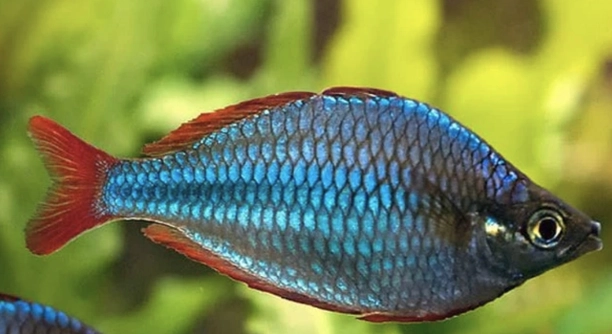
Rainbow fish are known for their vibrant colors and playful nature, but sometimes they engage in odd behaviors. One of the most intriguing is when they bump into each other. Understanding this behavior can help fish owners make sense of their tank dynamics.
Rainbow fish often bump into each other as a sign of social interaction or competition. This can occur during territorial disputes, courtship displays, or simply as a way to establish dominance within the group. It is a natural behavior.
This behavior is part of their instinctive social structure and can vary depending on the species and environment. Understanding these interactions can help maintain a balanced and harmonious aquarium.
Reasons Why Rainbow Fish Bump Each Other
Rainbow fish might seem like they’re just having fun when they bump into each other, but it’s often part of their natural behavior. They do this for different reasons like asserting dominance or claiming their space. In the wild, these fish usually live in schools, where establishing dominance is important for survival. By bumping into one another, they send clear signals about who is in charge, especially when resources are limited. This behavior can also be part of courtship rituals during mating season. It’s not always aggressive but rather a way of establishing boundaries within their group.
Rainbow fish also engage in this behavior when they feel crowded. If there isn’t enough space in the tank or if there are too many fish, they might start bumping into one another to show their discomfort. It’s a way of expressing their need for more room to swim freely.
Sometimes, rainbow fish might even bump each other playfully, especially when they are young and full of energy. It’s often seen in smaller tanks where fish are still figuring out their place. While it might seem alarming, it’s not always a sign of aggression but more a part of their social structure.
Is There a Risk Involved?
Fish can be territorial, so this behavior can lead to fights if there’s too much competition. When fish bump into each other too often, it might result in injuries.
Rainbow fish are typically peaceful, but they can become stressed if they feel threatened or cornered. Tank conditions play a big role in their behavior. Poor water quality, overcrowding, or lack of hiding spots can all contribute to increased stress levels. When stressed, fish might act aggressively toward one another. This could lead to physical damage like torn fins or scratched bodies.
It’s important to monitor how your rainbow fish interact with each other. A peaceful environment is essential for keeping them healthy. You can do this by ensuring proper water conditions and avoiding overcrowding. Adding plants and decorations can also give them places to hide, which reduces stress and keeps them from fighting.
How Tank Conditions Affect Behavior
Rainbow fish are sensitive to tank conditions, which can make them more prone to bumping into each other. Poor water quality, high ammonia levels, or fluctuating temperatures can stress the fish and lead to aggression or discomfort. When they feel uneasy, they might bump into one another as a way of asserting themselves.
To maintain a healthy tank, make sure you regularly check water parameters like pH, ammonia, and nitrate levels. If any of these factors are off, it can trigger stress in rainbow fish, which might cause them to interact more aggressively. A stable environment reduces the likelihood of territorial disputes and encourages peaceful interactions between fish.
Adding a reliable filtration system, conducting regular water changes, and monitoring temperature can help create a comfortable space for your rainbow fish. These simple measures not only improve water quality but also help to reduce the chances of bumping behavior that comes from environmental stress. Fish will feel more secure and can swim freely without feeling threatened.
How to Prevent Aggressive Bumping
Overcrowding is one of the main reasons for aggressive bumping behavior. By making sure there’s enough space in the tank, fish can maintain a peaceful social structure.
The general rule is to allow one inch of fish per gallon of water, though this can vary depending on the species. For rainbow fish, this gives them enough room to swim around without constantly bumping into each other. If the tank is too small, it can lead to a constant struggle for space, making the fish act out. Adding more plants and hiding spots can also create a less stressful environment.
Rainbow fish are also less likely to engage in territorial disputes when they feel comfortable with their environment. By providing plenty of places to hide or rest, they can retreat when feeling threatened. This helps reduce the chances of aggression and allows them to interact without constant conflict.
Understanding Social Hierarchy
Rainbow fish, like many other species, have a natural social hierarchy. They tend to bump into each other to establish and maintain their place within the group. This is not always aggressive, but a way of figuring out who holds a dominant position.
In a well-balanced tank, this behavior is often harmless. However, if there’s an imbalance—like one fish constantly being bullied or chased—it may lead to stress. Watching for these signs can help prevent issues that may arise from unchecked dominance or territoriality among the fish.
Rainbow Fish Courtship
During mating season, rainbow fish might bump into each other as part of their courtship behavior. The fish use this interaction to display interest and compete for mates. This can look like playful but intense bumping, where one fish might try to assert itself over the other.
It’s important to note that this behavior is temporary and usually linked to breeding. As long as the interactions don’t result in injury, it’s a normal part of their life cycle. Keeping the tank environment stress-free can reduce the intensity of these moments and help maintain healthy fish.
Tankmates and Compatibility
When adding new tankmates, make sure they are compatible with rainbow fish. Some species can cause stress or provoke more aggressive behavior, leading to unnecessary bumping. Proper research before introducing new fish can prevent problems in the long run.
FAQ
Why do rainbow fish bump each other?
Rainbow fish bump each other for several reasons, including establishing dominance, social interaction, and courtship behavior. This is often seen when they are trying to figure out their place in the school or competing for mates. These fish are naturally social and live in groups, so their interactions, like bumping, help define social roles. In some cases, it could also be a sign of territorial disputes or simply an act of playful behavior, especially when they are young or not feeling threatened by overcrowding.
Can bumping cause harm to the fish?
In most cases, the bumping between rainbow fish is harmless. However, if it becomes too frequent or aggressive, it can lead to stress and possible injuries, such as torn fins or skin abrasions. Stress from overcrowding or poor tank conditions can also make the fish more prone to aggressive bumping. It’s important to monitor how often the fish are engaging in this behavior and ensure that the tank environment is suitable for them. Regularly checking water quality and keeping the tank appropriately stocked can help minimize these risks.
What can I do to reduce bumping behavior?
To reduce bumping, start by ensuring your tank is large enough for the number of fish you have. Overcrowding can lead to competition for space, which may cause more bumping as fish try to assert their dominance. Adding plants, decorations, and hiding spots can also help, as these features give fish more room to retreat when feeling threatened. Additionally, maintaining optimal water quality and temperature helps reduce stress, which can lessen aggressive interactions.
Do rainbow fish fight with each other?
Rainbow fish are generally peaceful and social but can exhibit aggressive behavior, especially when there is a lack of space or during mating season. Male rainbow fish might show more aggression toward each other, particularly when competing for a mate. If the tank is overcrowded, the fish may become territorial, leading to more frequent fights. To prevent this, make sure the tank is spacious enough for the fish to move freely, and ensure that their environment promotes healthy social interactions.
Is it normal for rainbow fish to chase each other?
Yes, it is normal for rainbow fish to chase each other. This is often seen when males compete for mates, or when fish are establishing their dominance within the group. This chasing is typically not harmful and is part of their natural behavior. However, if the chasing becomes too aggressive or constant, it could be a sign of stress or overcrowding. You can reduce excessive chasing by providing enough space and hiding spots in the tank.
What should I do if my rainbow fish are constantly bumping into each other?
If your rainbow fish are constantly bumping into each other, it might be a sign of stress, overcrowding, or competition. First, assess the tank’s size and water quality. If the tank is too small or there are too many fish, consider upgrading the tank or removing some of the fish. Adding more plants or decorations can also reduce competition for space. Make sure the water temperature, pH, and ammonia levels are stable, as poor water conditions can increase stress and aggressive behavior.
Can rainbow fish live with other fish?
Rainbow fish are generally peaceful and can live with other species, provided the tankmates are not overly aggressive. They do best with similarly sized fish that are not territorial. Avoid adding overly aggressive species or those that may intimidate rainbow fish. Some good tankmates include tetras, barbs, and other peaceful species. When selecting tankmates, always research the specific needs of both the rainbow fish and the potential companions to ensure compatibility.
How do I know if my rainbow fish are stressed?
Stressed rainbow fish may exhibit certain behaviors such as excessive bumping, hiding, or swimming erratically. They might also lose their bright colors or become less active. Other signs of stress can include fin clamping (where the fins are held tightly against the body), rubbing against objects in the tank, or increased aggression toward other fish. To help alleviate stress, check the water quality regularly, provide enough hiding spots, and ensure the tank is not overcrowded.
Why do rainbow fish swim in groups?
Rainbow fish naturally swim in groups, known as schools, for protection and social reasons. In the wild, they group together to avoid predators and share resources. Swimming in a group also helps establish social hierarchy among the fish. In a tank, maintaining a small school of rainbow fish can reduce stress and promote a more natural and harmonious environment. They feel safer when they are surrounded by their own kind, which is why keeping them in groups is highly recommended for their well-being.
Is it okay to keep just one rainbow fish?
Rainbow fish are social creatures and thrive in groups. Keeping just one rainbow fish can lead to loneliness and stress, as they naturally seek out the company of their own kind. It’s best to keep them in schools of at least six individuals to promote natural social behavior and reduce the risk of stress-related health issues. A small group allows them to interact, establish hierarchies, and engage in normal social behaviors, reducing the likelihood of aggression or territorial disputes.
Can rainbow fish change colors?
Yes, rainbow fish can change colors depending on their mood, environment, and breeding behavior. Males, in particular, might display more vivid colors when they are trying to attract a mate. Environmental factors, like water quality and lighting, can also affect the brightness of their colors. Healthy rainbow fish tend to have vibrant hues, while fish that are stressed or unwell might appear dull or faded.
Final Thoughts
Rainbow fish are generally peaceful and social creatures that enjoy the company of their own kind. While it may seem concerning when they bump into each other, this behavior is often natural and part of their social structure. It can be a way for the fish to establish dominance, compete for mates, or simply interact within their group. In most cases, these interactions are harmless, and the fish will settle into a balanced social hierarchy over time. However, if the bumping becomes too frequent or aggressive, it’s important to assess the environment and take action to reduce stressors.
Tank conditions play a significant role in the behavior of rainbow fish. Poor water quality, overcrowding, or a lack of hiding spots can all contribute to increased aggression and stress, leading to more bumping and chasing. Ensuring that the tank is spacious, well-maintained, and properly filtered can help prevent unnecessary conflict. Providing plants, decorations, and hiding spots will also create a more comfortable environment where fish can retreat when needed, reducing the chances of aggressive behavior. By creating a stable and healthy environment, you can help your rainbow fish live a peaceful and happy life.
If you notice that your rainbow fish are constantly bumping into each other or displaying aggressive behavior, it’s essential to take steps to address the issue. Make sure the tank is large enough to accommodate all the fish, and avoid overcrowding. Additionally, regular water changes and maintaining stable water parameters will keep the fish from becoming stressed. It’s also a good idea to observe the interactions between your rainbow fish and their tankmates to ensure compatibility. By understanding their natural behaviors and providing the right environment, you can help your rainbow fish thrive in a peaceful and harmonious tank.

Hello,
If you enjoy the content that we create, please consider saying a "Thank You!" by leaving a tip.
Every little bit helps us continue crafting quality advice that supports the health, happiness, and well-being of pets around the world, for pets of all shapes, sizes, and species.
We really appreciate the kindness and support that you show us!