
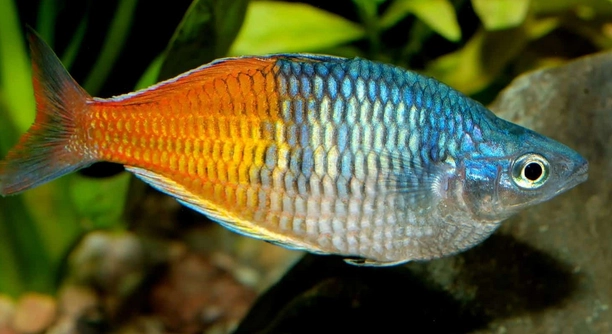
Do you ever find yourself watching your rainbow fish and noticing little quirks that seem too unique to ignore? These beautiful freshwater fish are full of surprises, especially when it comes to their behavior in the tank.
Rainbow fish display several rare behaviors, such as color flashing, synchronized swimming, and surface gulping, which often relate to environmental changes, stress, mating rituals, or social interaction within their group dynamics.
Each behavior has a reason, and recognizing the signs can help you better care for your fish and enjoy their natural charm.
Color Flashing During Social Interaction
Rainbow fish are known for their bright, shifting colors, but sometimes the changes seem more intense or sudden. This is often a response to social situations, especially during territorial displays or mating. Males will flash vibrant shades when competing or trying to attract a female. These flashes can last just a few seconds, usually occurring in the morning or during feeding. It’s a way for them to communicate dominance or interest. While it may look like a random burst of color, it’s often tied to something specific happening in the tank. If you notice frequent flashing, check for changes in group dynamics or new tank additions.
Color flashing is usually normal and doesn’t indicate illness.
If you’re trying to reduce flashing, dimming the lighting slightly or spreading out feeding times may help. Keep in mind, though, this behavior is often harmless and reflects a healthy, interactive fish environment.
Unusual Surface Gulping
Rainbow fish sometimes rise to the surface and appear to gulp air. This behavior can be confusing, especially if your tank seems clean and well-aerated.
Surface gulping is usually linked to low oxygen levels, poor water quality, or high water temperatures. When oxygen becomes scarce in deeper areas of the tank, fish move upward where oxygen is more available. Even in well-maintained tanks, subtle changes can cause temporary issues. Overfeeding, clogged filters, or lack of surface movement can all contribute to this. Always make sure your water parameters are balanced and your filtration system is working properly. You can also add live plants to naturally increase oxygen levels. If the behavior persists, test the water immediately and take corrective action. Monitoring your tank regularly can help catch problems before they become serious. Rainbow fish are generally hardy, but they’re sensitive to shifts in water conditions, and surface gulping is often their way of telling you something’s off.
Rapid Darting Around the Tank
Rainbow fish may suddenly dart around the tank in quick, sharp bursts. This can happen without warning and often looks like erratic or panicked swimming. It may be linked to stress, sudden changes, or external movement.
Rapid darting is typically a stress response, often caused by loud noises, quick movements near the tank, or changes in water conditions. If this behavior appears often, check your water parameters and make sure the tank environment is calm and consistent. Avoid tapping on the glass or making sudden adjustments during maintenance. If the tank lighting is too harsh, consider dimming it. These small factors can add up and make your fish feel unsettled. Rainbow fish are peaceful by nature, but they can be sensitive to their surroundings. Darting should not happen frequently, so it’s worth paying attention to when and why it occurs.
Sometimes, darting is also caused by parasites or irritation. Look closely for signs of flashing, white spots, or redness on the fins or body. If you see anything unusual, isolate the affected fish and treat accordingly. A clean, balanced tank with stable conditions is the best way to prevent both stress and illness in rainbow fish. Watch their routines, as small changes often mean something.
Group Circling Behavior
You may see a small group of rainbow fish swimming in a tight circle repeatedly. This is often a form of schooling, but it can also show early signs of mating or territory testing.
Group circling is usually peaceful but can have multiple meanings depending on the context. It may indicate that the fish are establishing social order or preparing for breeding. Males may chase females gently, or several fish might follow one another in loops. If it looks calm and there’s no nipping or aggression, it’s likely normal. Rainbow fish tend to be active swimmers and enjoy space. Having enough room and proper tank mates supports their natural schooling habits. However, if the circling appears frantic or includes bumping, you should check for overcrowding or poor water conditions. Balanced space and routine maintenance help reduce stress and support natural behaviors like this.
Hovering in One Spot
Sometimes rainbow fish will hover in place without much movement. This can look strange, but it’s often a way for them to rest or stay alert. They may do this near plants or decorations where they feel safe.
If the hovering is paired with clamped fins or lack of appetite, it could be stress-related or signal a health issue. Check for any changes in tank conditions and watch closely for other unusual signs.
Nipping at Fins During Feeding
Rainbow fish may nip at each other’s fins during feeding time. This behavior usually comes from excitement or competition for food rather than aggression. It tends to stop once the food is gone.
Make sure to feed in multiple spots across the tank to spread the attention. This can help lower tension and reduce chasing or nipping. A balanced feeding routine with enough space makes a big difference for peaceful behavior.
Subtle Tail Flicking
A quick flick of the tail might seem unimportant, but it can be a sign of alertness or irritation. If it happens often, check for possible water quality issues or tank stressors.
FAQ
Why do rainbow fish swim in circles?
Rainbow fish swimming in circles is often part of their schooling behavior. These fish are social and thrive in groups, so when they feel secure, they may swim in tight patterns. It’s usually a sign of harmony within the group or a response to environmental changes. However, if the circling appears frantic or continuous for long periods, it could indicate stress, overcrowding, or poor water quality. Make sure your tank has enough space and that water conditions are stable.
How can I stop rainbow fish from darting around?
If your rainbow fish are darting around quickly, it’s often a stress response. Stress can be caused by changes in water quality, temperature fluctuations, loud noises, or other tank disturbances. To prevent this, ensure your tank is stable in terms of both water conditions and environment. Avoid sudden movements near the tank and make sure the fish are not feeling overcrowded. Adding plants or hiding spots can give them a sense of security. Darting can also happen if there’s a new fish or a territorial dispute, so check for signs of aggression.
Are rainbow fish aggressive toward other fish?
Rainbow fish are generally peaceful, but males can become territorial, especially during breeding periods. They may show aggressive behaviors like chasing or nipping at other fish, particularly other males. If aggression becomes a problem, ensure there’s enough space for each fish to establish its territory. Adding more females to balance the male-to-female ratio can help reduce aggression during breeding times. As long as they are kept with compatible species and provided enough space, rainbow fish tend to do well in community tanks.
Why is my rainbow fish hovering in one spot?
Hovering can indicate that your rainbow fish is resting or feeling stressed. If they are hovering near plants or decorations, they may feel secure in that location. However, if hovering is accompanied by other signs like clamped fins, loss of appetite, or abnormal behavior, it could be a sign of illness or water quality issues. Check the water parameters and ensure the tank is clean and stable. If the hovering persists, consider consulting a vet or aquatic specialist to rule out any health problems.
What does it mean when rainbow fish display sudden color changes?
Sudden color changes in rainbow fish are usually a sign of either stress or excitement. Males may flash bright colors when competing for mates, while females may do so in response to male interest. It’s also a way for fish to show their dominance or territorial claims. If color changes are constant or seem unnatural, it could be a reaction to stress, such as poor water conditions, or it could be a sign of illness. Monitoring the tank environment can help minimize stress-related color changes.
How often should I feed my rainbow fish?
Rainbow fish are not particularly demanding when it comes to feeding. You should feed them once or twice a day, providing enough food that they can consume in about two to three minutes. Overfeeding can lead to poor water quality, so be careful to avoid excess. Offering a varied diet that includes both flakes and occasional live or frozen foods will keep them healthy and satisfied. Make sure the fish are getting the right amount of food without leaving leftovers that could pollute the tank.
Is it normal for rainbow fish to swim at the surface?
Rainbow fish swimming near the surface is quite normal, especially during feeding times. They are known to surface feed, so they may be seen darting upward to grab food. However, if they are constantly near the surface, it could be a sign of low oxygen levels or poor water circulation. If your fish spend most of their time near the surface and show signs like surface gulping, check your filter system and aeration. Improving water flow can encourage them to swim throughout the tank.
Can rainbow fish live with other species?
Rainbow fish generally do well with other peaceful species, especially those of similar size. They are not aggressive by nature, but they can be territorial, especially during breeding times. They work best in a community tank with fish that are not too aggressive or too small to avoid accidental bullying. Avoid pairing them with overly aggressive species or very small fish that might become targets. Adding plants and hiding spots in the tank can help reduce territorial issues and allow all fish to coexist more peacefully.
What is the best tank size for rainbow fish?
Rainbow fish need enough space to swim freely and feel comfortable. A tank size of at least 30 gallons is recommended for a small group of rainbow fish. Larger tanks are even better, especially if you plan on keeping multiple species or a larger group of rainbow fish. Ensure the tank has a good filtration system and enough plants or decorations to create hiding spots. A larger tank provides a more stable environment and reduces stress by giving your fish room to establish territories.
Why are my rainbow fish staying near the bottom of the tank?
If your rainbow fish are staying near the bottom of the tank, it may indicate a few potential issues. They might be stressed, sick, or uncomfortable with the tank environment. Poor water quality, low oxygen levels, or tank temperature fluctuations can lead to this behavior. Sometimes, it’s also a sign of ill health, so check for signs of illness like clamped fins or unusual swimming patterns. Make sure the bottom of the tank is clean, and ensure your filtration system is working efficiently.
Final Thoughts
Rainbow fish are fascinating creatures, full of personality and unique behaviors. They are typically peaceful, vibrant fish that bring life to any tank. Understanding their natural habits and knowing how to interpret their behavior can help you provide a better environment for them. Whether it’s flashing bright colors, darting around the tank, or circling in a group, each behavior has a reason behind it. Most of these actions are completely normal and part of their social interactions or reactions to environmental factors.
However, like any pet, rainbow fish require attention to their care. It’s important to maintain stable water conditions, avoid overcrowding, and ensure a balanced diet to prevent stress-related behaviors. By watching for signs of stress or illness and quickly addressing issues, you can ensure your rainbow fish remain happy and healthy. Providing enough space for your fish to interact with each other naturally and adding plants or hiding spots will also promote peaceful behavior.
In the end, rainbow fish can thrive in a well-maintained tank with proper care and attention. Their vibrant colors, playful personalities, and unique behaviors are just some of the reasons why they are such a popular choice for aquarium owners. By understanding their behavior patterns, you can create an environment where they feel secure, and in turn, enjoy watching them display their natural instincts. Just remember to keep an eye on any changes in behavior, as it often signals something you can fix before it becomes a bigger issue.

Hello,
If you enjoy the content that we create, please consider saying a "Thank You!" by leaving a tip.
Every little bit helps us continue crafting quality advice that supports the health, happiness, and well-being of pets around the world, for pets of all shapes, sizes, and species.
We really appreciate the kindness and support that you show us!