
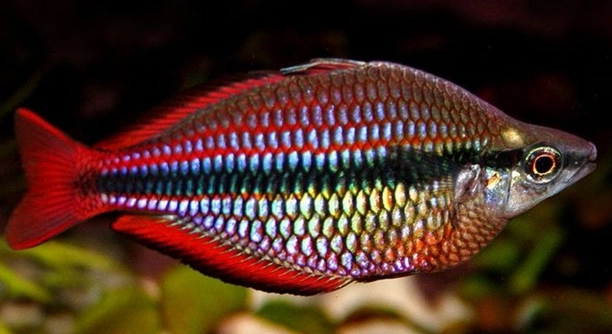
Do you ever find yourself planning a community tank and wondering if your rainbow fish can live peacefully with loaches?
Rainbow fish can share a tank with loaches, but compatibility depends on the species, tank size, and environmental needs. Ensuring similar water parameters and avoiding overly aggressive or territorial fish is important for a successful community setup.
Peaceful coexistence is possible when the tank setup supports both species’ needs and behaviors.
Understanding the Needs of Rainbow Fish and Loaches
Rainbow fish are active swimmers that thrive in well-oxygenated water with plenty of open space. They do best in schools and prefer slightly alkaline water with stable temperatures. Loaches, depending on the species, tend to be bottom dwellers that enjoy hiding spots and soft substrates. While many loaches are peaceful, some can be more territorial or shy. It’s important to match their environmental needs, including water parameters and tank size, to avoid stress or conflict. A tank of at least 30 gallons is recommended when keeping both types, and adding plants or decorations can help break up sightlines and give each group their own space. Choosing peaceful loach species like kuhli loaches or dwarf chain loaches often results in better tank harmony. Avoid mixing rainbow fish with overly large or aggressive loaches, as this can lead to bullying or competition for food, especially near the bottom of the tank.
Compatibility improves when the tank is spacious and includes areas for both species to swim or rest without interference.
Adding loaches to a tank with rainbow fish can work well when water conditions, behaviors, and space requirements are carefully considered. Choose species with similar temperaments and make sure the tank has hiding spots and room to swim freely.
Behavior and Feeding Considerations
Loaches are more active at night, while rainbow fish are more visible during the day. This difference in activity can help reduce potential clashes, especially during feeding times. It’s best to observe how the fish interact during the first few weeks after introduction.
Feeding both species requires some care. Rainbow fish are mid-water feeders and usually accept flakes or small pellets. Loaches, on the other hand, prefer sinking food and may need specialized wafers or fresh vegetables. Make sure food reaches the bottom so the loaches can eat properly. Overfeeding should be avoided, as uneaten food can degrade water quality and create stress for both species. Loaches also appreciate occasional protein-rich treats like bloodworms. Maintaining a regular feeding schedule and observing their behavior can help you catch any problems early. If you notice one species consistently outcompeting the other for food, consider separating their feeding zones or feeding at different times. A balanced diet and consistent routine will support the health and calm behavior of both rainbow fish and loaches in a shared tank.
Tank Setup and Maintenance Tips
Use a tank that holds at least 30 gallons to give both species enough space. Add live plants, driftwood, and caves to create hiding spots for loaches while leaving open areas for rainbow fish to swim comfortably through the middle and upper sections.
Keep the water temperature between 74°F and 78°F, with a pH around 6.8 to 7.5. Maintain a consistent filtration system to support oxygen levels and reduce waste buildup. Regular water changes—about 25% weekly—help keep nitrate levels low and prevent stress. Choose a soft substrate like sand to protect loaches’ sensitive undersides. Avoid using sharp gravel or decorations that can cause injury. Place plants and decor in a way that forms clear zones, giving each fish group their own space. Lighting should be moderate, and the tank lid must be secure since rainbow fish can jump. Keep the environment calm and clean to avoid conflict.
Check for signs of stress or illness during weekly maintenance. Cloudy eyes, faded colors, or erratic swimming may suggest poor water conditions or bullying. Use a water test kit to track ammonia, nitrite, nitrate, and pH levels. Keep all levels stable and respond to changes quickly. Healthy fish are active, alert, and have good appetite and coloration.
Monitoring Behavior and Signs of Trouble
Watch for chasing, fin-nipping, or hiding. These signs can indicate that one species is uncomfortable or being harassed. Adjust decorations or rearrange tank zones if needed to create more separation and reduce tension between fish.
Some loaches can become territorial if the tank is too small or lacks enough hiding places. Rainbow fish may become nippy if they are kept in too small of a group. Keeping at least six of each species can help reduce aggression. When issues arise, observe closely to identify the source of the behavior. You may need to rehome an incompatible fish or add more plants to block line of sight. Monitor feeding to ensure all fish are eating properly. Behavior changes often show up before physical symptoms, so early action helps avoid long-term problems. A peaceful tank comes from regular observation and small adjustments that match each species’ needs.
Choosing the Right Loach Species
Kuhli loaches and dwarf chain loaches are some of the best choices to keep with rainbow fish. They are peaceful, small, and active mostly at night, which helps reduce competition and keeps interactions calm throughout the tank.
Avoid larger or more aggressive loaches like clown loaches or yoyos in smaller community tanks. These species can become dominant or overly active, especially during feeding. Choosing calm, compatible loaches helps maintain balance and reduces the chances of stress or aggression.
Signs You May Need to Separate Them
If you notice fin damage, refusal to eat, or constant hiding from either species, this could signal incompatibility. Separation might be necessary to prevent further stress. If behavior doesn’t improve with environmental changes, consider rehoming one group to a better-suited tank.
Final Thoughts on Compatibility
Rainbow fish and peaceful loaches can live together when space, water conditions, and behavior are monitored closely. Regular maintenance, proper feeding, and careful observation help support a calm and healthy tank.
FAQ
Can rainbow fish and loaches eat the same food?
Yes, both can eat similar foods, but feeding should be adjusted to meet their needs. Rainbow fish prefer floating flakes or pellets, while loaches enjoy sinking foods like wafers or pellets that settle at the bottom. Adding frozen or live foods such as bloodworms or brine shrimp benefits both. Feed small amounts twice a day, making sure all fish get a chance to eat without leftovers sitting in the tank. Uneaten food can cause poor water quality, which may lead to health issues if not removed quickly.
How many loaches and rainbow fish should I keep together?
Both rainbow fish and loaches are schooling species, so they thrive best in groups. Keep at least six of each species to reduce stress and aggression. A 30-gallon tank is a minimum starting size, but a 40-gallon or larger tank is better if keeping larger groups. This allows enough room for swimming and hiding, supporting a natural, peaceful environment. A proper group size helps each species interact comfortably and encourages natural behavior without territorial tension.
What’s the best substrate for loaches in a shared tank?
Use a soft, smooth substrate like sand or fine gravel. Loaches spend a lot of time at the bottom, and sharp gravel can injure their undersides or damage their delicate barbels. Sand is easier for them to sift through when foraging for leftover food. Avoid large or rough stones and always rinse any substrate before adding it to the tank to remove dust or debris. A clean, gentle substrate supports healthy loaches and helps prevent infections or irritation.
Do loaches need hiding spots even when sharing a tank?
Yes, loaches need plenty of hiding spots to feel safe and reduce stress. Even if they share the tank peacefully with rainbow fish, having hiding areas gives them space to retreat and rest. Use driftwood, stacked rocks, or decorations with small openings. Live plants also provide cover and help soften light. These features allow loaches to hide when they feel threatened or tired, and they also prevent conflict by giving fish visual barriers and space to claim.
What water parameters work for both species?
Rainbow fish and loaches both prefer a temperature range between 74°F and 78°F. A neutral pH between 6.8 and 7.5 works well for both. Water hardness should be moderate, around 5–12 dGH. Always use a heater to maintain stable temperatures and test your water regularly to check for ammonia, nitrite, and nitrate levels. Clean, stable water conditions support healthy immune systems, reduce stress, and prevent disease. Perform partial water changes weekly to keep levels safe and steady.
How can I tell if loaches are being bullied by rainbow fish?
If loaches spend all their time hiding, skip meals, or show signs of damage on their fins or body, they may be stressed by other fish. Rainbow fish are generally peaceful, but if kept in small groups or in tight spaces, they can become nippy. Add more hiding spots and increase the group size of rainbow fish to reduce this behavior. Keep an eye on interactions, especially during feeding, and be ready to separate the fish if bullying continues.
Can rainbow fish and loaches breed in the same tank?
It’s possible, but not common in a shared tank. Rainbow fish may lay eggs in plants, and loaches might spawn under cover, but the eggs or fry are often eaten quickly by tank mates. If you’re hoping to breed either species, it’s better to move a pair or a breeding group to a separate tank. This gives you better control of conditions, reduces stress, and prevents other fish from interfering with eggs or fry during early development.
Do these fish need a strong current in the tank?
Moderate water flow is preferred. Rainbow fish enjoy swimming in the current, while loaches prefer calmer spots closer to the substrate. Use a filter that creates surface agitation without overwhelming the fish. Adjust the flow direction to suit both species by placing plants or rocks in the path of the current to create calm zones. This setup allows each species to find its comfort area while keeping oxygen levels stable and water clean.
Final Thoughts
Keeping rainbow fish and loaches together can work well if their needs are met. Both species enjoy living in groups and do best in a peaceful, well-maintained tank. A tank with enough space, proper water conditions, and a mix of open swimming areas and hiding spots can support them both. Rainbow fish prefer the upper parts of the tank, while loaches stick to the bottom. This helps reduce conflict and allows each species to live comfortably in its zone.
Feeding can also be managed without much trouble. Rainbow fish eat floating flakes and pellets, while loaches prefer sinking food like wafers or live treats. A varied diet that suits both fish will help them stay healthy. Make sure the food is small enough for both species to eat easily and feed in a way that gives loaches time to find their share. Cleaning up uneaten food is also important to avoid water problems that could stress the fish.
Tank setup and maintenance are key to keeping both fish species healthy. Use sand or fine gravel as the substrate to protect the loaches, and include plenty of hiding places like driftwood or caves. Plants help add cover and improve water quality. Keep water temperature, pH, and hardness in a range that works for both species, and test the water regularly. A stable environment helps prevent stress and illness. With careful planning and regular care, rainbow fish and loaches can live together peacefully and thrive in a shared tank.

Hello,
If you enjoy the content that we create, please consider saying a "Thank You!" by leaving a tip.
Every little bit helps us continue crafting quality advice that supports the health, happiness, and well-being of pets around the world, for pets of all shapes, sizes, and species.
We really appreciate the kindness and support that you show us!