
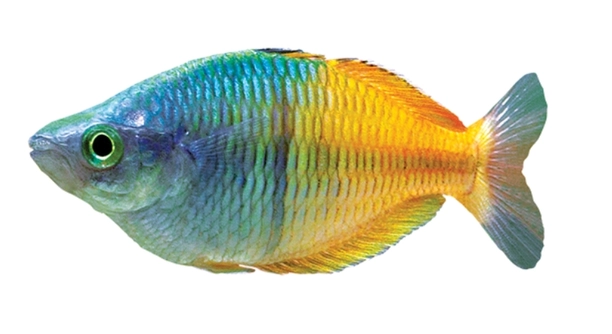
Do you love watching rainbow fish glide through the water and find yourself wondering how they change colors so fast sometimes?
Rainbow fish can change color quickly due to specialized cells in their skin called chromatophores. These cells react to light, mood, temperature, and social interactions, allowing the fish to shift their appearance within seconds.
Their color shifts can reveal more than just beauty—they often show behavior, emotion, or environmental responses worth noticing and understanding.
When They’re Stressed or Scared
Rainbow fish often change color when they feel stressed or scared. This reaction is automatic and can happen in an instant. Their bodies respond to changes in the environment, like sudden movement, loud noise, or unfamiliar surroundings. The color change is usually a shift to duller tones, such as gray or brown. This helps them hide or blend into their surroundings to avoid danger. It’s not always a dramatic transformation, but it’s noticeable enough for experienced fish keepers to recognize. When the fish return to a calm state, their usual vibrant colors often come back just as quickly.
The shift in color can act as a visual sign to others that the fish is feeling threatened or uncertain.
If you notice your rainbow fish turning pale or dull, check for loud sounds, sudden lighting changes, or new objects in the tank. Reducing these triggers can help them stay calm and bright.
During Mating or Social Display
Color changes during mating or social display are more intense and deliberate.
Male rainbow fish will often flash bright blues, greens, or reds when they’re trying to impress a female or establish dominance in a group. These displays are a way of showing off health and strength. It’s common to see the brightest colors in the early morning hours, which is when most mating activity takes place. Some fish may even flare their fins or change swimming patterns along with the color shifts. These moments are short but striking. Once the interaction is over, the colors usually fade back to their regular appearance.
In tanks with multiple males, you might notice this behavior more often as they compete for space or attention. The color changes are not random. They serve a clear purpose and can help you learn more about how your fish interact. Observing these moments can give you insight into their routines and how comfortable they feel in their environment. The more stable and well-maintained the tank is, the more likely these natural behaviors will occur.
When They’re Asleep or Resting
Rainbow fish often become paler when they sleep or rest. This is normal and helps them stay safe from predators in the wild by making them less visible.
As they settle down for the night, their bodies reduce color intensity, often fading to light gray or a washed-out version of their usual hues. This change happens gradually and usually returns to normal when they become active again in the morning. It’s not a sign of illness or distress—just part of their daily rhythm. In aquariums, the dimming of tank lights can help signal to the fish that it’s time to rest, encouraging this natural color shift without stress.
If your rainbow fish look duller in the early morning or evening, it’s likely because they’re winding down or just waking up. Watching how their colors fade and return each day is one more way to understand their habits.
After a Quick Change in Water Conditions
Rainbow fish react fast to water quality changes. Even a small drop in temperature or a shift in pH can cause them to change color for a short time.
When the water becomes too cold or warm, or if the pH shifts suddenly, you might notice their colors dim or change slightly in tone. This is often a temporary response as they adjust to the new conditions. Poor water quality, like excess ammonia or nitrites, can also stress the fish and lead to noticeable color fading. It’s helpful to check your water parameters often, especially if your fish look different or behave oddly. Keeping the temperature steady and performing regular water changes can prevent sudden shifts that might cause stress.
Using a reliable water test kit can help catch problems early. Even stable tanks can shift quickly with overfeeding or a new tank mate. Color changes are one of the first signs that something might need your attention.
After Eating or During High Activity
Rainbow fish sometimes show brighter colors right after eating. This may be linked to a boost in energy or increased blood flow from digestion. The change is often subtle but can be seen in active, healthy fish.
During play or fast swimming, their colors may become more intense. This temporary change is often a sign of excitement or good health.
When They’re Sick or Unwell
If a rainbow fish is sick, you might notice its colors becoming dull or uneven. Patches may appear, or their usual brightness may fade. This can happen with infections, parasites, or internal problems. Other signs include staying near the surface or hiding more than usual. A color change alone isn’t always a reason to worry, but it’s worth paying attention to, especially if it lasts. Check water conditions, behavior, and appetite to help spot the issue. Early care can make a big difference. Healthy rainbow fish are naturally colorful, so a lasting change is a signal that something might be off.
When Adjusting to a New Tank
Rainbow fish often change color when placed in a new tank. They need time to adapt to the space, lighting, and new tank mates.
FAQ
Why do my rainbow fish look dull in the morning?
This is usually a natural part of their sleep cycle. When rainbow fish rest, their colors fade to help them stay hidden, even in a tank. You’ll often notice their brightest colors returning a few hours after lights turn on. If they stay dull all day, check for stress or poor water quality.
Can rainbow fish change color permanently?
Yes, but it’s rare. Permanent color change can happen with age, stress over time, or certain health conditions. Male rainbow fish often become more colorful as they mature, while females tend to stay lighter. Long-term dullness, though, might mean something is wrong, like poor diet, overcrowding, or illness.
Is color change always related to stress?
Not always. While stress is a common trigger, changes can also come from excitement, mating behavior, or simply resting. The context and behavior matter—if your fish is active, eating, and swimming normally, a brief color shift is likely not a concern.
Do females change color the same way males do?
Not exactly. Female rainbow fish can change color, but their shifts are often less bold. Males tend to display brighter and more dramatic changes, especially when courting or showing dominance. Females may become slightly paler or darker depending on their environment and health.
How quickly can a rainbow fish change color?
Color changes can happen in seconds. If a rainbow fish feels threatened or excited, the chromatophores in their skin react almost instantly. This allows them to fade or brighten depending on the situation. More gradual changes might happen over minutes or hours when adjusting to new conditions.
Can diet affect the color of my rainbow fish?
Yes. A poor diet can lead to faded colors, while a rich, varied diet can boost vibrancy. Foods high in carotenoids (like spirulina, krill, or color-enhancing flakes) help enhance red and orange hues. A healthy feeding routine supports both their color and overall wellness.
Do rainbow fish get brighter with age?
Males typically become more colorful as they grow. Juveniles might start with soft, pale shades that become bolder as they mature. Full color usually develops around 6 to 12 months, depending on the species and care. Females may remain more muted throughout their lives.
Is it normal for color to change after a water change?
Yes. Even if the new water matches the tank’s temperature and pH, rainbow fish can still react to the disturbance. This change is usually brief. If the fish remain pale or show signs of stress, double-check the water quality and consider smaller, more frequent changes in the future.
Can lighting cause color changes?
Absolutely. Different lighting can change how their colors appear. Strong lights may make colors seem bolder, while dim lights may soften them. LED lights with specific spectrums can highlight certain hues. Also, sudden changes in light—like flipping the light on too quickly—can stress fish and dull their colors.
Are some species more colorful than others?
Yes. Some rainbow fish, like the Boesemani or Dwarf Neon, are known for more vivid coloring. Others are more muted but still show changes depending on mood, health, and environment. Each type has its own range of natural hues and behavior.
Final Thoughts
Rainbow fish are fascinating to watch, especially because of how quickly their colors can change. These shifts can happen for many reasons—some are natural, like sleeping or mating, while others may signal stress, health issues, or changes in their environment. Learning what each type of color change means can help you better understand what your fish are feeling or going through. Their bodies react quickly to their surroundings, and even small things like a new tank mate, sudden lighting, or cooler water can lead to noticeable changes in how they look. By paying close attention to these details, you’ll be able to create a better and more comfortable space for them.
Keeping rainbow fish happy and healthy doesn’t need to be complicated. A clean tank, steady water conditions, and a good diet go a long way. When you provide the right care, their true colors will show—sometimes literally. Feeding them quality food that supports their natural colors can make a visible difference. Keeping a calm and stable environment can also help prevent stress-related color changes. If you notice your fish looking dull for long periods, it might be a sign to check water quality or review their overall care. Quick color shifts, on the other hand, often just reflect short-term reactions and aren’t always a reason for concern.
Observing your rainbow fish each day is one of the best ways to notice small changes early. Their color changes can be one of the first things to shift when something is off, but they can also be a normal part of daily life. Watching for patterns—like when they pale overnight or brighten during feeding—can help you learn what’s normal for your fish. Each fish is different, and getting to know their habits makes it easier to tell when they’re thriving. Whether you’re just starting with rainbow fish or have had them for years, there’s always something new to notice about their colors, behaviors, and little changes. Keeping them bright, calm, and active just means staying consistent and paying attention.

Hello,
If you enjoy the content that we create, please consider saying a "Thank You!" by leaving a tip.
Every little bit helps us continue crafting quality advice that supports the health, happiness, and well-being of pets around the world, for pets of all shapes, sizes, and species.
We really appreciate the kindness and support that you show us!