
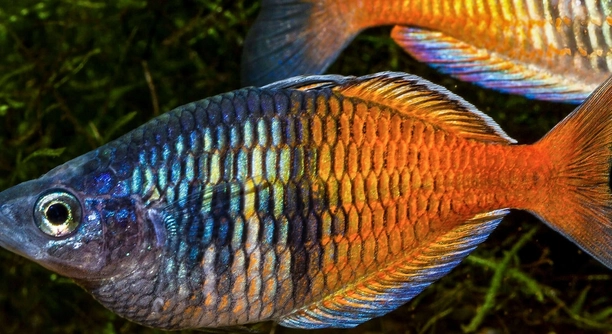
Rainbow fish are a fascinating addition to any aquarium, known for their vibrant colors and unique behaviors. One of these behaviors is hovering in one spot, which may leave some fish enthusiasts wondering about its cause.
Rainbow fish hover in one spot due to natural behaviors such as territory defense, feeding habits, or simply seeking calm water currents. These actions are instinctual and help them survive and thrive in their aquatic environments.
Understanding why rainbow fish engage in this behavior can provide insight into their needs and well-being. Exploring their natural tendencies can help ensure a happy and healthy aquatic environment for your fish.
Why Do Rainbow Fish Hover in One Spot?
Rainbow fish are known for their peaceful nature, but their hovering behavior can sometimes be puzzling. This unique action often happens when they are in a calm environment, where they find a spot to rest. By hovering, they are able to maintain their position in the water without using too much energy. It’s a common behavior that helps them avoid unnecessary movement, especially when they are not actively hunting or swimming with other fish. Hovering also gives them a chance to assess their surroundings, ensuring they stay safe from potential threats.
Fish do not typically hover in the same spot for no reason. In fact, they may be positioning themselves in an area where food is abundant or water flow is ideal.
It’s important to understand that hovering is not always a sign of distress. For rainbow fish, this behavior is part of their natural routine. They often hover near plants or rocks, where they feel protected and can observe the environment around them. In the wild, this is a survival tactic that helps them avoid predators while also conserving energy.
What Causes This Behavior?
While hovering may seem odd at first, there are several reasons why rainbow fish behave this way. It’s not just about comfort; they often hover in areas with lower water currents to preserve energy.
When rainbow fish hover in one spot, it’s usually because they are monitoring their surroundings and conserving energy. This behavior is particularly common when they feel secure and are not actively foraging for food. By remaining still, they can better observe the environment, check for potential predators, or watch other fish without drawing attention to themselves. For rainbow fish in an aquarium, hovering can indicate a healthy level of comfort, as they feel safe in their surroundings.
Sometimes, hovering can also occur in areas with less water movement. Fish, like rainbow fish, prefer environments where the water is calm. This preference helps them stay still without fighting strong currents, ensuring they don’t exert unnecessary energy. In these moments, they may hover to relax or simply find a spot where they can rest without being disturbed.
Natural Habitat and Behavior
Rainbow fish tend to hover in spots that mimic their natural habitat. In the wild, they often find themselves in calm, sheltered areas such as plant-filled riverbanks or slow-moving streams. This provides them with a sense of security.
In the wild, rainbow fish use their ability to hover to stay in safe areas with low current. These spots are often near vegetation, where they can easily hide and still keep an eye on their surroundings. They hover to avoid predators and to conserve energy while waiting for food. The act of hovering in a stationary position is a survival mechanism that helps them blend in with their environment and reduces the chance of being noticed by threats.
For aquarium setups, replicating a similar environment can help encourage natural behaviors like hovering. Creating calm water areas with plants, rocks, or driftwood can make the fish feel more comfortable. This ensures they remain active and healthy, rather than stressed or exhausted from swimming against strong water currents. By mimicking their natural environment, you can provide them with a more balanced and supportive habitat.
Factors Influencing Hovering Behavior
Water temperature, oxygen levels, and the fish’s health can all influence how often a rainbow fish hovers. Fish are more likely to hover when they are comfortable and their basic needs are being met.
If the water is too warm, too cold, or has poor oxygen levels, rainbow fish may hover more often than usual. In these conditions, they may hover to save energy or avoid exerting themselves too much. Additionally, rainbow fish may hover if they are stressed or feeling unwell. The behavior can be a sign of discomfort, but it can also indicate that they are simply waiting for better conditions or a sense of safety.
Ensuring that the water conditions in your tank are ideal can help reduce unnecessary hovering. Regularly check the water temperature, maintain proper filtration, and monitor oxygen levels to create a stable environment. Healthy rainbow fish should only hover when they are comfortable, not as a response to poor living conditions.
Hovering and Feeding Habits
Rainbow fish may hover in one spot when they are waiting for food. They tend to stay in the same place if they know food will be available there soon. This behavior is linked to their feeding patterns.
They often learn where food is most likely to appear in their environment. By hovering near those spots, they conserve energy and stay in position until food is offered. In the wild, they may hover near areas with abundant food sources, such as plankton-rich zones. This behavior is similar to how they adapt in aquariums, where they hover near feeding stations or plants that attract food.
Water Flow and Hovering
Rainbow fish’s preference for slow-moving water affects their hovering behavior. In areas with fast currents, they tend to avoid hovering because it requires more energy to stay in place.
Slow-moving water provides them with the opportunity to hover without expending too much energy. They naturally gravitate toward calm areas, like corners or spaces behind plants. In an aquarium, adjusting water flow can make it easier for them to hover, creating a more comfortable environment. Ensuring gentle water movement helps rainbow fish relax and behave in a more natural way.
FAQ
Why do rainbow fish hover in one spot for long periods?
Rainbow fish hover in one spot to conserve energy and feel safe. In the wild, they often hover near plants or rocks to avoid predators and reduce movement. In an aquarium, they may stay in one place when they feel secure, especially when the water flow is calm and there’s no immediate need to move.
Is hovering a sign that my rainbow fish are stressed?
Not necessarily. While hovering can be a sign of stress, it is often a natural behavior for rainbow fish. If the hovering is happening in a calm, well-maintained tank, it could simply be a sign that the fish are comfortable and resting. However, if the hovering seems excessive and is accompanied by other signs of stress, like faded colors or erratic swimming, it might be worth checking the water conditions.
How can I tell if my rainbow fish is healthy while hovering?
Healthy rainbow fish usually hover in a relaxed manner. They will still be alert, with clear, vibrant colors and a steady breathing pattern. If a rainbow fish is hovering but showing signs like dull colors, abnormal swimming, or labored breathing, these could indicate health problems. Always monitor the fish’s behavior to ensure it is consistent with good health.
Do rainbow fish hover to sleep?
Rainbow fish don’t sleep in the same way humans do, but they do rest. Hovering can be part of their resting behavior, especially if the water current is minimal. During these times, they remain in place to conserve energy while their body gets some rest. Unlike some other fish, they don’t rest on the substrate but hover in the water column.
Can rainbow fish hover for long periods without moving?
Yes, rainbow fish can hover for extended periods without moving. In fact, hovering for long durations is a normal behavior that helps them maintain their position in the water while conserving energy. They do not need to move constantly and can remain stationary for hours, particularly when they feel secure in their environment.
Should I be concerned if my rainbow fish is always hovering in one spot?
Not always. If your rainbow fish is hovering in one spot and has no other signs of distress, it is likely just engaging in a natural behavior. However, if this becomes persistent and the fish seems lethargic or is not eating, it might be a sign of poor water conditions or health problems. Always check water quality and other factors like temperature and oxygen levels.
Can rainbow fish hover in any type of aquarium setup?
Rainbow fish can hover in various aquarium setups, but certain conditions make it easier for them. They prefer aquariums with slow-moving water, plants, and sheltered areas that mimic their natural habitat. Strong currents can make it difficult for them to hover comfortably. Adjusting the water flow to a gentle current can encourage more natural hovering behavior.
Do rainbow fish need company to feel comfortable when hovering?
Rainbow fish are social creatures and tend to feel more comfortable when kept with other fish of their kind or with peaceful tank mates. While they may hover alone, having other fish around can provide them with a sense of security. They often feel safer in groups, as there is strength in numbers. If kept alone, a rainbow fish may hover more often due to a lack of interaction.
How do I create an environment that encourages hovering in my aquarium?
To create an environment where rainbow fish can comfortably hover, you need to replicate their natural habitat. Provide plenty of plants, rocks, and other decorations for hiding and resting. Use a filter that produces gentle water flow, as strong currents will make it hard for them to hover. Regularly monitor the water’s temperature and quality to ensure it remains stable, and avoid overcrowding the tank.
Is hovering related to rainbow fish mating behavior?
Hovering can sometimes be related to mating behavior, especially when rainbow fish are trying to attract a mate. Males may hover near a female to show off their colors and appear more vibrant. However, hovering is primarily a behavior linked to resting or conserving energy, rather than a specific mating display. If mating is occurring, you may also see some chasing or courtship behavior.
How do water temperature and quality affect hovering?
Water temperature and quality play a significant role in how comfortable a rainbow fish feels when hovering. Fish tend to hover more in stable, comfortable environments. If the water temperature is too high or too low, or if oxygen levels are low, rainbow fish may hover more often or appear lethargic. Regular water changes and proper filtration help maintain optimal conditions, ensuring your fish feel relaxed and can hover naturally.
What should I do if my rainbow fish is hovering but not eating?
If your rainbow fish is hovering but not eating, it’s important to check for any changes in the water conditions. Poor water quality or stress can lead to loss of appetite. Ensure that the water temperature, pH, and oxygen levels are within the recommended ranges. If the fish continues to hover and refuses to eat, it might be ill and could require a more thorough examination, including a check for parasites or disease.
Final Thoughts
Hovering is a natural behavior for rainbow fish that reflects their instinct to conserve energy and feel secure in their environment. In their natural habitats, these fish often hover in calm areas with shelter, where they can avoid predators and rest without much effort. In aquariums, this behavior is usually a sign that the fish are comfortable and at ease with their surroundings. They may hover near plants, rocks, or other structures that provide a sense of safety. As long as they appear healthy, hover frequently, and have no signs of stress, this behavior is completely normal and part of their daily routine.
However, it’s essential to remember that while hovering is a natural behavior, certain factors can affect it. Poor water quality, extreme temperatures, or improper oxygen levels can cause your rainbow fish to hover more than usual. This could be an indication that they are trying to avoid stress or that their environment isn’t ideal. If hovering becomes excessive or is accompanied by other signs like lethargy, loss of appetite, or discoloration, it’s a good idea to check your tank’s conditions. Regular water changes, monitoring temperature and pH levels, and ensuring the tank is not overcrowded can help create a more comfortable space for your fish.
Understanding why your rainbow fish hover can help you maintain a healthier aquarium. By mimicking their natural habitat with calm waters, plants, and gentle currents, you can provide a space where they feel secure and can display their natural behaviors. Whether it’s to rest, conserve energy, or feel protected, hovering is just one of the many ways rainbow fish interact with their environment. Observing your fish’s behavior and making adjustments to their habitat ensures their long-term health and happiness.

Hello,
If you enjoy the content that we create, please consider saying a "Thank You!" by leaving a tip.
Every little bit helps us continue crafting quality advice that supports the health, happiness, and well-being of pets around the world, for pets of all shapes, sizes, and species.
We really appreciate the kindness and support that you show us!