
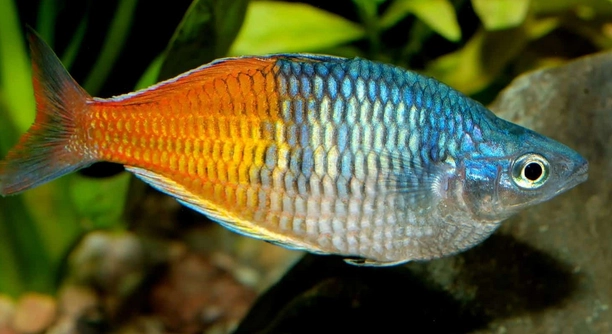
Rainbow fish are popular among aquarium enthusiasts for their colorful appearance and active nature. If you own one or are considering it, understanding their behavior is key to keeping them happy and healthy.
Rainbow fish are not inherently nocturnal by nature. They are typically diurnal, meaning they are most active during the day. However, their activity levels can vary depending on environmental factors like light and tank conditions.
Understanding the rhythms of rainbow fish can improve their care and wellbeing in your aquarium. Knowing when they are most active and how to create the best environment for them can make a big difference in their behavior.
What Affects Rainbow Fish Activity Levels?
Rainbow fish tend to be active during the day, but several factors can influence their behavior. Light levels are one of the most significant, as they are naturally accustomed to the brightness of the sun. If you have your aquarium lights on for long hours, it may trick the fish into thinking it’s always daytime. The size of the tank also plays a role—larger tanks tend to give rainbow fish more space to swim around and explore. Additionally, water conditions, including temperature and pH levels, can impact how active your fish are. Keeping a stable environment encourages normal behavior patterns.
For rainbow fish to remain active during the day, you should mimic their natural habitat as much as possible. Freshwater conditions, proper lighting, and stable temperatures will allow them to thrive and stay energetic throughout the day.
Creating the right atmosphere with correct tank settings isn’t just about their activity levels, though. It also helps promote better health. When rainbow fish are comfortable, they’ll show natural behavior, swimming around happily in the tank, which is a sign of well-being. Ensuring their needs are met means better long-term care and happier fish.
How to Encourage Healthy Daytime Activity
To keep your rainbow fish active and healthy, ensure that their environment matches their needs. Water conditions should stay balanced, with a consistent temperature and minimal fluctuations in pH. Regular maintenance of the tank will also help. Regular water changes and cleaning are essential.
When the water is clean, and the conditions are just right, rainbow fish will swim and play freely, showing their natural, colorful beauty. Keeping them in an appropriate environment with plenty of hiding spots and space will help them feel secure and active.
Light and Its Impact on Rainbow Fish
Rainbow fish rely heavily on light for their activity patterns. If the light in their tank is too bright or inconsistent, it can confuse their internal clock. This may lead to them being more active at night or staying lethargic during the day. To help them maintain a natural rhythm, aim for around 10-12 hours of light each day, simulating a natural day-night cycle. A timer can make this easier to manage.
Adjusting the light in your tank can significantly improve the behavior of your rainbow fish. Too much light can cause stress, and too little may make them sluggish. Keeping the light levels balanced allows them to feel more secure and comfortable. This ensures that they remain active during the day and rest at night, mimicking their natural habitat conditions.
When choosing lighting, consider options that won’t disrupt their environment. Avoid lights that are overly harsh or that cause rapid temperature shifts in the water. A steady, moderate light source will encourage normal patterns, allowing your fish to thrive during the day while resting at night.
Temperature Control for Rainbow Fish
Water temperature is one of the most important factors in maintaining your rainbow fish’s activity levels. If the water is too cold, rainbow fish may become sluggish and inactive. On the other hand, water that’s too warm can cause stress. The ideal temperature for rainbow fish ranges from 72°F to 78°F. Maintaining this range helps keep them energetic and healthy.
Fluctuations in water temperature can disrupt the fish’s behavior, making them more prone to disease or stress. A stable tank environment is key to their well-being. Investing in a good heater with a thermostat can help regulate the temperature and prevent unexpected changes. With a consistent temperature, your rainbow fish will feel more secure and be more active during the day.
If you notice your rainbow fish becoming less active, check the water temperature first. If it’s outside the ideal range, it may explain their behavior. Adjusting the temperature to a comfortable level can help them return to their usual energetic state.
Tank Size and Space for Rainbow Fish
Rainbow fish need space to swim, and the size of the tank plays a big role in their activity levels. A small tank may make them feel cramped, leading to reduced activity. A larger tank allows them to move freely and stay active, which is important for their well-being.
A tank that’s too small can also lead to water quality issues, as it’s harder to maintain proper conditions. With enough space, rainbow fish feel more comfortable and will be able to express their natural swimming behaviors. A 30-gallon tank is a good starting point for a small group.
The Role of Tank Mates
Rainbow fish generally get along well with other peaceful fish, but tank mates can influence their behavior. Aggressive fish can make them feel stressed, leading to a decrease in activity. Peaceful species like tetras or corydoras are good companions, allowing your rainbow fish to stay relaxed and active.
Choosing the right tank mates can also prevent competition for space or food. When everyone gets along, your rainbow fish can swim more freely without fear of being chased or bullied. This helps them remain active and healthy. Make sure all fish in the tank have enough room to coexist peacefully.
FAQ
Are rainbow fish active at night?
Rainbow fish are not naturally nocturnal. They are diurnal, meaning they are most active during the day and rest at night. However, if there are environmental factors like excessive light or temperature fluctuations, they might show altered behavior. It’s important to create a stable environment with a consistent light cycle to encourage natural daytime activity.
How can I keep my rainbow fish healthy?
To keep your rainbow fish healthy, focus on maintaining clean water, a stable temperature, and proper lighting. Regular water changes and monitoring water parameters like pH, ammonia, and nitrate levels will help prevent health issues. Ensure they have a balanced diet and enough space to swim freely. Healthy water conditions and a well-maintained tank are crucial for keeping them happy and active.
What is the best tank size for rainbow fish?
Rainbow fish need a spacious environment. A tank of at least 30 gallons is recommended for a small group. Larger tanks will provide them with more space to swim, reducing stress and encouraging natural behaviors. The more space they have, the more likely they are to stay active and healthy.
Can rainbow fish live with other species?
Yes, rainbow fish are peaceful and can live with many other species. They typically do well in community tanks with other calm fish, like tetras, guppies, and corydoras. Avoid aggressive species or those that may compete for food or space. A well-balanced tank helps them feel secure and active.
Do rainbow fish need a filter?
Yes, a filter is essential for maintaining good water quality. Rainbow fish are sensitive to water conditions, and a filter helps remove debris and maintain a steady flow of oxygen. It also helps keep ammonia and nitrites at safe levels, which is critical for their health and activity levels.
How do I know if my rainbow fish is stressed?
Signs of stress in rainbow fish include unusual swimming patterns, hiding, or losing color. They might also be less active, showing no interest in food or interacting with other fish. If you notice these behaviors, check the water conditions, tank mates, and environmental factors that may be causing stress.
What temperature is best for rainbow fish?
Rainbow fish thrive in water temperatures between 72°F and 78°F. Keeping the temperature within this range helps them stay active and healthy. Ensure the temperature is stable, as fluctuations can cause stress and affect their overall well-being. A good heater with a thermostat can help regulate this.
Can rainbow fish survive in cold water?
Rainbow fish are tropical fish and prefer warm water. They do not tolerate cold water well and may become lethargic or stressed in temperatures below 70°F. Keeping the water temperature between 72°F and 78°F ensures they stay active and comfortable. Avoid placing them in unheated or very cold environments.
What do rainbow fish eat?
Rainbow fish are omnivores and enjoy a varied diet. They will eat flakes, pellets, and live or frozen foods like brine shrimp, daphnia, and bloodworms. It’s important to offer a balanced diet that includes both plant-based and protein-rich foods. Feeding them a variety helps keep them healthy and active.
How often should I feed my rainbow fish?
Rainbow fish should be fed small amounts 1-2 times a day. Overfeeding can lead to poor water quality and health problems. Make sure the fish eat the food within a few minutes, and remove any excess. A consistent feeding schedule helps maintain their health and activity levels.
Do rainbow fish need a lot of hiding spots?
Rainbow fish don’t require many hiding spots, as they are generally social and prefer open swimming areas. However, providing a few plants or decorations where they can seek shelter if they feel threatened will help them feel secure. A balanced environment with both open spaces and some cover is ideal.
Are rainbow fish hard to care for?
Rainbow fish are not difficult to care for, but they do require attention to water quality, temperature, and diet. With the right tank setup and regular maintenance, they thrive and can live for several years. They are generally hardy, making them suitable for beginner aquarium keepers.
Do rainbow fish need a tank with live plants?
While rainbow fish don’t necessarily need live plants, having them in the tank can provide additional hiding spots, help maintain water quality, and mimic their natural environment. Live plants also help maintain a stable oxygen level in the tank, contributing to the overall health of your fish.
Can rainbow fish live in brackish water?
Rainbow fish typically thrive in freshwater tanks. Some species can tolerate slightly brackish conditions, but they prefer soft, acidic to neutral water. It’s best to keep them in freshwater to avoid stress or health issues. If you want to keep them in brackish water, research the specific species to ensure compatibility.
How do rainbow fish breed?
Rainbow fish breed in a relatively simple process. They are egg scatterers, meaning the female releases eggs, which are then fertilized by the male. After spawning, the eggs hatch in about a week. You can encourage breeding by ensuring optimal water conditions and offering them a variety of foods to promote spawning.
Can I use tap water for rainbow fish?
You can use tap water for rainbow fish, but it should be treated first. Tap water often contains chlorine or chloramine, which can harm fish. Using a water conditioner to remove these chemicals is essential. Also, test the water’s pH, hardness, and temperature before introducing your fish to ensure it meets their needs.
Final Thoughts
Rainbow fish are active and vibrant creatures that can bring a lot of joy to any aquarium. They are naturally diurnal, meaning they are most active during the day, and they enjoy having a stable environment. Ensuring that their tank is properly maintained with clean water, consistent lighting, and the right temperature will help them remain energetic and healthy. A well-balanced diet is also important for their overall well-being. These small adjustments will make a significant difference in their activity levels and happiness.
While rainbow fish are fairly easy to care for, it’s crucial to mimic their natural habitat as closely as possible. By keeping their tank large enough and introducing peaceful tank mates, you help reduce any stress that could affect their behavior. A good filtration system is essential for maintaining water quality, which is important for both their activity levels and long-term health. Regular water changes and monitoring water parameters like pH, temperature, and nitrate levels will prevent any issues from arising.
In the end, rainbow fish are not nocturnal by nature, and they thrive in an environment that respects their natural rhythms. By paying attention to their needs for space, food, and water conditions, you can ensure that they live a long and healthy life. With a little care and attention, rainbow fish can be a beautiful and active addition to your aquarium.

Hello,
If you enjoy the content that we create, please consider saying a "Thank You!" by leaving a tip.
Every little bit helps us continue crafting quality advice that supports the health, happiness, and well-being of pets around the world, for pets of all shapes, sizes, and species.
We really appreciate the kindness and support that you show us!