
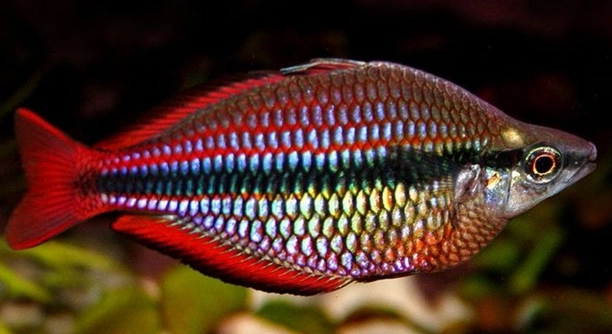
Have you ever looked at your aquarium and wondered if your rainbow fish can sense when the light changes around them?
Rainbow fish can detect changes in light due to specialized cells in their eyes called photoreceptors. These cells allow them to respond to shifts in brightness and help regulate daily activity patterns like feeding and resting.
This ability plays an important role in how rainbow fish interact with their environment and maintain healthy routines.
How Rainbow Fish Use Light to Guide Their Behavior
Rainbow fish rely on their ability to detect light changes to stay in sync with their surroundings. Their vision isn’t just about seeing clearly—it also helps them decide when to feed, rest, and stay safe. These fish have photoreceptors that respond to different wavelengths and brightness levels, allowing them to process light throughout the day. When the aquarium lights dim or brighten, it signals a shift in their routine. This natural sensitivity supports their internal clock, helping them stay alert during the day and calm at night. If the lighting in their tank changes too suddenly or remains inconsistent, it can confuse them and cause stress. Keeping a stable light schedule not only keeps them relaxed but also boosts their overall health. Their body responds to light cues, so even slight changes can affect behavior patterns like swimming, hiding, and interacting with other fish.
These fish depend on lighting to feel secure and stay active. Sudden changes may throw off their routine and lead to stress-related behavior.
Many fishkeepers notice that rainbow fish become more vibrant and social under soft, consistent lighting. That’s because appropriate light conditions support their mood and natural activity levels. They can sense even small shifts in brightness, making it essential to avoid harsh or random lighting patterns. Whether you’re using natural sunlight or artificial aquarium lights, consistency matters. Bright light during the day and dim light at night help maintain their circadian rhythm. If the tank is left in darkness for too long or lit around the clock, your fish may lose their sense of timing. Over time, this can lead to health problems or aggressive behavior. A timer can help you create a predictable lighting schedule. Keep in mind that rainbow fish thrive best with about 10 to 12 hours of light daily. A gentle transition from light to dark is easier on their senses and encourages natural responses.
What Happens When Lighting Isn’t Right
Rainbow fish may react to inconsistent lighting by hiding, becoming less active, or losing color over time.
Stress from poor lighting can lead to weakened immunity and disrupted eating habits. Fish that can’t tell when it’s time to rest or be active may become lethargic or overly aggressive. In tanks with random light exposure, some rainbow fish may even become more skittish. Their bodies rely on predictable light cues to regulate hormone production and energy use. Without those cues, fish can become anxious or unwell. Maintaining a clear and consistent lighting schedule is one of the simplest ways to support healthy behavior in your aquarium. Avoid bright light shocks, and don’t keep the tank light on constantly. It’s tempting to leave the lights on to enjoy their colors, but doing so may cause long-term harm. Keep your setup balanced and steady, and you’ll notice more lively, colorful, and relaxed rainbow fish.
How Light Affects Rainbow Fish Color and Social Behavior
Rainbow fish often appear brighter when lighting conditions are steady and well-balanced. Their colors can dull when they’re stressed or exposed to poor lighting, making it harder for them to interact or find a comfortable spot in the tank.
Good lighting brings out their natural hues and helps them show off to other fish. This becomes especially important during mating or group swimming, where color plays a role in communication. When fish feel calm and secure, they tend to be more social, displaying bolder colors and smoother movements. If lighting is too dim or harsh, they may hide or isolate themselves, avoiding group activity. Their social behavior depends heavily on how well they can see their environment. Creating a consistent light routine supports both their color expression and their ability to interact confidently with others, making the tank more active and lively.
Fluctuating light can also impact their ability to identify other fish. Rainbow fish rely on visual cues for group cohesion and communication, especially when forming schools. If the light keeps changing, they may not recognize one another as easily, which can cause confusion or aggression. This type of behavior is often mistaken for territorial conflict when it’s actually a reaction to poor visibility. For peaceful interactions and healthy dynamics in your tank, lighting should remain predictable and soft. Avoid exposing your fish to strong direct sunlight or switching the aquarium light on and off abruptly. These habits can create a sense of instability. Instead, gradually adjust the light levels and stick to a daily routine. When rainbow fish feel safe and visible, they behave more naturally and harmoniously. Balanced lighting allows them to display their full color range, swim comfortably, and maintain clear social roles within their groups.
How to Set Up Lighting for Rainbow Fish Tanks
A basic aquarium light with a timer is usually enough to support rainbow fish. Choose a setup that provides around 10 to 12 hours of light per day and reduces brightness slowly in the evening.
Avoid lights that are too strong or overly bright, as this can cause stress or fading colors. Rainbow fish do well with full-spectrum LED lights that mimic natural daylight. These lights enhance their color without overwhelming their eyes. Set your timer to turn the lights on in the morning and off at the same time each evening. This consistency helps keep their behavior predictable. If your tank is near a window, be careful with extra sunlight. Too much natural light can throw off their routine and raise the water temperature. If you want to enjoy the tank at night, use a dim blue light that doesn’t disturb their rest. A well-balanced lighting plan supports both appearance and overall health.
How Light Changes Can Signal Feeding Time
Rainbow fish often begin looking for food when the lights come on. Their bodies recognize the brightness as a cue to start moving and expect feeding to happen shortly after light appears.
Feeding your fish at the same time each day, right after the light turns on, helps them stay calm and focused.
Why Sudden Light Changes Should Be Avoided
Quick lighting changes can shock rainbow fish and make them dart around the tank or hide. This behavior isn’t just stress—it can lead to injury or long-term anxiety if it happens often. A gradual shift in light, using dimmers or timers, is easier on their eyes and minds. Transitioning from dark to light slowly mimics what they’d experience in nature, allowing them time to adjust and behave normally. Avoid flipping the light switch suddenly, especially early in the morning or late at night. Even something as simple as opening curtains too quickly can startle them and throw off their rhythm.
When to Adjust Lighting for Health Reasons
If rainbow fish show dull colors or seem sluggish, adjusting the light schedule may help. Try softening the brightness or shortening the light cycle.
FAQ
Can rainbow fish see in the dark?
Rainbow fish, like most fish, cannot see in complete darkness. They rely on light to navigate and interact with their environment. However, their vision can adapt to low light conditions, allowing them to see more clearly in dim environments, especially at dawn or dusk. In an aquarium setting, they may not be able to see well if the lights are turned off for too long or if the tank lacks a proper lighting cycle.
How does lighting affect rainbow fish breeding?
Lighting plays a significant role in the breeding behavior of rainbow fish. Consistent, natural light patterns encourage them to engage in their mating rituals. Fish exposed to irregular lighting may struggle with reproductive timing. For optimal breeding conditions, maintain a 10-12 hour light cycle and consider slightly dimming the lights during the evening to mimic natural day-night transitions. This setup helps fish feel secure enough to breed.
What kind of light is best for rainbow fish?
Rainbow fish do best with full-spectrum lighting. This type of light closely mimics natural sunlight, which helps them maintain their color and health. LED lights are a great option as they are energy-efficient and available in a range of spectrums. Avoid harsh, overly bright lights that can stress your fish. A soft, evenly distributed light is ideal for showcasing their colors and maintaining their comfort.
Can rainbow fish live in low-light tanks?
While rainbow fish can survive in low-light conditions, they won’t thrive. Their vibrant colors are best seen under moderate to bright light. Low light can cause them to become dull or less active. Additionally, insufficient light affects their behavior, making them more prone to stress and less social. It’s better to provide consistent, gentle light to keep them healthy and colorful.
How do rainbow fish adjust to light changes?
Rainbow fish can adjust to light changes over time. However, sudden shifts in lighting, such as turning the light on abruptly, can cause stress and confusion. They rely on gradual changes in light to maintain a stable internal clock. To avoid stress, use a timer to ensure the lighting gradually changes throughout the day. This consistency will help your fish feel more secure and active.
Do rainbow fish need natural sunlight?
Rainbow fish do not require direct natural sunlight, but they benefit from exposure to natural light. Too much direct sunlight can raise the tank’s temperature, leading to algae growth and temperature fluctuations. It’s best to place the tank near a window with indirect sunlight, or use artificial light that mimics the natural day-night cycle.
How often should I change the lighting in my rainbow fish tank?
You don’t need to change the lighting in your rainbow fish tank frequently. Consistency is key. However, you may want to adjust the lighting intensity or duration if you notice changes in behavior, such as fish hiding more than usual or showing dull colors. Regularly cleaning the lights and replacing bulbs when they lose brightness will ensure your fish always have access to good lighting.
Can rainbow fish survive with a night light?
A night light, especially a dim blue or red light, can be beneficial for rainbow fish. It allows them to adjust to a lower light level after dark without causing confusion or stress. It’s important not to leave the tank lit too brightly at night, as this can disturb their resting cycle and affect their health over time.
Why do rainbow fish hide when the lights are off?
Rainbow fish naturally seek shelter in darker areas when the lights are off, mimicking the behavior they would exhibit in the wild. This instinct helps them feel safe from potential predators. If they are hiding for long periods, check if the lighting in the tank is too bright or sudden, as it may be causing stress. Providing areas of shelter in the tank will help them feel more secure.
What happens if rainbow fish are exposed to light 24/7?
Exposing rainbow fish to light 24/7 can be harmful. Fish rely on a regular light-dark cycle to regulate their internal clocks. Continuous light disrupts their sleep patterns, causing stress, lowered immunity, and even aggressive behavior. It’s essential to provide them with a dark period each day to rest properly. Use a timer to ensure they get about 8-12 hours of darkness each day.
How does lighting affect rainbow fish growth?
Lighting indirectly impacts rainbow fish growth. Proper lighting supports their overall health and encourages natural behaviors like feeding and resting, which are essential for healthy growth. A lack of adequate lighting can slow down growth, as fish may become stressed or less active, affecting their metabolism and energy levels. Consistent, moderate lighting ensures they develop and grow at a healthy rate.
Can I use colored lights for rainbow fish?
While rainbow fish can tolerate colored lights, it’s important to use them cautiously. Colored lights, such as red or blue, can be fun to experiment with, but they should not replace regular white or full-spectrum lighting. Too much colored light can stress the fish, especially if used constantly. Occasionally, colored lights can highlight their vibrant colors, but they shouldn’t be the primary light source.
How do rainbow fish respond to light intensity?
Rainbow fish are sensitive to light intensity. They prefer moderate lighting that mimics their natural environment. Lights that are too bright can cause them to hide or become skittish. On the other hand, very dim lighting can make them lethargic and disoriented. It’s best to maintain balanced light levels to encourage active, healthy fish.
What is the best way to acclimate rainbow fish to new lighting?
When changing the lighting in your rainbow fish tank, it’s important to do so gradually. Start by dimming or reducing the intensity for a few days before increasing it again. Sudden changes can shock the fish, causing stress and confusion. If introducing a new light, allow your fish to acclimate by turning it on for short periods at first and gradually extending the time each day.
How long should the lights stay on for rainbow fish?
Rainbow fish should have their lights on for 10 to 12 hours a day. This mimics the natural daylight cycle and supports their active periods during the day and resting at night. A consistent schedule helps regulate their internal clocks and improves their overall well-being. Avoid leaving the lights on for extended periods as it can disrupt their sleep and affect their health.
Can rainbow fish live in a tank with no light?
Rainbow fish can survive in a tank with no light, but they won’t thrive. Light is essential for their health, mood, and behavior. Without light, their colors will fade, and they may become lethargic or stressed. It’s recommended to provide some form of lighting to keep them active, healthy, and vibrant.
How do I prevent algae from growing with rainbow fish lighting?
Algae growth is often linked to the amount of light in the tank. To prevent algae while keeping rainbow fish comfortable, use a timer to control the duration of the light cycle. Keep the light on for 10 to 12 hours each day, and avoid leaving the tank in constant light. Regular cleaning and maintenance of the tank can also help keep algae at bay.
Do rainbow fish need UV light?
Rainbow fish do not specifically require UV light, but it can help with certain health benefits. UV light supports the synthesis of vitamin D in fish, which is necessary for bone and overall health. However, regular full-spectrum lighting is typically sufficient to meet their needs. Use UV light sparingly to avoid overexposure, which can stress the fish.
Final Thoughts
In conclusion, understanding how rainbow fish respond to light changes is essential for their well-being. Light influences their behavior, health, and even breeding habits. Providing consistent, moderate lighting that mimics their natural environment helps ensure they stay active, healthy, and vibrant. It’s important to remember that sudden changes in light can cause stress, so gradual adjustments are key. By setting up a proper lighting schedule and avoiding extremes, you can create an environment where your rainbow fish can thrive.
While rainbow fish are adaptable and can tolerate different lighting conditions, they perform best with regular light cycles. Aim for 10-12 hours of light each day, balanced with a dark period to help them rest. Too much light can lead to stress, while too little can cause lethargy and dull colors. Additionally, make sure the light you use is appropriate for their environment. Full-spectrum lighting, in particular, supports both their health and their natural beauty. Pay attention to their behavior and adjust the lighting if you notice signs of discomfort or inactivity.
Finally, proper lighting doesn’t just benefit the fish; it also enhances the visual appeal of the aquarium. Healthy rainbow fish shine in bright, natural light, and having the right lighting setup can showcase their colors beautifully. The right lighting can also reduce algae growth, making the aquarium easier to maintain. Keep these factors in mind when setting up or adjusting your tank’s lighting. With the right care and attention, your rainbow fish can enjoy a healthy and colorful life.

Hello,
If you enjoy the content that we create, please consider saying a "Thank You!" by leaving a tip.
Every little bit helps us continue crafting quality advice that supports the health, happiness, and well-being of pets around the world, for pets of all shapes, sizes, and species.
We really appreciate the kindness and support that you show us!