
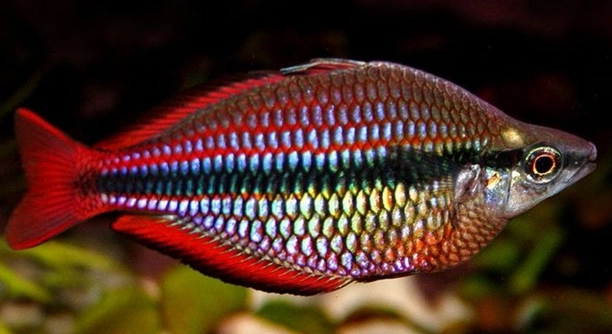
Rainbow fish are a colorful and lively addition to any aquarium. If you’re new to breeding them, it can seem a bit overwhelming at first. However, with a few tips and tricks, you can easily set yourself up for success.
To breed rainbow fish, it’s essential to create the right environment, including stable water conditions and proper nutrition. Additionally, understanding the breeding cycle and providing a safe space for the eggs will significantly increase the chances of successful breeding.
By following the right steps, you can create a thriving environment where your rainbow fish can reproduce. This guide will help you get started on your journey toward breeding healthy, vibrant fish.
Creating the Right Environment
When it comes to breeding rainbow fish, one of the most important factors is the environment. These fish thrive in a well-maintained aquarium with clean, warm water. A temperature range of 75°F to 80°F (24°C to 27°C) is ideal for breeding. Regular water changes are also essential, as they help maintain water quality and keep harmful toxins at bay. Additionally, adding plants or small rocks can offer hiding spots for the fish and create a more natural setting, encouraging them to breed.
If you’re using a breeding tank, ensure that the water is soft and slightly acidic. Using a water conditioner will help balance the pH levels. Avoid overcrowding, as too many fish in a small space can cause stress and reduce the chances of successful breeding. Be mindful of the lighting as well; rainbow fish prefer a consistent light cycle that mimics natural day and night patterns.
It’s also crucial to separate males and females before introducing them into the breeding tank. Males can be quite aggressive, especially when they are vying for the attention of the females. By giving them time to adjust to their new environment, you can create the perfect conditions for breeding.
Providing Proper Nutrition
Feeding rainbow fish the right diet is crucial for healthy breeding. A balanced diet ensures that both males and females are in good condition, making them more likely to breed successfully. Live food, like brine shrimp, is highly recommended as it provides the nutrients rainbow fish need for spawning. Additionally, frozen or dried food can be included, but live food should always make up the majority of their diet during breeding periods.
While feeding them well, remember that overfeeding can harm the tank’s water quality. Provide small amounts multiple times a day, and remove uneaten food promptly to avoid contaminating the water.
Understanding the Breeding Cycle
Rainbow fish have a fairly predictable breeding cycle. Males typically display bright colors and become more active when they’re ready to mate. The females will show interest by becoming rounder and fuller, indicating they’re carrying eggs. Spawning usually happens early in the morning.
To encourage spawning, maintain stable water conditions and feed your fish high-quality foods. Males will chase the females in a courtship display, often jumping and darting around. If the conditions are right, the female will release her eggs, which the male fertilizes shortly after. It’s essential to give them space, as overcrowding can lead to stress and prevent breeding.
Once fertilized, the eggs will hatch in about 7 to 10 days. It’s essential to separate the eggs from the adults to prevent them from being eaten. Setting up a breeding tank with minimal light and soft water can create the best conditions for hatching.
Setting Up a Breeding Tank
Setting up a breeding tank for rainbow fish doesn’t need to be complicated. Choose a separate tank that is at least 20 gallons in size to allow ample space for the fish to swim. This space also helps maintain stable water conditions, which is crucial during breeding.
The tank should be equipped with a gentle filtration system to keep the water clean, but avoid strong currents, as they may disturb the fish. Use a soft sponge filter to prevent eggs or young fry from being sucked in. You can add plants, like java moss, for additional cover and breeding sites.
Maintain the tank’s water temperature between 75°F and 80°F (24°C to 27°C) and check the pH level to ensure it is slightly acidic, around 6.5 to 7.0. This will mimic the fish’s natural breeding conditions and increase the chances of success.
Spawning Tanks: Key Elements
A spawning tank for rainbow fish should be simple, with minimal equipment. The focus should be on water quality and safety. Soft, sandy substrate is ideal for collecting eggs. Keep the lighting low to mimic natural conditions, and ensure the water is clean and free of pollutants.
Providing ample space for the fish to swim will encourage courtship and breeding. Add plants to the tank for hiding spots where the eggs can be safely deposited. Once the eggs are laid, remove the adults to prevent them from eating them. Make sure the tank is free from any predators.
Monitoring Egg Development
After spawning, monitor the eggs closely. They typically hatch in 7 to 10 days, depending on water temperature. Ensure the water remains clean and stable, as any fluctuations can harm the developing embryos. Some rainbow fish may require additional protection, such as using a mesh screen to separate the eggs from the adults.
Eggs will develop into fry within a week, and you’ll start to see tiny rainbow fish swimming around. It’s essential to ensure that the water quality stays high to avoid infections or unhealthy growth. Regular water changes are important during this stage to keep the fry healthy.
Raising Fry Successfully
Raising rainbow fish fry can be a rewarding experience. Once they’ve hatched, provide them with small amounts of food like liquid fry food or finely crushed flakes. Feed them multiple times a day to ensure they are getting the nutrition they need to grow strong.
The water should remain warm, around 78°F (25°C), and well-filtered to maintain cleanliness. As they grow, gradually introduce larger foods such as newly hatched brine shrimp. It’s also essential to ensure that the fry have enough hiding spots to reduce stress from adult fish.
FAQ
How long does it take for rainbow fish to breed?
Rainbow fish typically take about 4 to 6 weeks to fully prepare for breeding. The time can vary depending on water conditions, diet, and the age of the fish. Once the conditions are right, the actual spawning event usually happens within a few days after the male and female show signs of readiness. After fertilization, the eggs take 7 to 10 days to hatch, depending on the water temperature. Proper care during this time is crucial to ensure successful breeding.
Do rainbow fish need a mate to breed?
Rainbow fish are egg scatterers, and males are usually the ones that actively court females. While you don’t necessarily need to have a single mate for each female, having multiple males in the tank increases the chances of successful breeding. The males will compete for the female’s attention, which can stimulate the breeding process. However, it is essential to maintain a healthy balance to avoid stress and aggression in the tank.
What should I feed rainbow fish to encourage breeding?
To encourage breeding, provide rainbow fish with a variety of nutritious foods. Live food, such as brine shrimp, is one of the best options. It provides essential proteins and helps the fish reach breeding condition. In addition to live food, you can offer high-quality flakes and frozen food, such as daphnia or bloodworms. Make sure to offer a balanced diet to keep both males and females healthy, which is vital for breeding success.
Can rainbow fish breed in a community tank?
Rainbow fish can breed in a community tank, but it’s often more difficult to successfully raise the fry in such an environment. Adult fish may eat the eggs or fry if they are not separated. If you want to try breeding in a community tank, provide plenty of plants or hiding spots for the eggs. It’s still recommended to set up a separate breeding tank to improve the chances of fry survival.
What is the best temperature for breeding rainbow fish?
The optimal temperature range for breeding rainbow fish is between 75°F to 80°F (24°C to 27°C). At this temperature, rainbow fish are more likely to engage in courtship and spawning. It’s important to maintain a consistent water temperature, as sudden fluctuations can cause stress and negatively impact breeding. Use a reliable heater to keep the tank stable and check the temperature regularly.
How do I know if my rainbow fish are ready to breed?
Male rainbow fish will become more colorful and active when they are ready to breed. They often display their vibrant colors to attract females. Female rainbow fish, on the other hand, will become plumper as they develop eggs. If you notice these physical signs, and the fish are in a stable environment with the right temperature and water quality, they are likely ready to breed.
Do rainbow fish breed year-round?
Rainbow fish can breed throughout the year if the environmental conditions are stable. In the wild, they tend to breed more frequently during the rainy season when water conditions are ideal. In a controlled aquarium, as long as the water temperature, food supply, and other factors are consistent, rainbow fish can breed at any time.
Why are my rainbow fish not breeding?
There are a few reasons why rainbow fish might not breed. It could be due to poor water quality, incorrect temperature, or improper diet. Additionally, if there is stress in the tank, such as aggressive tank mates or overcrowding, it could discourage breeding. Ensure the environment is calm, the water parameters are correct, and the fish are healthy.
How many eggs do rainbow fish lay?
Rainbow fish can lay anywhere from 20 to 100 eggs during each breeding event. However, the number of eggs varies depending on the size and health of the female. The eggs will be scattered around the tank, often in plants or other small hiding spots. After spawning, the female will leave the eggs to be fertilized by the male.
What should I do with the eggs after they are laid?
Once the eggs are laid and fertilized, remove the adults from the breeding tank to prevent them from eating the eggs. It’s best to leave the eggs in the breeding tank under ideal conditions, such as stable water temperature and good filtration. If the eggs are laid in a separate container, make sure it’s set up with gentle water flow to avoid harming them. Keep an eye on the eggs and ensure the water remains clean to avoid fungal infections.
How do I care for rainbow fish fry?
Caring for rainbow fish fry involves providing them with small, frequent meals like liquid fry food or crushed flakes. As they grow, you can introduce larger foods such as newly hatched brine shrimp. The water should remain warm, and regular water changes will help keep it clean. It’s also important to provide the fry with plenty of hiding spaces to reduce stress and protect them from adult fish.
Can I mix rainbow fish species for breeding?
While it is possible to mix different species of rainbow fish in the same tank, it’s not recommended for breeding. Different species may have different breeding requirements, which can make successful breeding difficult. If you want to breed a specific species, it’s best to keep them in a tank with only that species to ensure compatibility and higher chances of success.
How long do rainbow fish live?
Rainbow fish typically live for 3 to 5 years, depending on the care they receive. With proper water conditions, a balanced diet, and regular maintenance, they can live longer, sometimes up to 7 years. To ensure longevity, avoid overcrowding, and provide a stress-free environment for your fish.
Final Thoughts
Breeding rainbow fish can be a rewarding experience if you take the time to create the right environment and provide proper care. These colorful fish are relatively easy to breed, especially when you ensure stable water conditions and a balanced diet. With the right setup, it’s possible to see your fish reproduce and raise fry successfully. Keeping water quality high, maintaining a consistent temperature, and offering the right types of food are the key factors that contribute to a successful breeding experience.
Patience is essential when breeding rainbow fish, as it might take some time for the fish to adjust to their new breeding environment. It’s important to monitor them closely during the breeding cycle, ensuring that their needs are being met. Providing the right conditions will increase the chances of a healthy brood of fry. Once the eggs hatch, it’s crucial to care for the fry properly by feeding them appropriately and maintaining the water quality. As they grow, you will see the vibrant colors of rainbow fish develop, adding even more beauty to your aquarium.
While breeding rainbow fish can be a bit challenging at first, with a bit of practice, you’ll get the hang of it. Over time, you’ll become familiar with the subtle signs of readiness in your fish and learn how to make small adjustments to improve your breeding setup. Remember, every breeding event is a learning experience, and with each success, you’ll be able to breed even healthier and stronger fish. Whether you’re breeding for personal enjoyment or to share your fish with others, the process can be quite fulfilling and fun.

Hello,
If you enjoy the content that we create, please consider saying a "Thank You!" by leaving a tip.
Every little bit helps us continue crafting quality advice that supports the health, happiness, and well-being of pets around the world, for pets of all shapes, sizes, and species.
We really appreciate the kindness and support that you show us!