
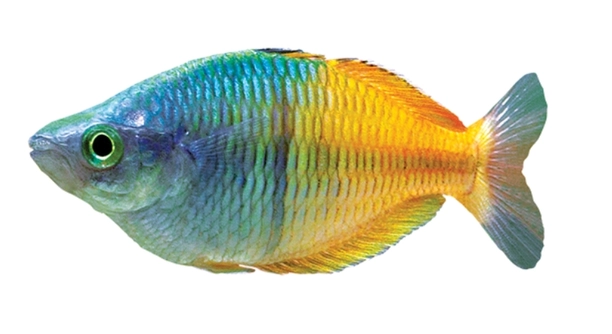
Rainbow fish are a popular choice for many aquarium enthusiasts due to their vibrant colors and peaceful nature. However, understanding their needs, including water quality, is crucial to keeping them healthy and stress-free in your aquarium environment.
Ammonia stress in rainbow fish is a significant concern. High levels of ammonia in the water can lead to respiratory issues, weakened immune systems, and even death if not addressed promptly. Proper filtration and regular water changes are essential to prevent ammonia buildup.
Maintaining a stable, clean environment is key to ensuring your rainbow fish thrive. Learning how to manage ammonia levels and other water quality factors will help you provide a healthier habitat for your fish.
Understanding Ammonia in Aquariums
Ammonia is a toxic substance that naturally builds up in aquariums due to fish waste, uneaten food, and decaying plant matter. In small quantities, it’s not immediately harmful, but when ammonia levels rise, it can create serious issues for your rainbow fish. This is why monitoring water quality is essential in any tank. Ammonia levels above 0.25 ppm (parts per million) can cause significant stress and health problems for your fish. It’s also important to note that rainbow fish are especially sensitive to changes in water conditions, making them more vulnerable to ammonia-related stress. To keep your rainbow fish happy and healthy, ensure that ammonia levels are kept as low as possible through proper filtration, water changes, and regular testing.
The key to managing ammonia levels lies in understanding its sources.
One way to control ammonia is by keeping the tank clean. This means removing any uneaten food and regularly cleaning filters. You can also consider adding plants to the tank, as they absorb ammonia naturally.
How Ammonia Affects Rainbow Fish
Rainbow fish react negatively to high ammonia levels in several ways. They may start showing signs of distress, such as swimming erratically, staying at the surface of the water, or having trouble breathing. These behaviors occur because the fish’s gills are irritated by the ammonia, affecting their ability to absorb oxygen. Prolonged exposure to high ammonia levels can weaken the immune system, making the fish more prone to infections. In severe cases, ammonia poisoning can lead to death.
Even if you don’t see immediate signs of stress, it’s crucial to take action before things worsen. Keeping the water clean with proper filtration, adding beneficial bacteria, and doing regular water changes can prevent ammonia from building up. By staying on top of water quality, you reduce the chances of your rainbow fish suffering from ammonia-related stress and other health issues.
Prevention is much easier than trying to treat ammonia stress once it’s set in. Regularly testing ammonia levels and adjusting your tank’s conditions will keep your fish in the best possible environment.
Identifying Ammonia Stress in Rainbow Fish
Ammonia stress in rainbow fish can be spotted through various behaviors. They may appear lethargic, have trouble swimming, or spend more time near the water surface. In extreme cases, you may notice visible damage to their gills or fins.
If you notice any of these signs, it’s time to check the water quality. Ammonia levels should be measured immediately using a test kit. If ammonia levels are above 0.25 ppm, it’s critical to act fast. Start by increasing water changes and checking filtration. Adding activated carbon to the filter can help absorb the excess ammonia.
Make sure to monitor your fish closely for any other signs of distress, such as reduced feeding or abnormal coloration. These can indicate that ammonia poisoning is worsening. The quicker you identify the issue, the better the chances of preventing long-term damage to your rainbow fish.
The Role of Filtration in Preventing Ammonia Build-Up
Proper filtration is a crucial part of keeping ammonia levels low. Filtration systems help break down waste and remove harmful substances from the water. Regular maintenance of your filter is essential to ensure it’s functioning well.
A good filter will not only help remove ammonia but also contribute to the overall balance of your tank. Make sure your filter is the right size for your aquarium to avoid overloading. If necessary, consider upgrading to a more powerful system.
When setting up your filtration system, remember that it should run 24/7 without interruption. Flushing out debris and regularly cleaning filter media can prevent blockages and ensure that the filter is effectively removing toxins. If ammonia levels remain high, it’s worth checking whether your filter needs maintenance or upgrading.
Water Changes as a Solution
Regular water changes are one of the most effective ways to manage ammonia levels in your aquarium. By replacing a portion of the water, you dilute the ammonia concentration, making the environment safer for your rainbow fish.
Aim to change 20-30% of the water every week. This routine helps keep the ammonia levels low and maintains a stable environment. If ammonia levels are high, more frequent water changes may be necessary until the problem is under control.
Water changes also provide an opportunity to clean the tank and remove any debris that might contribute to waste buildup. Regular changes ensure a healthier habitat for your fish, lowering their risk of ammonia stress.
Beneficial Bacteria and Ammonia Control
Beneficial bacteria play a key role in breaking down ammonia in your aquarium. These bacteria convert ammonia into less harmful substances through a process known as biological filtration. Without these bacteria, ammonia levels would spike quickly.
Adding bacterial supplements to your aquarium can help jumpstart the biological filtration process, especially when setting up a new tank. You can also promote healthy bacteria by avoiding overfeeding and cleaning the substrate regularly. Overfeeding leads to excess waste, which can overwhelm your bacteria.
With enough beneficial bacteria, your tank will naturally cycle, breaking down ammonia into nitrites and then into nitrates, which are far less toxic. Keeping your bacterial population healthy is essential for ammonia control.
Monitoring Ammonia Levels Regularly
Keeping track of ammonia levels is vital for maintaining a stable aquarium environment. Use reliable test kits to monitor the ammonia concentration at least once a week. This helps catch any sudden spikes before they become a bigger issue.
Ammonia tests are inexpensive and easy to use. Many aquarium stores offer test kits that measure ammonia, nitrites, and nitrates. Regular testing gives you a clear picture of water quality and allows you to adjust your filtration or water change routine as needed.
FAQ
How can I tell if my rainbow fish is stressed from ammonia?
Rainbow fish show several signs when they are stressed due to ammonia. They might swim erratically, stay near the water surface, or appear lethargic. If you notice your fish showing these behaviors, it’s time to check the ammonia levels in your tank. Over time, high ammonia can also cause damage to their gills, which may be visible as redness or inflammation. Immediate action is required to prevent further stress or harm.
What ammonia level is safe for rainbow fish?
The safe ammonia level for rainbow fish is ideally 0 ppm. Levels above 0.25 ppm can cause stress, and if ammonia levels are higher than 0.5 ppm, your fish may start experiencing serious health problems. Regular testing of your aquarium water is crucial to ensure that ammonia stays at a safe level for your fish.
Can rainbow fish recover from ammonia poisoning?
Yes, rainbow fish can recover from ammonia poisoning if action is taken quickly. If the ammonia levels are lowered through water changes, improved filtration, and the addition of beneficial bacteria, most rainbow fish can recover from mild to moderate ammonia exposure. However, the longer they are exposed, the harder it is for them to recover.
What should I do if ammonia levels are high in my tank?
If ammonia levels are high, immediate action is required. Start by performing a water change of at least 30% to dilute the ammonia concentration. Test the water again after the change to ensure it’s improving. You can also add activated carbon to your filter to absorb excess ammonia. If necessary, perform additional water changes until the levels stabilize.
Is using a chemical filter media to remove ammonia safe for rainbow fish?
Using chemical filter media, such as ammonia-removing pads or resin, can help reduce ammonia levels in your tank. However, it’s important to use them cautiously. While they can be effective in emergencies, relying solely on these products may not address the root cause of ammonia buildup. Always combine chemical media with proper filtration and regular water changes for the best results.
How often should I clean my filter to prevent ammonia buildup?
Cleaning your filter regularly is essential to prevent ammonia buildup. Ideally, clean your filter media every 2-4 weeks, depending on the size of your tank and the bio-load. If your filter is clogged, it won’t effectively remove waste, contributing to ammonia accumulation. Always clean the filter with water taken from the tank to avoid killing beneficial bacteria.
Can I add more fish to my tank if ammonia levels are stable?
Adding more fish to your tank should be done with caution. Even if ammonia levels are stable, adding too many fish can overwhelm your filtration system, leading to higher ammonia levels. Always make sure your filtration is adequate for the bio-load of the tank, and introduce new fish gradually to avoid spikes in ammonia.
How do I properly cycle a tank to prevent ammonia problems?
Cycling a tank involves establishing beneficial bacteria that break down ammonia into less harmful substances. This process can take 4-6 weeks. To properly cycle your tank, add ammonia or fish food to kick-start the nitrogen cycle. Once the bacteria are established, ammonia levels should naturally decrease, and the tank will be ready for fish.
Are live plants helpful in reducing ammonia levels?
Yes, live plants can help reduce ammonia levels in your aquarium. Plants absorb ammonia as a nutrient for growth, which can lower the concentration in the water. Adding fast-growing plants like hornwort or water sprite can make a noticeable difference. However, they should not be relied upon as the sole solution for ammonia control. Proper filtration and water changes are still necessary.
Can ammonia affect the health of my rainbow fish long-term?
Yes, prolonged exposure to high ammonia levels can lead to long-term health problems in rainbow fish. It weakens their immune system, making them more vulnerable to diseases and infections. Chronic exposure can also cause damage to their gills and internal organs. Maintaining good water quality and regularly monitoring ammonia levels will help prevent these long-term effects.
Do I need to remove my rainbow fish while treating ammonia levels?
It’s not necessary to remove your rainbow fish unless ammonia levels are extremely high or they show signs of severe distress. In most cases, you can improve water quality by doing regular water changes and enhancing filtration. However, if your fish seem very sick or stressed, it may be beneficial to move them to a quarantine tank while you address the ammonia issue in the main tank.
What type of filtration is best for controlling ammonia in a rainbow fish tank?
The best filtration for controlling ammonia includes a combination of mechanical, biological, and chemical filtration. A high-quality filter with a strong biological filter is the most important, as it houses the beneficial bacteria that break down ammonia. Mechanical filtration removes debris, and chemical filtration, such as activated carbon or ammonia-removing media, can assist in reducing excess ammonia.
Can water conditioner help with ammonia in my tank?
Water conditioners that detoxify ammonia can provide temporary relief. These products convert harmful ammonia into a non-toxic form that fish can tolerate. However, they don’t eliminate ammonia from the water. It’s essential to continue with proper filtration and water changes, as water conditioners only offer a temporary solution.
What are the best water test kits for monitoring ammonia?
There are many reliable ammonia test kits available for aquariums. Liquid test kits, like those from API or Salifert, are popular due to their accuracy. They provide detailed results for ammonia, nitrites, and nitrates. Test strips are faster but less precise, and they may not give the same level of detail.
Final Thoughts
Maintaining good water quality is crucial for the health and well-being of your rainbow fish. Ammonia is one of the most common and harmful toxins that can affect your aquarium. Without proper management, it can cause stress, illness, and even death in your fish. Regular water changes, proper filtration, and monitoring ammonia levels are essential steps to prevent ammonia buildup. By staying on top of these tasks, you can create a safer, healthier environment for your rainbow fish and help them thrive in your aquarium.
It’s important to remember that preventing ammonia stress is much easier than trying to treat it once it’s already an issue. Regularly testing your water and being proactive about cleaning and maintaining your tank can help keep ammonia levels at a safe level. If you notice any signs of distress in your rainbow fish, like erratic swimming or gasping at the surface, check the ammonia levels immediately. A quick response can make all the difference in saving your fish and preventing long-term health problems.
In the end, creating a stable environment for your rainbow fish requires a little time and effort, but the rewards are worth it. By paying attention to water quality and understanding the role of ammonia, you’ll not only keep your fish happy and healthy, but you’ll also enjoy watching them display their natural beauty. Whether you’re a beginner or an experienced aquarium keeper, knowing how to manage ammonia and maintain a clean tank is key to keeping your rainbow fish at their best.

Hello,
If you enjoy the content that we create, please consider saying a "Thank You!" by leaving a tip.
Every little bit helps us continue crafting quality advice that supports the health, happiness, and well-being of pets around the world, for pets of all shapes, sizes, and species.
We really appreciate the kindness and support that you show us!