
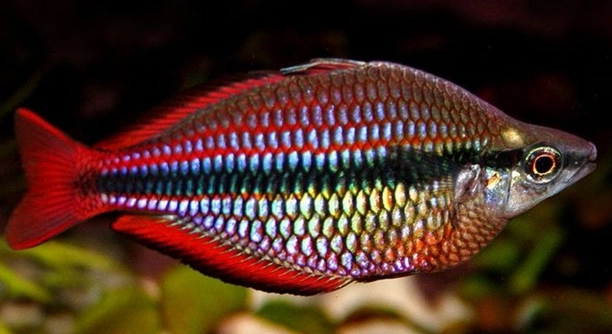
Rainbow fish are known for their vibrant colors, but sometimes, they may start flicking or rubbing against objects in their aquarium. This behavior can signal underlying issues that need to be addressed to maintain their health and comfort.
Flicking in rainbow fish is commonly caused by external parasites, skin irritation, or water quality issues. These factors can lead to discomfort, prompting the fish to rub their bodies against surfaces in an attempt to relieve irritation or stress.
Understanding the potential causes of flicking can help prevent further health issues and improve the well-being of your rainbow fish.
Common Causes of Flicking in Rainbow Fish
Rainbow fish flicking can be triggered by a variety of factors. The most common cause is the presence of external parasites, such as ich or velvet, which irritate the fish’s skin. These tiny organisms latch onto the fish and cause itching or discomfort. The fish will try to relieve the irritation by rubbing against objects in the aquarium. Another potential cause is skin infections, which can develop due to poor water quality or wounds that become infected. High levels of ammonia, nitrites, or nitrates in the water can stress the fish and lead to such issues. In some cases, flicking may also be a result of physical damage, such as a tear in the fins or a scratch, causing the fish to attempt to soothe the area by rubbing against surfaces.
Keeping an eye on your rainbow fish’s behavior can help you identify when something is wrong. If flicking persists, it’s crucial to take action.
Proper water maintenance, including regular testing and water changes, can help avoid many of these issues. Maintaining good water quality reduces stress and creates a healthier environment for your fish. You should also ensure that the tank isn’t overcrowded, as this can lead to increased stress and a higher risk of infections. Checking for signs of parasites or physical injuries on your fish is also an important step. If you find any, it may be necessary to treat the aquarium with medications designed to target the issue.
How to Prevent Flicking Behavior
Preventing flicking starts with proper tank maintenance and monitoring your fish’s health closely.
Maintaining a stable and clean environment for your rainbow fish is essential. Regular water changes and filtration will help keep the water conditions optimal, reducing the risk of parasites and infections.
Treating External Parasites in Rainbow Fish
External parasites like ich and velvet are often the reason for flicking. These parasites cause irritation, leading the fish to rub against surfaces to alleviate discomfort.
Treating these parasites requires medication specifically designed to target them. There are various treatments available, such as formalin-based or copper-based solutions, depending on the type of parasite. Follow the instructions carefully to ensure the treatment is effective and safe for your fish. If the issue is caught early, the treatment process can be quick, but it’s important to continue the treatment for the full recommended duration.
Keep the aquarium conditions stable during the treatment process. This includes maintaining proper water temperature and oxygen levels. During treatment, it’s best to isolate infected fish in a separate tank to prevent spreading the parasites. In some cases, parasites can spread rapidly if left untreated, so addressing the issue promptly is essential for your fish’s recovery.
Improving Water Quality
Maintaining optimal water quality is one of the most important factors in preventing flicking. Poor water conditions stress the fish, making them more susceptible to infections and parasites.
Regular water changes and monitoring of ammonia, nitrite, and nitrate levels will help keep your tank in a healthy state. It’s also essential to check the pH and hardness of the water to ensure they are suitable for rainbow fish. Installing a good filtration system will help maintain clean water and reduce the buildup of waste. Keeping the tank’s water parameters consistent reduces stress, which is key to preventing flicking behavior.
Managing Tank Overcrowding
Overcrowding in the aquarium can increase stress for rainbow fish, leading to flicking behavior. It’s essential to maintain the right fish-to-tank ratio.
When the tank is too crowded, there’s less room for the fish to move, and the water quality deteriorates faster. This can lead to increased aggression among the fish and a higher likelihood of disease. To avoid overcrowding, ensure your tank has adequate space for each fish to thrive.
Regularly assess the number of fish in your tank and avoid adding too many at once. Providing plenty of hiding spots will also help reduce stress and improve overall fish health.
Treating Skin Infections
Skin infections may cause flicking if left untreated. Bacterial or fungal infections often result from poor water conditions or physical injuries.
If your rainbow fish appears to have lesions, cloudy patches, or open wounds on their skin, it’s crucial to treat these infections immediately. Use appropriate antimicrobial treatments and ensure the water quality is ideal for healing. Keeping the tank clean and isolating the affected fish in a hospital tank will prevent the spread of infection and give them a better chance at recovery.
Monitoring Fish Behavior
Behavioral changes like flicking can indicate health issues, but monitoring your fish closely is essential for catching any early signs.
By paying attention to your rainbow fish’s daily activity and habits, you can quickly detect if something is wrong. Regularly observe their movements and check for signs of stress or discomfort. Noticing flicking behavior early allows for quicker intervention and treatment, ensuring a better outcome for your fish.
FAQ
Why is my rainbow fish flicking?
Flicking is often caused by irritation from external parasites like ich or velvet. These parasites attach to the fish’s skin and cause discomfort, prompting the fish to rub against objects in the tank. Poor water quality or skin infections can also lead to flicking. It’s important to monitor the tank’s water parameters and look for any signs of infection or parasites on your fish.
How can I tell if my rainbow fish has parasites?
Common signs of parasites include rubbing or flicking against surfaces, visible spots or lesions on the skin, and changes in behavior like lethargy or reduced appetite. If you notice these symptoms, it’s important to inspect the fish closely for any visible parasites, such as white spots (ich) or a yellowish coating (velvet). A quarantine tank with appropriate treatments can help prevent the spread of parasites to other fish.
What should I do if my rainbow fish has an infection?
If you suspect a skin infection, first isolate the infected fish to prevent further spread. Use an appropriate antibacterial or antifungal treatment, depending on the nature of the infection. Maintain optimal water quality to support healing and avoid stressing the fish further. You may also need to clean and disinfect the main tank to prevent any further outbreaks.
Can flicking be a sign of stress?
Yes, flicking can also be a sign of stress caused by poor water quality, overcrowding, or aggression from other tankmates. Stress weakens the immune system, making the fish more vulnerable to infections and parasites. Make sure the tank is large enough for the number of fish you have and that the water parameters are stable. Providing plenty of hiding spots can help reduce stress among the fish.
How do I improve water quality for my rainbow fish?
Maintaining good water quality is essential for rainbow fish health. Regular water changes, at least 25-30% every week, will help reduce toxins like ammonia, nitrites, and nitrates. Use a reliable filtration system to remove waste and keep the water oxygenated. Regularly test the water’s pH, hardness, and temperature to ensure they are within the recommended range for rainbow fish. Keeping the tank clean and free of uneaten food or debris will also help maintain water quality.
Is it necessary to quarantine new fish before adding them to my tank?
Yes, quarantining new fish is crucial to prevent the introduction of diseases and parasites into your main tank. A quarantine tank allows you to observe the fish for a few weeks to ensure they are healthy before introducing them to the community. This practice can prevent outbreaks of parasites or infections that could affect the entire aquarium.
Can overfeeding cause flicking in rainbow fish?
Overfeeding can lead to poor water quality, as uneaten food breaks down and contributes to high levels of ammonia and nitrates. This can stress your fish and lead to flicking behavior. It’s important to feed your rainbow fish the right amount of food and remove any uneaten food after a few minutes to prevent water quality issues.
How do I know if my rainbow fish is getting enough food?
Rainbow fish should be fed small amounts of food two to three times a day, and they should eat the food within a few minutes. If your fish seem to be consistently leaving food behind, try adjusting the amount or type of food. Look for healthy growth, vibrant coloration, and active behavior as signs of a well-fed fish. Avoid overfeeding, as it can lead to water quality issues.
Can flicking be a sign of a physical injury?
Yes, flicking can occur if your rainbow fish has a physical injury, such as a scratch or tear in its fins. The fish may rub against objects to soothe the wound or irritation. Ensure the tank environment is free of sharp objects that could injure the fish, and monitor for signs of infection if there is visible damage.
How can I prevent my rainbow fish from flicking?
The best way to prevent flicking is by maintaining a healthy tank environment. Ensure proper water quality by regularly testing and performing water changes. Avoid overcrowding the tank to reduce stress, and provide hiding spots to give your fish a sense of security. Regularly check for parasites and infections and address any issues promptly. A balanced diet and proper fish care practices will also help keep your rainbow fish healthy and comfortable.
Final Thoughts
Flicking in rainbow fish is often a sign of discomfort or irritation. It can be caused by various factors, such as external parasites, poor water quality, or infections. Identifying the root cause early is essential to preventing the issue from worsening. Regular monitoring of your fish and the tank environment is key to keeping your fish healthy and preventing flicking behavior. Ensuring your fish have the proper living conditions, with stable water quality and enough space to swim, reduces stress and supports their overall well-being. Treating any health issues promptly will give your fish a better chance of recovery.
Proper tank maintenance plays a significant role in preventing many common problems that lead to flicking. Keeping the water clean by performing regular water changes and testing the water parameters is essential. Rainbow fish are sensitive to changes in their environment, so maintaining consistency in water temperature, pH, and hardness is important. Ensuring the tank is not overcrowded and providing hiding spots for your fish can help reduce stress, which is one of the main factors contributing to flicking behavior. A well-maintained tank reduces the chances of disease outbreaks and improves the health of your fish.
Addressing the issue of flicking quickly is important to ensure your fish remain healthy. If flicking is due to parasites or infections, prompt treatment with the appropriate medication will be necessary. Isolation of infected fish can help prevent the spread of diseases to other tankmates. By keeping a close eye on your fish and taking immediate action when needed, you can maintain a healthy tank environment. Proper care and attention will help your rainbow fish stay vibrant and active, preventing unnecessary health problems and ensuring a long and healthy life in your aquarium.

Hello,
If you enjoy the content that we create, please consider saying a "Thank You!" by leaving a tip.
Every little bit helps us continue crafting quality advice that supports the health, happiness, and well-being of pets around the world, for pets of all shapes, sizes, and species.
We really appreciate the kindness and support that you show us!