
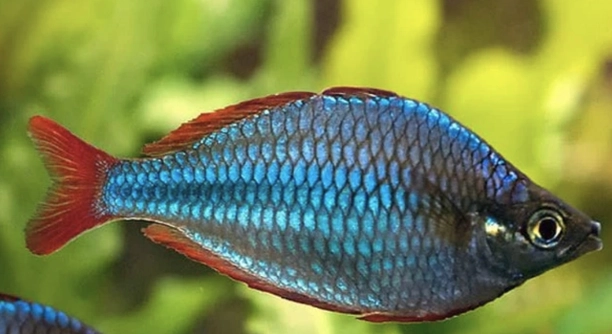
Rainbow fish are popular aquarium fish, known for their vibrant colors and active behavior. However, changes in their breathing can indicate stress or health issues. Recognizing when to be concerned can help ensure they stay healthy and thriving.
Rainbow fish may experience breathing changes due to various factors, including water quality, stress, or illness. Rapid or labored breathing often signals underlying problems that require immediate attention, such as poor water conditions or a potential infection.
Monitoring these signs will allow you to address potential health concerns early, ensuring your rainbow fish remain vibrant and energetic in their environment.
Causes of Abnormal Breathing in Rainbow Fish
Rainbow fish breathing irregularities often stem from poor water quality. High ammonia, nitrites, or nitrates in the tank can stress the fish, leading to rapid breathing. Inadequate filtration, overfeeding, or not performing regular water changes can cause these harmful substances to build up. Low oxygen levels in the tank also contribute to labored breathing. Ensuring the water is clean and well-oxygenated is crucial for your fish’s health.
Proper water parameters are vital for preventing breathing problems in your rainbow fish. Regular water testing for ammonia, nitrate, and pH levels is necessary. Keep the tank temperature consistent and within the optimal range to avoid stressing your fish.
Maintaining a stable environment reduces the likelihood of breathing problems in rainbow fish. Proper filtration, regular water changes, and monitoring water parameters will help keep the fish healthy. Always ensure there is adequate aeration in the tank, especially in heavily stocked aquariums, to prevent oxygen deprivation.
Stress-Induced Breathing Issues
Stress is another factor that can impact the breathing of rainbow fish. Sudden changes in the environment, such as adding new fish or rearranging decorations, can cause stress. Overcrowding the tank or placing the fish near high-traffic areas can also lead to anxiety. Stress weakens the immune system, making the fish more vulnerable to illness.
Fish showing signs of stress may exhibit rapid or heavy breathing. In addition to environmental factors, other stressors include sudden temperature fluctuations, excessive light exposure, or aggressive tankmates. Keeping your tank peaceful and maintaining consistent conditions will help prevent these issues. Proper acclimation of new fish is also important to minimize stress.
By providing a stable environment, rainbow fish can maintain a healthy, calm state. Avoid making sudden changes in the tank, and ensure the fish have plenty of space to swim. A stress-free habitat encourages natural behaviors and promotes long-term well-being.
Illnesses That Affect Breathing
Several illnesses can lead to changes in rainbow fish’s breathing patterns. Parasites, infections, and internal diseases often cause labored breathing. White spots on the skin, lesions, or discoloration around the gills may indicate an infection. In such cases, the fish may start breathing rapidly as their body fights the illness.
If your rainbow fish shows signs of illness, it’s crucial to address the situation quickly. Quarantining the affected fish can prevent the spread of disease to others in the tank. Start treatment based on the symptoms you observe, whether bacterial, parasitic, or fungal. Consult a veterinarian or aquarium expert for the proper medications.
Rainbow fish suffering from illness will typically exhibit other symptoms besides rapid breathing, such as loss of appetite, lethargy, or unusual behavior. Monitoring their condition closely and providing a clean, stress-free environment will support their recovery. Always ensure water quality is optimal, as it plays a significant role in the fish’s immune response.
Poor Oxygen Levels
Oxygen deprivation is another common cause of breathing issues in rainbow fish. If the tank lacks sufficient water circulation or aeration, oxygen levels may drop, causing the fish to breathe harder. This is especially common in overcrowded tanks or those with limited surface area for gas exchange.
To improve oxygen levels, ensure proper water circulation by using a reliable filter or adding air stones to the tank. This will help distribute oxygen more evenly throughout the water. Also, avoid overstocking the tank, as it can strain the oxygen supply. Regular water changes help maintain good oxygen levels and improve fish health.
If you notice rapid breathing in your rainbow fish despite normal water quality, oxygen may be the issue. Adding additional aeration can help remedy the situation quickly. Keep an eye on your fish and adjust the tank’s setup if needed to ensure they have access to the oxygen they need.
Tank Maintenance
Regular tank maintenance is essential for healthy rainbow fish. Poor water quality, caused by infrequent water changes or ineffective filtration, can result in abnormal breathing. Ensure your tank is properly cleaned and maintain a regular schedule for water changes to prevent harmful buildup.
Good filtration removes excess waste and keeps water oxygenated, which is crucial for fish health. Regularly check the filter and clean it as needed. Also, remove any uneaten food, as it decays and can affect water quality. Maintaining a stable environment will help avoid stress and breathing issues for your rainbow fish.
Proper tank maintenance includes monitoring water temperature, pH levels, and ammonia/nitrite/nitrate concentrations. Small adjustments, like improving filtration or cleaning the substrate, can go a long way in promoting your fish’s well-being. A clean, balanced tank is key to preventing breathing problems.
Overfeeding
Overfeeding is a common problem that can lead to poor water quality. Excess food decomposes, raising the levels of ammonia and nitrate in the tank, which affects rainbow fish breathing. Keep track of feeding amounts and remove any uneaten food.
Feeding your fish the right portion ensures they get the nutrition they need without polluting the tank. Rainbow fish generally require small meals, so avoid overfeeding, which can contribute to an unhealthy tank environment. Always remove leftovers within a few hours of feeding to maintain water quality.
Monitor your fish’s eating habits to prevent overfeeding. Healthy eating behaviors ensure your rainbow fish thrive while keeping the tank clean and free of excess waste. Reducing the chance of overfeeding will help maintain optimal water conditions and reduce stress on the fish.
Tankmates and Aggression
Tankmates can also affect the breathing of rainbow fish. Aggressive fish can cause stress, making the rainbow fish breathe harder. It’s important to choose compatible tankmates that do not exhibit aggressive behaviors. Aggressive interactions can lead to injury or illness, worsening breathing problems.
When selecting tankmates, consider the temperament and size of the fish. Avoid placing rainbow fish with overly territorial or aggressive species, as this can create a hostile environment. A peaceful tank encourages better overall health and reduces the risk of stress-induced breathing issues.
FAQ
What are the signs of abnormal breathing in rainbow fish?
Rapid or labored breathing is the most common sign of breathing issues in rainbow fish. This may include the fish breathing heavily at the surface or showing signs of gasping for air. You may also notice the gills moving faster than usual. If these behaviors persist, it’s important to check water quality and evaluate possible stress factors.
How can poor water quality affect rainbow fish breathing?
Poor water quality, such as high ammonia or nitrate levels, directly impacts the health of rainbow fish. These toxins stress the fish, making it difficult for them to breathe normally. Elevated waste levels can cause rapid gill movement or labored breathing as the fish attempt to process the poor water conditions. Regular water testing and filtration are key to preventing these problems.
Can stress cause my rainbow fish to breathe heavily?
Yes, stress can cause rainbow fish to breathe heavily. Factors like overcrowding, aggressive tankmates, or sudden changes in the environment can all contribute to stress. When stressed, rainbow fish often show rapid breathing as their bodies react to the strain. Ensuring a calm, peaceful tank environment will reduce stress and promote healthy breathing patterns.
What are some common diseases that affect rainbow fish breathing?
Rainbow fish may suffer from various illnesses that can lead to breathing difficulties. Parasitic infections, bacterial diseases, and gill infections are all known to impact respiratory health. Symptoms often include rapid or irregular breathing, along with other signs like lethargy, loss of appetite, or discoloration. Timely diagnosis and treatment are important for recovery.
How can I improve oxygen levels in my aquarium?
Improving oxygen levels in the aquarium can be achieved by adding air stones, improving water circulation, and ensuring proper filtration. A strong water filter or a pump that creates surface agitation helps oxygenate the water. Avoid overcrowding the tank, as too many fish can deplete oxygen, leading to breathing issues. Regular water changes also help maintain proper oxygen levels.
Does the temperature of the water affect rainbow fish breathing?
Yes, temperature can significantly affect rainbow fish breathing. Higher temperatures decrease oxygen solubility in water, making it harder for fish to breathe. If the water is too warm, rainbow fish may exhibit rapid or labored breathing as they struggle to get enough oxygen. Maintaining a consistent, suitable temperature in the tank is crucial for their health.
Why is my rainbow fish breathing rapidly even with good water quality?
If your rainbow fish is breathing rapidly despite good water quality, it could be due to stress, illness, or low oxygen levels. Sometimes even minor changes, such as a sudden tank rearrangement or the presence of aggressive tankmates, can cause the fish to breathe harder. Ensure that your tank is stable and the fish feel safe.
How often should I clean my tank to prevent breathing issues in rainbow fish?
Regular tank maintenance is essential to prevent breathing problems. Perform partial water changes at least once a week, removing 25-30% of the water. Clean the filter every few weeks to ensure it operates efficiently. Also, vacuum the substrate to remove excess waste and prevent the buildup of harmful substances that affect water quality.
Can overcrowding affect rainbow fish breathing?
Yes, overcrowding can lead to breathing issues in rainbow fish. More fish in the tank mean higher waste production, which can increase ammonia and nitrate levels, making it harder for fish to breathe. Overcrowding also reduces available oxygen, contributing to rapid or heavy breathing. Always provide enough space for each fish in the tank to maintain good health.
How do I treat a rainbow fish with breathing problems?
If your rainbow fish is experiencing breathing problems, first check the water quality. Ensure ammonia, nitrate, and pH levels are within the appropriate range. If water quality is fine, monitor for signs of illness like lesions, white spots, or abnormal behavior. Quarantine sick fish to prevent the spread of disease, and use the appropriate treatments based on the symptoms observed.
Can rainbow fish suffer from gill disease?
Rainbow fish are susceptible to gill disease, which can cause labored breathing. Common causes include bacterial infections, parasites, and fungal growths. Symptoms may include swollen or discolored gills, as well as rapid or irregular breathing. If you notice signs of gill disease, consult a veterinarian or aquatic expert for treatment options to prevent further health decline.
How can I reduce stress for my rainbow fish?
To reduce stress, ensure your rainbow fish have a peaceful tank environment with compatible tankmates. Avoid sudden changes in the tank, such as moving decorations or adding new fish without proper acclimation. Keep the tank temperature stable and perform regular water changes to maintain good water quality. A stress-free environment helps rainbow fish thrive.
Is it normal for rainbow fish to breathe faster after feeding?
It’s not uncommon for rainbow fish to breathe slightly faster right after feeding. This may occur as they digest their food. However, if the breathing is excessively rapid or continues for a long time after feeding, it could indicate stress, illness, or poor water conditions. Keep an eye on their behavior after meals to ensure everything is normal.
How do I know if my rainbow fish is not getting enough oxygen?
If your rainbow fish is gasping at the surface, swimming erratically, or breathing rapidly, it may not be getting enough oxygen. Insufficient oxygen often occurs in tanks with poor water circulation or overcrowding. Ensure the tank is well-oxygenated by adding aeration systems, improving water flow, and avoiding overcrowding.
What should I do if my rainbow fish shows no signs of improvement in breathing?
If your rainbow fish’s breathing issues persist despite improving water quality and reducing stress, consider seeking professional help. A veterinarian or aquatic expert can help diagnose the problem and recommend specific treatments. It’s important to act quickly, as prolonged breathing problems can indicate serious health issues that require intervention.
Final Thoughts
Maintaining the health of rainbow fish requires attention to several factors that can impact their breathing. Water quality is one of the most important elements to consider, as poor water conditions can lead to stress and respiratory issues. Regular water changes, efficient filtration, and careful monitoring of ammonia, nitrate, and pH levels can help keep the tank environment stable. Additionally, ensuring the tankmates are peaceful and compatible with rainbow fish will minimize stress and contribute to their overall well-being. Taking the time to care for these aspects will promote healthier and happier fish, with less risk of breathing difficulties.
Rainbow fish are generally resilient, but they can face issues when their environment is not optimal. Overfeeding, for example, can lead to excess waste, which pollutes the water and harms the fish’s respiratory system. Similarly, overcrowding reduces oxygen levels, which can cause rapid or labored breathing. Monitoring food intake and maintaining a balanced fish population will prevent these problems. Keeping a regular maintenance schedule for cleaning and water changes will also go a long way in preventing breathing issues. Being proactive about these factors is essential for avoiding unnecessary health problems for your rainbow fish.
In the end, proper care and attention are key to preventing and addressing any breathing issues your rainbow fish may encounter. Regularly checking water quality, maintaining a peaceful tank environment, and avoiding overfeeding are simple yet effective measures. If breathing issues persist despite following these practices, it may be necessary to consult with an aquatic expert or veterinarian for further advice and treatment. Taking these steps ensures that your rainbow fish stay healthy, stress-free, and able to thrive in their aquatic home.

Hello,
If you enjoy the content that we create, please consider saying a "Thank You!" by leaving a tip.
Every little bit helps us continue crafting quality advice that supports the health, happiness, and well-being of pets around the world, for pets of all shapes, sizes, and species.
We really appreciate the kindness and support that you show us!